The Illusion of the "Passive Miracle"
We have all seen the old tropes in movies: a character puts on headphones, falls asleep to a recording of Mandarin or quantum physics, and wakes up an expert. It is an enticing idea. It promises mastery without the sweat, a shortcut to genius while you drift through the clouds.
However, I must be honest with you: as far as current science understands, your conscious mind cannot absorb complex, entirely new verbal information while you are in the deep stages of sleep. If you have never studied a word of Italian, listening to a dictionary in your sleep won't make you fluent. The brain, in its wisdom, shuts out most external stimuli to focus on its own internal world.
But don't let this discourage you. While you cannot "upload" new data like a computer, your brain is doing something far more sophisticated. It is taking the raw, messy experiences of your day and weaving them into the very fabric of your nervous system.
---
The Architecture of Mastery: Procedural Memory
When we talk about learning, we often think of facts. But the most profound learning happens in your procedural memory. This is the memory of "how"—how to ride a bike, how to type without looking, how to swing a golf club, or how to navigate a complex software interface.
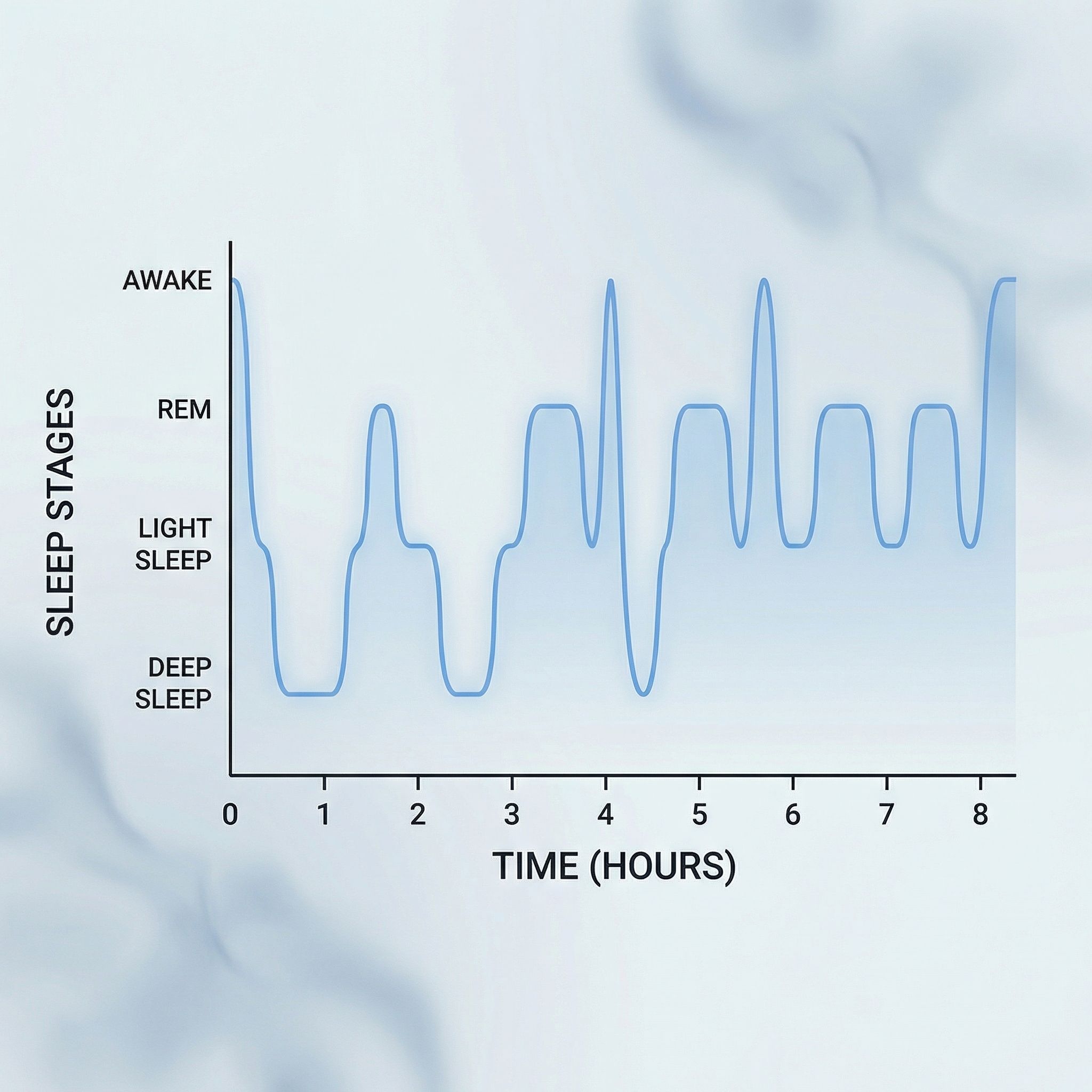
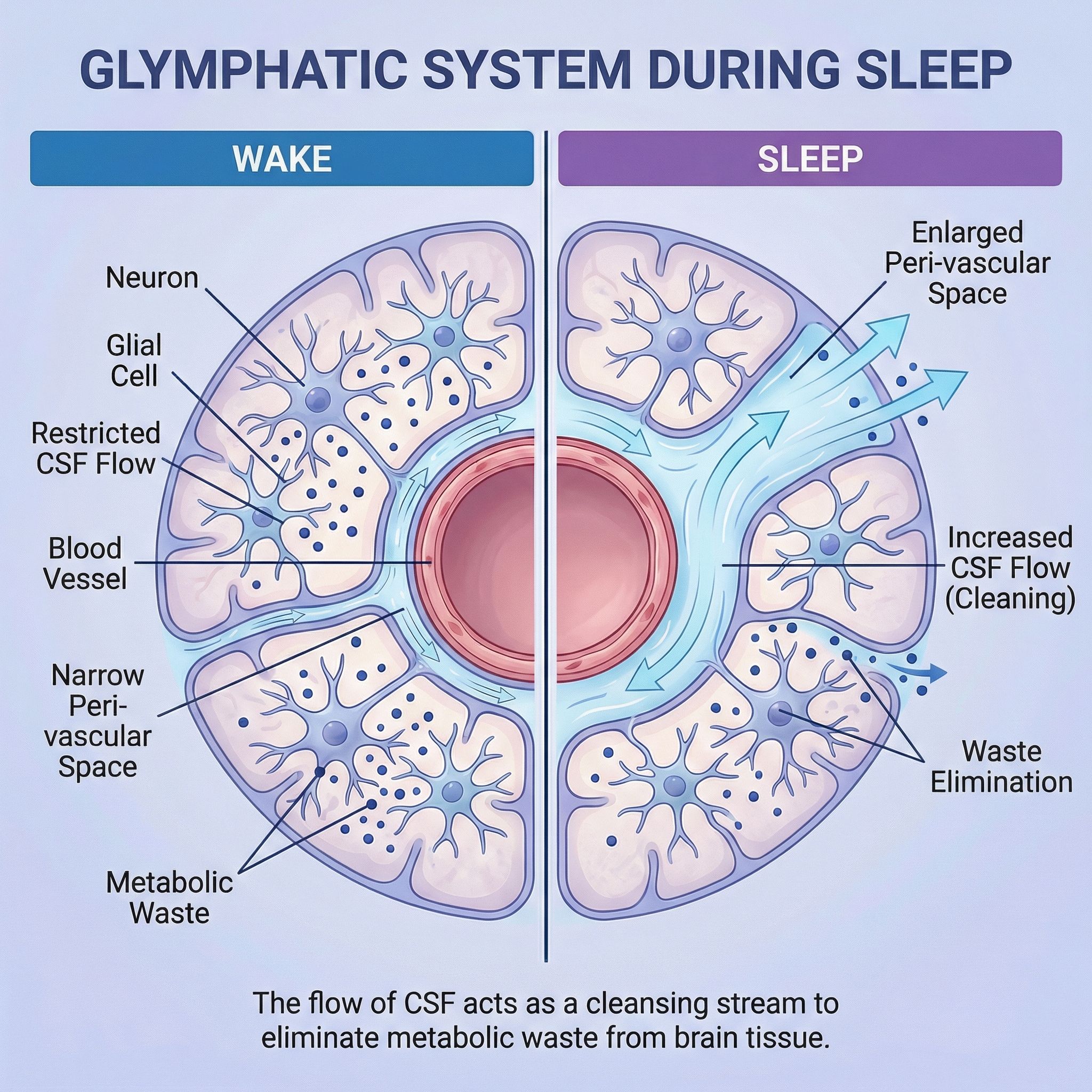
This is where the magic of the night truly happens. While you are resting, your brain is in full maintenance, sorting, and optimization mode. It isn't just "resting"; it is actively strengthening the neural connections you used during the day.
Research suggests that during sleep, the brain undergoes a process called "offline consolidation." It identifies the neural pathways that were activated during your practice sessions and "fires" them again, often at a much faster rate than when you were awake. It’s as if your brain is running a high-speed simulation of your practice, trimming away the errors and reinforcing the successes.
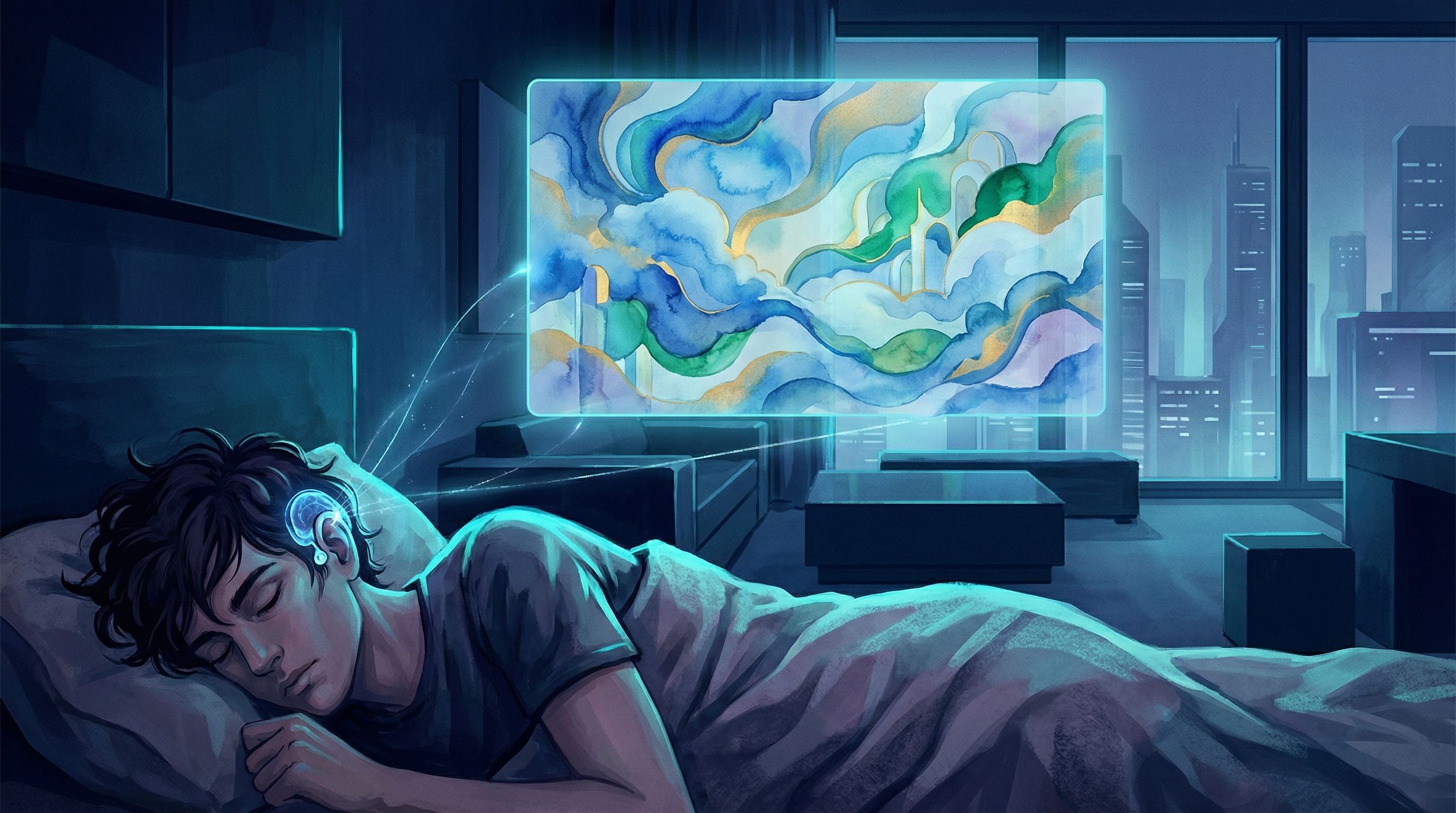
"I often see these patterns in the dreamscape—fragments of a melody or the ghost of a dance step repeating in the shadows, becoming clearer with every loop."
---
The Power of Mental Visualization
There is a bridge between your waking efforts and your nightly consolidation: mental visualization. You don't always need to move your muscles to train your brain.
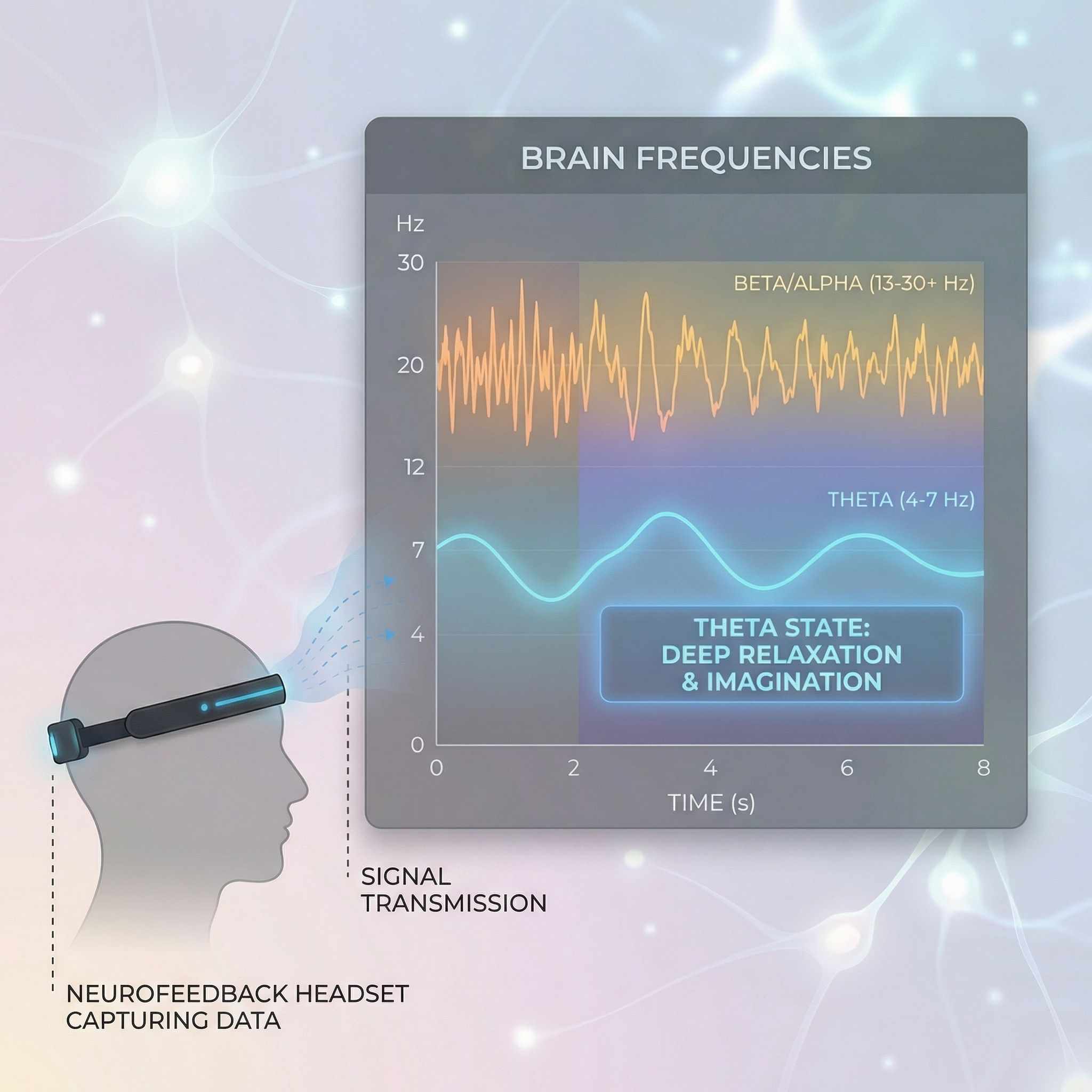
If you visualize yourself performing a gesture with perfect precision—feeling the weight, the rhythm, and the sensation—you are activating the same motor regions of your brain as if you were actually doing it. This is the beauty of neuroplasticity, the brain's ability to remodel itself based on experience, whether that experience is physical or imagined.
Some specialists in sports psychology have observed that athletes who combine physical practice with vivid mental visualization can see significant improvements. One often-cited study in the Journal of Sport & Exercise Psychology suggested that such visualization could accelerate performance gains by up to 20%.
When you visualize before bed, you are essentially giving your brain a "script" to work on during the night. You are telling your unconscious mind: "This is the pattern that matters. Refine this."
---
A Concrete Example: The Musician’s Night
Imagine you are learning a difficult passage on the guitar. During the day, you struggle with a specific chord transition. Your fingers feel clumsy, and your brain feels tired.
1. The Practice: You spend 30 minutes focusing intensely on that one transition. 2. The Visualization: Before you close your eyes for the night, you spend five minutes imagining your hand moving perfectly, feeling the strings, hearing the clean note. 3. The Sleep: As you enter NREM (Non-Rapid Eye Movement) sleep, your brain begins to replay those motor sequences. It strengthens the synapses between the neurons responsible for that movement. 4. The Result: You wake up, and although you haven't touched the guitar in eight hours, the transition feels 10% smoother. This is the "sleep gain"—a literal improvement in skill that happens only because you slept.
The more you sleep, the more cycles your brain has to perform this delicate work. If you cut your night short, you are essentially interrupting your brain's "save" and "optimize" process.
---
How to Ritualize Your Learning
If you want to use your nights to become better at what you love, you don't need expensive gadgets. You need intention and respect for your biology.
- Quality over Quantity: Focus on "Deep Practice." Thirty minutes of intense, mindful focus is worth more to your sleeping brain than three hours of distracted repetition.
- The Pre-Sleep Review: In the quiet moments before sleep, gently revisit your goal. Don't stress over it; simply visualize the "perfect version" of the skill you are building.
- Protect Your REM and Deep Sleep: These are the phases where memory consolidation is most active. Avoid alcohol or heavy screens late at night, as they fragment the very sleep architecture you need for learning.
- Listen to Your Dreams: Sometimes, your dreams will show you a different way to solve a problem. If you are stuck on a creative project, your unconscious might offer a metaphor that breaks the deadlock.
---
The Baku’s Perspective
I have spent a long time watching the way humans learn. It is never a straight line; it is a spiral that dips into the darkness of sleep every night to emerge higher the next morning. We often think of sleep as "lost time," but in reality, it is the most productive part of your day for your soul and your skills.
Directly "learning" a new language while you sleep might be a fantasy, but using sleep to cement your hard-won progress is a scientific reality. Your brain is your most loyal ally, working tirelessly in the silence to make you the person you want to be.
If you want to explore your dreams and their impact on your growth more in depth, your Baku is waiting for you.
Have you ever found yourself sitting at a wooden desk that feels too small, staring at an exam paper written in a language you cannot read? It is a common, exhausting trick of the night. We often talk about sleep learning as this beautiful, seamless integration, but your psyche is rarely that polite. Sometimes, it manifests as the sheer panic of dreaming of a student who has forgotten to attend class all semester. This is your mind digesting the weight of waking expectations, sorting through the fear that you aren't growing fast enough. When you wake up with your heart racing from these classroom nightmares, do not despair. Your sleeping mind isn't failing; it is merely scrubbing away the toxic buildup of daily pressure, preparing a clean slate for true, quiet wisdom to take root.
Honestly, it fatigues me to see how modern dreamers treat their sleep like a secondary night shift, trying to "hack" their subconscious for corporate efficiency. I once met a dreamer who kept a notebook of things to memorize right by her pillow, desperate to master financial codes while she slept. Her dreams became dry, crowded with numbers, stripped of all color. We forget that the most profound lessons of the night do not come from a syllabus. In older traditions, sleep learning was a sacred dialogue, a way to wander through dreaming of ancient ruins to retrieve lost, ancestral parts of oneself. Your mind does not need to be a hyper-efficient factory. Sometimes, the most important thing you learn in the dark is how to let go of the need to achieve, allowing the night to simply wash you clean.
I once met a dreamer who was haunted by nights spent in an infinite library, desperately trying to memorize ancient maps that dissolved the moment she touched them. She was in the middle of a sudden career collapse, feeling utterly unprepared for the blank canvas of her future. It is easy for traditional dream guides to label this as a mere anxiety dream, a simple fear of incompetence. How boring. To me, her nocturnal wandering was far more beautiful: her spirit was trying to find its footing as a perpetual student of change, digesting the painful loss of her old identity. When you dream of learning, your soul isn't just cramming for an exam; it is gently softening the sharp edges of your waking transitions. Sometimes, the lesson is simply learning how to let go of the syllabus you wrote for yourself.