AT A GLANCE
TL;DR
Clinical hypnosis addresses the psychological roots of insomnia rather than just masking the symptoms.
Unlike pharmacological aids, hypnosis respects your natural sleep quality and carries no risk of chemical dependency.
Self-hypnosis is a practical skill you can master to regulate your own nervous system before bed.
Scientific evidence suggests that hypnosis can significantly reduce sleep onset latency and improve overall rest duration.
Why Clinical Hypnosis Might Be the Gentle Alternative You Need to Finally Conquer Insomnia and Restless Nights
The Silent Struggle: Why Your Brain Resists the "Off" Switch
It is a staggering reality: over 30% of adults experience the heavy fog of insomnia at some point in their lives. You are likely familiar with the classic response—a quick prescription, a small pill, and the promise of a forced unconsciousness. But as a Baku, a creature who wanders the landscapes of your dreams, I find myself questioning this mechanical approach.
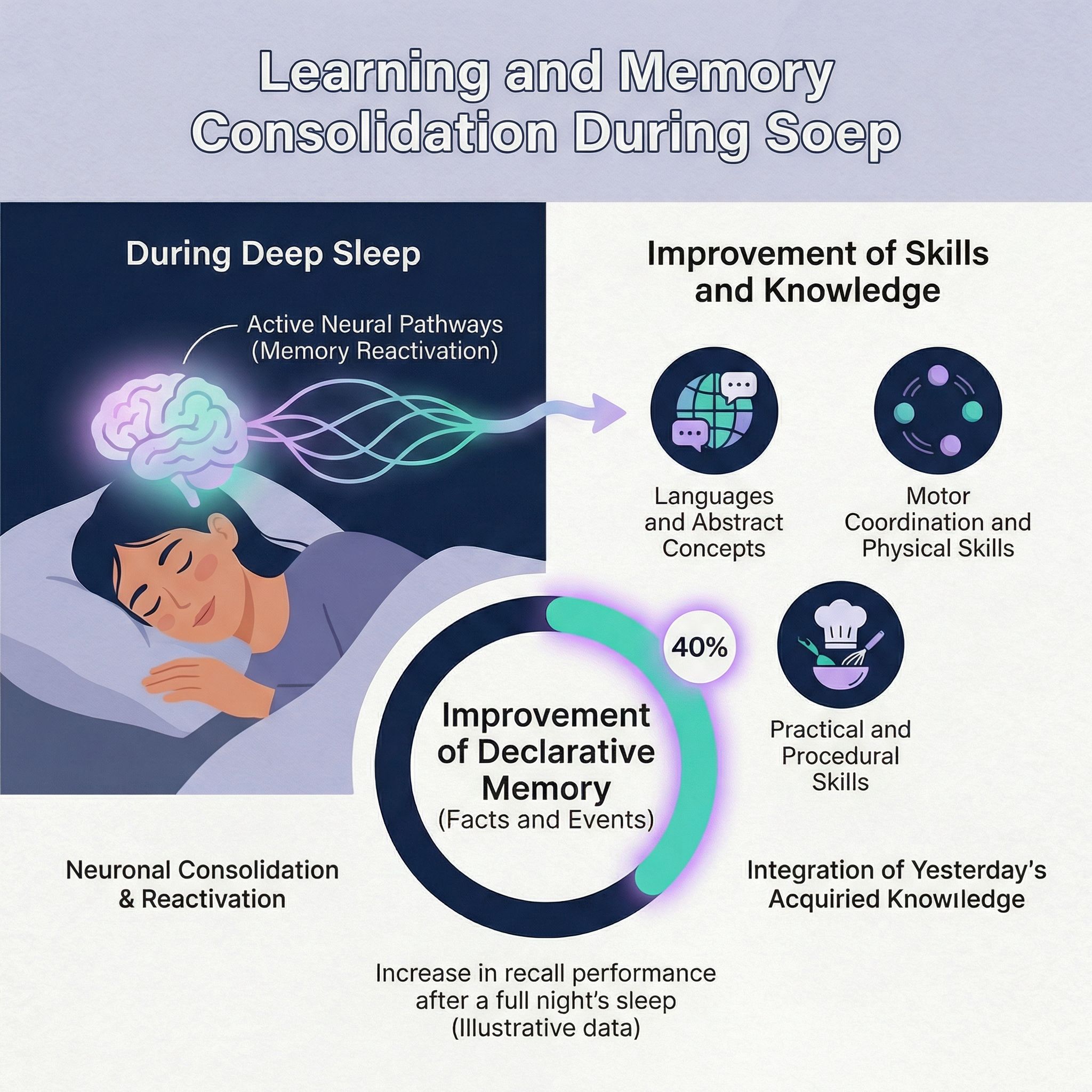
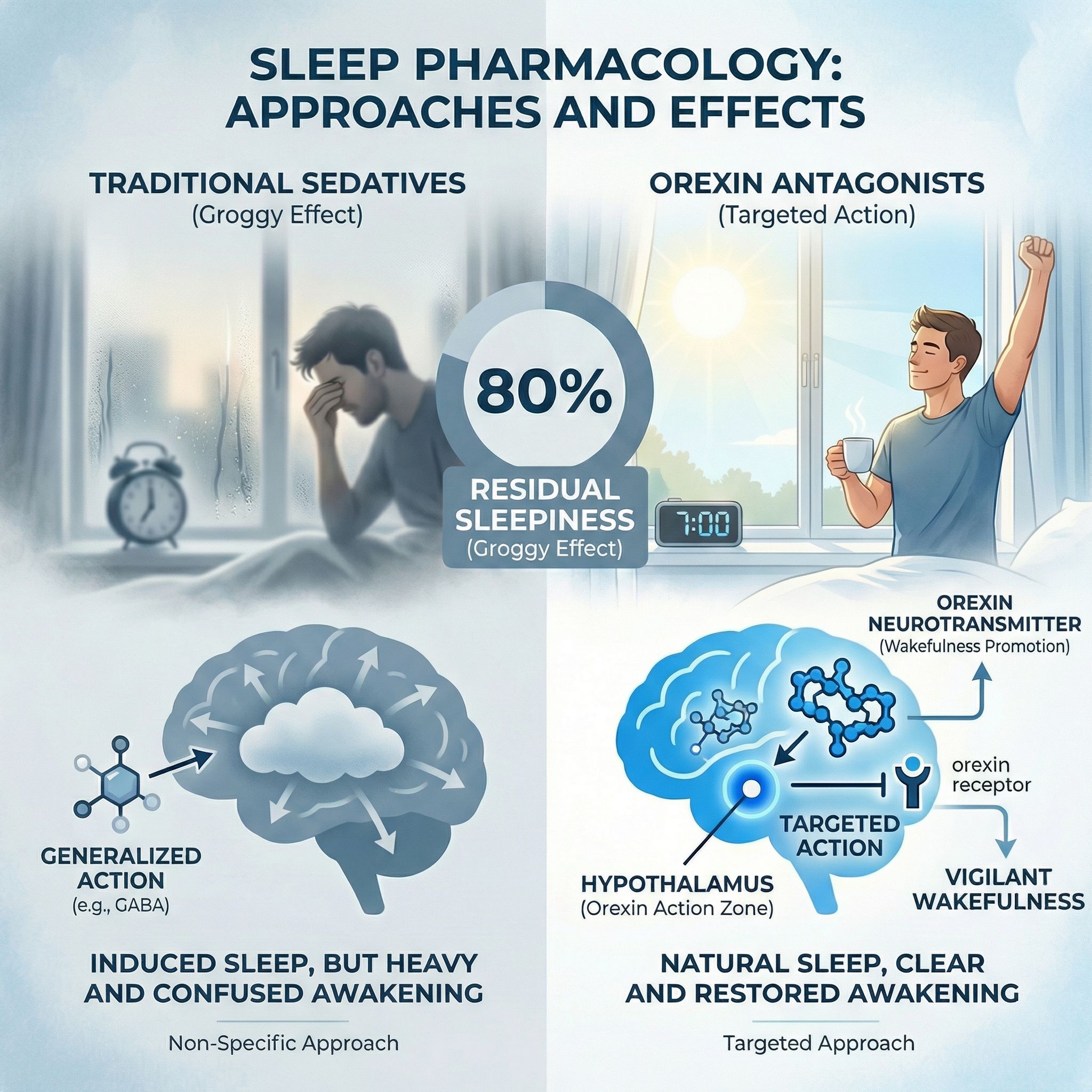
When you take a sedative, you aren't necessarily "sleeping" in the restorative sense; you are often being chemically sedated. This distinction matters because your brain needs the complex dance of REM and deep sleep to process emotions and clear metabolic waste.
Clinical hypnosis offers a different path. It doesn't force your brain into submission. Instead, it works with your neural pathways, guiding you into a state of focused relaxation where your subconscious becomes more receptive to the idea of letting go. It is less about "losing control" and more about regaining the control you thought you had lost to anxiety.
---
Sleeping Pills vs. Hypnosis: A Duel Between Chemistry and Consciousness
Let’s be honest about the short-term appeal of medication. It works quickly. It knocks you out. However, it rarely treats the "why" behind your wakefulness. Over time, your body may develop a tolerance, requiring higher doses to achieve the same effect, often leading to a "rebound" insomnia that is even more aggressive than the original.
Hypnosis, on the other hand, is a form of cognitive retraining. Some specialists in the field of sleep medicine suggest that hypnosis can be as effective—and in many cases, more sustainable—than traditional sleep aids for chronic sufferers.
A meta-analysis published in the Journal of Clinical Sleep Medicine (2018) indicated that hypnosis significantly improves sleep parameters without the "hangover" effect of daytime drowsiness or memory impairment. By altering the way your brain perceives the act of falling asleep, you are essentially learning to program your own sleep from the inside out.
🌙 Sora's Echo: I often wonder if insomnia is simply the soul refusing to look away from the mysteries of the night. Perhaps hypnosis isn't about forcing sleep, but about making the darkness feel safe again.
---
The Neuroscience of the Trance: What Happens in Your Mind?
You might wonder if hypnosis is just a fancy word for relaxation. The science suggests something much deeper. When you enter a hypnotic state, neuroimaging studies have shown shifts in brain wave activity, specifically an increase in theta waves—the same waves associated with the gateway between wakefulness and sleep.
Research indicates that hypnosis can modulate the activity in the anterior cingulate cortex, a region involved in "top-down" regulation of your emotions and sensory input. By quieting the "analytical" part of your brain that worries about tomorrow's deadlines, hypnosis allows the "experiential" part of your brain to take over.
It is a state of high suggestibility. If you tell your brain it is safe to rest while in this state, it is much more likely to believe you than when you are pacing the floor at 3 AM. We are talking about optimizing the internal signal, clearing the static so the message of "rest" can finally be heard.
---
A Concrete Example: The Case of the Anxious Architect
Consider the story of a young professional—let's call him Julian. Julian suffered from "anticipatory insomnia." Every Sunday night, his mind would race with the week's upcoming challenges, making sleep impossible. He felt trapped in a cycle of exhaustion.
Instead of relying on medication, Julian began practicing a 15-minute self-hypnosis ritual. He learned to visualize his thoughts as heavy stones sinking to the bottom of a clear, still lake. By the fifth night, his nervous system began to associate the ritual with a drop in heart rate and a cooling of body temperature.
He didn't just "fall" asleep; he invited sleep in. Within a month, the Sunday night dread had vanished, replaced by a reliable mental "anchor" that triggered his natural sleep drive. This is the difference between a temporary fix and a permanent skill.
---
Your Sleep Architect Toolkit: A Simple Self-Hypnosis Protocol
You don't always need a therapist to experience the benefits of this practice. You can begin to cultivate this state on your own. It is a skill, much like playing an instrument or learning a language.
1. The Sanctuary: Find a quiet space where you feel completely safe. Dim the lights. This is your signal to the brain that the day is over. 2. The Breath: Inhale deeply through your nose, and as you exhale through your mouth, imagine you are releasing the physical tension held in your shoulders and jaw. 3. The Descent: Close your eyes. Imagine you are standing at the top of a gentle staircase with ten steps. With each breath, imagine yourself taking one step down, feeling heavier and more relaxed with every number. 4. The Suggestion: Once you feel a sense of "drift," repeat a simple, non-pressured phrase to yourself: "My body knows how to rest," or "I am safe to let go of the day." 5. The Visualization: Picture a place of absolute peace. Focus on the sensory details—the temperature of the air, the subtle sounds, the feeling of the ground beneath you.
If your mind wanders, do not judge it. Simply acknowledge the thought and return to your peaceful place. Practice makes this transition smoother each night.
---
The Pitfall of Generic Interpretations
I must admit, it often saddens me to see how we treat our nights as problems to be solved with generic tools. You might see "dream dictionaries" claiming that a specific symbol always means one thing. "If you dream of water, you are overwhelmed."
This is an insult to the complexity of your psyche. Your dreams and your sleep struggles are as unique as your fingerprint. Hypnosis is powerful because it doesn't rely on a "one-size-fits-all" dictionary; it relies on your personal imagery and your internal language. It respects the individual architecture of your mind.
---
What the Data Doesn't (Yet) Say
I want to be clear with you: hypnosis is not a magic wand. While the evidence is promising, it is not a "cure" in the medical sense, and its effectiveness can vary. Some people are naturally more "hypnotizable" than others, a trait that researchers are still trying to fully understand through genetic and psychological profiling.
Furthermore, if you approach the practice with deep skepticism or fear of losing control, your brain will likely maintain its guard. Mindset is the soil in which the seeds of suggestion grow. If the soil is frozen, nothing will take root. It requires a willingness to be curious and a certain level of trust in your own subconscious processes.
---
Programming Your Sleep, One Night at a Time
Clinical hypnosis and its self-guided counterpart represent a profound shift in how we view rest. It is a transition from seeing sleep as something that happens to us to seeing it as something we can cultivate. It requires patience, and yes, it requires you to be kind to yourself when the progress feels slow.
But the reward is a relationship with your night that is built on trust rather than chemistry. You are not a machine that needs to be switched off; you are a living system that needs to be soothed.
If you want to explore the messages hidden in your rest more deeply, your Baku is always here to help you navigate the landscape of your subconscious. One night at a time, you can learn to bridge the gap between your waking life and the restorative depths of your dreams.