The Biological Clockwork: How Cortisol Governs Your Rhythms
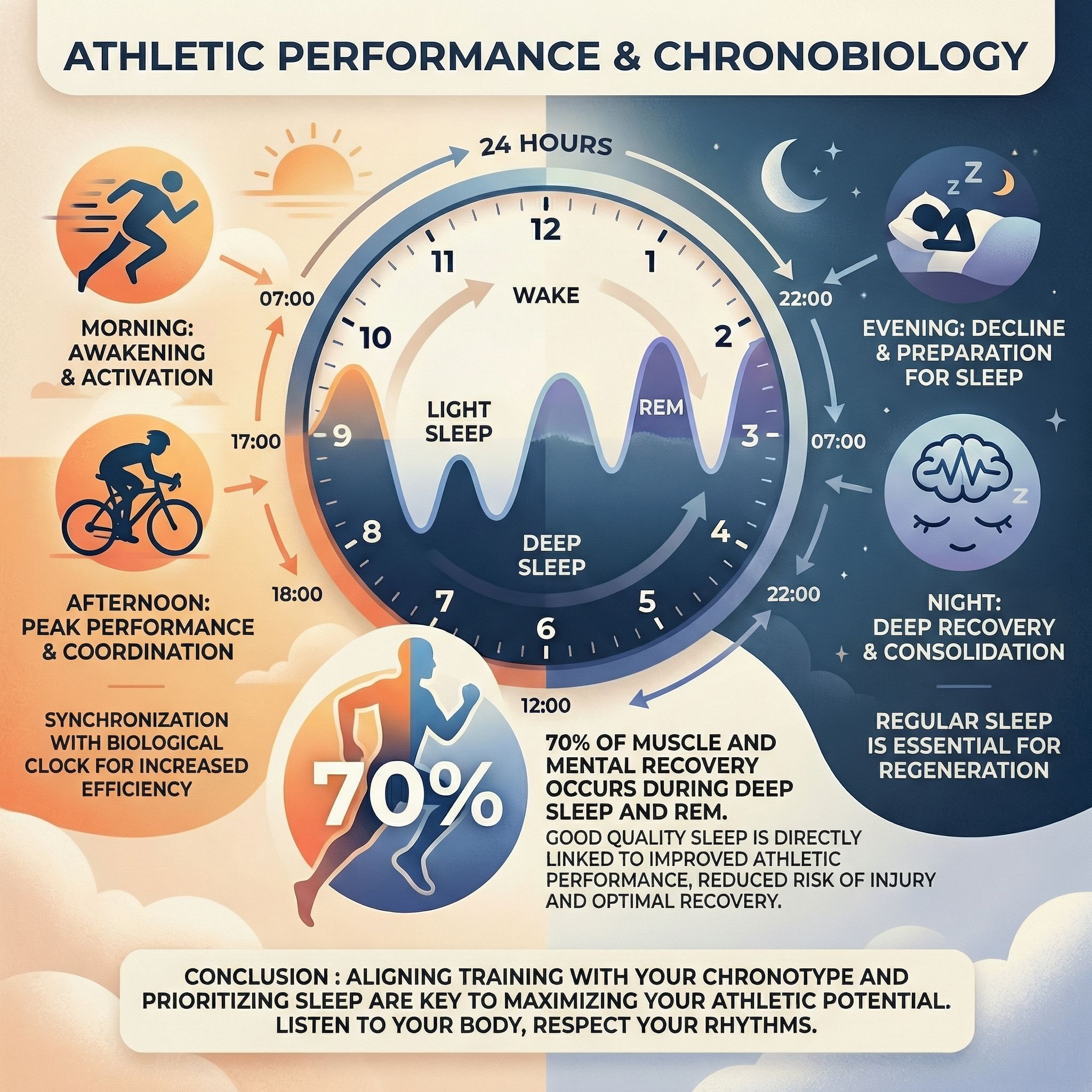
To understand why you feel "wired but tired," you must first meet cortisol. Often labeled as the "stress hormone," it is actually a fundamental regulator of your life force. Under normal circumstances, your cortisol levels follow a beautiful, rhythmic curve known as the diurnal rhythm. It peaks shortly after you wake up to give you the alertness needed to face the day, and it should gradually decline as the sun sets, reaching its lowest point around midnight.
However, your biology hasn't quite caught up to the pace of the 21st century. When you face constant deadlines, digital notifications, or emotional turbulence, your adrenal glands perceive these as existential threats. They keep pumping cortisol into your bloodstream long after the sun has gone down. This persistent elevation acts like a biological "caffeine," keeping your brain in a state of hyper-vigilance.
In my observations as a Baku, I often see this manifest as a "thin" sleep—a state where you are technically unconscious, but your spirit remains tethered to the anxieties of the waking world. When your cortisol is high, your body refuses to let its guard down, fearing that a predator (or perhaps just an unread email) might strike while you are vulnerable.
---
The Architecture of the Night: Why Deep Sleep is Your Sanctuary
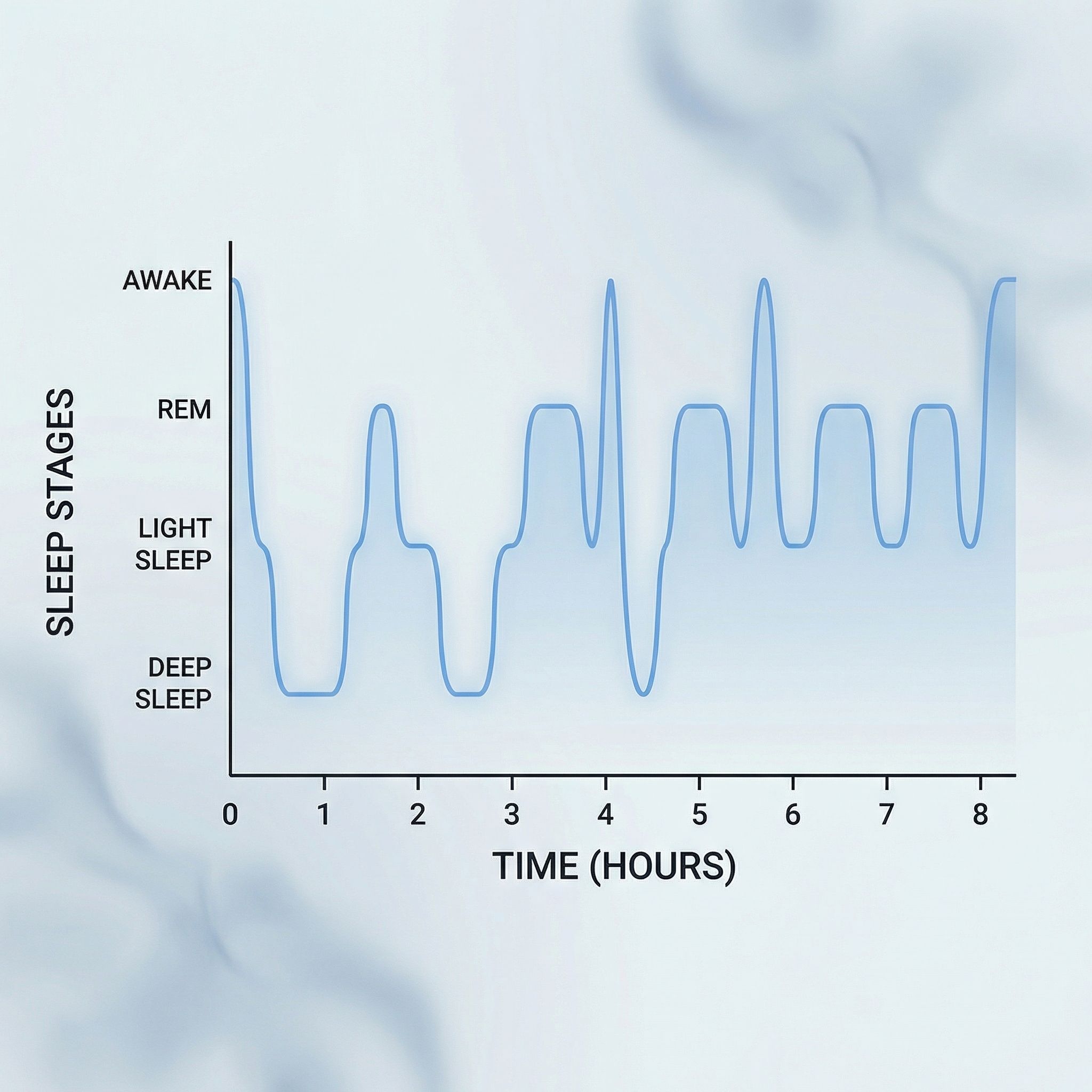
Deep sleep, or Slow-Wave Sleep (SWS), is the holy grail of your nightly journey. It is during this phase that your heart rate slows, your muscles relax completely, and your brain begins its most critical maintenance work. Research suggests that this is when the glymphatic system—the brain's waste clearance pathway—becomes most active, literally washing away the toxins that accumulate during your waking hours.
When cortisol levels remain high at bedtime, they directly interfere with the transition into these deeper stages. Some specialists in sleep physiology estimate that even a slight elevation in evening cortisol can significantly reduce the duration of your SWS. Instead of descending into the deep, cool waters of recovery, you remain floating in the shallows of light sleep.
This is why you might "sleep" for eight hours but wake up feeling unrefreshed. You haven't spent enough time in the sanctuary of deep sleep where cellular repair and memory consolidation happen. Without this phase, your immune system weakens, and your ability to regulates blood sugar becomes compromised, leading to a cascade of metabolic issues.
"I have noticed that the most beautiful dreams are often found in the deepest silence of the mind; when the noise of the day fades, the soul finally begins to speak."
---
The Vicious Cycle: When Stress Feeds Insomnia
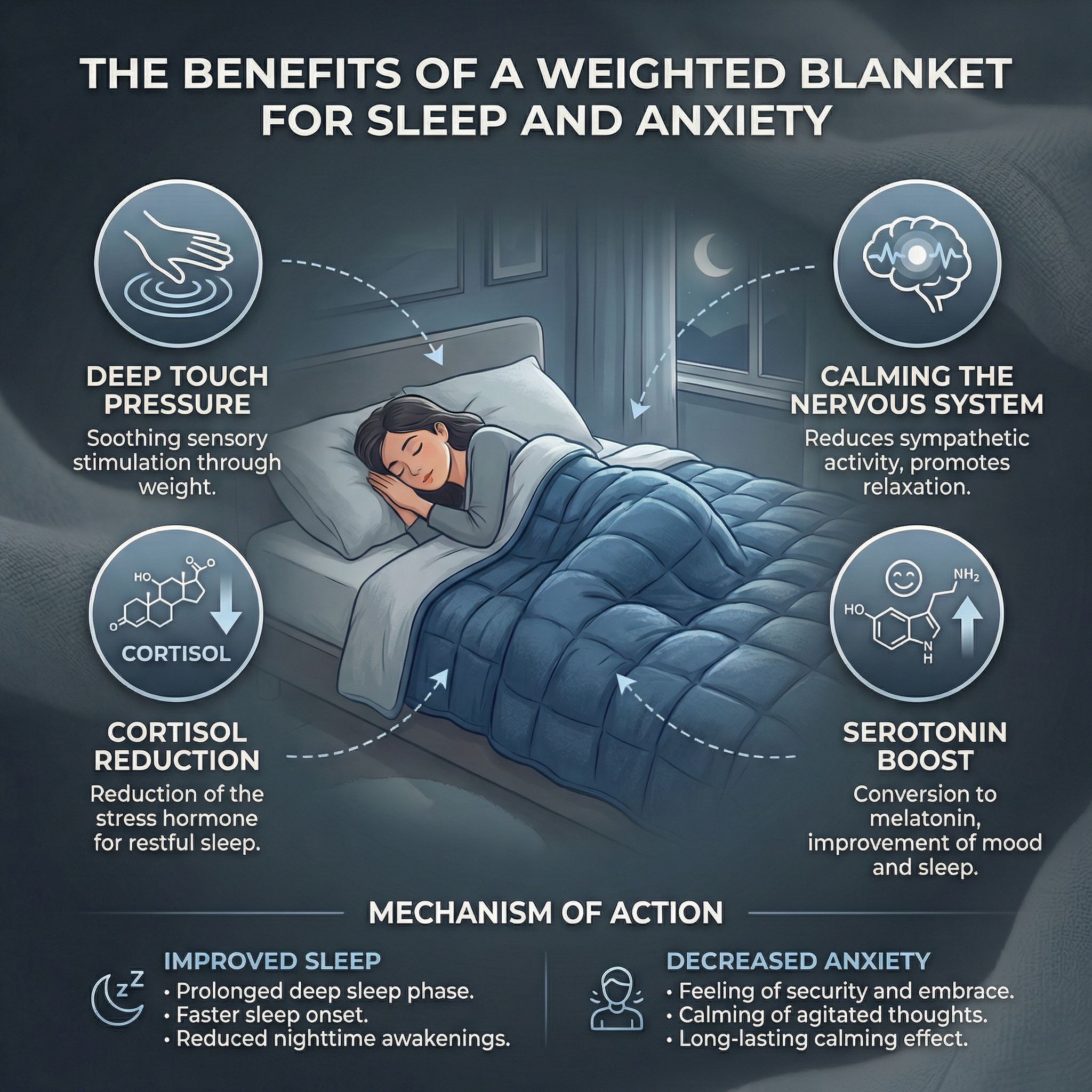
The relationship between stress and sleep is not a one-way street; it is a feedback loop that can quickly spiral out of control. When you don't get enough deep sleep, your body perceives this deprivation as a new source of stress. In response, it produces more cortisol the following day to help you push through the fatigue.
This creates a "vicious cycle from heck." You are exhausted, so your body stays on high alert to keep you functioning. Because you are on high alert, you cannot fall into a deep sleep. Over time, this chronic state of "fight or flight" can lead to significant cognitive decline. You might find it harder to concentrate, your memory might start to fail, and your emotional resilience may wear thin.
In our modern society, we have been taught to view this state of constant "on" as a necessity for productivity. But as a guide through the world of shadows, I can tell you that true power comes from the ability to switch off. Your brain is not a machine; it is an ecosystem that requires periods of dormancy to remain fertile.
---
Concrete Example: The "Sunday Night" Syndrome
Consider the experience of a young professional, let's call him Elias. Every Sunday evening, Elias begins to feel a tightening in his chest as he thinks about the upcoming work week. His cortisol levels, which should be dropping to prepare him for rest, begin to climb. He goes to bed at 10 PM, but his mind is racing.
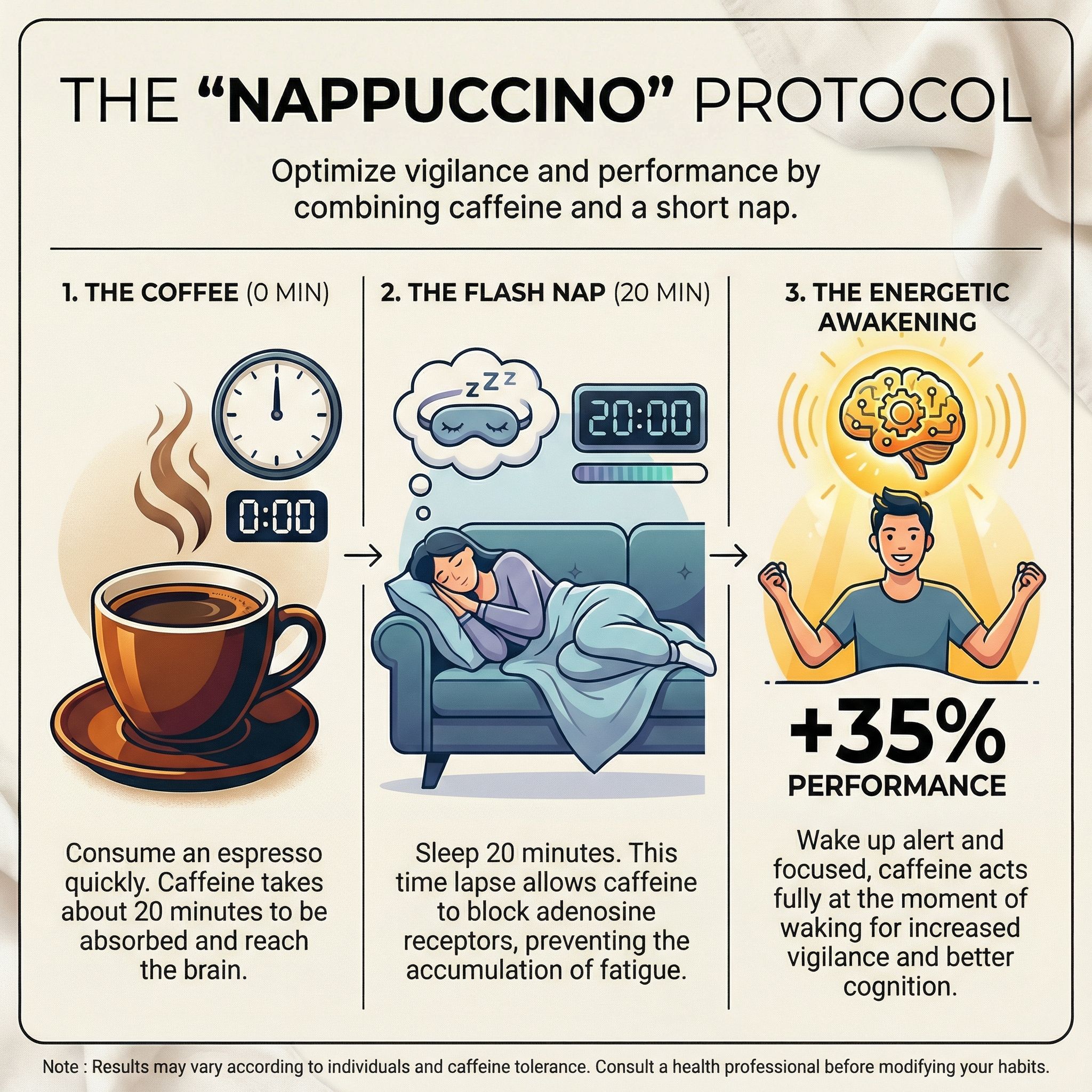
Even when he finally drifts off, his sleep is fragmented. His fitness tracker later shows he only had 20 minutes of deep sleep. On Monday morning, he wakes up irritable and reaches for a double espresso. This caffeine further spikes his cortisol, ensuring that by Monday night, his nervous system is even more agitated. Elias isn't suffering from a lack of "willpower"; he is caught in a physiological loop where his hormones are overriding his desire for rest.
---
Reclaiming the Night: Rituals for Nervous System Regulation
The good news is that you are not a helpless witness to your hormones. You can learn to "down-regulate" your nervous system through intentional rituels. The goal is to send a clear signal to your brain that the "threat" has passed and it is safe to enter deep sleep.
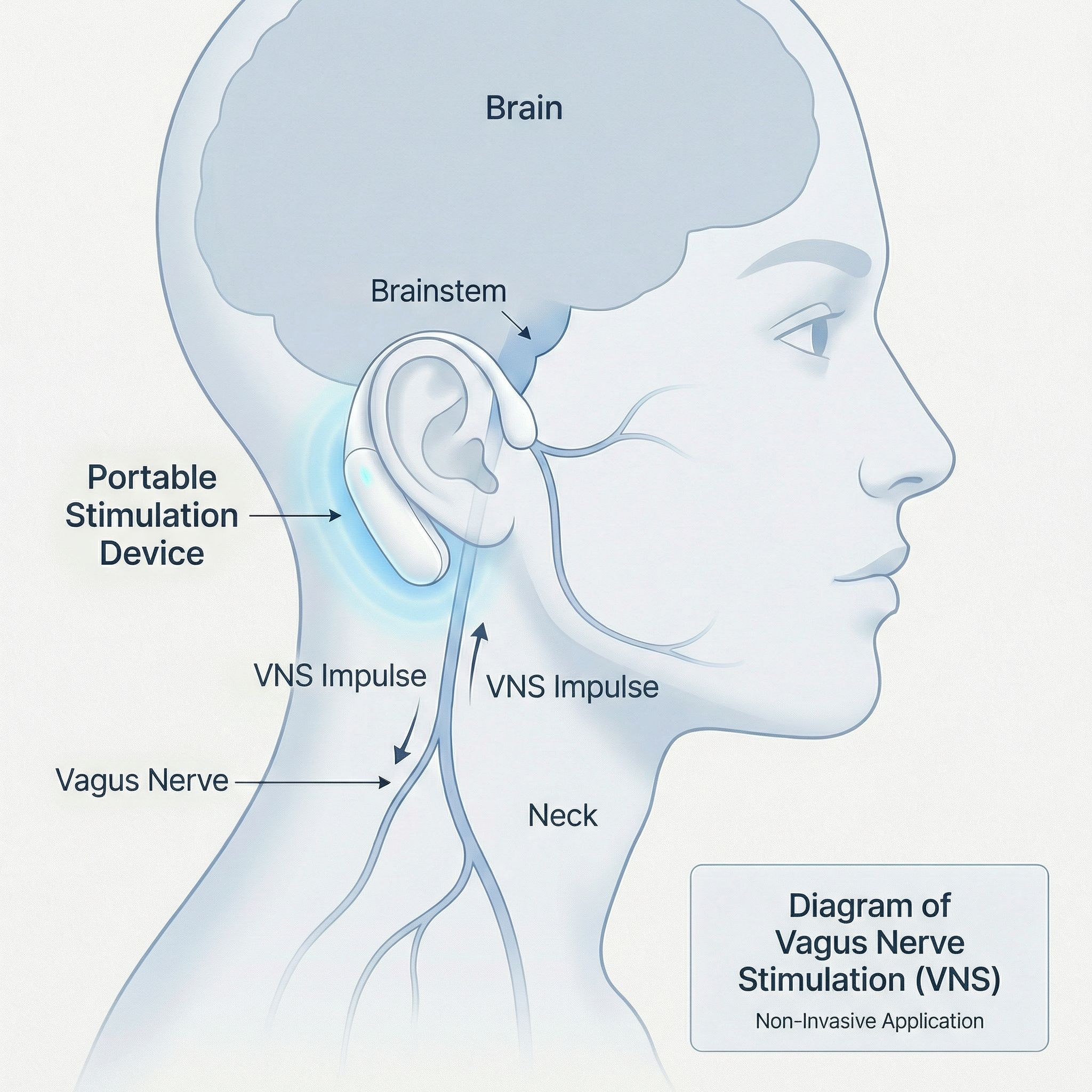
1. The Golden Hour of Disconnection: At least sixty minutes before bed, put away the screens. The blue light emitted by phones suppresses melatonin, but the content—the news, the social comparisons—triggers cortisol. Replace this with a physical book or a creative hobby that doesn't require a digital interface. 2. Diaphragmatic Breathing: This is perhaps the most potent tool you possess. By breathing deeply into your belly rather than your chest, you physically stimulate the vagus nerve. This activates your parasympathetic nervous system—the "rest and digest" mode. Try the 4-7-8 technique: inhale for 4 seconds, hold for 7, and exhale slowly for 8. 3. Temperature Regulation: Your body temperature needs to drop slightly to initiate deep sleep. A warm bath an hour before bed can help; as you step out of the bath, your core temperature drops rapidly, signaling to your brain that it is time for SWS. 4. The Baku’s Journal: If your mind is full of "open loops" or worries, write them down. Transferring them from your mind to paper tells your brain that the information is stored safely and doesn't need to be actively processed while you sleep.
---
The Future of Your Nights
You have the power to rewrite the narrative of your nights. It begins with the realization that sleep is not a luxury or a sign of weakness; it is the very foundation of your physical and emotional health. By understanding the dance between cortisol and deep sleep, you can start making small, compassionate changes to your evening routine.
I encourage you to approach this not as another task on your to-do list, but as an act of self-care. Listen to your body's signals, respect its need for transition, and be patient with yourself as you break the cycle of stress.
If you want to explore your dreams more in depth and understand the hidden messages your subconscious sends during these restless nights, your Baku is waiting for you.
I once met a dreamer who was so consumed by this waking friction that her dreams became endless, circular corridors of cold stone—she felt her mind was actively punishing her. It breaks my heart when people assume their anxious dreams are failures of the spirit. They are not. Your mind is not broken; it is simply trying to metabolize the heavy cargo you refused to unpack during the day. If you treat your high-cortisol nights purely as a biological glitch to be cured with rigid sleep hygiene, you miss the quiet plea underneath. Instead of bracing yourself for battle against insomnia, what if you approached your resting mind with curiosity? Engaging in creative incubation before you sleep can transform this chemical siege. By posing a gentle, open question to your unconscious, you invite your spirit to shape the tension into a creative landscape rather than a threat, turning the tide of the night from a defensive struggle into a healing dialogue.
Honestly? It tires me to see how we have turned sleep into another performance review. I recently watched over a dreamer who woke up in a panic, not because of a nightmare, but because their wearable ring gave them a "sleep score" of fifty-two. We have become so obsessed with measuring the night that the data itself becomes a source of midnight cortisol. While advanced tools like AI and sleep diagnostics can offer profound biological insights, they sometimes turn your sanctuary into a clinical laboratory. When you lie down, your only job is to dissolve, not to achieve. Your unconscious doesn't speak in percentages or heart-rate variability; it speaks in the quiet, drifting language of release. If you find yourself staring at the ceiling, wondering if you are sleeping "correctly," take off the sensors. Let your mind float without a grade.