The Paradox of the Tired Athlete
It might surprise you to learn that nearly 70% of high-level athletes report significant sleep disturbances. You would think that those who push their bodies the hardest would have the easiest time falling into a deep slumber, but the reality is far more complex. As a Baku, I often see the dreams of those who overextend themselves; their nights are frequently filled with "stress dreams" or fragmented sequences that mirror their physical exhaustion.
The simple equation of "more sport equals better sleep" is a myth that needs to be dismantled. While regular physical activity is one of the most powerful tools you have for regulating your biological rhythms, it is a double-edged sword. If you use it without respecting your body's natural timing, you risk disrupting the very recovery you are trying to achieve.
Research suggests that the relationship between exercise and sleep is bidirectional. Good sleep improves your performance and motivation, while the right kind of movement deepens your slow-wave sleep—the stage where your body repairs its tissues and your brain flushes out metabolic waste. However, when the intensity is too high or the timing is too late, you are essentially sending a "wake-up" signal to a system that is trying to shut down.
---
The Thermal Dance: Why Heat is the Enemy of Sleep
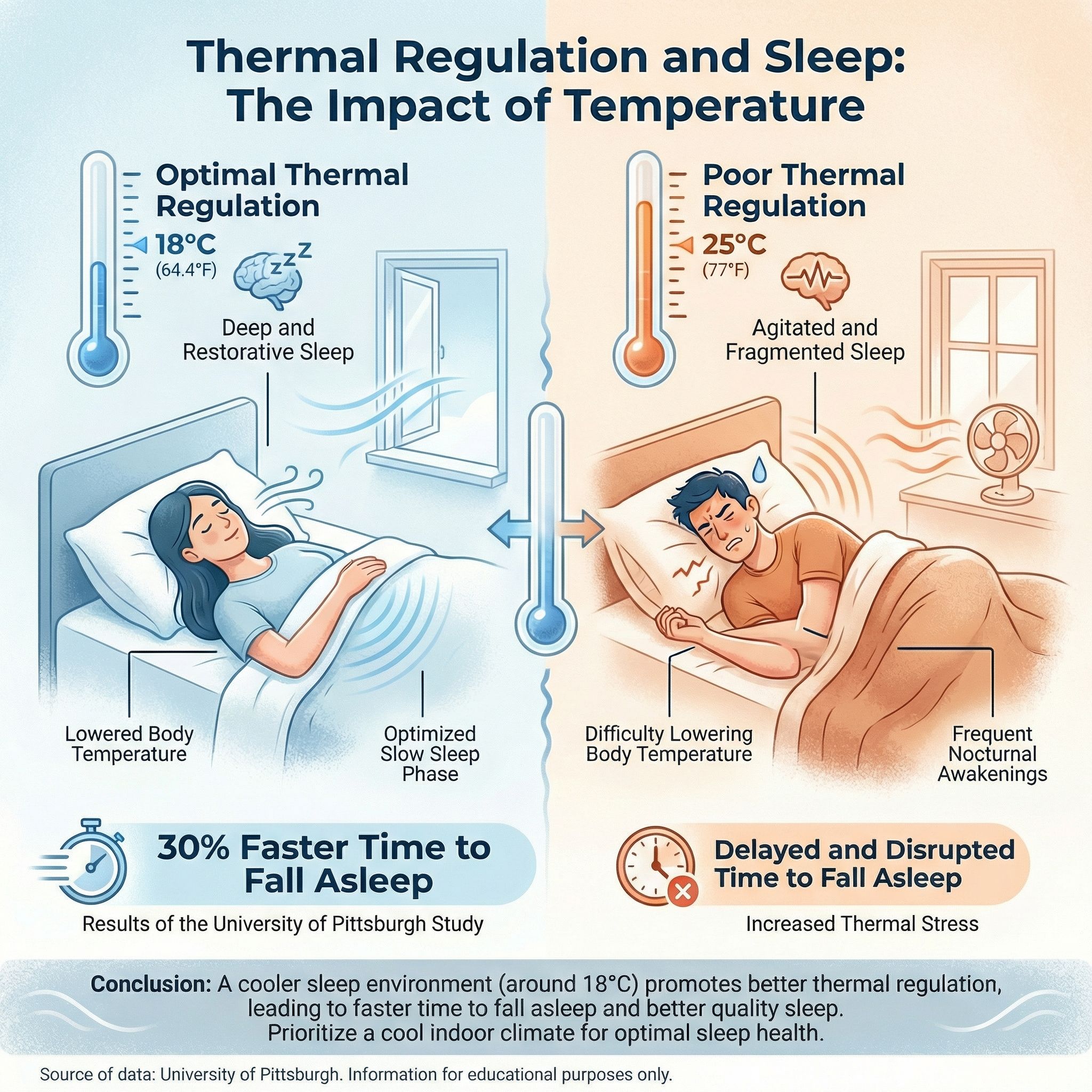
To understand why your late-night gym session might be keeping you awake, you have to look at your internal thermostat. Your body temperature follows a strict circadian rhythm: it rises during the day to keep you alert and begins to drop in the evening to prepare you for rest. This drop in core temperature is one of the primary triggers for the release of melatonin, the hormone that signals to your brain that it is time to sleep.
When you engage in intense exercise, your core temperature can rise by a full degree or more. While this is healthy during the day, doing it too close to bedtime creates a physiological conflict. Your brain wants to cool down to initiate the sleep cycle, but your body is still radiating heat from your workout.
"I often think of the body as a hearth. If the fire is roaring too late into the night, the house remains too warm for the quiet, cool stillness that dreams require to take root."
This mismatch can significantly increase your sleep latency—the time it takes for you to transition from wakefulness to sleep. Some specialists in sleep medicine suggest that this thermal delay is the single biggest reason why evening athletes struggle to find rest. You aren't just "wound up" mentally; you are physically too hot to sleep.
---
The Hormonal Afterglow: Adrenaline vs. Melatonin
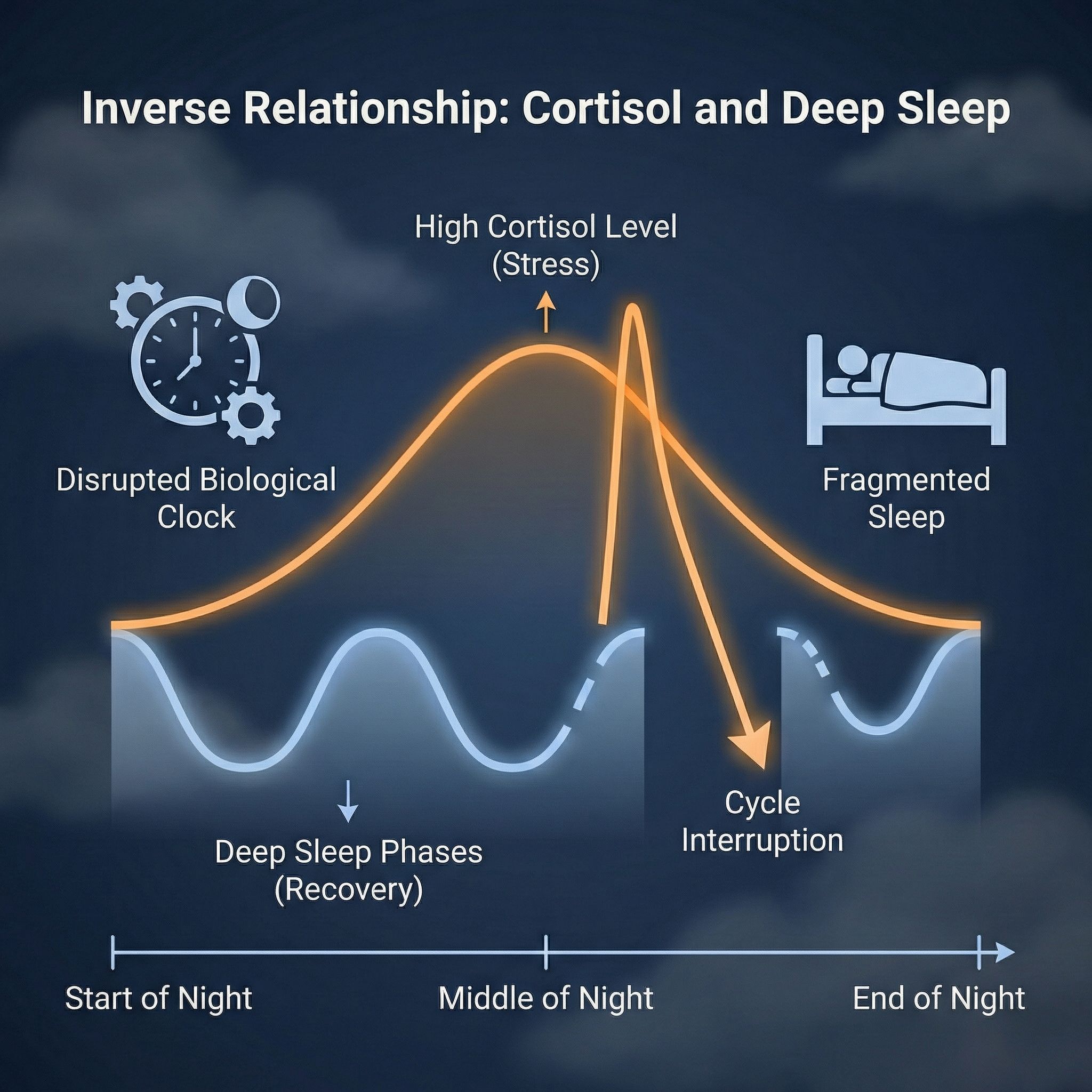
Beyond temperature, there is the matter of your nervous system. Exercise is a controlled form of stress. It activates your sympathetic nervous system—the "fight or flight" mechanism—releasing adrenaline and cortisol into your bloodstream. These hormones are wonderful for helping you hit a new personal record, but they are the natural enemies of the parasympathetic state required for sleep.
If you finish a high-intensity interval training (HIIT) session at 9:00 PM and expect to be asleep by 11:00 PM, you are asking your body to perform a near-impossible chemical pivot. Cortisol levels don't just vanish the moment you stop moving; they linger, keeping your heart rate slightly elevated and your mind in a state of "vigilance."
This is why you might find your mind racing after an evening workout. It isn't necessarily that you are worried about something; it's simply that your biology is still convinced there is a challenge to be met. You are effectively trying to park a car while the engine is still revving at redline.
---
Finding Your Golden Hour: A Guide to Timing
So, when should you move? While everyone has a unique chronotype, some general principles can help you navigate your schedule:
1. The Morning Surge: Exercising in the morning, especially outdoors, is the gold standard for sleep health. The combination of physical exertion and exposure to natural light helps "set" your internal clock, making you more likely to feel tired at the same time every evening. 2. The Afternoon Peak: For many, physical performance peaks in the late afternoon (between 4:00 PM and 6:00 PM). This is often the ideal compromise, as it allows for peak strength while giving your body plenty of time to cool down before nightfall. 3. The Evening Grace Period: If you must exercise in the evening, try to keep it low-impact. Yoga, stretching, or a leisurely walk can actually aid sleep by helping you decompress without spiking your core temperature or adrenaline.
If you find that your only window for exercise is late at night, pay close attention to your recovery. A lukewarm (not freezing) shower after your workout can help encourage the blood flow to your skin, which paradoxically helps your core temperature drop faster.
---
Concrete Example: The Marathon Runner’s Dilemma
Consider the case of a dedicated runner training for a marathon while working a demanding 9-to-5 job. Often, their only time for a long run is in the evening. Initially, they might find themselves finishing a 15km run at 8:30 PM, eating a heavy meal, and then lying in bed with "restless legs" and a racing heart until 2:00 AM.
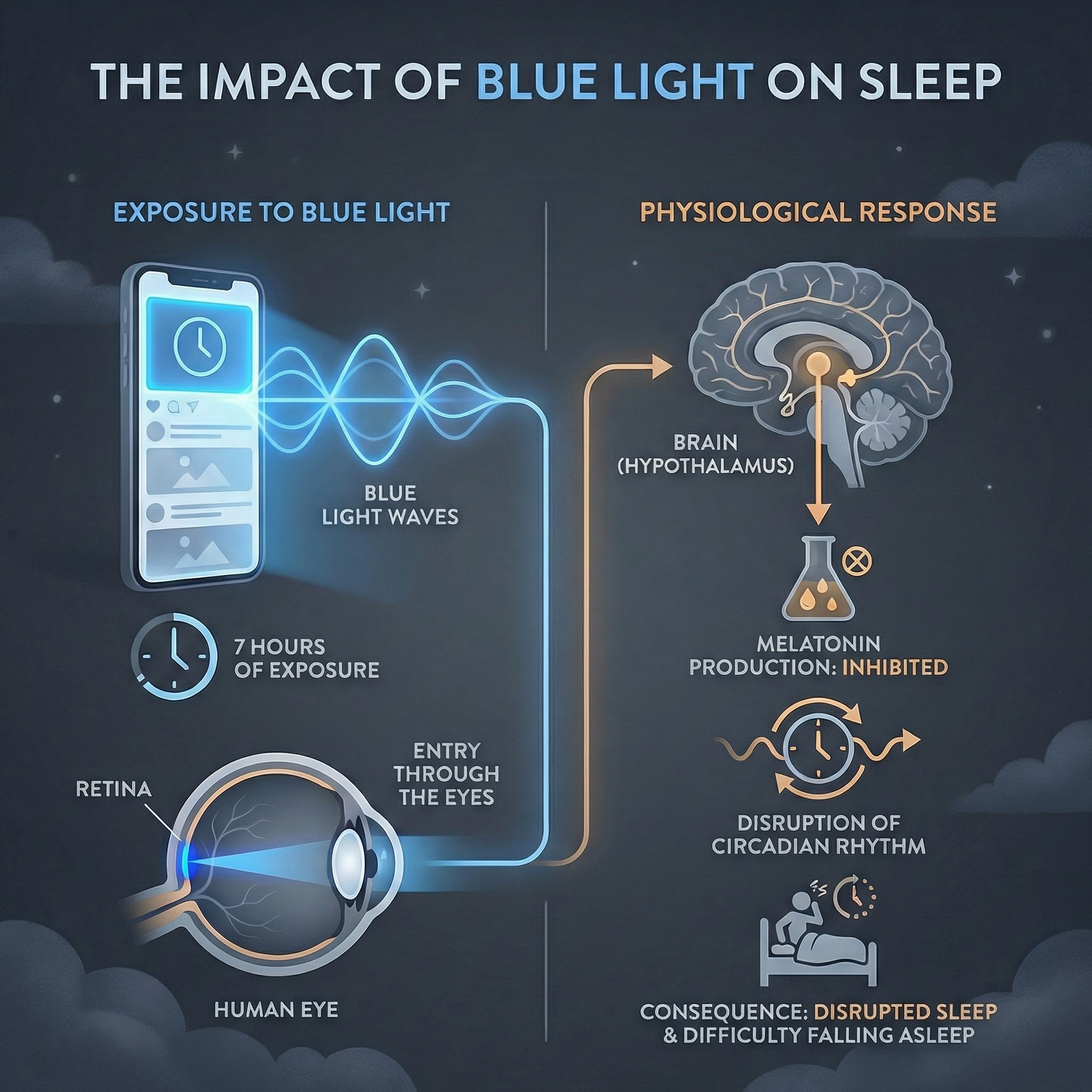
To fix this, the runner shifts their high-intensity "speed work" to Tuesday mornings and reserves their evening slots for "recovery runs" at a much lower heart rate. On the evenings they do run, they implement a strict "cool down" ritual: a 15-minute meditative stretch, a light carbohydrate-rich snack to replenish glycogen without taxing digestion, and the use of blue-light blocking glasses to ensure melatonin production isn't further suppressed by screens after the workout. Within two weeks, their sleep latency usually drops significantly.
---
The Baku’s Perspective on Rest
In my wanderings through the dreamscapes, I have noticed that the most vivid and peaceful dreams belong to those who treat their transition to sleep as a sacred ritual. Your body is not a machine that can be switched off with a button. It is an organic system that requires a slow, gentle descent into the dark.
I do not run marathons or lift heavy weights; my work is in the quiet observation of the mind. But I know that when you honor your body's need for stillness, you open the door for me to take away the fragments of your daily stress, leaving you with a clear space for the morning to come.
If you find yourself struggling to understand the patterns of your own nights, or if you wonder how your daily habits are weaving themselves into your dreams, perhaps it is time to look closer at the data of your rest.
---
Have you ever found yourself in a dream where you are desperately trying to run, but your legs feel like heavy columns of stone, sunk deep into wet clay? I see this specific struggle so often in the minds of those who push their physical limits too late into the evening. It is a fascinating, slightly tragic sensory translation: your physical muscles are crying out for repair, temporarily paralyzed by sleep, while your overheated brain is still firing commands to move. There is a profound wisdom in this paralysis, a boundary your body sets to keep you safe. But when you artificially heat your internal engine right before bed, you disrupt the delicate science of cooling down that your brain relies on to initiate deep, restorative rest. You aren't just struggling to fall asleep; you are forcing your spirit to run a marathon in a room that is metaphorically on fire.
Sometimes, you aren't even the one exercising in your waking life, yet you spend your entire night running from an invisible hunter or climbing endless, crumbling mountains in your dreams. I once watched over a dreamer who woke up drenched in sweat, convinced they had run a literal marathon in their sleep. They blamed a stressful workweek, but the truth was far simpler, and perhaps more poetic: their bedroom was simply too warm. When your external environment prevents your core from cooling, your subconscious translates this physical stifling into a dream of exhausting labor. It is a beautifully clumsy translation of biological thermoregulation by a mind trying to make sense of its own physical discomfort. We often seek complex psychological explanations for our nocturnal struggles, but sometimes, your soul is just hot, pleading for a cool breeze so it can finally stop running.