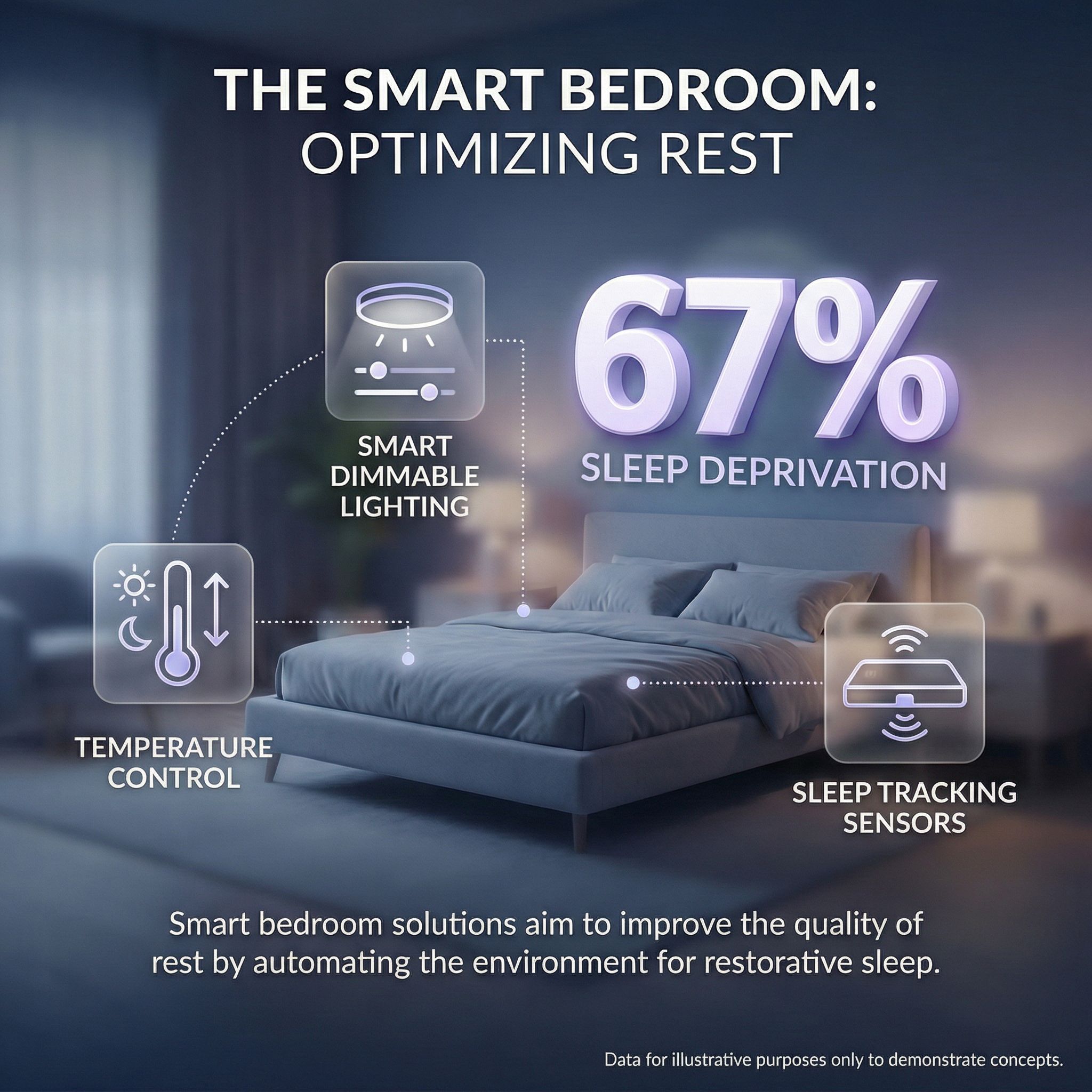
AT A GLANCE
TL;DR
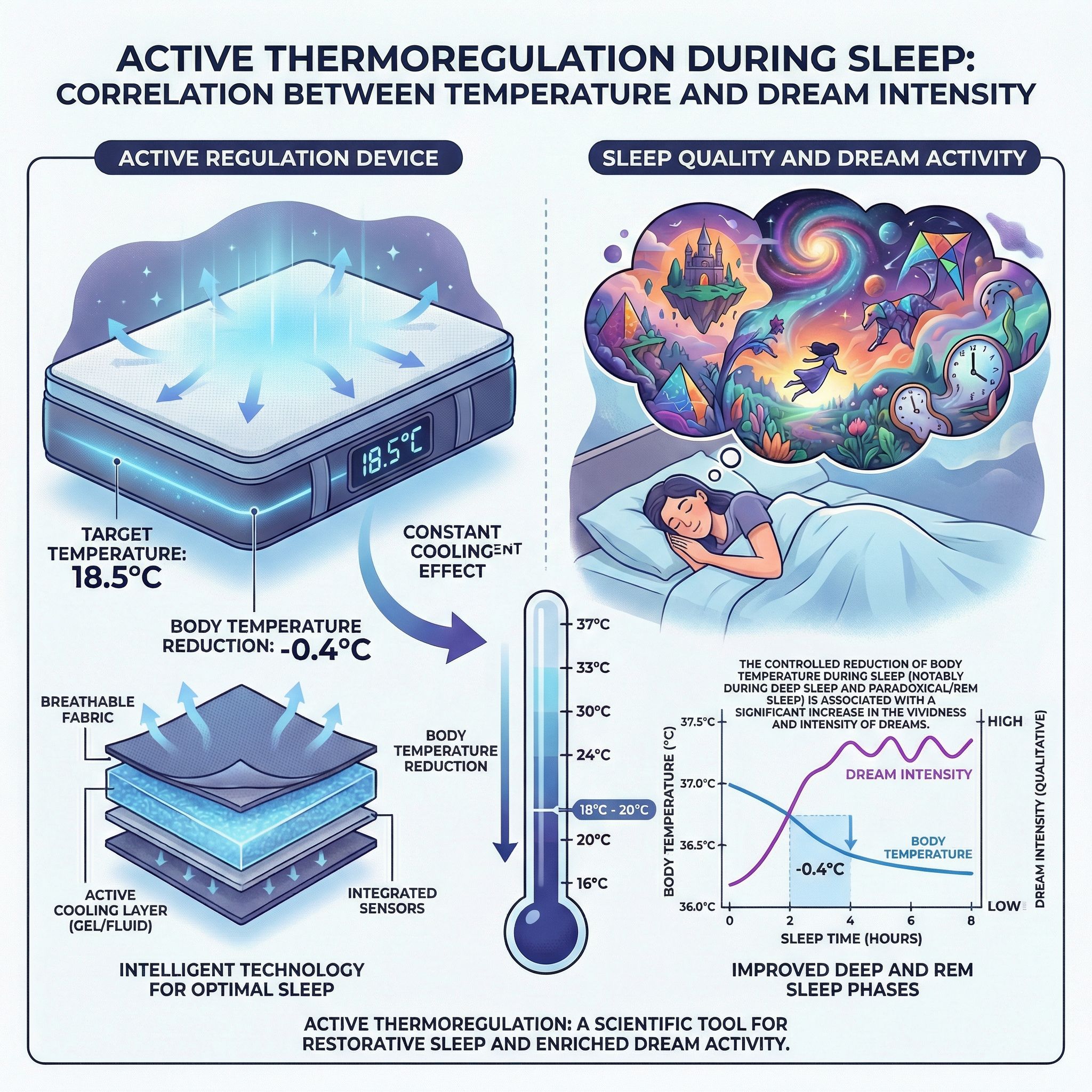
Your body must drop its core temperature by about 1°C to trigger the sleep cycle.
18°C (64°F) is the scientifically recognized "sweet spot" for optimal thermal regulation.
High ambient temperatures are directly linked to a decrease in REM sleep quality.
Simple rituals, like wearing socks or taking a lukewarm bath, paradoxically help your core cool down.
Why Your Body Needs Exactly 18 Degrees to Unlock Deep and Restful Sleep
The Internal Thermostat: A Silent Conductor
Tu might think of your bedroom temperature as a matter of simple comfort, but for your brain, it is a critical biological signal. Your body is not a static machine; it follows a circadian rhythm—a 24-hour internal clock that dictates when you feel alert and when you drift away.
At the heart of this process lies the hypothalamus. This small but powerful region of your brain acts as a command center, regulating everything from your hunger to your nocturnal cycle. As evening approaches, the hypothalamus signals your body to begin shedding heat.
This cooling process is essential. If your core temperature doesn't drop, your brain struggles to release melatonin, the hormone that whispers to your system that it is time to rest. It is a delicate dance: as your core cools, your hands and feet often get warmer. This is called distal vasodilation—your body is pushing heat to your extremities to let it escape into the air.
"I often see dreamers struggling with "hot" dreams—vivid, chaotic, and exhausting. Often, it is not the mind that is troubled, but the body that is simply too warm to find peace."
---
Why 18°C (64°F) is the Magic Number
You might wonder why scientists and sleep specialists often settle on this specific number. It isn't an arbitrary choice; it is based on the physiological requirements of the human body during rest.
Research suggests that an ambient temperature between 16°C and 19°C (61°F to 66°F) provides the most supportive environment for this natural cooling. When your room is set to 18°C, you are essentially providing a "heat sink" for your body. The air is cool enough to absorb the heat your skin is radiating, but not so cold that it triggers a stress response.
If your room is too hot—exceeding 24°C (75°F)—the cooling process stalls. Your heart rate may stay slightly elevated, and your brain may struggle to enter the deeper stages of sleep. Some specialists estimate that a cool environment can reduce the time it takes to fall asleep by up to 30%.
Conversely, if the room is too cold, your body might react by shivering or constricting your blood vessels to save heat. This tension is the enemy of relaxation. Finding that 18°C balance is about creating a sanctuary where your biology can surrender without a fight.
---
The Paradox of Warmth: Using Heat to Cool Down
It sounds counterintuitive, doesn't it? To cool your core, you might sometimes need to apply warmth to your skin. This is one of the most fascinating aspects of human thermoregulation process.
Consider the "warm bath" effect. When you take a lukewarm or slightly warm bath an hour before bed, the heat brings blood to the surface of your skin. Once you step out of the water, that blood is exposed to the cooler air, causing your core temperature to plummet rapidly. This rapid drop is a powerful trigger for sleep.
The same logic applies to wearing socks. By warming your feet, you cause the blood vessels there to dilate. This allows more heat to be released through your soles, ultimately lowering your internal temperature. It is a gentle, physical ritual that prepares your spirit for the journey into the night.
---
Concrete Example: The Case of the Restless Dreamer
Imagine a dreamer who consistently woke up at 3:00 AM, feeling parched and anxious. They believed their dreams were the cause of their distress. However, after adjusting their ideal temperature from 22°C to 18°C and switching to breathable linen sheets, the "anxiety" vanished.
What they interpreted as psychological unrest was actually a physiological "heat spike." Their body was trying to wake them up to prevent overheating. Once the environment was corrected, their dreams shifted from frantic chases to calm, expansive landscapes.
---
Rituals for a Balanced Night
To help you align with your body's thermal needs, you might consider integrating these small gestures into your evening:
- The Evening Air: Open your window for ten minutes before bed, even in winter. The influx of fresh, cool air resets the room's energy and temperature.
- Natural Fibers: Choose sheets made of cotton, linen, or silk. Synthetic materials like polyester act like plastic wrap, trapping heat and moisture against your skin.
- The Hydration Balance: Sip cool (not ice-cold) water throughout the evening. Staying hydrated helps your body manage its internal cooling systems more efficiently.
- Thermostat Timing: If you have a programmable thermostat, set it to drop to 18°C about an hour before you plan to sleep.
---