AT A GLANCE
TL;DR
Intermittent fasting (IF) can stabilize blood sugar, potentially reducing the micro-awakenings caused by glucose spikes.
The timing of your "eating window" is more important than the fast itself for maintaining your circadian rhythm.
Excessive fasting or poorly timed meals can increase cortisol levels, making it harder for you to fall into a deep sleep.
Scientific evidence is promising but still preliminary; your individual biological response remains the best guide.
How Intermittent Fasting Influences Your Sleep Quality and Nighttime Metabolism
The Nighttime Factory: What Happens While You Sleep
Before we dive into the effects of fasting, you must understand what happens in your body while you sleep. We often imagine the night as a period of total shutdown, but your body is actually a silent, busy factory.
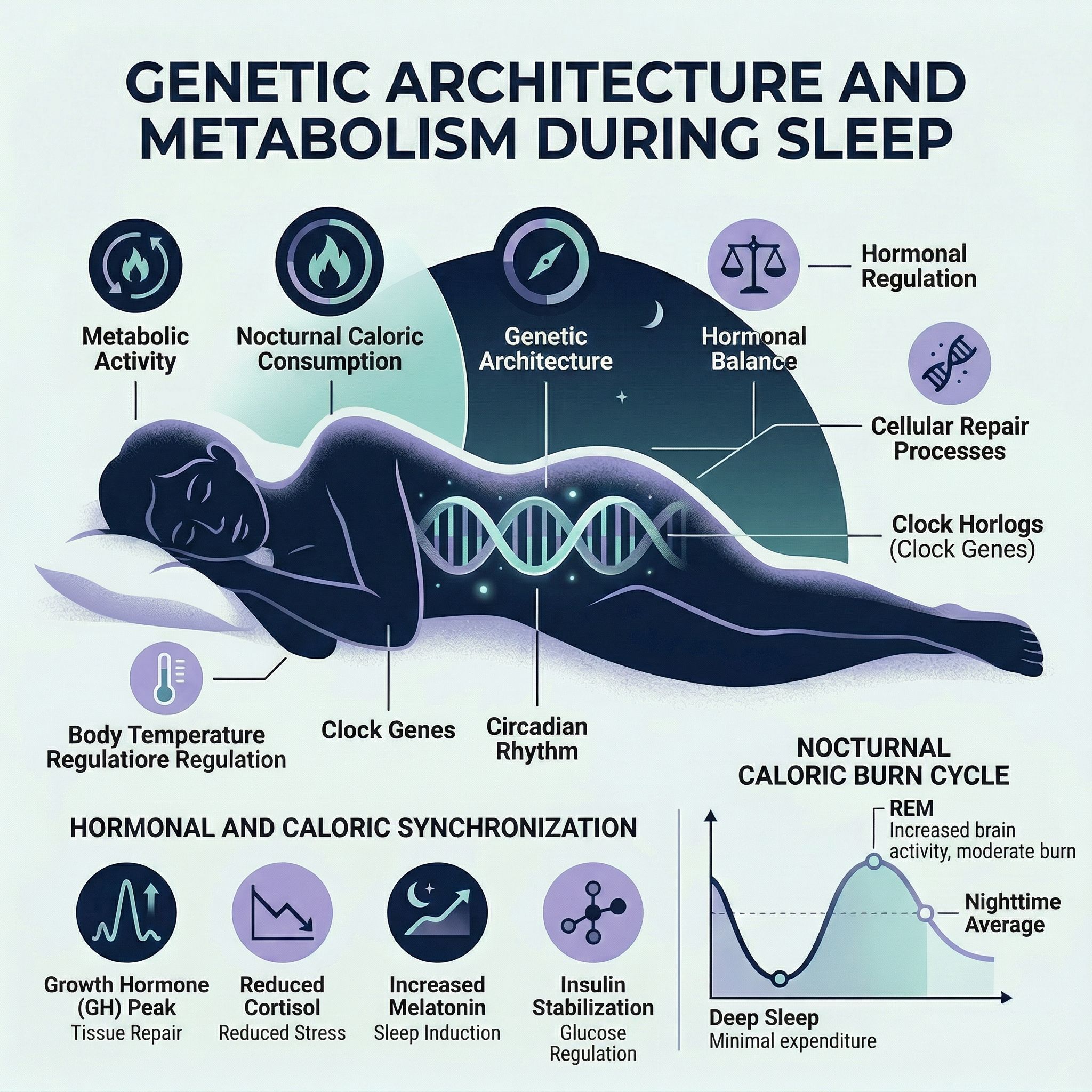
While you are drifting through the stages of sleep, your metabolism is hard at work. It isn't just resting; it is performing essential maintenance:
- Cellular repair: Your cells use this downtime to regenerate and fix tissues.
- Memory consolidation:** Your brain processes the day’s emotions and information, weaving them into your long-term memory.
- Hormonal regulation: Your system carefully balances growth hormones, melatonin, and cortisol.
All these processes require a steady, albeit low, supply of energy. Your body typically draws this from glycogen reserves in your liver. How and when you eat during the day directly dictates how efficiently this "factory" runs during the night.
---
How Intermittent Fasting Interacts With Your Rest
Intermittent fasting isn't just about weight; it’s a shift in how your internal clock perceives time. By alternating between periods of eating and fasting, you are essentially asking your body to switch its fuel source.
There are three main ways this practice might change your nights:
1. Blood Sugar Stability Some research suggests that IF can improve insulin sensitivity. If you struggle with blood sugar spikes and crashes, you might find that fasting helps keep your levels steady. Sudden drops in glucose during the night can trigger the release of adrenaline, which might be why you sometimes wake up at 3 a.m. feeling alert and anxious.
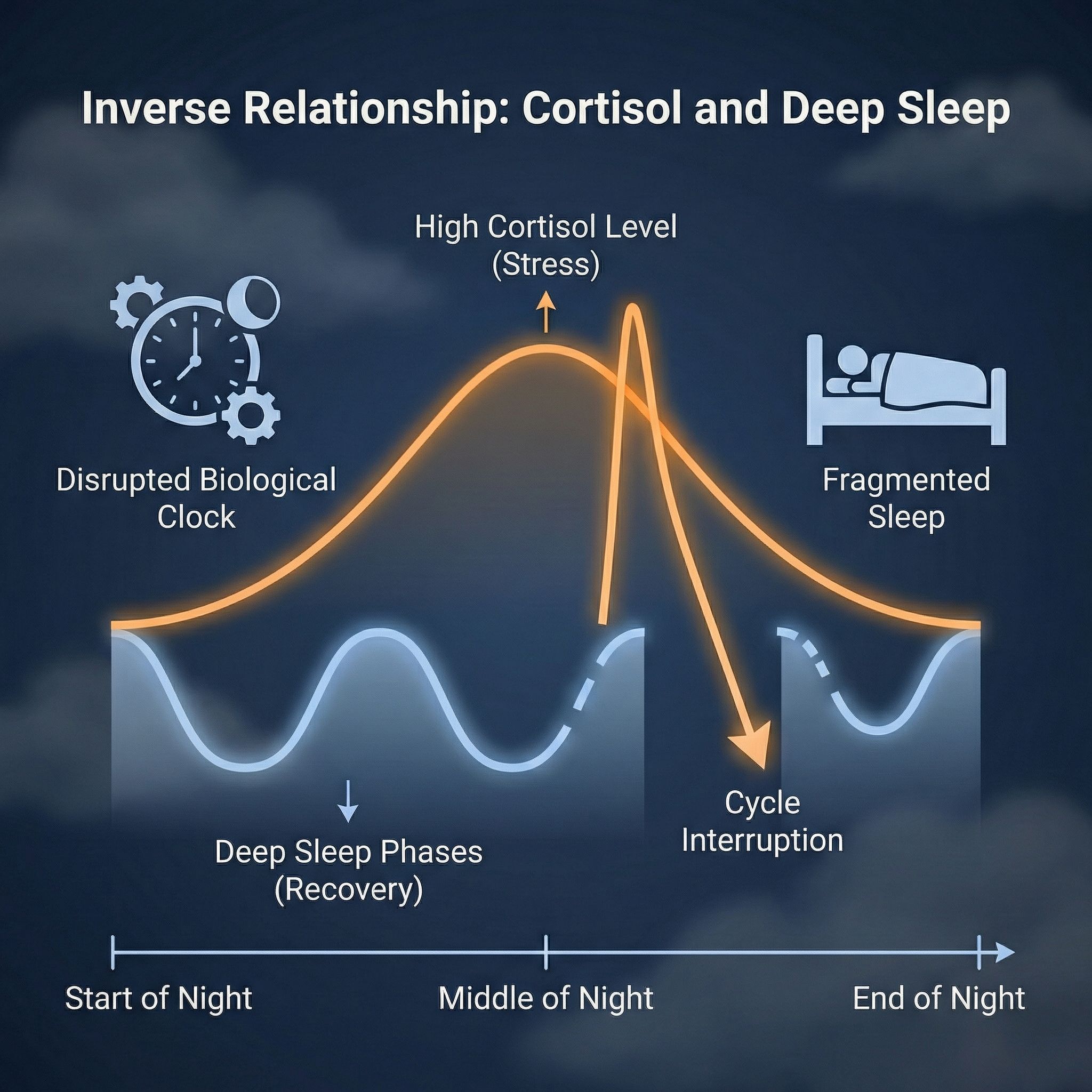
2. The Hormonal Balance Fasting influences cortisol, your primary stress hormone. While a moderate fast can help lower overall inflammation, a fast that is too aggressive or poorly timed can actually spike cortisol. If your body perceives the lack of food as a survival threat, it will keep you in a state of hyper-vigilance, preventing you from reaching the deepest stages of rest.
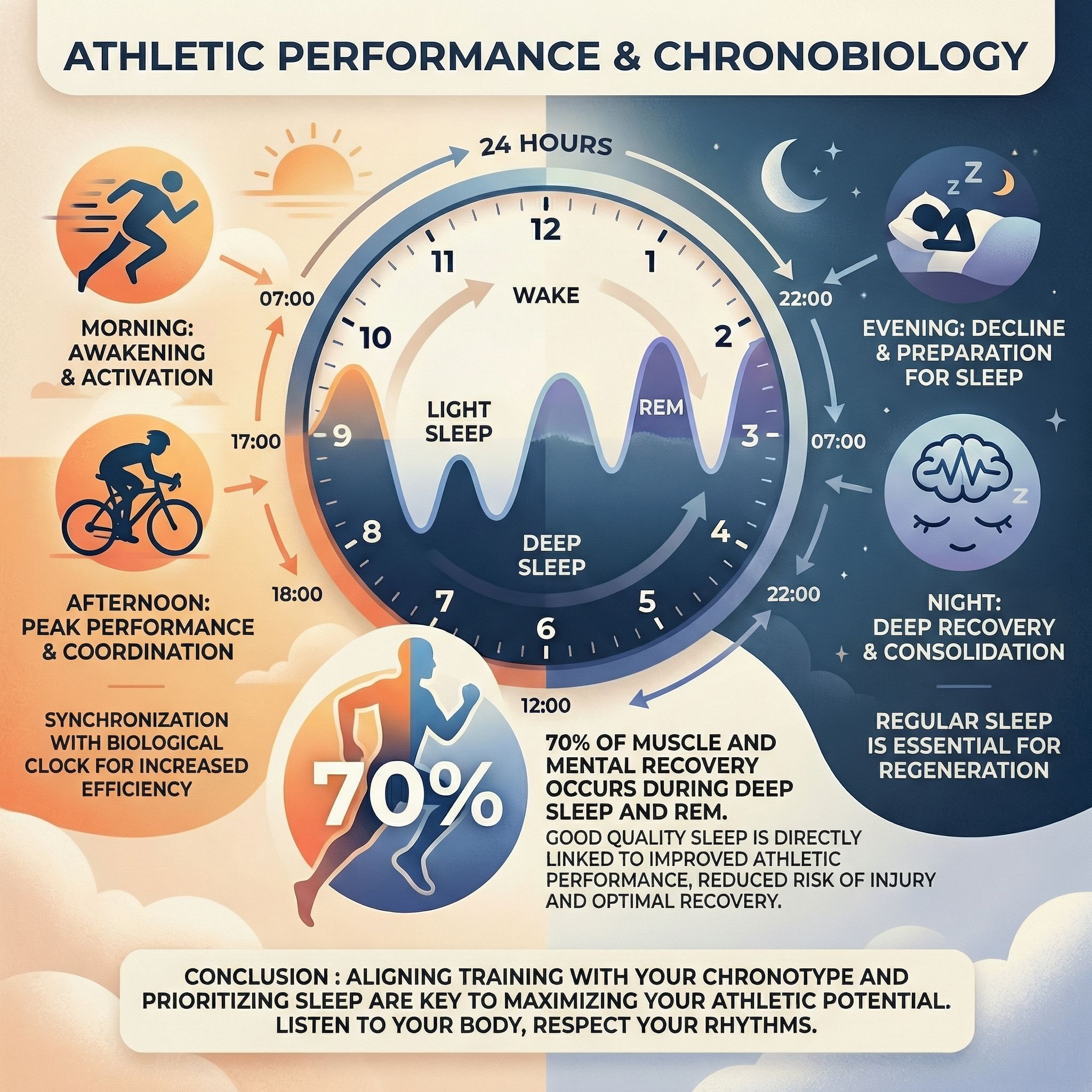
3. Your Biological Compass Your biological clock is highly sensitive to food. Eating late at night sends a signal to your brain that it is still "daytime," which can delay the secretion of melatonin. By closing your eating window earlier, you might help your body align more naturally with the setting sun.
---
What the Science Actually Tells Us
I often find myself skeptical of "miracle" claims. When we look at the data, the picture is more nuanced than influencers might suggest.
Some specialists in the field have observed that IF can improve sleep quality in specific groups, such as those struggling with obesity. For instance, a study published in the journal Obesity (2019) indicated that time-restricted feeding helped participants fall asleep faster and reduced nighttime hunger.
However, other studies on night-shift workers have shown no significant improvement. This suggests that the environment and your existing sleep debt might play a larger role than the fasting itself.
Furthermore, the duration of your fast matters. Some researchers estimate that fasting for more than 18 hours can be counterproductive for sleep, as the metabolic stress begins to outweigh the benefits. We are still in the early stages of understanding these links, and I believe we should remain cautious about making universal rules.
🌙 Sora's Echo: I often wonder if a hungry stomach dreams of different worlds than a full one. Perhaps the void of fasting creates a canvas for more ethereal, vivid visions.
---
Practical Wisdom for Your Nightly Rituals
If you want to experiment with fasting without sacrificing your sleep, I suggest a gentle, mindful approach. You don't need to follow a rigid protocol to see results.
Align with the Sun Try to concentrate your eating period during the daylight hours. If you can finish your last meal at least three or four hours before you intend to sleep, you give your digestive system time to settle. This allows your core body temperature to drop, which is a necessary signal for deep sleep.
Listen to Your Body’s Whispers Fasting is not a one-size-fits-all solution. If you find yourself lying awake, feeling "wired but tired," or if your dreams become uncomfortably intense, your body might be telling you that your fasting window is too long or your calories are too low. Don't be afraid to adjust. Your well-being is more important than a strict 16/8 schedule.
---
A Concrete Example: The Early Dinner Experiment
Imagine you usually eat dinner at 9 p.m. and go to bed at 11 p.m. Your body is busy digesting while it should be repairing.
If you shift your last meal to 6 p.m., you might notice that by 11 p.m., your heart rate is lower and your mind is calmer. In my own observations, those who make this small shift often report a "lighter" feeling in their dreams—less clutter, more clarity. It isn't about the restriction; it's about giving your body the space to transition into the dream world without the heavy anchor of digestion.
---