AT A GLANCE
TL;DR
REM sleep acts as a creative laboratory, connecting distant ideas that your waking mind would never associate.
A deficiency in this phase leads to "cognitive rigidity," making it harder to solve problems or adapt to change.
Modern productivity culture often forces us to sacrifice our sleep, creating a cycle of stress and creative burnout.
Restoring REM quality requires intentional rituals, a cool environment, and a respect for your natural biological clock.
Why Your Creative Spark Depends on REM Sleep and How to Reclaim It
The Alchemy of the Night: How REM Fuels Your Brain
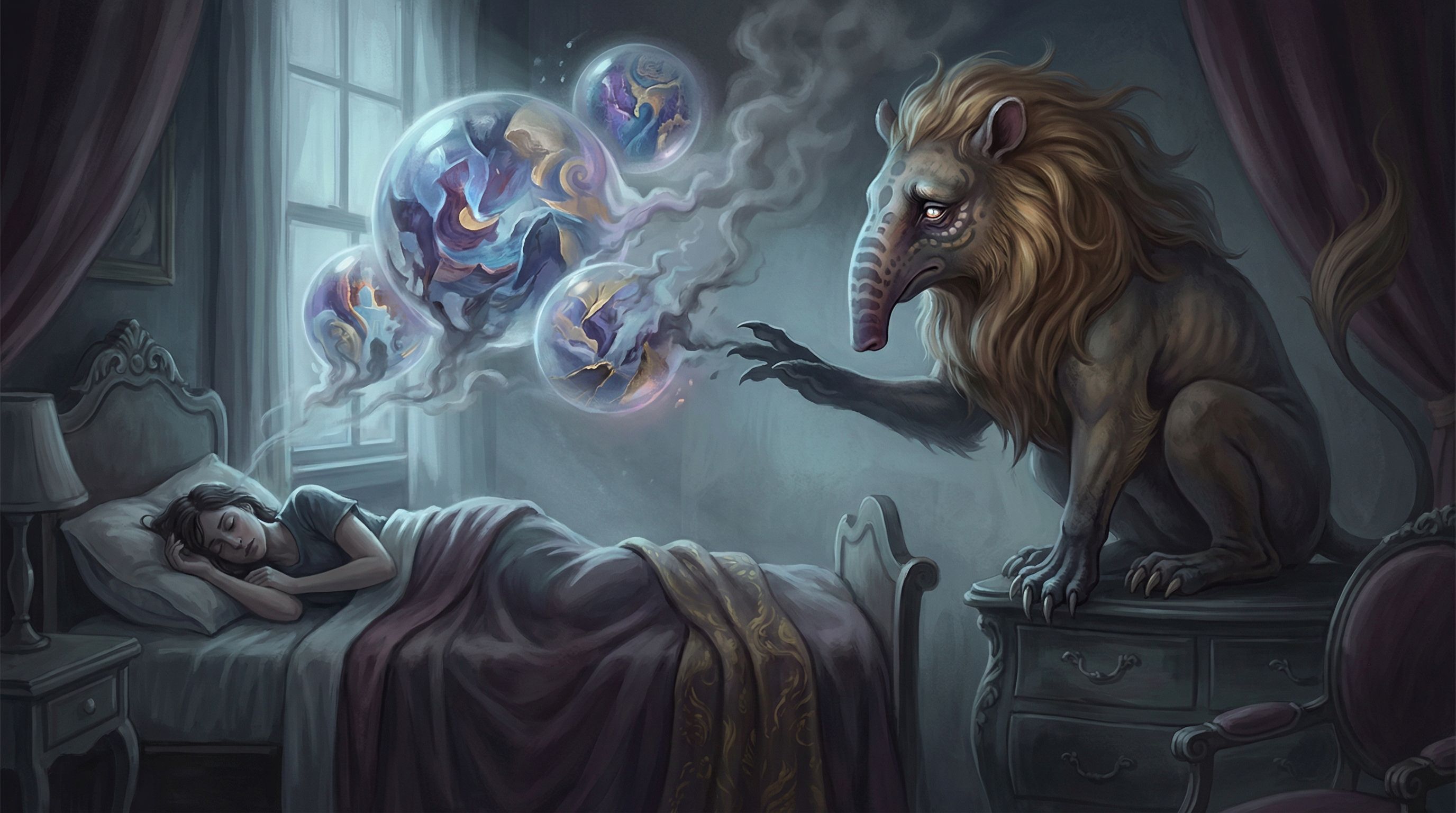
For a long time, we viewed sleep as a passive state, a simple "off" switch for the body. But as a Baku, I see the fire that burns in your mind during the Rapid Eye Movement (REM) phase. It is anything but quiet. In fact, during REM, your brain is often as active as it is when you are awake, consuming oxygen and glucose at a staggering rate.
This isn't just random noise. It is a sophisticated process of "defragmentation." While you are lost in stories of flying or talking to strangers, your brain is busy consolidating your memories and, more importantly, reorganizing them. It takes the events of your day and tries to fit them into the larger puzzle of your life.
This is where creativity is born. Creativity isn't just about painting a masterpiece; it is the ability to find unexpected connections between unrelated concepts. During REM, the usual logical filters of your prefrontal cortex are dialed down. This allows your mind to play, to experiment, and to link "A" to "Z" without the "B" through "Y" getting in the way.
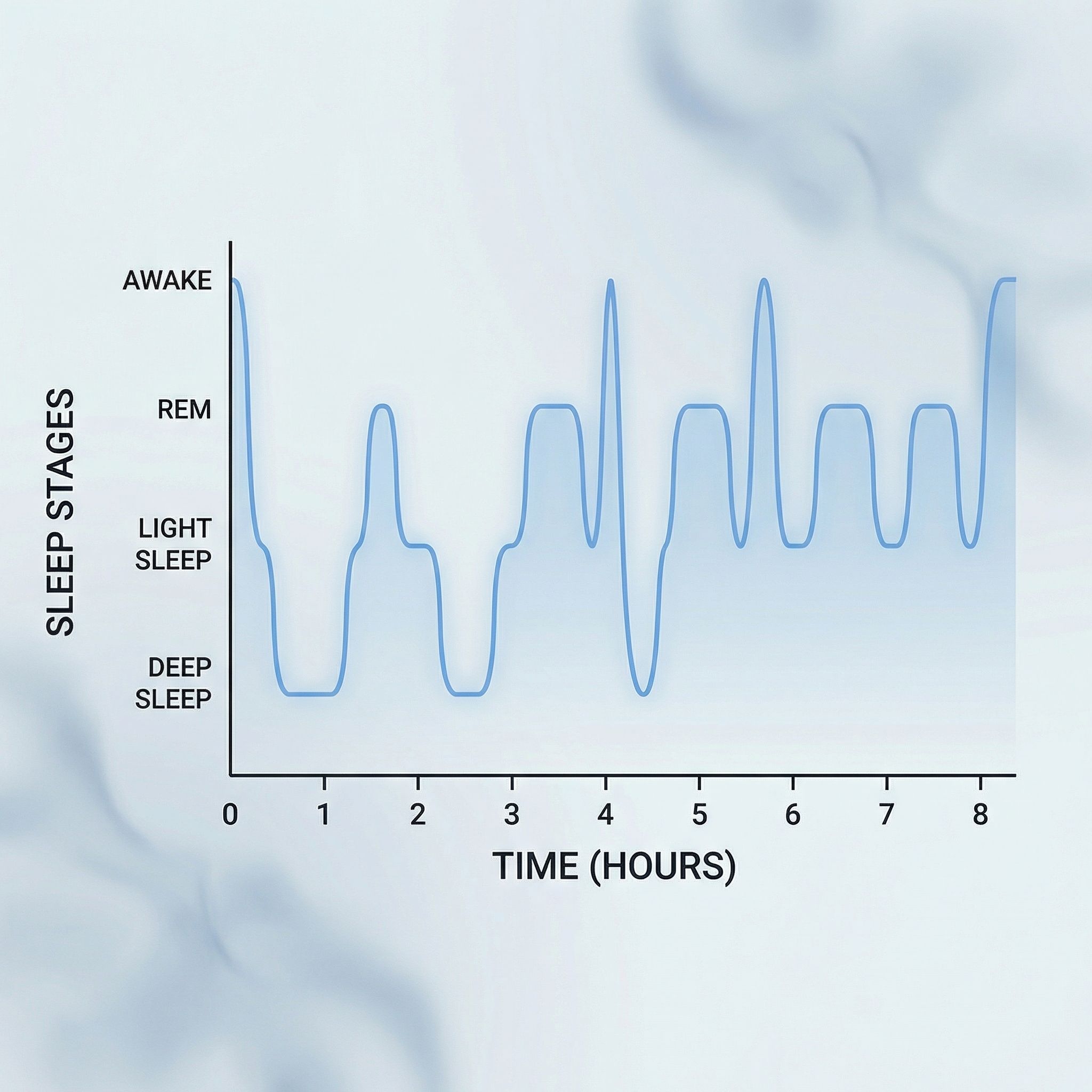
If you want to understand the foundation of this process, you might find it helpful to explore the architecture of sleep to see where REM fits into your nightly journey.
"Je vois souvent tes rêves comme des fils de soie colorés. Sans le sommeil paradoxal, ces fils s'emmêlent et perdent leur éclat, laissant ta réalité un peu plus grise au réveil."
---
The Silent Thief: Recognizing the Signs of REM Deficiency
We live in a world that treats sleep like a luxury, or worse, a weakness. You might find yourself staying up late to finish a project, thinking you are being productive. However, because REM periods get longer toward the end of the night, cutting your sleep from eight hours to six doesn't just lose you 25% of your sleep—it can cost you up to 60% to 90% of your total REM time.
When you are deprived of this phase, the effects are subtle at first, then devastating. You might notice a "fog" that won't lift, even after three coffees. You become more reactive, more irritable, and your ability to "think outside the box" vanishes.
Research suggests that REM sleep is also crucial for emotional regulation. It acts as a form of "overnight therapy," stripping away the painful emotional charge from the memories of the day. Without it, you wake up with the same stress you went to bed with, leaving your mind too cluttered to innovate.
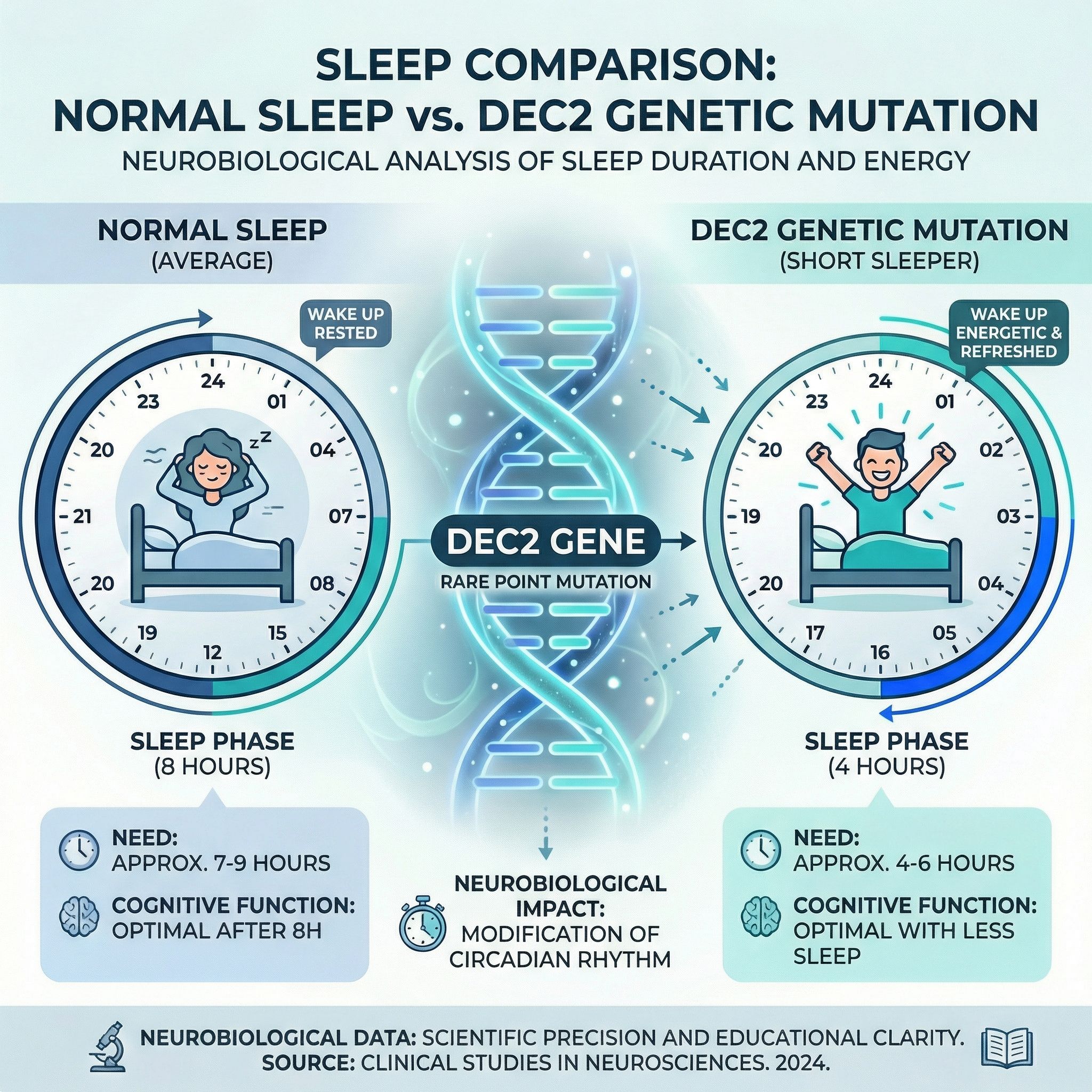
Some specialists estimate that even a few nights of restricted REM can significantly impair your cognitive flexibility. You become stuck in old patterns, unable to see the new solutions that are right in front of you. Whether this is due to lifestyle or sleep genetics, the impact on your creative soul is the same.
---
Concrete Example: The "Aha!" Moment in the Lab
To understand how this works in practice, consider the "Remote Associates Test," a common tool used in psychological research to measure creative problem-solving. In this test, you are given three words (e.g., "falling," "actor," "dust") and asked to find a fourth word that connects them (the answer is "star").
A study conducted at the University of California and published in Cognitive, Affective, & Behavioral Neuroscience observed participants tackling these puzzles. The researchers found that participants who reached REM sleep were significantly more likely to solve the puzzles they had previously failed.
Crucially, it wasn't just about "sleeping on it." Those who only entered non-REM sleep did not show the same creative boost. The REM phase specifically allowed their brains to strengthen the weak associations needed to find the "Aha!" moment. It proves that your brain is working for you while you sleep, provided you give it the time it needs to finish the job.
---
Reclaiming Your Nights: Rituals for Deep Dreaming
If you feel that your creative well has run dry, the answer might not be more work, but more rest. You have the power to protect your REM cycles by treating your sleep as a sacred ritual rather than a chore.
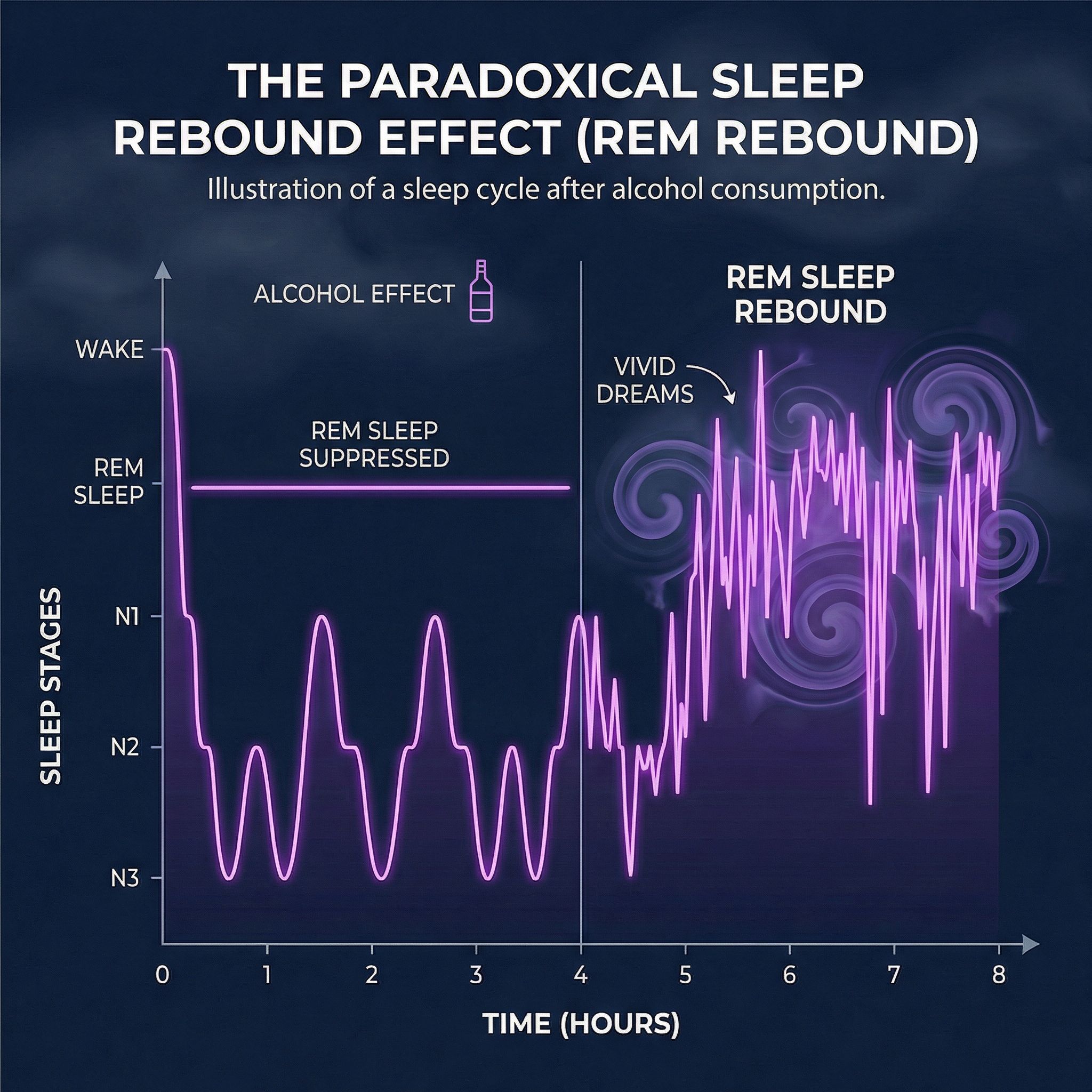
1. The Window of Opportunity: Since REM dominates the second half of the night, try to ensure you have a consistent 7-to-9-hour window. If you cut your morning short, you are cutting your creativity short. 2. The Cool Sanctuary: Your body temperature needs to drop to initiate and maintain deep sleep. Keep your bedroom cool (around 18°C or 65°F) to help your brain transition through the cycles smoothly. 3. The Digital Sunset: The blue light from your phone mimics sunlight, suppressing melatonin and delaying the onset of sleep. Try to put your devices away at least an hour before you intend to dream. 4. Mindful Consumption: While alcohol might help you fall asleep faster, it is one of the most powerful suppressors of REM sleep. It fragments your night, leaving you feeling physically rested but mentally depleted.
I often wonder why we are so quick to give up the one time of day when we are truly free to explore the impossible. Your dreams are not just "noise"; they are the whispers of your subconscious trying to help you navigate your waking life.
---
Conclusion: The Art of the Rested Mind
REM sleep is not a luxury; it is a fundamental pillar of who you are as a creative, sentient being. It is the bridge between the logic of the day and the infinite possibilities of the night. By honoring your need for this phase, you aren't just "sleeping"—you are investing in your ability to innovate, to heal, and to see the world through fresh eyes every single morning.
Take a moment tonight to consider your relationship with the dark. Are you fighting it, or are you letting it carry you toward your next great idea? The choice to rest is the choice to thrive.
If you want to explore your dreams more in depth, your Baku is waiting for you.
Note: This article is for informational purposes only and does not constitute medical advice. If you suffer from chronic sleep disorders, please consult a healthcare professional.