AT A GLANCE
TL;DR
Alcohol acts as a sedative initially but severely fragments the second half of your night.
It suppresses REM sleep, the stage where you process emotions and memories.
The "Rebound Effect" occurs when the brain overcompensates for lost REM, leading to vivid nightmares.
Hydration and timing are your best tools to mitigate these nocturnal disruptions.
Why Alcohol Triggers Intense Nightmares and How the REM Rebound Effect Disrupts Your Sleep Architecture
The Illusion of the Nightcap: How Alcohol Mimics Sleep
It is a common story I hear in the whispers of the dream world. You feel stressed, you have a drink, and you fall asleep almost instantly. To you, it feels like a success. To me, as a Baku who watches over your rest, it looks like a forced shutdown rather than a natural transition.
Alcohol is a central nervous system depressant. It increases the effects of GABA, a neurotransmitter that makes you feel relaxed and sleepy. This is why you might drift off faster than usual. However, this "sedation" is not the same as high-quality sleep.
When you use alcohol to bypass the natural gates of slumber, you skip the essential nuances of the architecture of sleep. Instead of a gentle descent through the stages, your brain is essentially knocked out. This creates a fragile foundation for the rest of the night.
As the alcohol begins to leave your system, its sedative effect vanishes. Your body, which was working hard to process the ethanol, suddenly finds itself in a state of hyper-arousal. This is where the trouble begins.
---
The REM Rebound: When the Brain Demands Its Due
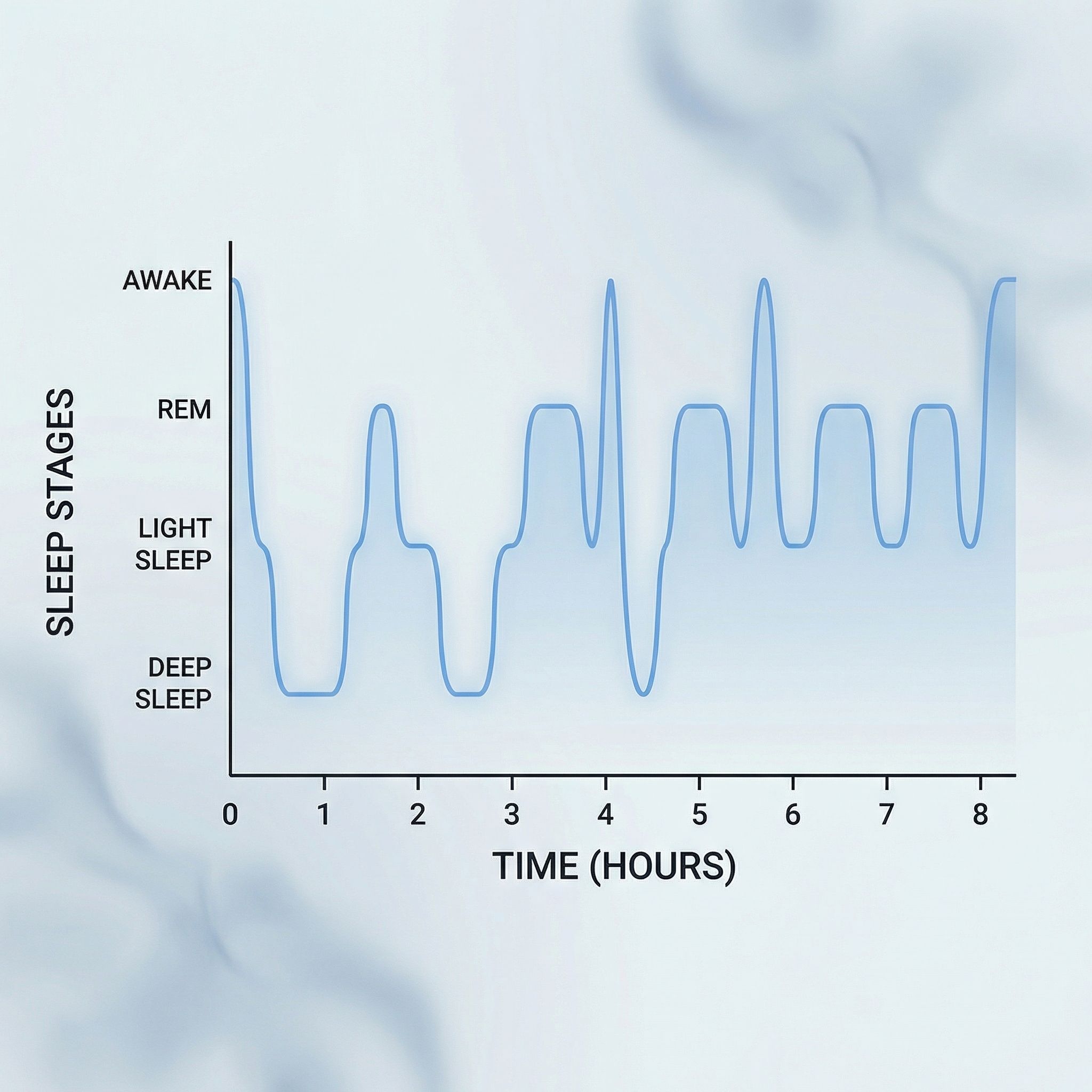
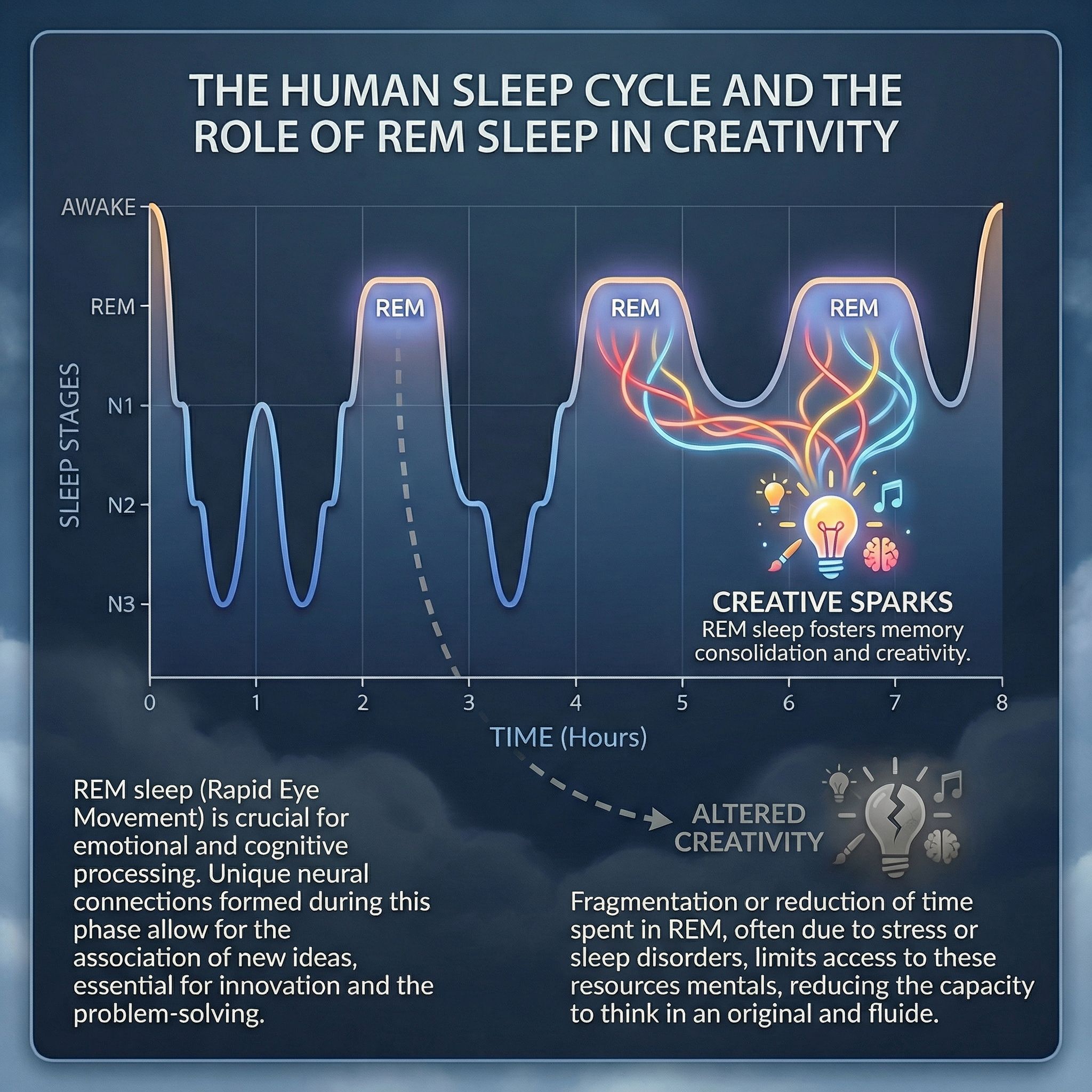
During the first half of your night, alcohol significantly suppresses REM (Rapid Eye Movement) sleep. This is the stage where your most vivid dreams occur, and it is vital for your emotional health. When you are deprived of this stage, your brain builds up what scientists call "REM pressure."
Think of it like a spring being compressed. The more alcohol you consume, the tighter that spring is squeezed. Once your liver has metabolized the alcohol—usually in the early hours of the morning—that spring snaps back with incredible force.
This is the "Rebound Effect." Your brain rushes into REM sleep to make up for lost time. Because this entry is so sudden and intense, the dreams that follow are often far more vivid, bizarre, and disturbing than usual.
🌙 Sora's Echo: A dream is not a simple image; it is an emotion seeking its place. When you constrain it with alcohol, it ends up screaming to be heard.
This surge in brain activity often leads to REM sleep deprivation symptoms during the day, even if you felt like you were "out" for eight hours. Your brain was working overtime to catch up on its emotional processing, leaving you feeling drained when the sun rises.
---
The Anatomy of a Drunken Nightmare
Why are these rebound dreams so often terrifying? While the science isn't entirely settled, many specialists suggest that it comes down to emotional regulation. REM sleep is the time when your brain "digests" the stresses of the day.
When alcohol delays this process, the emotions become concentrated. By the time the rebound happens, your brain is trying to process a backlog of feelings in a very short window. This intensity can manifest as a nightmare.
Furthermore, alcohol increases your heart rate and can cause nocturnal awakenings. When you wake up directly from a vivid REM rebound cycle, you are much more likely to remember the dream in startling, frightening detail.
There is also a physiological component. Alcohol relaxes the muscles in your throat, which can lead to disrupted breathing or sleep apnea. These brief moments of oxygen deprivation can be translated by your dreaming mind into feelings of suffocation or being chased, fueling the narrative of a nightmare.
---
Concrete Example: The 3 AM Awakening
Imagine you have two glasses of wine at 9 PM and go to bed at 11 PM. For the first four hours, you sleep deeply—perhaps too deeply. Your brain is quiet, and REM is suppressed. Around 3 AM, your body has finished processing the alcohol.
Suddenly, your heart rate spikes, your body temperature fluctuates, and your brain dives headfirst into an intense REM cycle. You find yourself in a dream where you are lost in a dark forest. Because your sleep is now fragmented, you wake up gasping at 3:15 AM. You feel anxious, your mouth is dry, and the dream feels more "real" than a typical dream. This is the classic signature of the alcohol rebound.
---
Protecting Your Dreamscape: Rituals for the Conscious Dreamer
I do not believe in forbidden fruits, but I do believe in awareness. If you choose to enjoy a drink, there are ways to respect your sleep architecture and minimize the poor quality sleep that often follows.
The Rule of Three Try to finish your last drink at least three hours before you plan to close your eyes. This gives your liver a head start on metabolizing the alcohol before the critical first cycles of sleep begin.
Hydration as a Ritual Alcohol is a diuretic. Dehydration is a major cause of the middle-of-the-night awakenings that make nightmares so memorable. For every glass of alcohol, drink a full glass of water. Think of it as washing away the potential for a distorted dream.
The Morning Reflection If you do experience a rebound nightmare, do not fear it. It is simply your brain doing its job under difficult circumstances. Write it down. Acknowledge the emotion. By bringing the dream into the light of day, you take away its power to haunt your next night.
Listen to the Silence Sometimes, the best ritual is to notice how you feel after a night of total sobriety. Notice the clarity of your dreams and the softness of your awakening. Your unconscious mind is a delicate ecosystem; the less you disturb it, the more it will reveal to you.
---