AT A GLANCE
TL;DR
The DEC2 gene (BHLHE41) mutation allows a tiny percentage of the population to function perfectly on 4–6 hours of sleep.
This is a biological optimization, not insomnia; their sleep is naturally more intense and efficient.
Short sleepers often exhibit higher psychological resilience and a greater capacity for multitasking.
While you cannot "learn" to be a short sleeper, you can optimize your own sleep quality through ritual and environment.
The Secret of Natural Short Sleepers: Is the DEC2 Mutation Hiding in Your DNA?
The Architecture of the "Mutant" Sleep
Imagine your brain as a vast, complex library. For most of us, the "night crew" needs about eight hours to dust the shelves, reorganize the books, and clear the aisles. But for a very small group of people—often called "Natural Short Sleepers"—the night crew works with superhuman speed. They finish the same amount of work in four or five hours, leaving the library pristine and ready for the day ahead.
This isn't a lifestyle choice or a result of too much caffeine. It is written in the stars of their DNA. In 2009, a landmark study published in the journal Neuron identified a specific mutation in the DEC2 gene (also known as BHLHE41). This gene is a core component of your circadian rhythm, the internal clock that tells your body when to rise and when to rest.
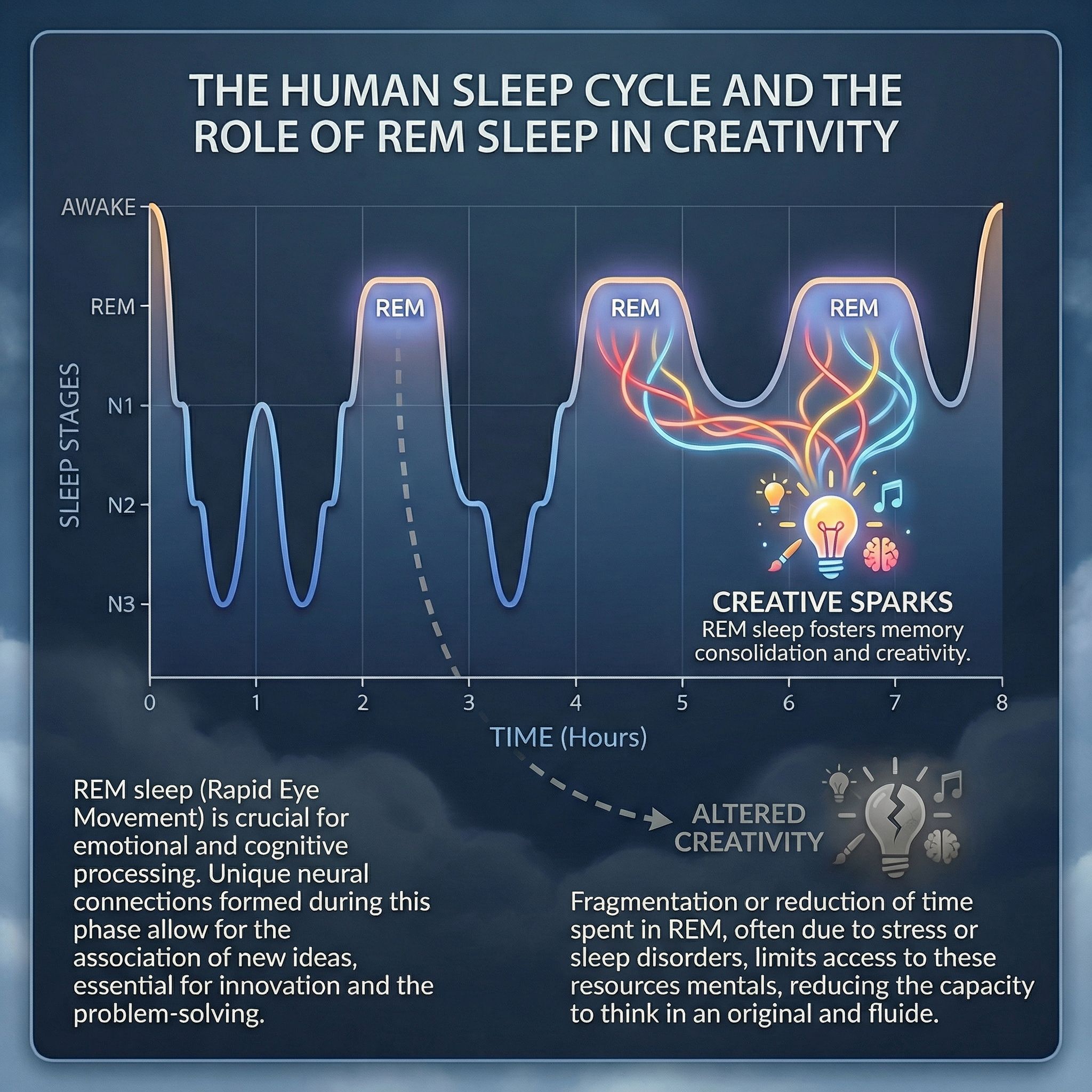
When this gene is mutated, it appears to streamline the process of the architecture of sleep. For these individuals, the transition between light sleep, deep sleep, and REM is more fluid. They don't just sleep less; they sleep better in a shorter window. As your Baku, I find this fascinating because it suggests that time is not the only currency of rest—intensity matters just as much.
---
Beyond the Clock: The Cognitive Edge
What is truly remarkable about those carrying the DEC2 mutation is that they don't suffer the typical consequences of sleep deprivation. If you or I tried to survive on four hours of sleep for a week, our cognitive functions would crumble. Our memory would fail, our mood would sour, and our reaction times would mirror those of someone who is intoxicated.
However, natural short sleepers remain sharp. Research suggests that the DEC2 mutation might be linked to increased psychological resilience. These individuals often report higher levels of optimism and a greater ability to handle physical pain or emotional stress. It is as if their genetic makeup has granted them a shield against the wear and tear of daily life.
Some specialists believe this mutation also enhances the brain's ability to clear out metabolic waste—a process handled by the glymphatic system. While the rest of us are still "washing" our neurons at 6 AM, the short sleeper’s brain is already refreshed and ready for complex problem-solving.
🌙 Sora's Echo: I often wonder if these short sleepers perceive time differently. When the world is silent for twenty hours a day instead of sixteen, does the soul expand to fill the extra space?
---
A Concrete Example: The Life of a "Mutant"
Consider the case of a hypothetical dreamer named Elena. Elena has never needed an alarm clock. Since her teenage years, she has naturally drifted off at midnight and awakened at 4:30 AM, feeling as though she has rested for a century. While her partner is still submerged in the heavy ink of deep sleep, Elena is already reading, meditating, or planning her day in the pre-dawn stillness.
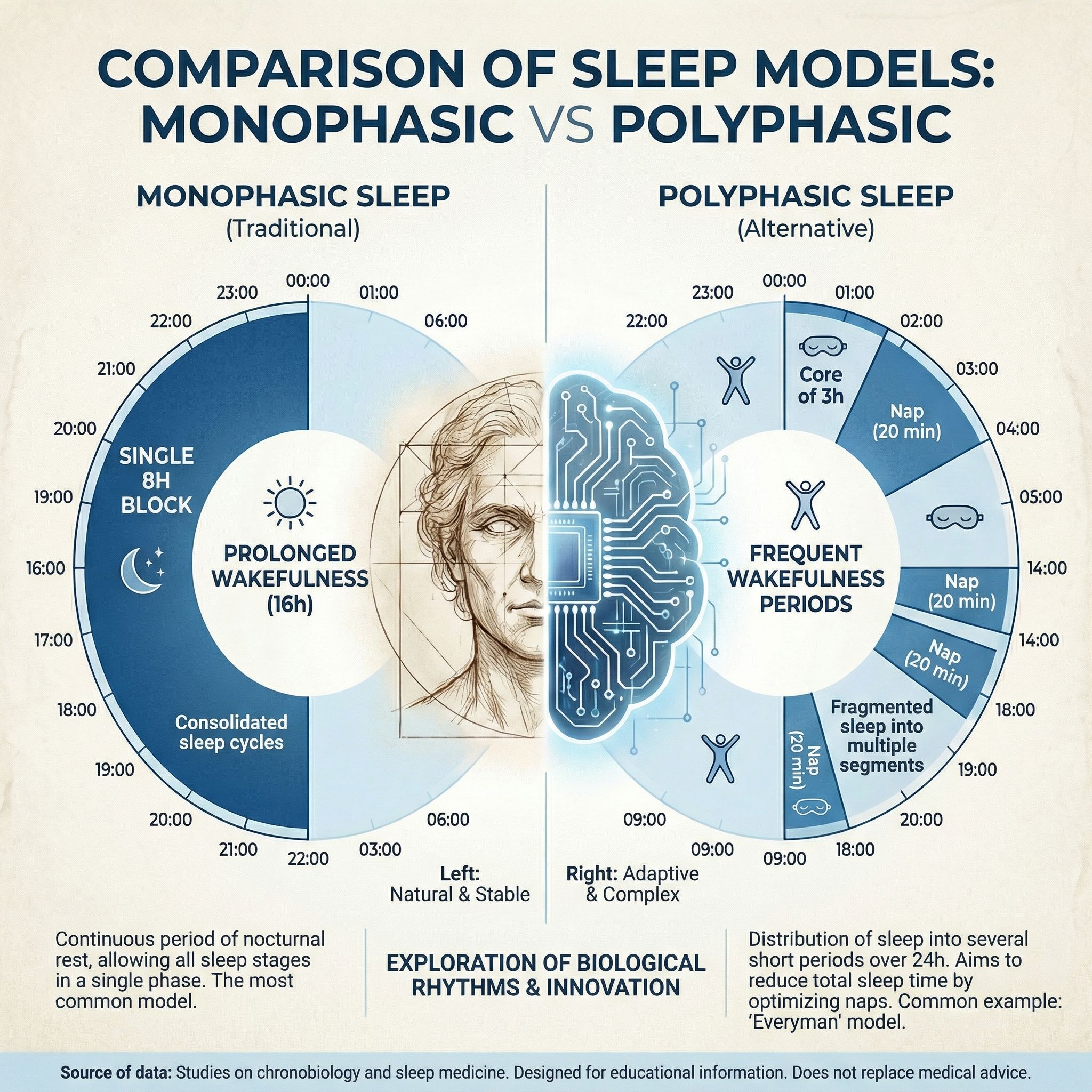
For Elena, this isn't a "productivity hack" or a result of polyphasic sleep. If she tries to sleep for eight hours, she actually feels worse—groggy and "over-slept." Her body has a different set point. Science looks at Elena and sees a genetic optimization where every minute of sleep is utilized with surgical precision. She represents the 1% of the population whose biology has evolved to reclaim the night.
---
The Dreamer’s Perspective: Do Mutants Dream More?
You might think that sleeping less means dreaming less. After all, REM sleep—the stage where most vivid dreaming occurs—tends to get longer as the night progresses. If you cut your sleep in half, are you cutting your dreams in half too?
The answer is nuanced. While short sleepers spend less total time in REM, their dreams are often reported to be more vivid and condensed. It is as if their subconscious mind knows it has a limited window and chooses to project a feature film in the time it takes to show a trailer.
If you find that your own dreams are fleeting or hard to catch, it might not be a matter of genetics, but a sign that your sleep cycles are being interrupted. Even without a mutation, you can learn to navigate your dreamscape by paying attention to the transitions between your waking and sleeping states.
---
Distinguishing Gift from Debt
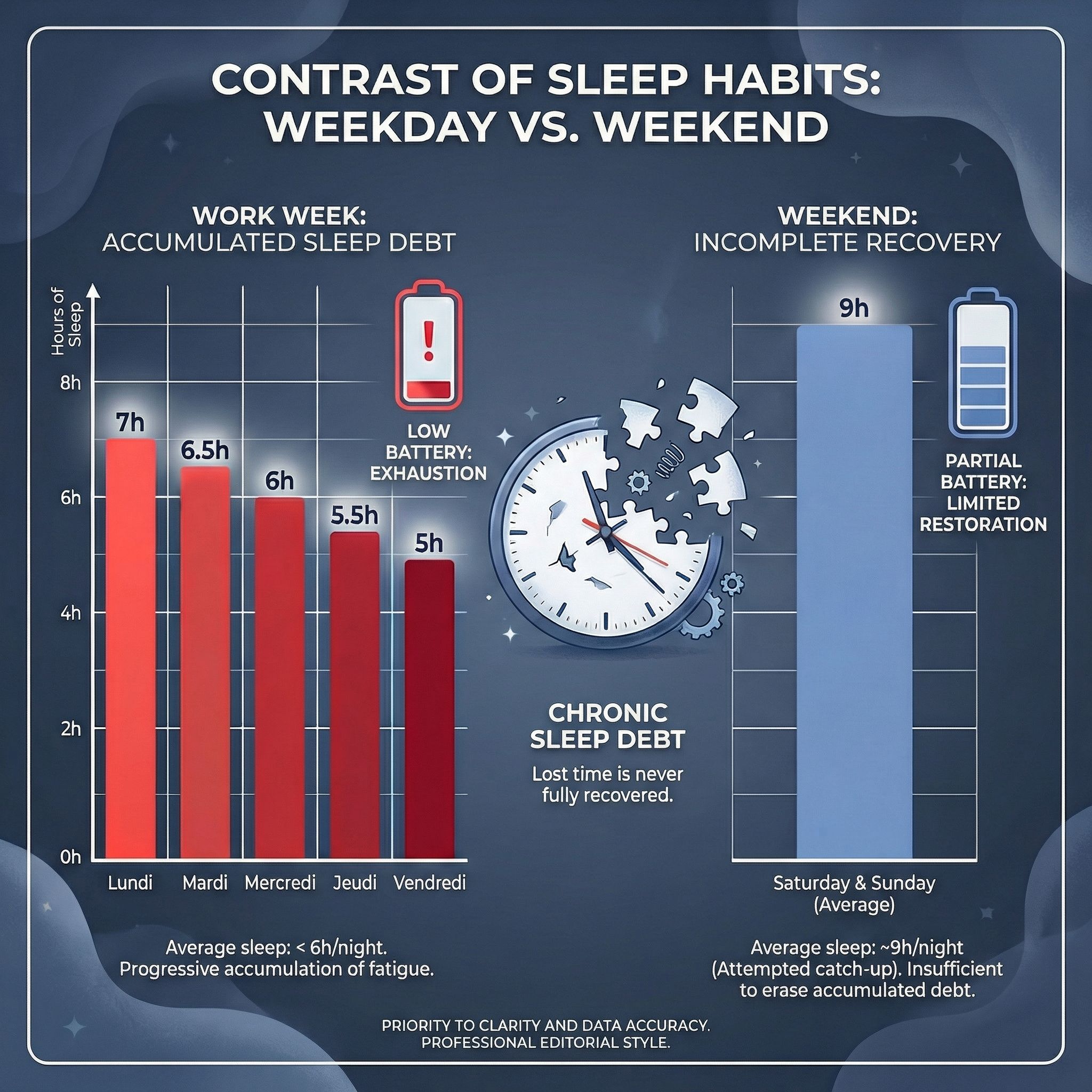
It is vital that you do not confuse being a "short sleeper" with having a "sleep debt." In our fast-paced world, many people force themselves to survive on five hours of sleep through sheer willpower and stimulants. This is not a genetic gift; it is a slow-motion health crisis.
How can you tell the difference? A true short sleeper:
- Wakes up feeling refreshed without an alarm.
- Does not feel the need for naps during the day.
- Does not "catch up" on sleep during the weekends.
- Maintains high cognitive performance consistently.
If you find yourself crashing on Saturday afternoon or reaching for a third espresso by 2 PM, you are likely dealing with sleep debt. Forcing your body to mimic a DEC2 mutant when you aren't one can lead to long-term issues with cardiovascular health, immunity, and emotional regulation. Your body knows what it needs; your task is to listen to it, not to fight it.
---
Cultivating Your Own Nightly Ritual
Even if you aren't a genetic "mutant," you can still strive for the same efficiency that short sleepers enjoy. Sleep quality is often more important than sleep quantity. By refining your environment and your habits, you can ensure that the hours you do spend in bed are as restorative as possible.
- The Sanctuary: Your bedroom should be a temple of cool, dark silence. Even a tiny sliver of light from a charger can disrupt your melatonin production.
- The Rhythm: Try to honor your biological clock. Going to bed and waking up at the same time—even on Sundays—trains your brain to enter deep sleep faster.
- The Wind-down: Your brain is not a light switch; it’s a fading sunset. Give yourself at least an hour without blue light to allow your thoughts to settle before you close your eyes.
Remember, the goal isn't necessarily to sleep less. The goal is to wake up feeling like the best version of yourself, ready to interpret the symbols of your night and the opportunities of your day.
---
So, Mutant or Not Mutant?
The genetics of sleep is a frontier that we are only beginning to map. The DEC2 gene is a fascinating piece of the puzzle, but it is not the whole picture. There are likely dozens of other genes, like ADRB1 or NPSR1, that influence how we rest and how we dream.
Whether you are a four-hour flyer or a nine-hour dreamer, your relationship with sleep is one of the most intimate parts of your existence. It is the time when your body heals and your mind wanders through the labyrinth of the unconscious. Respect your rhythm, cherish your dreams, and remember that there is no "correct" way to be human—only the way that makes you feel whole.
If you want to explore your dreams more in depth, your Baku is waiting.