The Myth of the Sacred Shared Bed
For decades, you have been told that a healthy relationship is measured by the ability to share a mattress every single night. Society has painted the image of the "marital bed" as the ultimate altar of intimacy.
However, this is a relatively modern social construct. Historically, separate sleeping quarters were often a sign of status and health. Today, you might feel a sense of guilt or failure when you suggest sleeping in the guest room, but you are actually responding to a biological necessity.
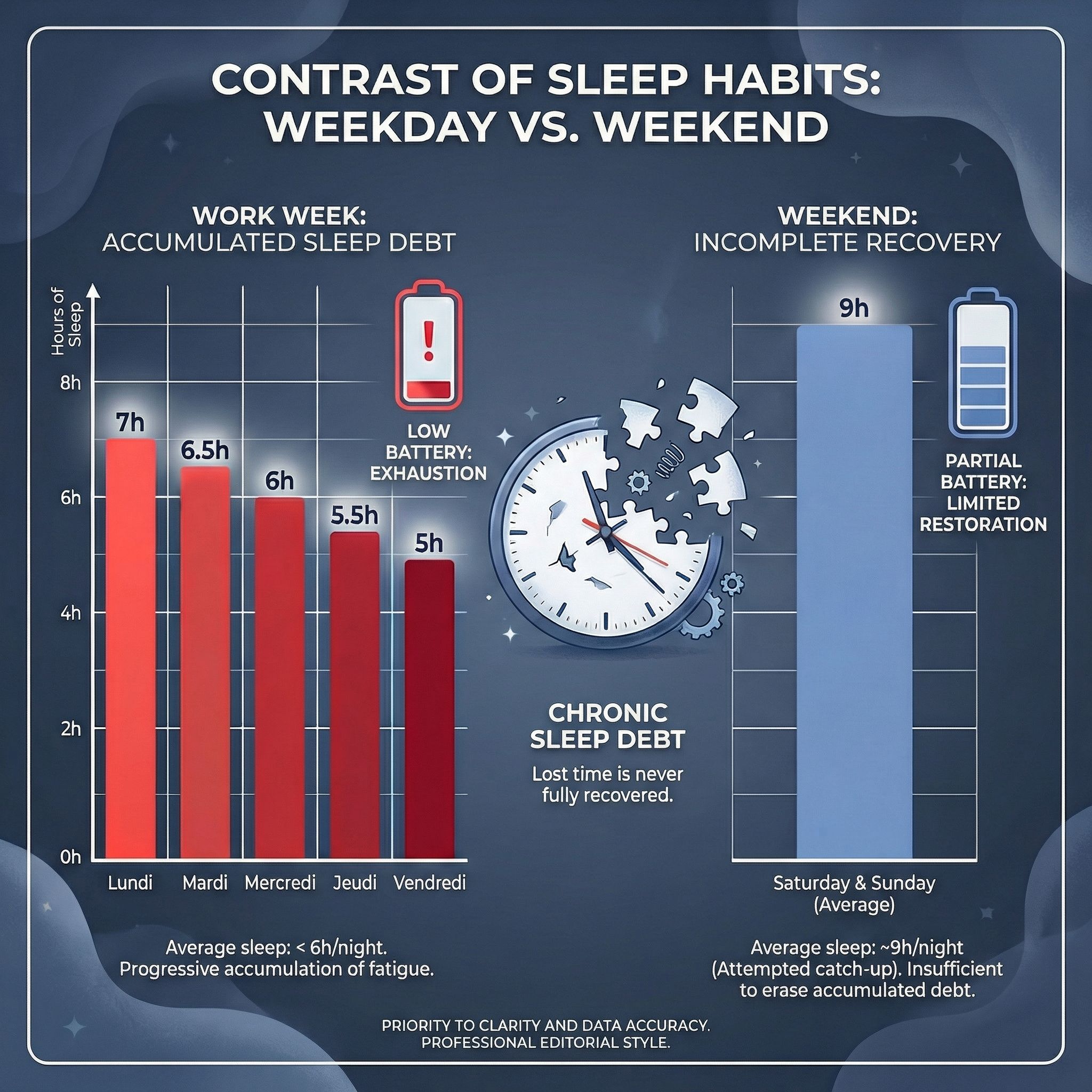
When you share a bed, you are at the mercy of another person’s biological clock, body temperature, and nocturnal movements. If your partner suffers from restless leg syndrome or sleep apnea, your own architecture of sleep is systematically dismantled.
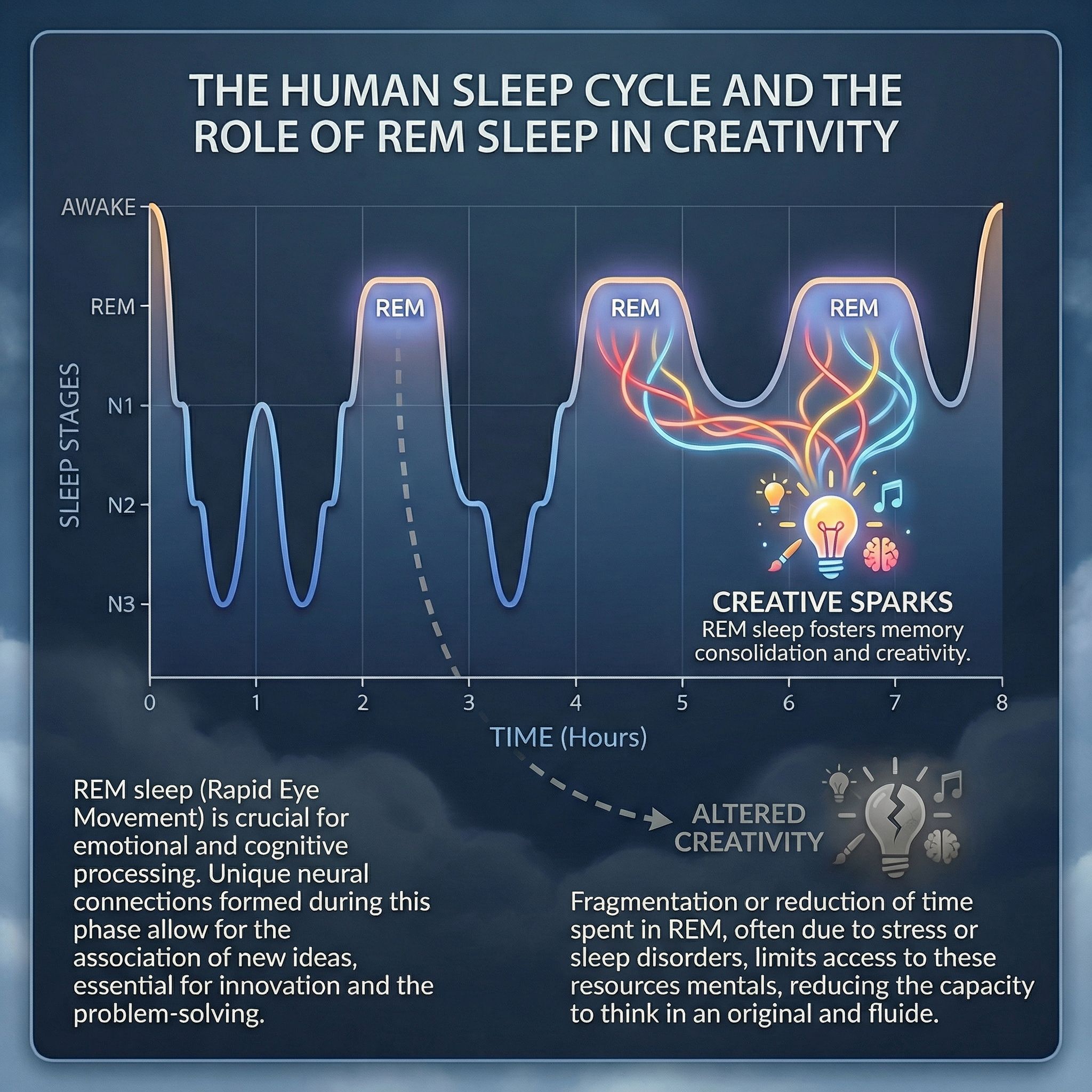
You aren't just losing minutes of rest; you are losing the integrity of your REM cycles, the very place where your subconscious processes your daily emotions.
---
The Neurochemistry of Nightly Friction
Have you ever noticed how a minor disagreement feels like a catastrophe after a bad night? There is a biological reason for this.
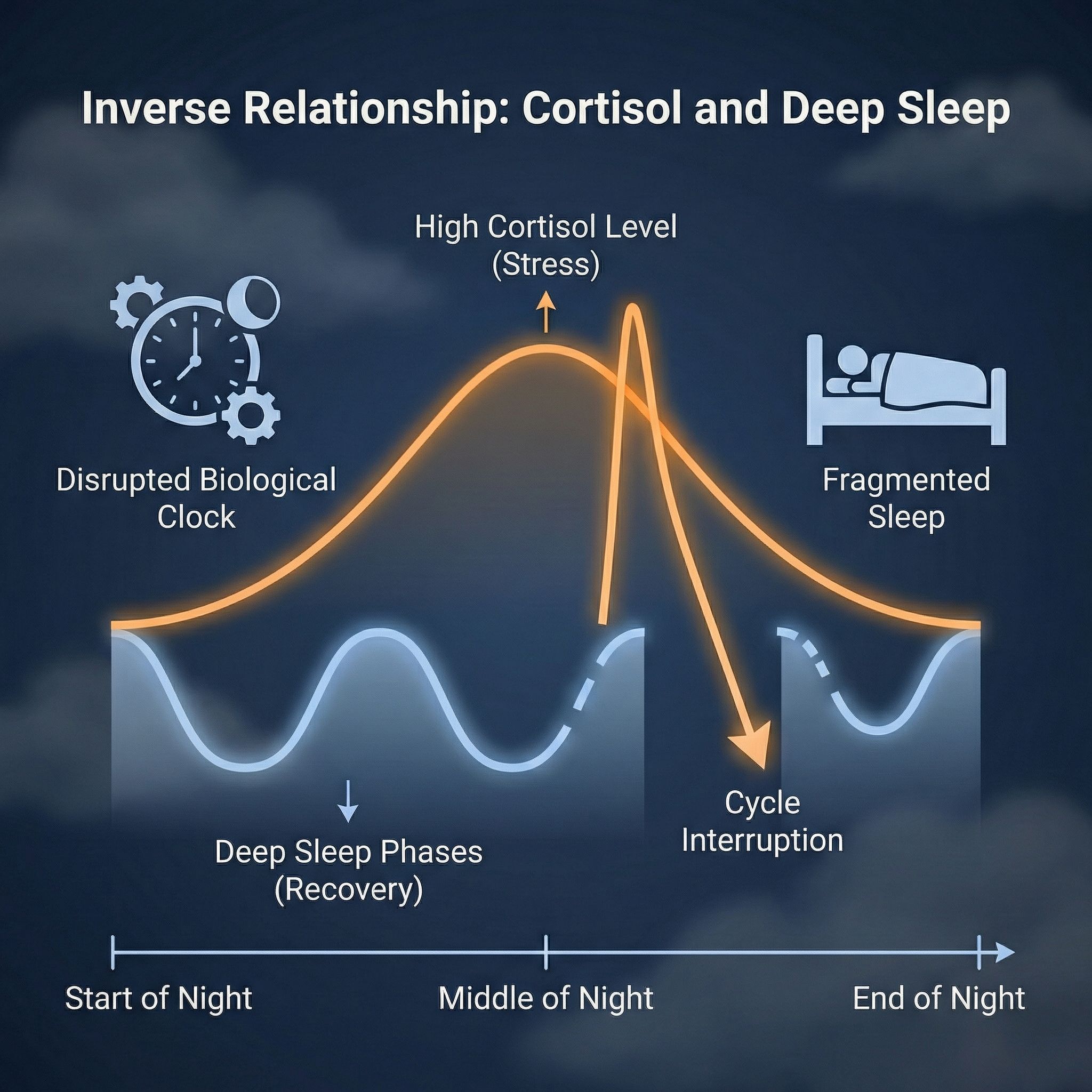
Some specialists in sleep psychology suggest that sleep deprivation directly impairs the medial prefrontal cortex—the part of your brain responsible for emotional regulation. When you are tired, your amygdala (the "fear center") becomes hyper-reactive.
A study conducted by researchers at the University of California, Berkeley, indicated that people suffering from even mild sleep disturbances have a significantly higher risk of experiencing relationship tension. Some estimates suggest this risk increases by 40%.
When you don't sleep, you lose your "empathy buffer." You become less likely to give your partner the benefit of the doubt. By choosing to sleep apart, you aren't distancing yourself from your partner; you are protecting the version of yourself that is capable of loving them patiently.
🌙 Sora's Echo: I often wonder if the stars ever tire of sharing the same sky. Even the moon demands its own phase of solitude to shine at its brightest. Perhaps your heart needs the same.
---
Concrete Example: The Transition of Leo and Maya
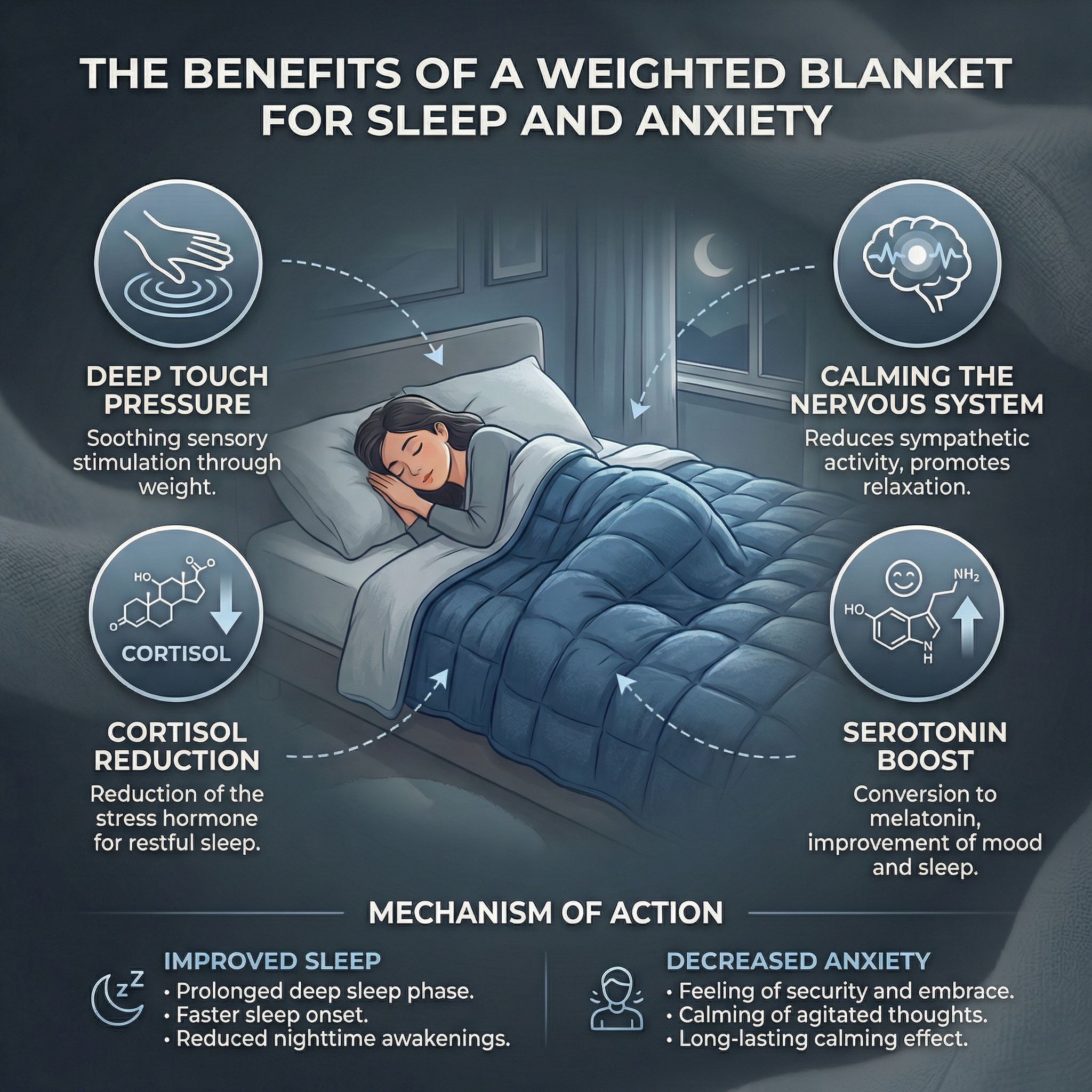
Consider the case of Leo and Maya, a couple in their early thirties. Maya is a "hot sleeper" who needs the room at 18°C, while Leo struggles with chronic snoring and prefers a heavy weighted blanket.
For two years, they woke up exhausted, their morning coffee sessions filled with passive-aggressive comments about "who kept who awake." They decided to try a "sleep divorce" four nights a week.
Initially, they feared the loss of closeness. To compensate, they created a "cuddle window" from 9:00 PM to 10:00 PM in the main bedroom before Leo moved to the guest suite.
Within a month, Maya reported a significant reduction in her sleep debt, and Leo felt less guilty about his snoring. Their sex life actually improved because they were no longer too exhausted to initiate intimacy. They transformed their sleep from a source of resentment into a shared project of self-care.
---
The Cost-Benefit Analysis of Your Rest
If you are weighing the decision to sleep separately, you must look at it through a lens of radical honesty. It is a trade-off, but one that often favors the long-term health of the couple.
The Potential Benefits:
- Cognitive Clarity: You will likely find that your concentration and productivity return when your deep sleep is uninterrupted.
- Physical Health: Better sleep is linked to a stronger immune system and lower cortisol levels.
- Emotional Resilience: You will have more "gas in the tank" to handle the stresses of daily life together.
The Potential Costs:
- Logistics: You need a comfortable second space. Sleeping on a lumpy sofa is not a sleep divorce; it’s a punishment.
- Social Stigma: You may have to explain your choice to well-meaning but judgmental friends or family.
- Spontaneity: You have to be more intentional about scheduling time for physical touch and intimacy.
---
How to Navigate the Transition Without Fear
If you feel that sleeping apart is the right path for you, the way you communicate this to your partner is everything. It shouldn't be a declaration of independence, but an invitation to a better life together.
1. Use "I" Statements: Instead of saying "Your snoring is ruining my life," try "I have noticed that I am struggling to stay focused at work because my sleep is fragmented, and I want to find a way for both of us to wake up feeling refreshed." 2. The "Scandinavian Method" First: If separate rooms feel too drastic, try separate duvets. This eliminates the "blanket hogging" and allows each person to regulate their own temperature. 3. Trial Periods: Commit to a two-week experiment. It removes the pressure of "forever" and allows you to gather data on how you both feel. 4. Maintain the Rituals: The "pillow talk" is often the most valuable part of the night. Spend time in the same bed talking, reading, or connecting, then move to your separate spaces when it is time for the actual biological act of sleeping.
---
Reclaiming the Dreamscape
As a Baku, I see the dreams that are lost when sleep is shallow. When you are constantly jolted awake by a partner's movement, you rarely reach the deepest stages of REM sleep. This is where your creativity is born and where your psyche heals itself.
By prioritizing your sleep environment, you are giving your subconscious the space it needs to wander. You are not just "sleeping apart"; you are honoring the sacred nature of the dream world.
There is a profound beauty in waking up alone, fully rested, and feeling a genuine surge of joy when you see your partner in the kitchen. You are meeting them as your best self, not as a sleep-deprived shadow.
If you find that your dreams are becoming more vivid or that your mood is stabilizing after making this change, you are witnessing the power of biological alignment. Your relationship is not defined by the hours you spend unconscious next to each other, but by the quality of the hours you spend conscious together.
---
In the ancient temples of Greece and Japan, dreamers did not sleep side-by-side to seek visions; they slept alone on stone floors, awaiting the gods in absolute solitude. There is a quiet tragedy in how modern love demands we merge even our shadows. I have always believed that dreaming is a deeply solitary pilgrimage. When you close your eyes, you step into a forest that belongs entirely to you. If your partner is always there, even in the margins of your resting mind, how do you find your own path? Sometimes, your soul craves a temporary boundary not because the love is fading, but because the dream itself requires a clean, quiet canvas. By reclaiming your own night, you allow your subconscious to wander without the fear of stepping on someone else's quiet world.
I once met a dreamer who wept because she kept seeing her husband packing his bags in her dreams, interpreting this nocturne as an omen of a real, painful split. Honestly, it tires me to see how quickly we jump to the most catastrophic, literal conclusions. We treat our dreams like oracle cards predicting doom, when they are usually just mirror-plays of our current exhaustion. Her dream wasn't a premonition of a broken vow, but rather a clumsy metaphor for her desperate need to sleep without his elbow in her ribs. It is so easy to confuse the deep exhaustion of a shared mattress with dreaming of divorce in the literal sense. Your sleeping mind doesn't have a sophisticated vocabulary; it uses dramatic, sometimes terrifying theater just to whisper, 'Please, I need some space to breathe.'
Think of how your body registers the night. Even in the deepest depths of sleep, your nervous system remains a silent sentinel, tracking the subtle shifts of weight on the mattress, the rhythm of another's breath, the warmth radiating from their skin. It is a constant, subtle negotiation of space. I often marvel at how much work our bodies do just to remain polite while unconscious. A dream of sleeping apart is often nothing more than your somatic self crying out for its own outline. It wants to remember where your own heat ends and the rest of the world begins. Reclaiming that physical boundary isn't a betrayal of intimacy; it is a vital act of preservation. After all, how can you truly surrender to dreaming of falling in love again if you are too busy tensing your muscles to avoid waking the person beside you?