AT A GLANCE
TL;DR
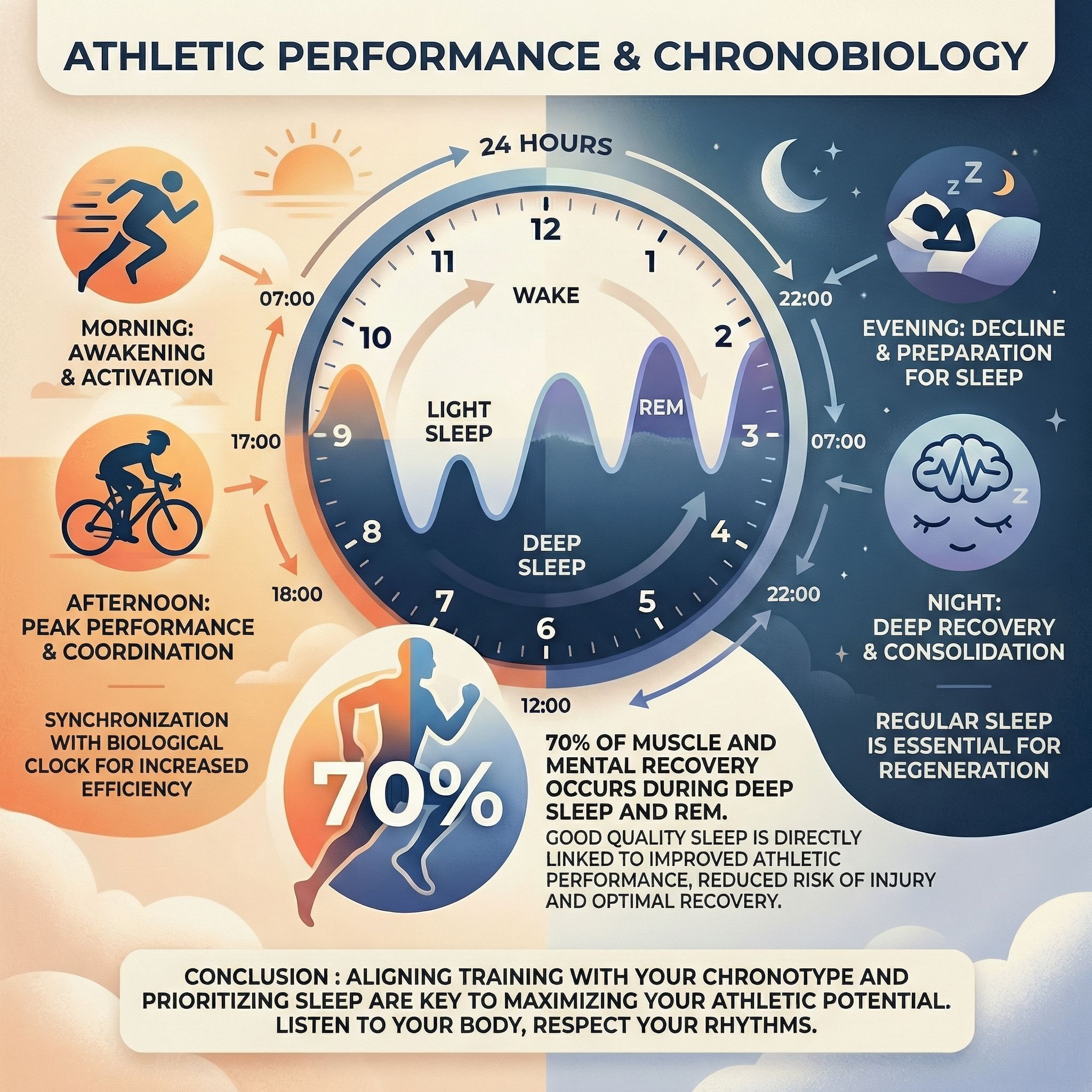
Jet lag is a profound physiological discordance where your biological clock remains tethered to a home that is now thousands of miles away.
Harnessing the power of natural light allows you to signal your brain to reset its production of the sacred sleep hormone, melatonin.
Strategic hydration, gentle movement, and aligning your meals with local rhythms serve as vital anchors to ground your wandering spirit in a new time.
The body requires a gentle hand and time to mend the temporal rift caused by crossing the vast horizons of our world.
Managing Jet Lag Like an Astronaut
Jet Lag: A Measurable Enemy
Before I give you the solutions, let's talk a little about the problem itself. What exactly is jet lag? It's the consequence of a desynchronization between your internal biological clock (your circadian rhythm) and the external environment (the new time zone). Basically, your body continues to function according to the time of your point of departure, even though you've already arrived at your destination.
This discrepancy affects a cascade of physiological processes: melatonin production, body temperature, cortisol secretion, and even your mood. And let's be honest, being grumpy and tired isn't exactly ideal for closing an important deal or shining during a presentation.
And the worst part is that the more you travel east, the more severe the jet lag. Why? Because your body has a harder time advancing its biological clock than delaying it. A New York to London flight will often be less painful than a London to New York flight. It's simply a matter of rhythm.
Light: The Ultimate Reset
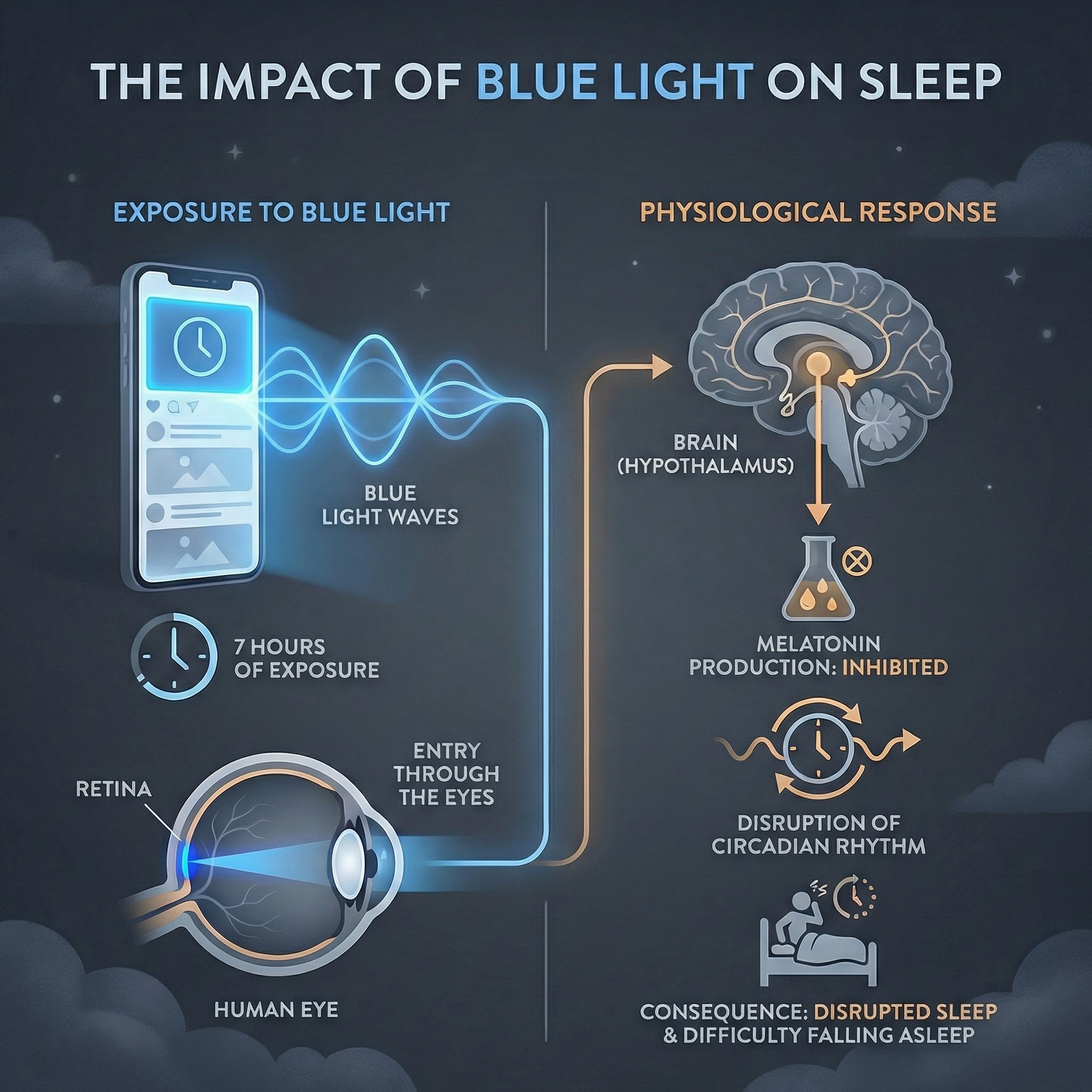
The main tool astronauts use (and you can too) to combat jet lag is light. Light is the most powerful signal for regulating your biological clock. It directly influences the production of melatonin, the sleep hormone.
Here's how you can use light to your advantage:
- Before departure (a few days before): Start shifting gradually. If you're traveling east, get up and go to bed earlier each day. If you're traveling west, do the opposite. The idea is to prepare your body gently. Use a light therapy lamp in the morning to enhance the effect.
- During the flight: Avoid artificial light as much as possible, especially if you're arriving at your destination during the day. Wear a sleep mask and try to sleep during the nighttime hours of your destination's time zone.
- Upon arrival: Expose yourself to natural light as soon as possible. If you arrive in the morning, spend time outdoors. If you arrive in the evening, try to limit your exposure to blue light from screens (phone, computer, television). It's frustrating, I know, but it's crucial.
Melatonin: The Chemical Ally (Use With Caution)
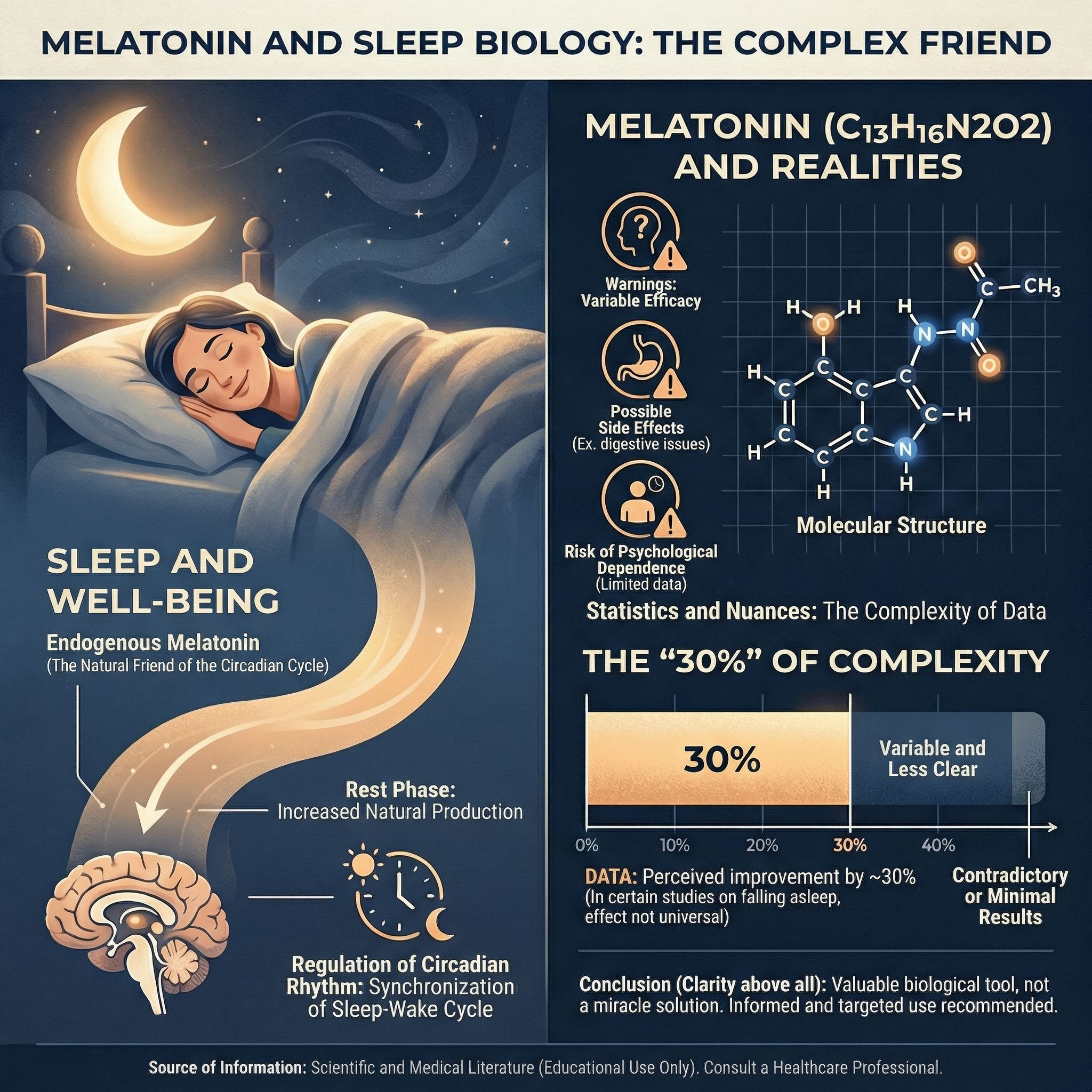
Melatonin is a dietary supplement that can help regulate your sleep cycle. It is often used to treat insomnia and, of course, jet lag. But be careful, it's not a miracle cure, and it should be used with caution.
Here are some rules to follow:
- Consult a doctor: Before taking melatonin, talk to your doctor, especially if you are taking other medications.
- Respect the dosage: Start with a low dose (0.5 to 1 mg) and increase it if necessary, but never exceed 3 mg.
- Take it at the right time: Melatonin is most effective if you take it 30 minutes to 1 hour before the time you want to fall asleep in your new time zone.
- Don't rely on it alone: Melatonin is just one tool among many. Light, hydration, and good sleep hygiene are just as important.
And frankly, avoid stuffing yourself with melatonin in the hope that it will turn you into a sleep machine. It's rarely a good idea, and it can even further disrupt your biological clock.
Hydration, Exercise, and Strategic Meals
In addition to light and melatonin, there are other factors to consider to minimize jet lag:
- Hydration: Drink plenty of water before, during, and after the flight. Dehydration worsens the symptoms of jet lag. Avoid alcohol and caffeine, which have a diuretic effect.
- Exercise: Do moderate physical exercise as soon as you arrive at your destination. It helps you wake up and regulate your biological clock. A simple walk can do wonders.
- Meals: Adapt your meals to your new time zone. Eat light meals and avoid fatty and sugary foods, especially in the evening. Try to eat at regular times, even if you're not hungry. The internal clock also needs food signals.
Listen to Your Body (But Not Too Much)
The most important thing is to listen to your body. If you're tired, rest. If you're hungry, eat. But remember that your body is desynchronized, so don't rely too much on your feelings. Try to stick to a regular schedule, even if it's difficult at first.
And above all, be patient. Jet lag doesn't disappear overnight. You have to give your body time to adapt.
To summarize, here's a simple and effective protocol for managing jet lag like an astronaut:
1. Preparation: Start shifting a few days before departure.
2. Light: Expose yourself to light at the right time.
3. Melatonin: Use it with caution and according to recommendations.
4. Hydration: Drink plenty of water.
5. Exercise: Do moderate physical exercise.
6. Meals: Adapt your meals to your new time zone.
7. Patience: Give your body time to adapt.
It's not an exact science, and what works for one person may not work for another. But by following these principles, you can minimize the impact of jet lag and fully enjoy your business trips.
And if you really want to optimize your sleep and track your adaptation to the new time zone, Midnight Mind can help. The app allows you to record your dreams, and it analyzes your sleep patterns to show you statistics about your sleep cycles, which can give you valuable insights into how your body is reacting to jet lag. It's a way to objectify how you feel, and I love that.