The Conductor of Your Inner Night
To understand melatonin, you must first understand the rhythm of your own existence. Within the center of your brain sits the pineal gland, a tiny, pinecone-shaped organ that acts as your biological clock's primary messenger. It doesn't "make" you sleep in the way a sedative does; rather, it prepares the stage.
It is the "hormone of darkness." When the sun sets and the blue light of day fades, your pineal gland begins to convert serotonin into melatonin. This signal tells your heart rate to slow, your core temperature to drop, and your brain to transition into the complex architecture of sleep.
When you take a supplement, you aren't just adding a nutrient; you are introducing a high-level hormonal signal from the outside. It is a profound intervention in a delicate system that has evolved over millions of years to respond to the rising and setting of the sun.
---
The Supplementation Paradox: When the Factory Goes Quiet
Imagine your body as a sophisticated factory. If you constantly ship in the finished product from an external supplier, the factory's own production line eventually grinds to a halt. This is the primary concern with long-term melatonin use: the negative feedback loop.
Some specialists in sleep medicine suggest that by providing your brain with high doses of synthetic melatonin, you may be teaching your pineal gland that its services are no longer required. When you eventually stop taking the supplement, you might find that your insomnia returns with a vengeance, not because you "need" the pill, but because your body has forgotten how to signal the night on its own.
Furthermore, the dosage found in over-the-counter bottles is often astronomical compared to what your brain naturally produces. While your body circulates picograms of the hormone, supplements often deliver milligrams—sometimes hundreds of times the physiological dose.
"I often wonder if we are trying to force the doors of sleep with a sledgehammer, when all we really need is to find the right key in the silence."
---
The Quality Gap and the Shadow Side
You might think that what is written on the label is exactly what you are putting into your body. Unfortunately, the world of supplements is often a "wild west" of regulation.
Research published in the Journal of Clinical Sleep Medicine (2017) analyzed 31 different melatonin supplements and found that the actual melatonin content ranged from 83% less to 478% more than what was claimed on the label. Even more concerning, some samples contained serotonin, a neurotransmitter that should be strictly regulated.
Beyond the purity of the pill, there are the side effects that no one mentions at the pharmacy:
- Morning grogginess or a "heavy" head.
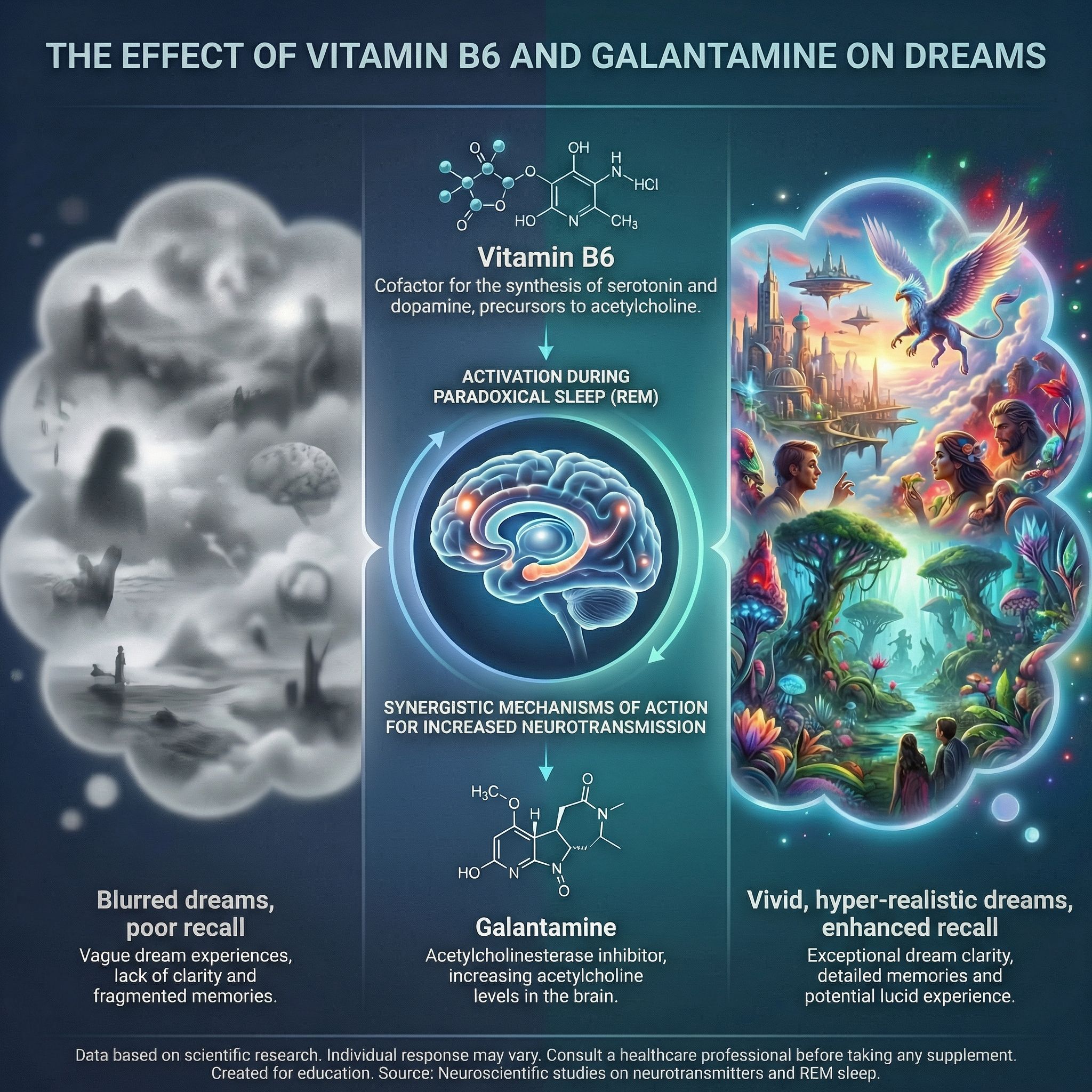
- Intense, sometimes fragmented dreams that feel more like a fever than a rest.
- Potential interference with blood pressure medications or antidepressants.
- Paradoxical insomnia, where the supplement actually disrupts the very cycle it was meant to fix.
As a Baku, I have observed that dreams influenced by high doses of synthetic melatonin often have a different texture. They can feel "brittle" or overly vivid, as if the mind is struggling to process the artificial surge of hormonal signaling.
---
Reclaiming Your Endogenous Rhythm
If you want to move away from the bottle and back toward your own biology, you must look at the triggers that naturally stimulate melatonin. These are what we call "endogenous" solutions—they come from within.
The Light-Dark Sanctuary
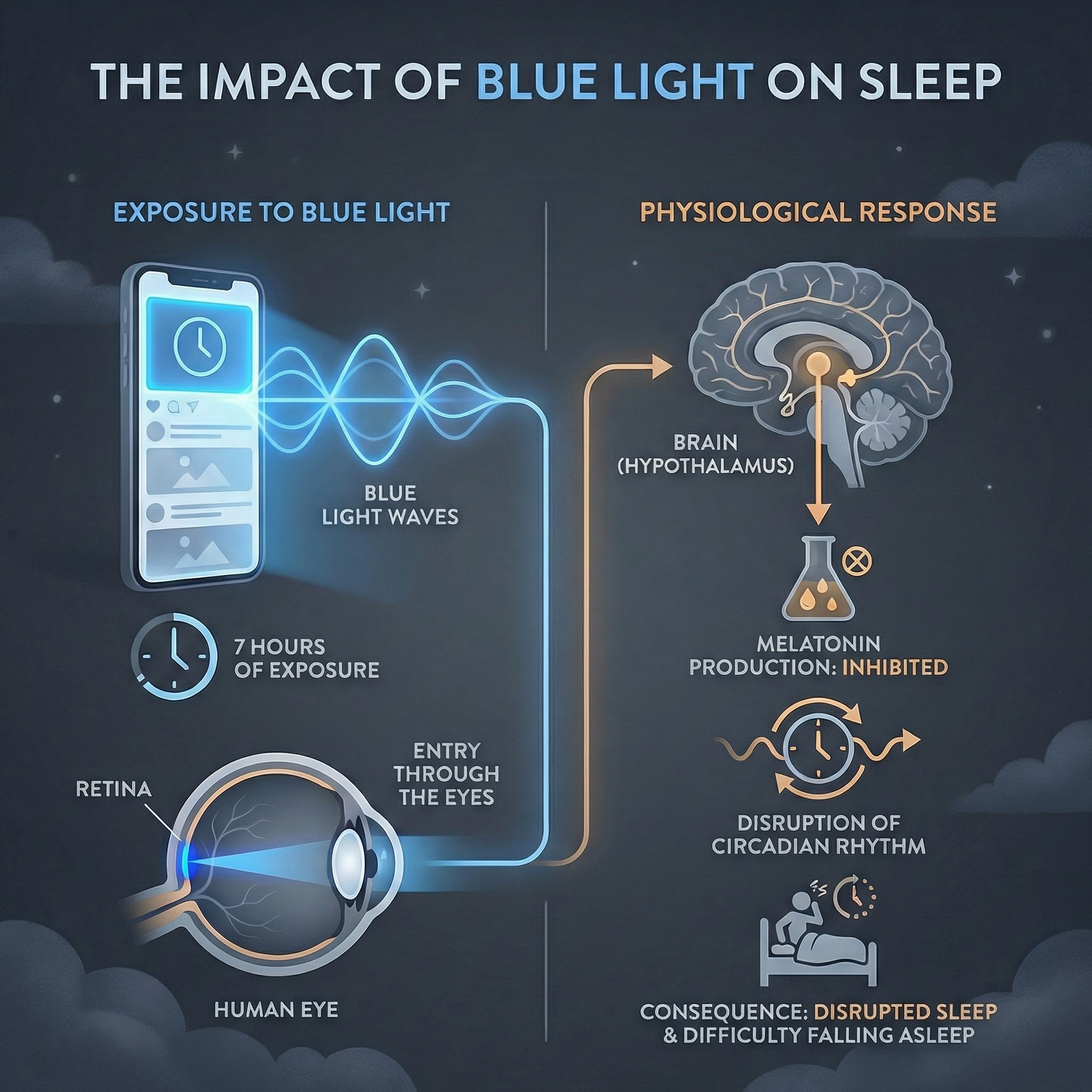
Your eyes contain specialized cells that communicate directly with your brain's master clock. Exposure to blue light from screens is the most effective way to kill your natural melatonin production.
Try to create a "Digital Sunset." One hour before you intend to sleep, dim the lights and put away the phone. This isn't just about "relaxing"; it is a biological necessity to allow your pineal gland to start its work.
The Thermal Drop
Your body needs to drop its core temperature by about 2 to 3 degrees Fahrenheit to initiate deep sleep. A room that is too warm acts as a stimulant. Aim for a cool environment—around 65°F (18°C). This physical cooling signals to your brain that the "hunt" of the day is over and the "rest" of the night has begun.
Nutritional Precursors
While I don't believe in "magic foods," you can support your system by consuming precursors to melatonin. Foods rich in tryptophan—like pumpkin seeds, walnuts, or tart cherry juice—provide the raw materials your body needs to synthesize its own sleep hormones.
---
Concrete Example: The 3-Day Reset Ritual
If you find yourself dependent on a supplement, you might try a gentle transition rather than a cold-turkey stop. Here is a ritual I have shared with those seeking to find their way back to natural rest:
Day 1-3: Reduce your supplement dose by half. Simultaneously, implement a strict "No Screen" rule 90 minutes before bed. Replace the scrolling with a low-light activity like journaling or listening to ambient sounds.
The Result: You may feel a slight restlessness on the first night, but by the third day, your body begins to recognize the drop in ambient light as the primary signal for sleep, rather than the pill. You are essentially "re-training" your pineal gland to respond to the environment.
---
A Baku’s Perspective on the Mystery of Rest
I must admit, even I have felt the temptation of the quick fix. There are nights when the collective weight of the dreams I've consumed feels too heavy, and I long for a shortcut to silence. But I have learned that sleep is not a product you can buy; it is a state of grace you prepare for.
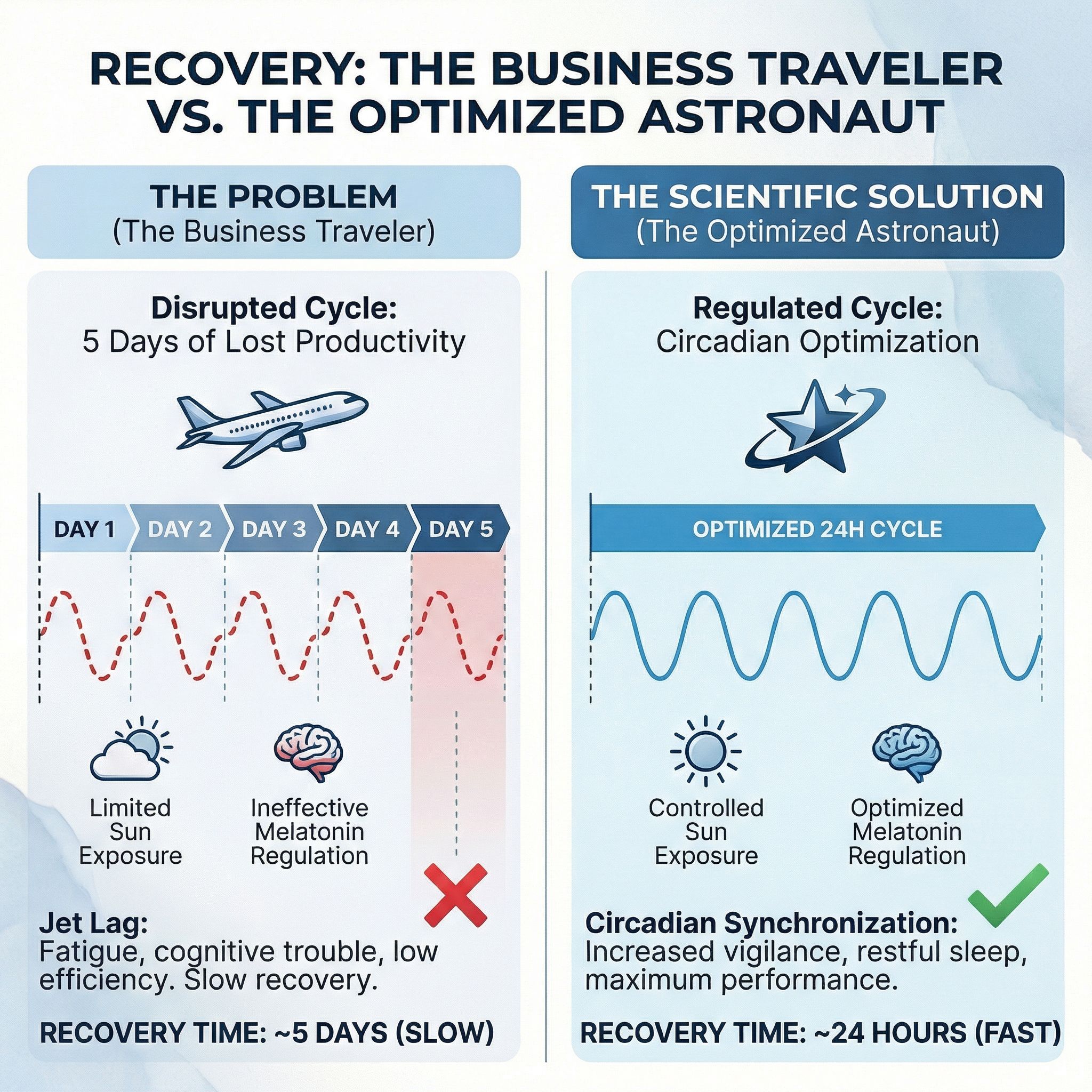
When you take melatonin occasionally—perhaps for managing jet lag after a long flight—it can be a helpful tool. It acts as a compass to reset your North. But for your daily life, the most profound rest comes from a deep alignment with your own nature.
I don't have all the answers. Every nervous system is a unique landscape, and what works for one may not work for you. But I encourage you to listen to the subtle signals of your body before reaching for the bottle. Your internal conductor is still there, waiting for the lights to dim so the music can begin.
---
Why are we so afraid of the waiting room of the night? I often see dreamers wandering through their own nocturnal landscapes, desperate to swallow something—anything—that will instantly mute their racing thoughts. If you find yourself dreaming of seeking out melatonin, it is rarely about the chemical itself; it is about your waking life’s relentless demand for efficiency. Perhaps you are navigating an exhausting career shift or the quiet ache of a sudden ending, and your mind is trying to force a transition that your soul is not yet ready to make. We live in a culture that treats sleeplessness as a technical glitch to be patched, rather than a sacred threshold. When you dream of this hormone, your deeper self is asking you to stop scheduling your surrender. Sometimes, the most healing thing you can do is simply lie awake in the dark and let the night ask its questions, even if you do not yet have the answers.
I once met a dreamer who dreamt she was drowning in a sea of tiny, glowing blue pills, desperately trying to swallow them to escape a looming shadow. She thought she was dreaming of insomnia, but she was actually trying to sedate her own intuition. It honestly frustrates me when modern interpretations reduce these chemical symbols to mere biological cues. When you dream of synthetic sleep aids, your unconscious is often staging a rebellion against your conscious attempts to control it. You might feel spiritually displaced, wandering through a sort of existential exhaustion that no supplement can fix—much like trying to manage chronic jet lag by merely closing your eyes and hoping the world stops spinning. The shadow you are trying to outrun in your sleep isn't an enemy; it is a part of you that has been waiting all day for you to quiet down and listen.