AT A GLANCE
TL;DR
The Nappuccino involves drinking a dose of caffeine immediately before a strictly timed 20-minute nap.
It leverages the 20-minute delay in caffeine absorption to ensure you wake up just as the stimulant hits your bloodstream.
This technique clears adenosine (the "sleep pressure" molecule) from your brain while caffeine blocks the remaining receptors.
It prevents "sleep inertia" by keeping you in the lighter stages of sleep, avoiding the heavy disorientation of deep sleep.
Beyond alertness, it can enhance your access to the hypnagogic state—the creative threshold between wakefulness and dreaming.
How to Master the Nappuccino Protocol for Peak Cognitive Performance and Vivid Dreams
You know that heavy feeling in the mid-afternoon when your brain feels like it’s wading through thick fog, and even your third espresso can’t seem to pierce the haze. You struggle to stay focused, yet you fear that a traditional nap might leave you feeling even more groggy, disoriented, and unable to function for the rest of the day. In this guide, I will show you how to combine caffeine with a strategic, short rest to unlock a state of heightened alertness and creative clarity, effectively transforming your afternoon slump into a moment of profound mental renewal and introspective discovery.
---
The Biological Alchemy of Caffeine and Sleep
To understand why this protocol works, you have to look at the chemistry of your own fatigue. Throughout the day, a molecule called adenosine builds up in your brain. Think of it as a byproduct of your brain’s energy consumption; the longer you stay awake, the more adenosine accumulates, latching onto receptors and signaling to your body that it is time to rest. This is what we call "sleep pressure."
Caffeine is a master of disguise. Its molecular structure is remarkably similar to adenosine. When you consume it, caffeine travels to your brain and fits into those same receptors, effectively "plugging" them so adenosine cannot enter. However, caffeine doesn't just work instantly. It takes approximately 20 to 25 minutes to pass through your small intestine, enter your bloodstream, and reach your brain.
This is where the magic happens. If you sleep during those 20 minutes, your brain naturally clears out some of the accumulated adenosine. By the time you wake up, two things occur simultaneously: your "sleep pressure" has been lowered by the nap, and the caffeine has finally arrived to block the remaining receptors. You aren't just waking up; you are waking up with a clean slate and a chemical shield against further fatigue.
🌙 Sora's Echo: I often watch the way shadows stretch in the afternoon, mirroring the weight you feel behind your eyes. It is a moment of transition, where the soul asks for a pause that the modern world rarely grants.
---
The Architecture of the 20-Minute Threshold
You might wonder why I insist on such a short duration. The answer lies in the architecture of sleep. When you close your eyes, you don't immediately plummet into the depths of the night. You begin in Stage 1 (N1), a light, transitional phase, before moving into Stage 2 (N2).
If you allow your nap to stretch beyond 30 minutes, your brain begins to descend into slow-wave sleep (Stage 3). Waking up from this deep state is like trying to pull a heavy anchor from the seabed; it results in sleep inertia, that miserable, "drunken" feeling that can last for hours. By keeping your nap to 20 minutes, you stay in the lighter stages. You reap the benefits of mental refreshment without the heavy price of disorientation.
Research suggests that this specific combination is significantly more effective than either a nap or caffeine alone. A classic study published in the Journal of Sleep Research (Horne & Reyner, 1996) demonstrated that participants who used the "coffee nap" technique performed better on driving simulators and cognitive tasks than those who only had coffee or only took a short nap. It is a rare case where 1+1 equals 3.
---
The Step-by-Step Protocol for a Perfect Nappuccino
To master this ritual, you must treat it with the same respect you would give a meditation or a sacred tea ceremony. It is not about rushing; it is about precision.
1. Select Your Catalyst: You need approximately 100mg to 200mg of caffeine. A double espresso or a quick cup of black coffee is ideal. Avoid sugary energy drinks if you can; the subsequent sugar crash will only sabotage your efforts later. 2. The Rapid Consumption: Drink your coffee quickly. You aren't savoring the notes of chocolate or citrus here; you are starting a 20-minute countdown. 3. Immediate Transition: As soon as the cup is empty, lie down. Do not check your emails. Do not scroll through your feed. Use a sleep mask to signal to your pineal gland that it is time to retreat. 4. The Gentle Guardian: Set an alarm for exactly 20 minutes. Choose a sound that is soft and ascending—perhaps the sound of a singing bowl or distant rain. You want to be coaxed back to the world, not startled. 5. The Threshold State: Even if you don't "fall asleep" in the traditional sense, do not worry. Simply closing your eyes and slowing your breathing allows your brain to enter a state of quiet wakefulness that still facilitates adenosine clearance. 6. The Re-Entry: Once the alarm sounds, stand up immediately. Seek out natural light or a bright lamp. This helps suppress any lingering melatonin and signals to your internal clock that the "day" has resumed.
---
Beyond Alertness: The Creative Edge of Hypnagogia
As a Baku, I am particularly interested in what happens at the edges of your consciousness. The Nappuccino does more than just fix your focus; it places you squarely in the hypnagogic state. This is the "liminal space" between being awake and being asleep, where your mind begins to generate vivid imagery, strange associations, and sudden insights.
Because caffeine is a stimulant, it can keep your conscious mind slightly more "tethered" to reality while your subconscious begins to play. This can lead to a boost of creativity while you snooze, as you might experience flashes of "micro-dreams" that feel incredibly real.
Many great thinkers, from Thomas Edison to Salvador Dalí, utilized similar short-napping techniques to harvest ideas from the depths of their minds. By using caffeine to sharpen the wake-up, you are more likely to remember these fleeting, golden fragments of thought that usually vanish upon waking.
🌙 Sora's Echo : In that thin sliver of time before the caffeine takes hold, your mind is a garden without fences. Let the images grow; they are the language your soul uses when the logic of the day is silenced.
---
Concrete Example: The Creative's Afternoon
Imagine you are a graphic designer working on a complex branding project. It’s 2:30 PM, and you’ve been staring at the same logo for three hours. The colors look dull, and your inspiration has evaporated.
You prepare a quick espresso, drink it, and lie down on your sofa with a weighted eye mask. For the first five minutes, your mind races. But then, you feel your body go heavy. You drift into a light haze where the logo you were working on starts to morph into a bird, then a flame.
The alarm chirps. You sit up, feeling a sudden "zing" as the caffeine hits. The image of the flame-bird is still fresh in your mind. You return to your desk, and within ten minutes, you’ve sketched the breakthrough concept that had eluded you all morning. You aren't just awake; you are inspired.
---
Navigating the Shadows: When to Avoid the Hack
While the Nappuccino is a powerful tool, it is not a universal remedy. You must listen to the rhythm of your own biology.
- The Midnight Threshold: Avoid this protocol after 3:00 PM or 4:00 PM. Caffeine has a half-life of about 5 to 6 hours. If you take a Nappuccino too late, you will find yourself staring at the ceiling at midnight, unable to enter the deep, restorative sleep your body needs for long-term health.
- Caffeine Sensitivity: If you are someone who feels jittery or anxious after a single cup of tea, this may not be for you. The goal is calm alertness, not a racing heart.
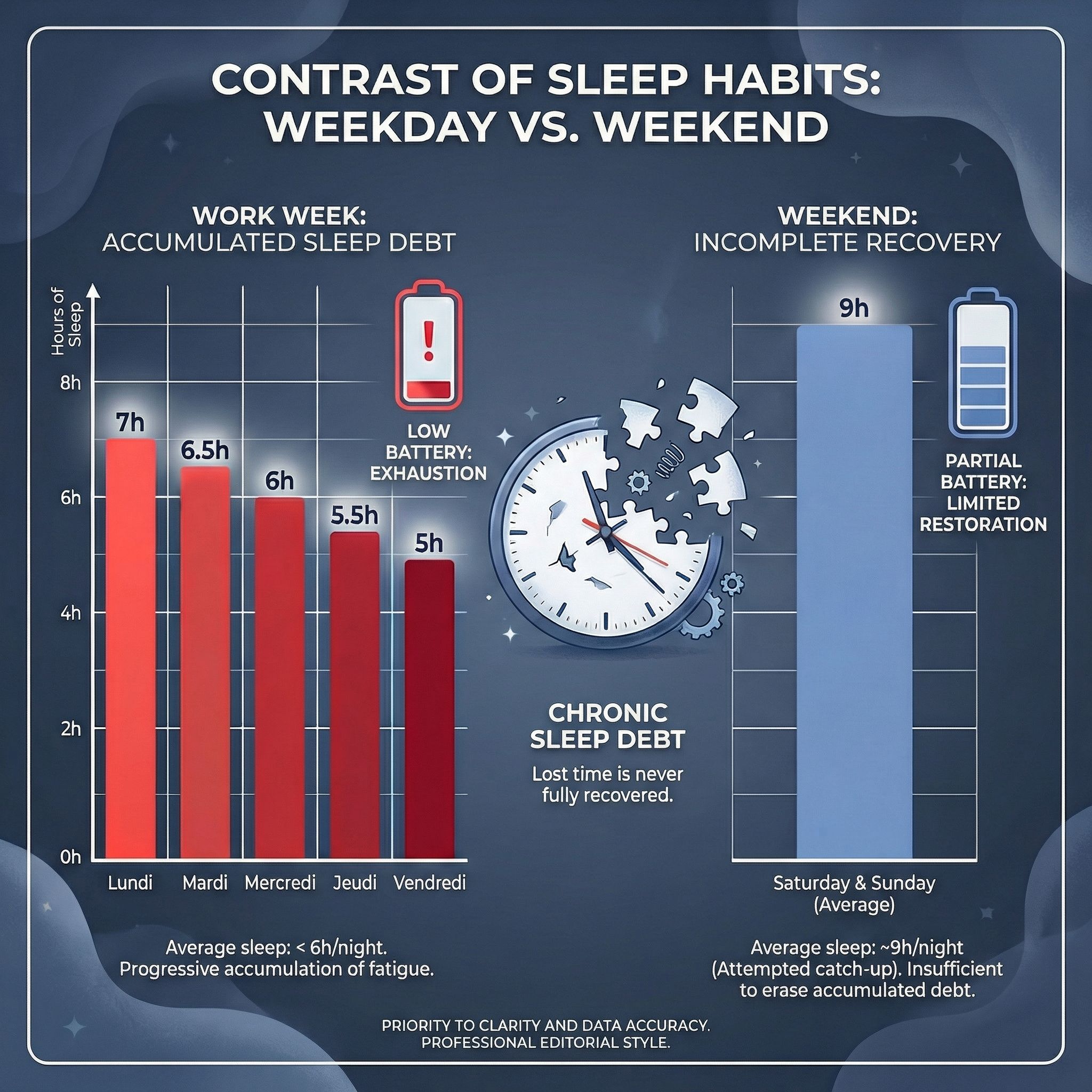
- The Debt Trap: Remember, a Nappuccino is a tool for optimization, not a cure for chronic sleep deprivation. If you are consistently getting only four hours of sleep a night, no amount of caffeine-fueled napping will replace the fundamental healing of a full night's rest.
---