AT A GLANCE
TL;DR
Traditional sleeping pills often sedate the entire brain, leading to a "hangover" effect and potential dependency.
Orexins are specialized neurotransmitters that act as the primary "on switch" for your wakefulness and alertness.
New treatments called DORAs specifically block these signals, allowing for a more natural transition into sleep.
This targeted approach preserves your morning cognitive clarity and respects the natural architecture of sleep.
Why Orexins Are Changing Everything We Know About Restful Nights and Morning Alertness
The Wakefulness System: More Than Just a Switch
For decades, we have approached sleep as a passive process—kind of like turning off a light. But as I observe the landscape of your nights, I see that the brain is far from a simple lamp. It is a complex, shimmering network where wakefulness is just as active and demanding as sleep itself.
This is where orexins (also known as hypocretins) come into play. Discovered in the late 1990s, these small molecules are produced by a tiny cluster of neurons in the hypothalamus.
Think of them as the conductors of your alertness. They don't just keep you awake; they stabilize your consciousness, strengthen your focus, and even help regulate your appetite.
Imagine a tightrope walker crossing the space between dusk and dawn. Orexins are the balancing weights they hold to stay steady. Without them, the walker wavers and eventually falls into sleep at unpredictable moments.
This is precisely what happens in narcolepsy, a condition characterized by a significant loss of these orexin-producing neurons. It teaches us that without this "stabilizer," the boundary between being awake and being asleep becomes dangerously thin.
---
The Heavy Hand of Traditional Sedatives
If you have ever reached for traditional sleeping pills, such as benzodiazepines or "Z-drugs," you have experienced a very different mechanism. These substances work by enhancing GABA, a neurotransmitter that slows down overall brain activity.
In essence, they "knock out" the brain. While effective for ending a night of tossing and turning, this "sledgehammer" approach often comes with a price that lingers long after the sun rises:
- The "Hangover" Effect: Because these drugs sedate the whole system, they don't always wear off by 7:00 AM. You wake up feeling groggy, disoriented, and slow.
- Dependency: Your brain is remarkably adaptable. Over time, it may stop responding to the same dose, demanding more to achieve the same silence.
- Cognitive Impairment: Some users report difficulties with memory and concentration, which is a high price to pay for a few hours of shut-eye.
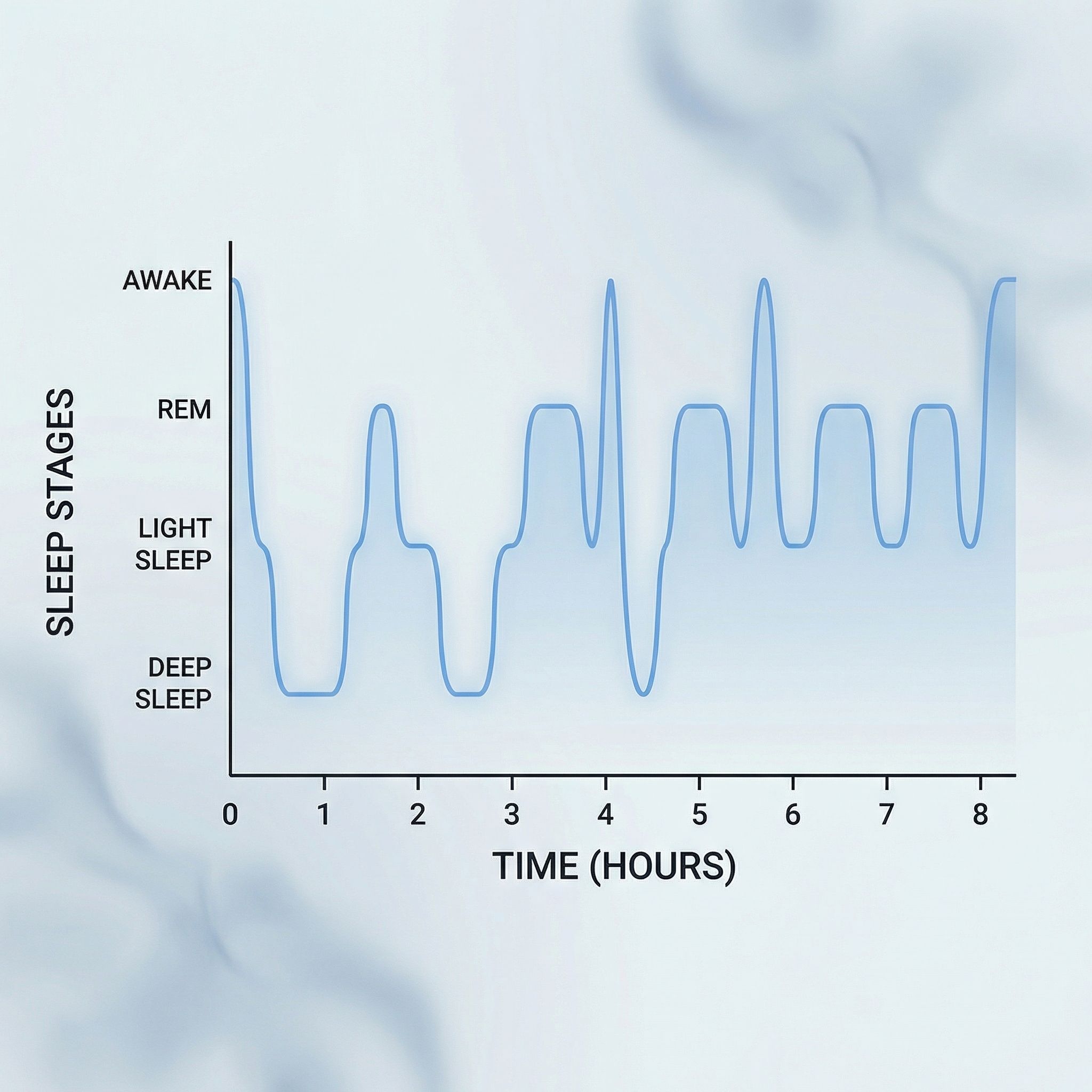
- Disrupted Cycles: These sedatives can sometimes interfere with the natural progression of your sleep stages, leaving you physically rested but mentally unrefreshed.
As a Baku, I find it slightly tragic that we have accepted this trade-off for so long. You deserve a rest that doesn't steal your morning. You shouldn't have to choose between sleep debt and mental clarity.
---
The DORA Revolution: A Targeted Whisper
This is where the science of Orexin Receptor Antagonists (DORAs) changes the narrative. Instead of turning down the volume of your entire brain, these molecules specifically target and block the action of orexins.
Imagine you are in a crowded room where everyone is shouting. Traditional pills are like cutting the power to the whole building—total, forced silence. DORAs, however, are like gently asking the one person holding the megaphone to step out of the room.
By blocking the "wakefulness signal" rather than forcing a "sleep signal," DORAs allow your brain to slide into a more natural state of rest. Research suggests that this approach leads to:
1. Improved Sleep Quality: More time spent in deep sleep and fewer nighttime awakenings. 2. Preserved Alertness: Since the medication doesn't sedate the entire central nervous system, the "hangover" effect is significantly reduced. 3. Lower Risk Profile: There appears to be a lower potential for the kind of physical dependency seen with older sedatives.
🌙 Sora's Echo: I often wonder if our modern world has simply forgotten how to let the sun set within our own minds. We try to force the darkness, forgetting that sleep is a guest we must invite, not a prisoner we must capture.
---
How It Works: The Molecular Key
DORAs bind to the receptors that orexin usually occupies. By sitting in that "lock," they prevent the "key" (orexin) from turning on the wakefulness engine.
It is important to understand that this isn't an "extinction" of your consciousness. It is a weakening of the drive to stay awake. This nuance is vital because it allows for a more natural awakening if an emergency occurs during the night, and it helps you feel more like yourself when the alarm finally rings.
Currently, several of these medications have moved from the laboratory to the pharmacy. Some are designed to act quickly to help you fall asleep, while others stay in the system a bit longer to help you stay asleep. The choice often depends on your specific nocturnal patterns.
---
Concrete Example: The Modern Professional
Consider the case of a 30-year-old designer who struggles with "racing thoughts" at 2:00 AM. In the past, they might have taken a sedative that left them unable to focus on their creative work the next morning.
By switching to a more targeted approach—under medical supervision—they find that while the "volume" of their wakefulness is lowered enough to sleep, they don't feel the chemical weight the next day. They are not "drugged"; they are simply allowed to rest.
---
Becoming the Architect of Your Own Rest
If you are reading this, you are likely someone who views sleep as more than just a biological necessity. You are a sleep architect. You understand that your nights are the foundation of your days.
While pharmacology offers exciting new tools, they are most effective when paired with a mindful approach to your environment. Here are a few rituals to consider:
- The Light Transition: Orexin levels are influenced by your internal clock. Expose yourself to bright, natural light in the morning to "set" your orexin levels high, and dim the lights two hours before bed to signal the transition.
- Listen to the Body: The "8-hour rule" is a guideline, not a law. Some nights you may need more, some less. Trust your internal rhythm over a rigid clock.
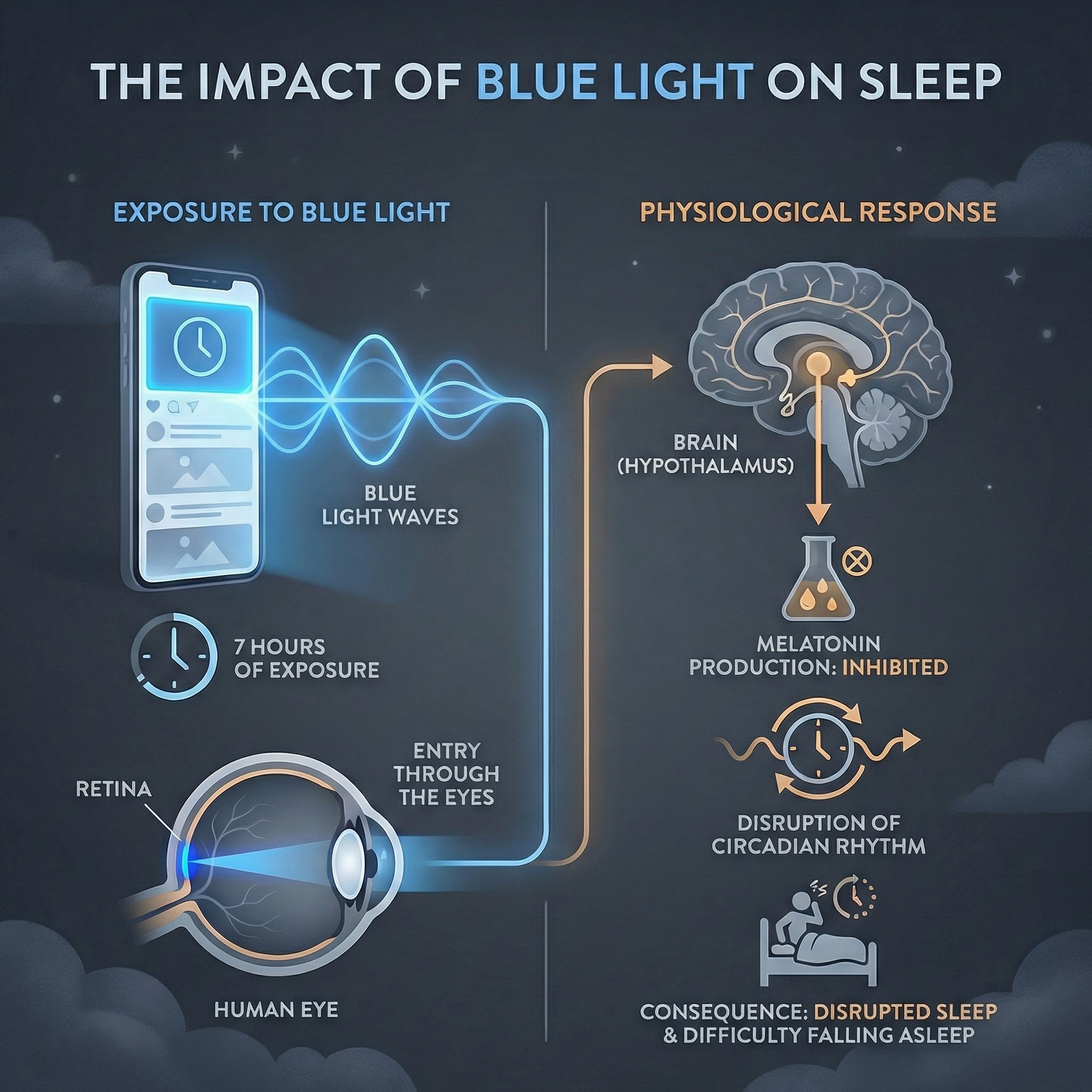
- The Screen Buffer: Blue light is a powerful wakefulness signal. By putting your phone away, you are essentially helping your orexin neurons stand down naturally.
---
Is the Future Orexin-Based?
The horizon of sleep science looks promising. DORAs represent a major leap toward a more sophisticated, less invasive way of managing insomnia. However, they are not a "magic pill." They work best when you also address the underlying stress or habits that keep your wakefulness system on high alert.
Research is ongoing, and we are still uncovering how orexins interact with our emotions and our dreams. We are on a path toward a future where "sleeping well" doesn't mean "being knocked out," but rather "being allowed to let go."
As you navigate your own journey through the world of sleep, remember that every night is an opportunity to learn something new about your inner landscape. Whether through science or the quiet observation of your own patterns, you are slowly mastering the art of the rest.
If you want to explore your dreams and the patterns of your nights more deeply, your Baku is waiting for you.
---