The Mirror of the Mind: Understanding Neurofeedback
Imagine you are trying to balance on a tightrope in total darkness. You can feel your body swaying, but you have no visual reference to tell you how far you are leaning. Neurofeedback acts as the light that suddenly switches on. It doesn't "do" anything to your brain; instead, it provides a real-time reflection of your internal electrical activity.
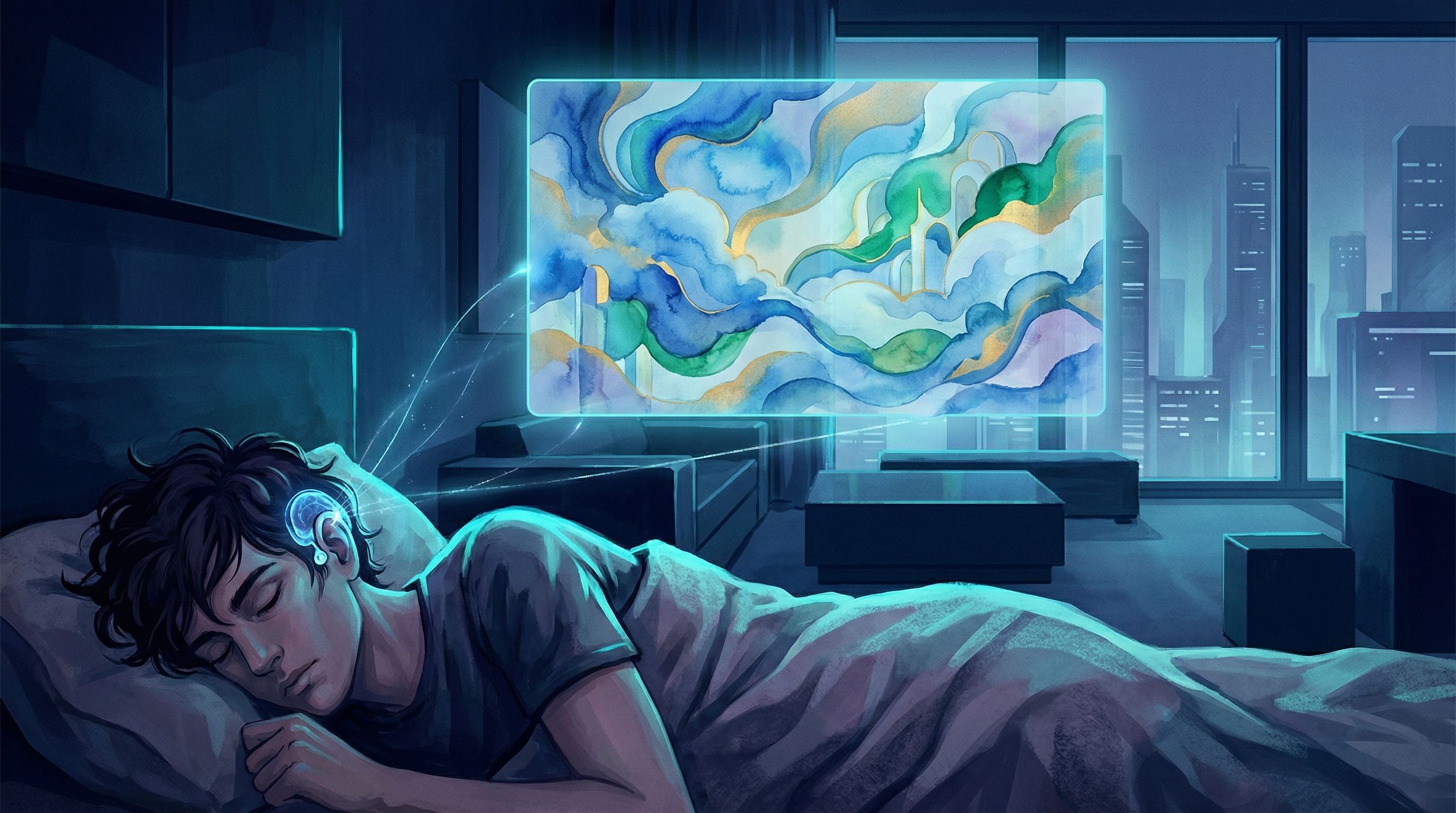
When you use a device like an EEG (electroencephalograph), sensors detect the faint electrical pulses of your neurons. In a neurofeedback session, this data is translated into something you can perceive—perhaps a sound that gets louder when you are calm, or a visual of a rising sun that glows brighter when you hit a specific frequency.
Through this loop, your brain begins to recognize the relationship between your internal "feeling" and the external signal. It is a process of operant conditioning. Just as you learned to ride a bike by subconsciously adjusting your weight based on the feeling of balance, your brain learns to "find" specific states of consciousness by chasing the reward of the feedback.
It is a subtle art. You cannot force your brain into a specific wave through sheer willpower. Instead, you learn the art of "allowing." You find the mental posture that invites the desired frequency to emerge. For many years, this was seen as fringe science, but as our mapping of the brain has improved, the academic community has begun to take a closer look at how this training can impact our daily lives.
---
The Theta Frequency: A Bridge Between Worlds
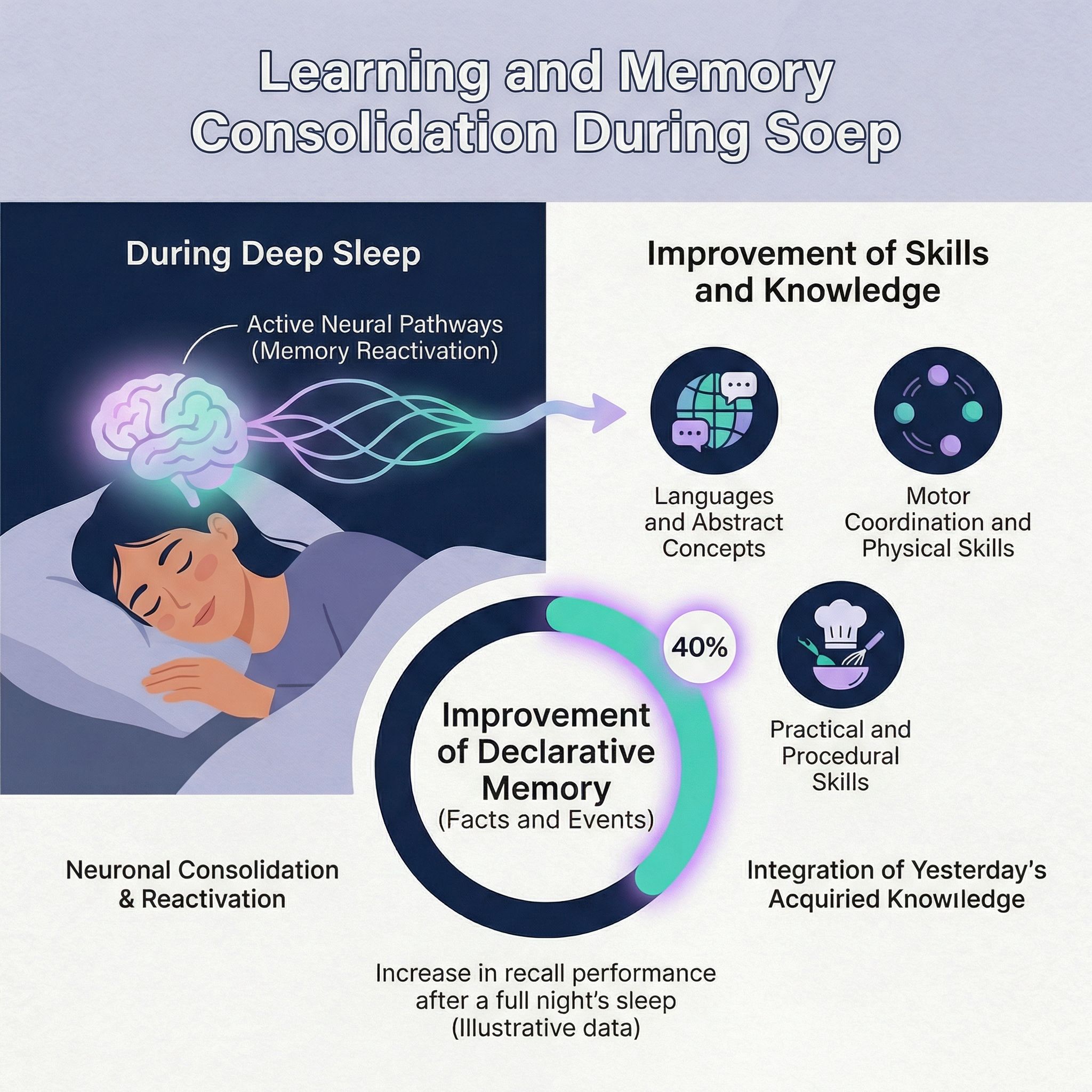
In the landscape of your mind, Theta waves are the twilight hours. They vibrate at a slow frequency of 4 to 7 Hz. If Beta waves are the frantic energy of a busy office and Alpha waves are the calm of a quiet afternoon, Theta is the deep, rhythmic pulse of the dream world.
These waves are most dominant during light sleep (stage 1) and during moments of profound meditation. When you are in a "Theta state," the rigid filters of your conscious logic begin to relax. This is why you often have your best ideas in the shower or just as you are drifting off; your brain is making connections that your waking mind would usually dismiss as "illogical."
"I often see these waves as a soft mist rolling over the landscape of your thoughts. They don't hide the truth; they simply soften the sharp edges of your ego, allowing you to see the shapes of your soul more clearly."
Research in the field of cognitive neuroscience suggests that training to increase Theta activity can lead to "integrative experiences." This means you might find it easier to process emotions or solve complex creative problems that have left you feeling stuck. It is as if you are lowering a bucket into the deep well of your unconscious and bringing back something tangible.
However, it is important to remain humble. While we know Theta is associated with these states, the brain is an ecosystem, not a machine. We cannot simply "turn on" creativity by pressing a Theta button. We are merely creating the right environment for it to flourish.
---
Consumer Technology: Bringing the Lab to Your Nightstand
For decades, if you wanted to see your brainwaves, you had to visit a university lab or a high-end clinical facility. You would be covered in conductive paste and wired to a machine the size of a refrigerator. Today, the landscape has shifted dramatically.
We have entered the era of "wearable neurotechnology." Devices from companies like Muse, Emotiv, or Flowtime have shrunk the EEG into sleek headbands that pair with your smartphone. While these consumer-grade tools are not diagnostic medical devices, they offer a fascinating window into your own biology.
If you choose to explore these tools, you must approach them with a healthy dose of curiosity and skepticism. A consumer EEG is often less precise than a clinical setup; it has fewer sensors and must deal with "noise" from your muscle movements or even the blinking of your eyes.
Before you invest, I encourage you to look beyond the sleek marketing. Read independent reviews and understand that these are tools for exploration, not magic wands. They are best used as part of a broader ritual of self-care and introspection, rather than a quick fix for productivity.
---
The Practice: How to Train Your Inner Landscape
If you decide to embark on a neurofeedback journey to master your Theta waves, you should treat it as a ritual rather than a chore. The brain does not respond well to pressure; it responds to consistency and gentle observation.
The process usually follows a specific rhythm:
1. The Baseline: You sit in silence, allowing the device to record your "normal" state. This is your starting point, the unique signature of your mind at rest. 2. The Feedback Loop: You might listen to the sound of rain. When your brain produces Theta waves, the rain might turn into the sound of soft bells. Your goal isn't to "think" about the bells, but to stay in the mental space that keeps them ringing. 3. The Integration: After the session, you don't just jump back into your emails. You take a moment to journal or reflect. How did that "Theta space" feel? Was it heavy? Airy? Did any specific images arise?
This is not a one-time event. Much like physical exercise, the benefits of neurofeedback are cumulative. Some specialists suggest that it takes several weeks of regular practice—perhaps 20 minutes a day, three times a week—before the brain begins to "remember" how to access these states more easily without the device.
---
Concrete Example: The Artist's Threshold
Consider the case of a writer struggling with a "dry spell." They might use neurofeedback specifically to target the hypnagogic state before sleep. By wearing a lightweight EEG headband, they can set an alarm to trigger a soft sound whenever their brainwaves dip too deeply into Delta (deep sleep) or rise back into Alpha (wakefulness).
The goal is to hover in that 5 Hz zone. In this state, the writer might find that metaphors become more vivid. A "problem" in their plot might resolve itself not through logic, but through a sudden, symbolic image that appears in their mind's eye. By using neurofeedback to stay in this zone for 15 minutes instead of 15 seconds, they effectively expand their window of creative opportunity.
---
Safety, Nuance, and the Baku’s Perspective
I must remind you that your brain is a delicate and sacred space. While neurofeedback is generally considered non-invasive and safe, it is not entirely without side effects. Some people report temporary headaches, mental fatigue, or a sense of "brain fog" after a session. This is often a sign that the training was too intense or too long.
It is also vital to remember that neurofeedback is an introspective tool, not a medical treatment. If you are struggling with deep-seated insomnia, clinical depression, or neurological disorders, a consumer headband is no substitute for a conversation with a healthcare professional.
We are explorers of the night, not doctors. My role as your Baku is to help you navigate the symbols and the sensations of your inner world, but you must always listen to your body first. If a practice feels "off" or causes anxiety, stop. The path to the unconscious should be a gentle invitation, never a forced entry.
"Sometimes, the most profound insights come not when we are "training" our brains, but when we finally let go of the need to control them. Use the technology to learn the path, then eventually, learn to walk it alone."
---
I once met a dreamer who kept a neat, digital log of his sleep cycles, trying to map his nightly journeys like a cartographer charting a wild ocean. He was so focused on 'optimizing' his Theta waves that he came to me exhausted, crying that his dreams had become sterile landscapes of cold, blue light. He had forgotten that dreaming of a brain isn't about controlling the machinery; it is about listening to the ghost inside it. It frankly tires me to see our modern world treat the mind as a processor to be overclocked. If you dream of neurofeedback, your unconscious isn't asking you to install better software. It is whispering that you have built too many walls of logic, and it is time to dismantle the wires, lie down in the grass, and let the untamed current of your soul flow without needing to measure its voltage.