The Glymphatic Highway: Your Brain's Well-Kept Secret
So, how does this "brain plumbing" actually work? Basically, the glymphatic system, discovered relatively recently (around 2012), is a network that uses cerebrospinal fluid (CSF) to remove metabolic waste from the brain. During sleep, glial cells (the brain's support cells) shrink by about 60% (that's the brain shrinkage I mentioned earlier!). This shrinkage increases the space between brain cells, facilitating the circulation of CSF. Imagine it as a highway that clears up at night, allowing an army of cleaners to do their work.
The CSF circulates through these spaces, sweeping away waste, including the infamous beta-amyloid and tau proteins. These proteins are involved in the development of Alzheimer's disease. In short, the more efficiently your glymphatic system functions, the lower your risk of accumulating these toxic wastes. It's like regularly emptying the trash to prevent it from overflowing and poisoning the room.
Beta-Amyloid and Tau: The Invisible Enemies
These proteins, beta-amyloid and tau, are often presented as the villains in the Alzheimer's story, and rightly so. Beta-amyloid tends to clump together to form senile plaques, while tau protein tangles inside neurons, preventing them from functioning properly. Both of these phenomena disrupt communication between neurons and eventually lead to their death.
Several studies have demonstrated a direct link between disruption of the glymphatic system and the accumulation of these proteins. For example, a study published in the journal Science showed that mice with impaired glymphatic systems had significantly greater accumulation of beta-amyloid in their brains.
But be careful, it's not as simple as "beta-amyloid = Alzheimer's." These proteins are found in the brains of elderly people who never developed the disease. It's probably the combination of a genetic predisposition, an unfavorable lifestyle, and a malfunctioning glymphatic system that creates the perfect cocktail for the disease.
Dreaming is Cleaning: An Essential Link
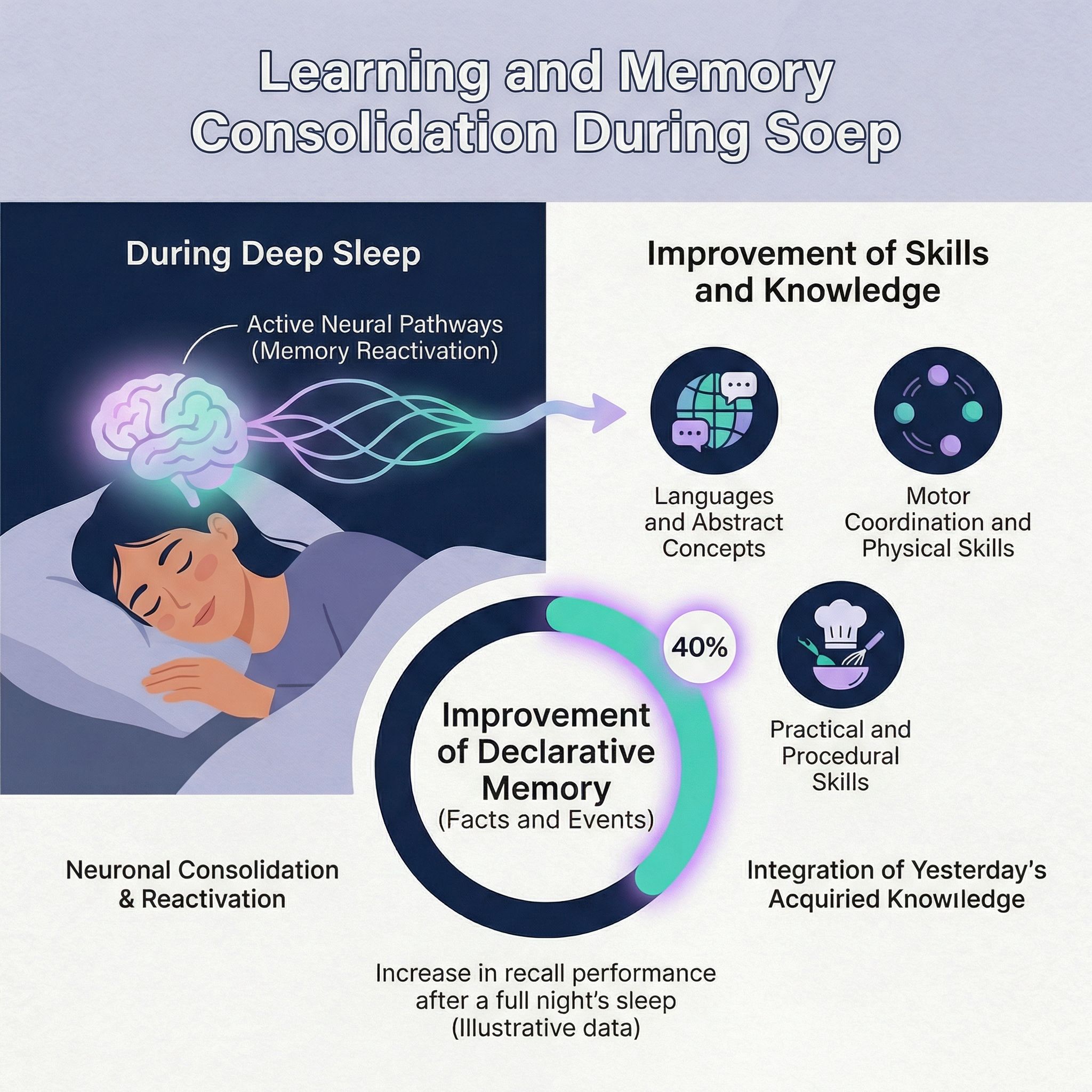
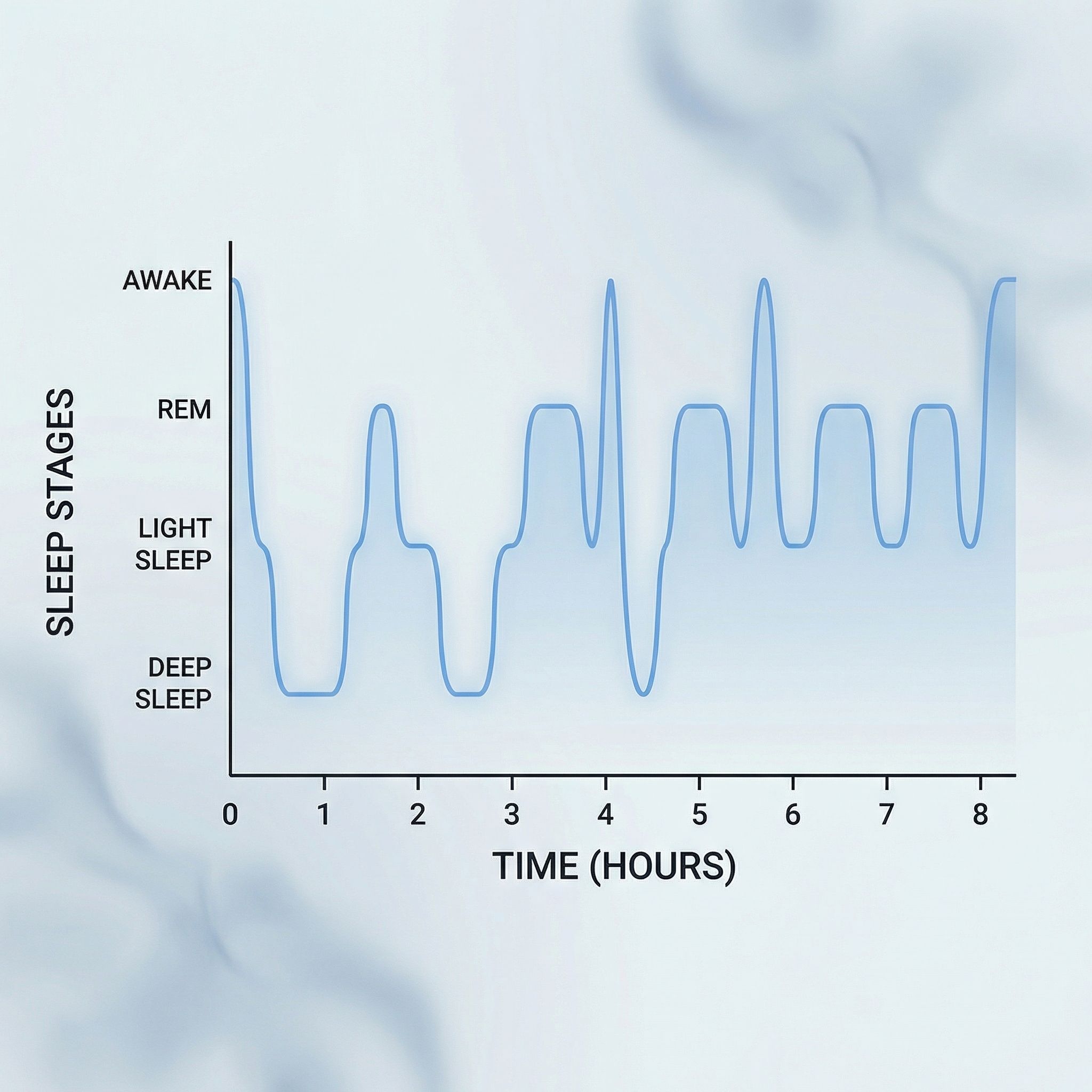
Now, the crucial point: why is dreaming important in all of this? The answer lies in brain waves and metabolic activity. During REM (rapid eye movement) sleep, the phase in which we dream most intensely, brain activity is surprisingly similar to that of wakefulness. We observe an increase in blood flow and oxygen consumption, which stimulates the glymphatic system.
In other words, dreaming is like pressing the "boost" button on the cleaning system. We force the brain to work, to get rid of toxins, to consolidate memories. And it makes sense, doesn't it? During the day, we bombard our brain with information. At night, we need to sort, organize, and clean up. And dreaming is an essential part of that process.
Moreover, studies using brain imaging have shown that people who have more vivid and frequent dreams tend to have better cognitive function and a lower risk of developing neurodegenerative diseases. Okay, maybe I'm getting a little carried away here, but the correlation is still pretty telling.
Optimize Your Glymphatic System: Practical Tips (Tested and Approved by a Baku)
So, how do you boost your glymphatic system and make sure your brain cleans itself properly at night? Here are some tips, based on the latest research and my personal experience (yes, even Bakus have insomnia sometimes…):
- Prioritize Quality Sleep: This may seem obvious, but it's the foundation. Aim for 7 to 8 hours of sleep per night. Create a regular bedtime routine, avoid screens before bed, and make sure your room is cool, dark, and quiet. I know, easier said than done, but trust me, it makes a difference.
- Exercise Regularly: Physical activity stimulates blood and lymphatic circulation, which promotes brain cleansing. No need to become an Olympic athlete, a simple daily walk can do wonders.
- Stay Properly Hydrated: CSF is made up mostly of water, so it's essential to stay well hydrated. Drink enough water throughout the day, especially before going to bed.
- Adopt an Anti-Inflammatory Diet: Avoid processed foods, high in sugar and saturated fats, which can promote inflammation and disrupt the function of the glymphatic system. Focus on fruits, vegetables, whole grains, and healthy fats.
- Sleep on Your Side: Studies have shown that sleeping on your side, especially on your left side, promotes glymphatic drainage. Maybe it's a coincidence, but personally, it's my favorite position.
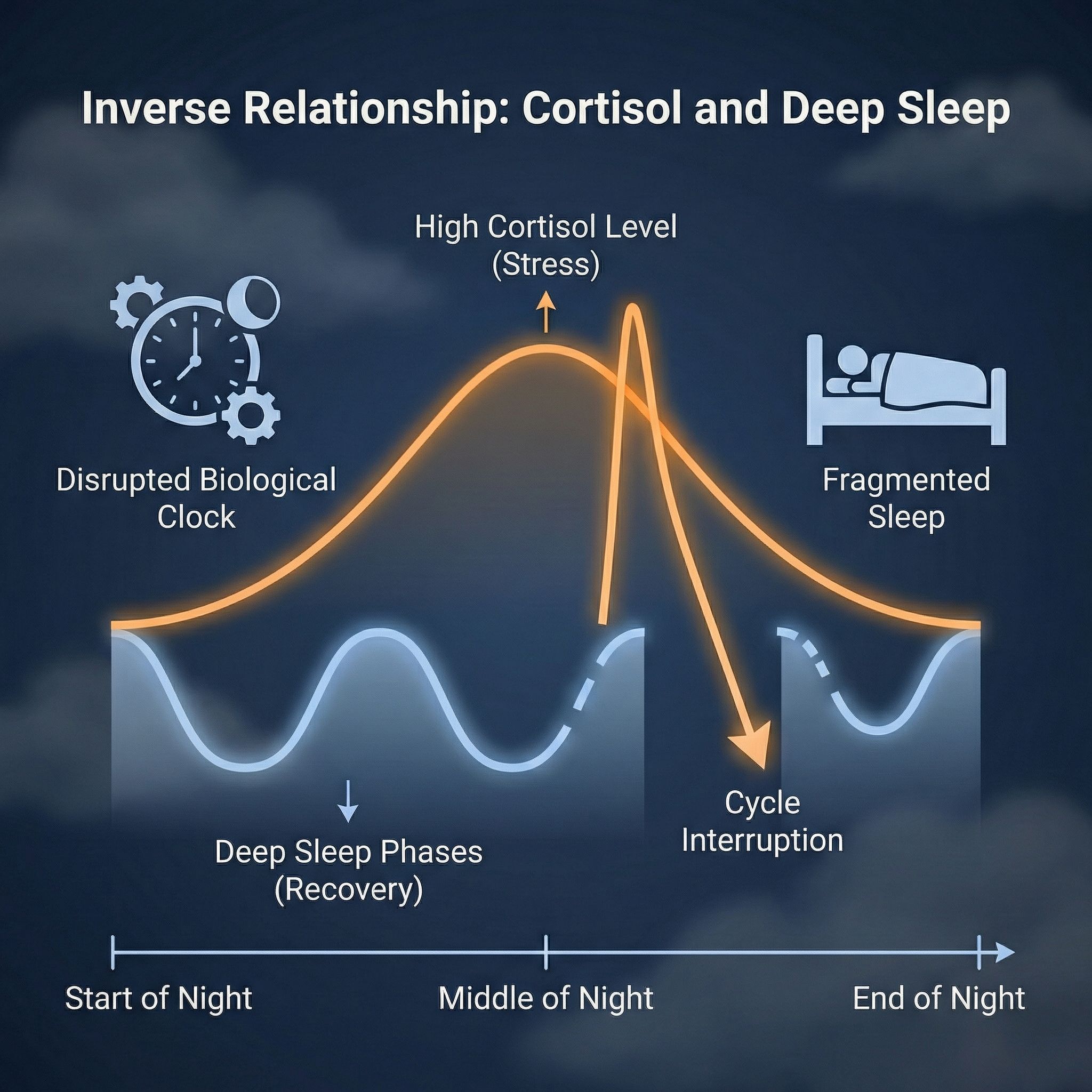
- Meditation and Relaxation: Chronic stress can harm sleep and disrupt the glymphatic system. Meditation, yoga, or other relaxation techniques can help reduce stress and improve sleep quality.
- Limit alcohol and tobacco: They have a negative impact on sleep quality and potentially on the functioning of the glymphatic system.
Honestly, I'm not sure it works 100% for everyone. Every brain is unique, and there are probably genetic factors involved. But by adopting these habits, you're putting the odds in your favor to optimize your glymphatic system and protect your long-term brain health.
The glymphatic system is proof that the brain is an incredibly sophisticated machine, capable of self-cleaning and repairing itself during sleep. Dreaming is a sign that this process is working correctly, an indicator of good neurological health. So, the next time you remember a bizarre dream, instead of panicking or looking for an obscure interpretation, just tell yourself that your brain is doing its cleaning.
Isn't it beautiful how the spirit knows what the microscope has only recently seen? Long before neurologists mapped this nightly tide, your sleeping mind was already translating this cellular bath into vivid, comforting poetry. When you dream of sweeping an old porch, watching a torrential downpour, or dipping your hands into a clear, cold stream, it is often your body giving a sensory shape to this physical purification. I get slightly impatient when modern dream books dismiss these water dreams as mere "emotional stress." Sometimes, a wash is just a wash. Your somatic intelligence knows that the brain is quite literally drenching itself to keep you safe. It transforms a complex biological housekeeping chore into a landscape you can feel, touch, and remember.
I once met a dreamer who was deeply shaken by recurring, chaotic nightmares of mud, dark rivers, and collapsing old attics. She thought her mind was rotting from the inside. But I watched her sleep, and I saw what her waking mind couldn't grasp: she was simply witnessing her own mental plumbing at work. When your psyche undergoes this profound nightly rinse, the emotional debris of the day—the small slights, the useless anxieties, the heavy memories—must go somewhere. It gets stirred up before it is cleared out. If you wake up feeling heavy, or if your sleep is crowded with strange, messy images, do not fear them. It is not a sign of failure, but rather of a highly active, fiercely protective sleeping brain doing the dirty work so you don't have to carry that weight into tomorrow.
And if you really want to dive into the heart of your nights, understand your sleep cycles, and identify the factors that can disrupt your rest, why not explore your dreams with Midnight Mind? The app gives you insights into your nights and helps you optimize your brain cleaning cycle.