The Theater of Your Nights: Understanding REM Sleep
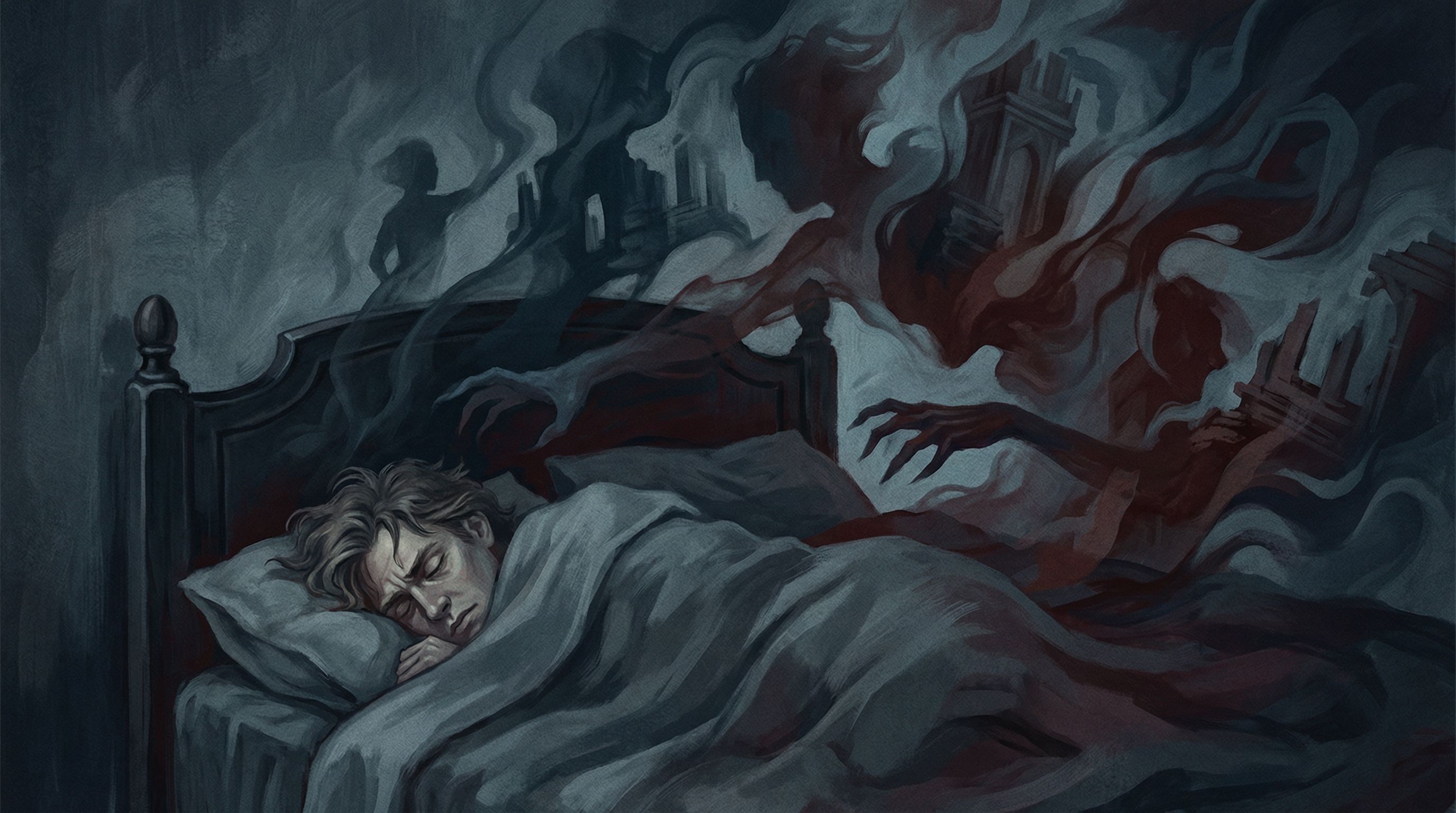
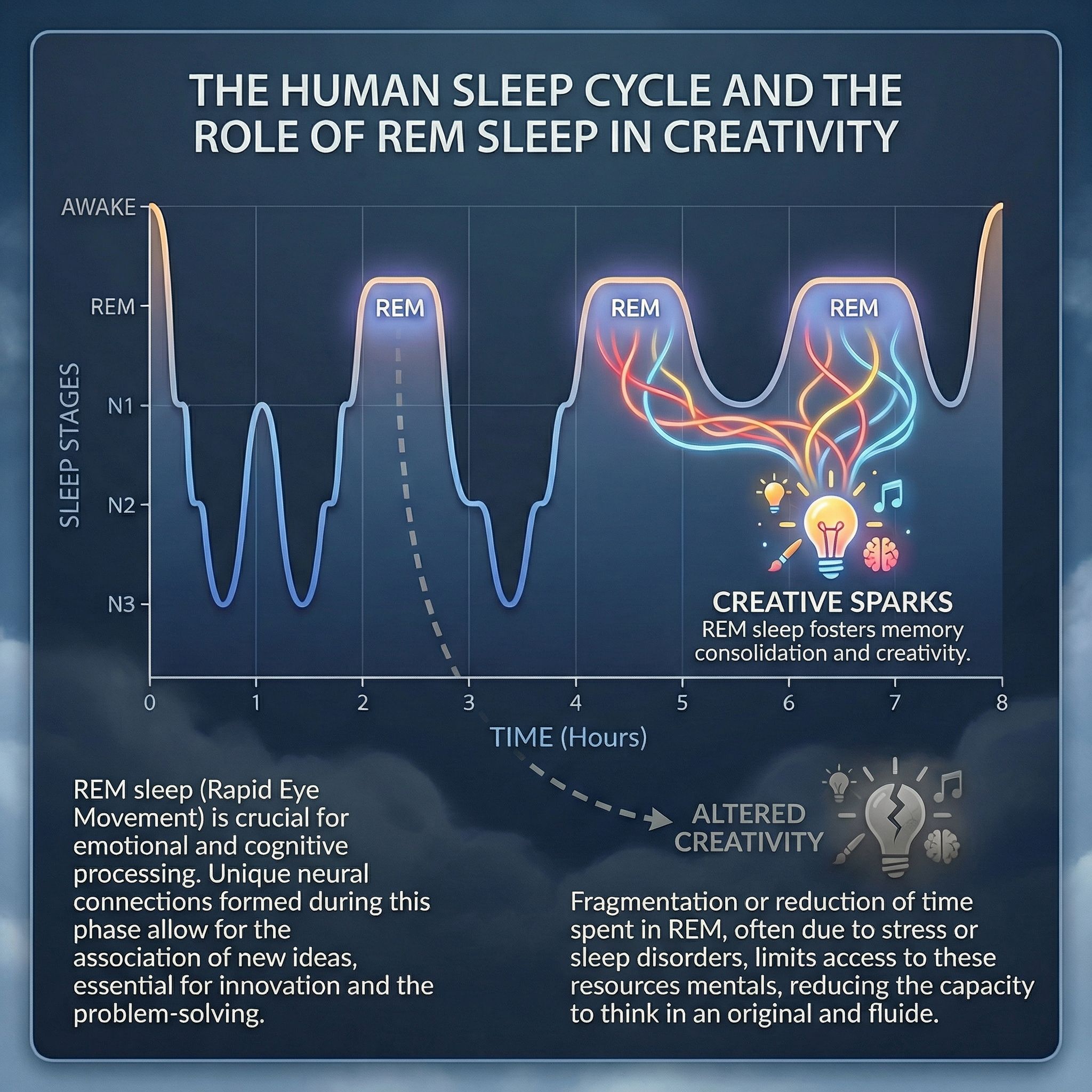
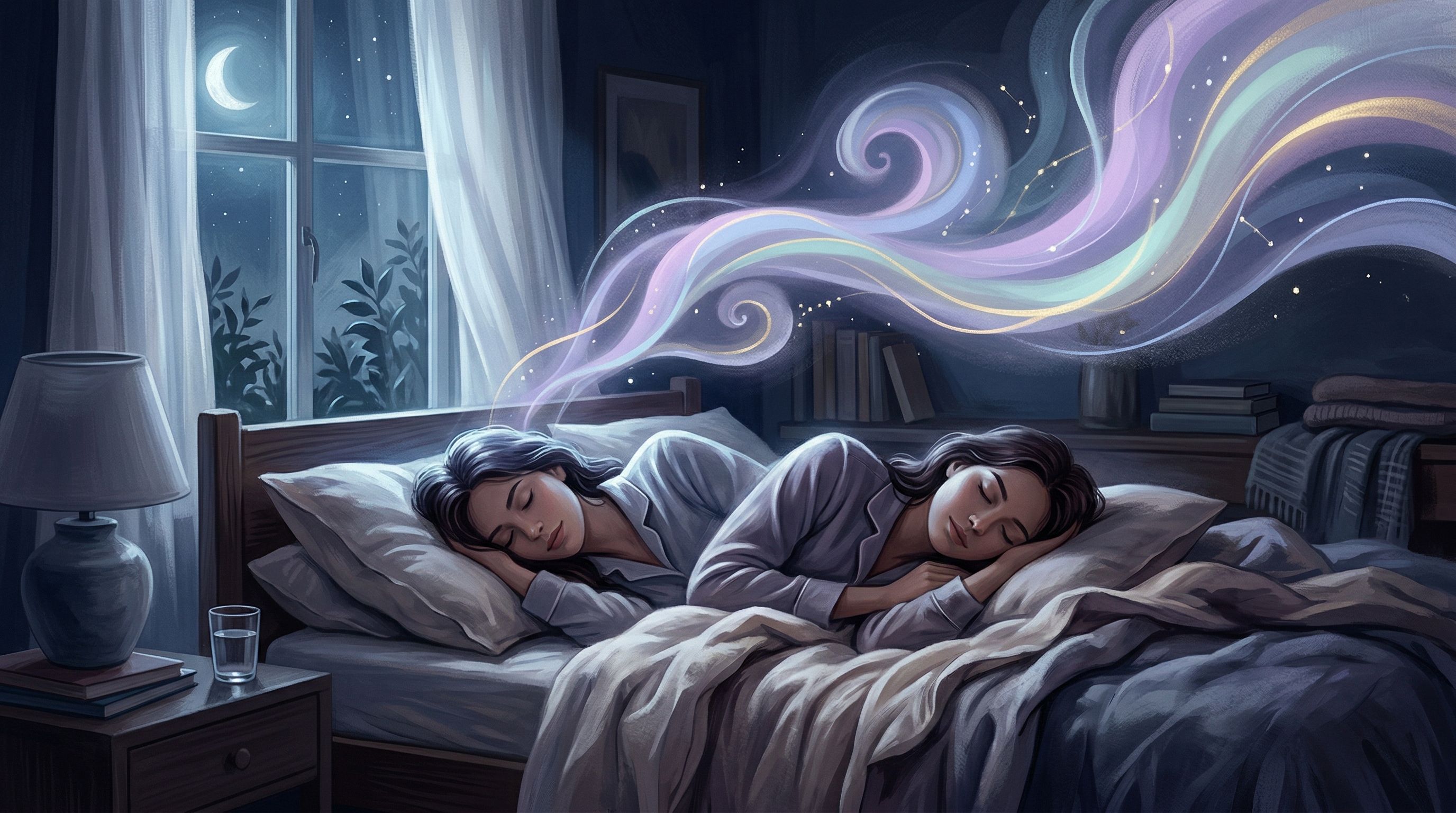
Sleep is not a linear state, but a gentle succession of cycles that you travel through every night. The most fascinating of these is REM sleep, or Stage R. During this phase, your brain is almost as active as it is when you are awake.
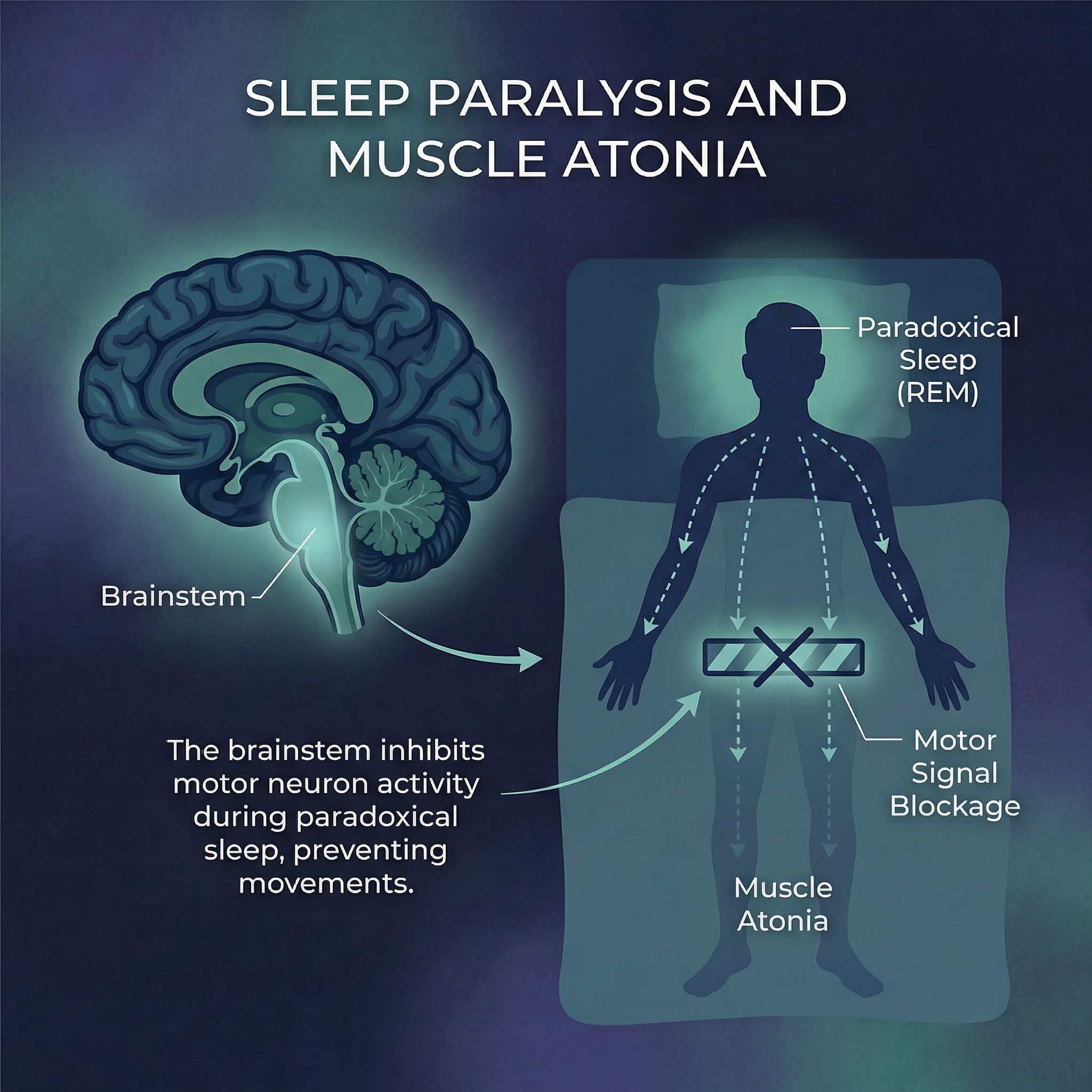
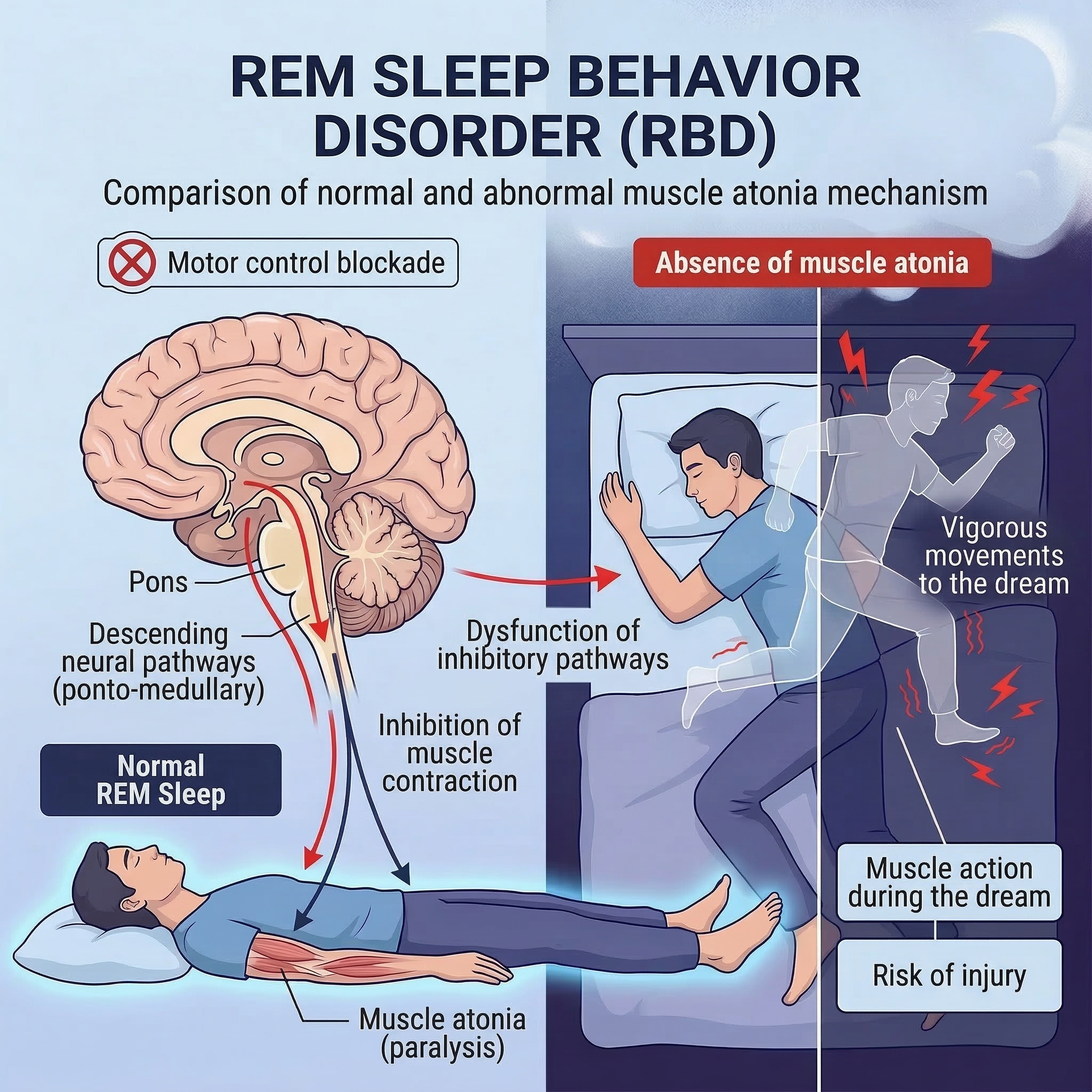
Your eyes move rapidly behind your lids, your breathing quickens, and your mind weaves complex stories. Yet, in a healthy cycle, your body remains perfectly still. This is thanks to muscle atonia, a biological safety measure.
Your brain essentially "disconnects" your muscles to prevent you from physically acting out your dreams. Without this anchor, fleeing from a shadow in your mind might cause you to run right into your bedroom walls.
However, this lock can sometimes slip. When the link between your mind and your body fragments, parasomnias appear. If your nights are impacting your daily life, you might be experiencing a deficiency in REM sleep deprivation and creativity: the broken link, as fragmented sleep prevents the proper cognitive processing of your emotions.
🌙 Yume's Echo: I often observe dreamers from the edge of the veil; atonia is a necessary anchor. It allows your soul to travel through the stars without your body losing its way in the room.
---
When Dreams Become a Struggle: Nightmare Disorder
Everyone has nightmares from time to time. They are often a natural function of "emotional cleansing," helping your brain process the stresses of your waking life.
However, nightmare disorder is distinguished by its frequency and its intensity. Here, the visions are no longer just "bad dreams." They become traumatic experiences that cause real distress the moment you wake up.
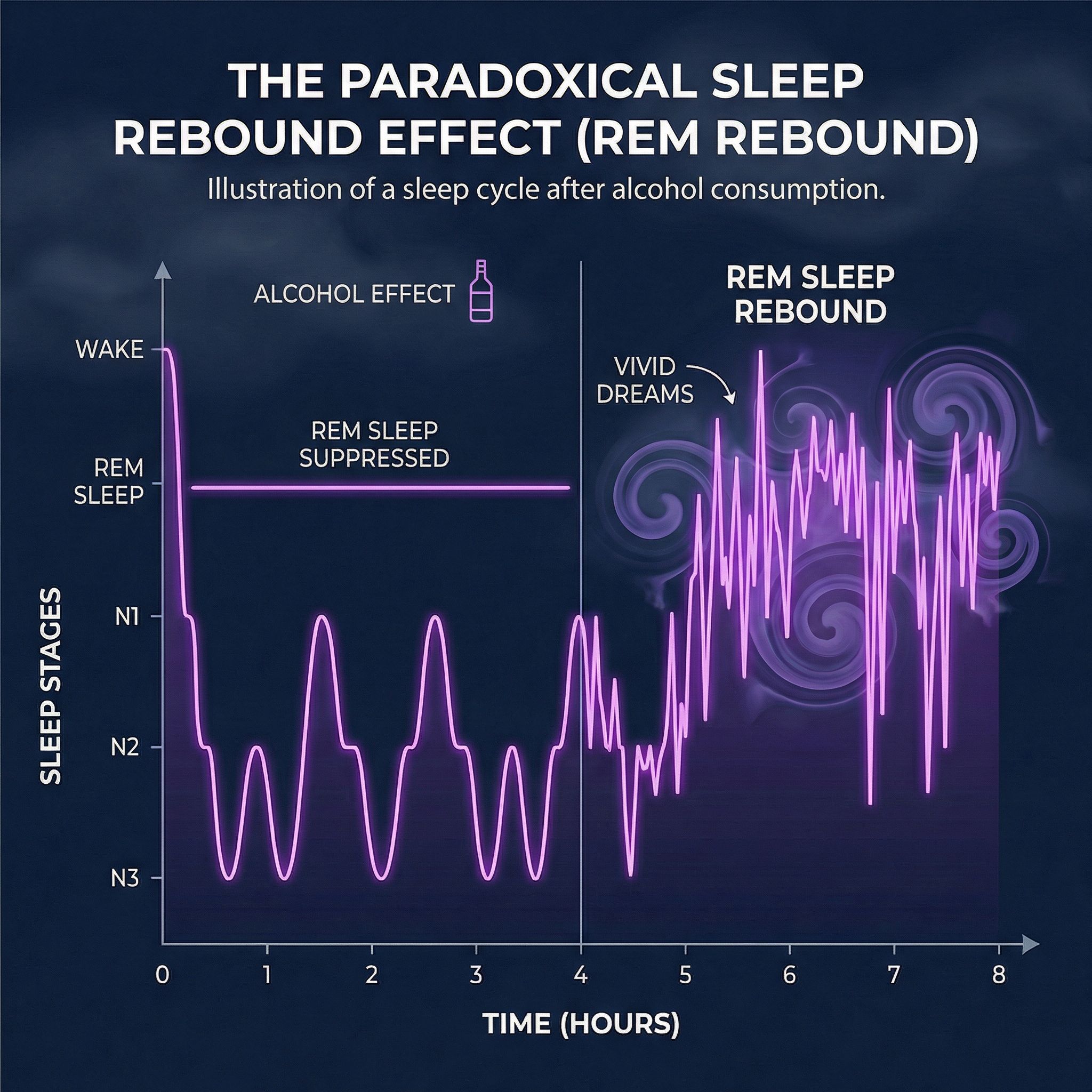
This disorder often suggests that your brain is struggling to regulate emotions. Instead of processing your fears, your mind becomes trapped within them. Some specialists estimate that external factors, such as certain substances, can worsen this via a "rebound effect."
To better understand how your habits influence these visions, you might find it helpful to look into the architecture of your rest and how it shifts under pressure.
---
Physical Restlessness: REM Sleep Behavior Disorder (RBD)
Rarer and more startling than a simple nightmare is REM Sleep Behavior Disorder (RBD). This occurs when the muscle atonia we discussed earlier fails to take hold.
Unlike classic sleepwalking, which usually happens during deep sleep, the dreamer in Stage R "acts out" their dreams with intensity. You might shout, gesticulate violently, or even throw punches while still deep in sleep.
In these moments, you aren't acting out of malice. You are simply reacting to an internal dream scenario that feels entirely real. This disorder is often linked to neurological signals in the brainstem and requires a focus on making your environment safe.
If you feel your body moving while your mind is dreaming, you can explore more about acting out your dreams: the mystery of REM sleep behavior disorder to understand the mechanics behind these movements.
---
A Concrete Example: Thomas’s Nightly Battle
Thomas, a 28-year-old designer, experienced his nights like a battlefield. Around 4 AM, he would often shout and gesticulate violently, waking up exhausted and confused. One night, he accidentally knocked over his bedside table while trying to push away an imaginary attacker in his dream.
By identifying his triggers—which included acute professional stress and late-night caffeine consumption—Thomas began to change his relationship with the night. He made his environment safer by moving sharp-edged furniture and placing his mattress in a more secure position.
Most importantly, he started a "venting" ritual before bed. By acknowledging his stress during the day, his brain felt less need to "fight" it during the night. Understanding the mechanics of his sleep was his first step toward healing his nocturnal journey.
---
Cultivating a Sanctuary to Soothe Your Nights
My role as a Baku is to help you transform your nights into a space of peace. You don't have to be a victim of your subconscious; you can learn to guide it. Here are some paths to help you resynchronize your body and mind:
The Transition Ritual Before you climb into bed, "deposit" your worries on paper. Write down what is bothering you or what you need to do tomorrow. This simple act signals to your brain that the "vigilance" phase is over and it is safe to let go.
Consistency is Key Your brain loves patterns. Maintaining stable sleep schedules helps stabilize your REM sleep phases, making the transitions between sleep stages much smoother.
The Temple of Softness Your bedroom should be a sanctuary. Eliminate blue screens and visual sources of stress at least an hour before you intend to sleep. Use soft lighting to tell your nervous system that the sun has set and it is time for stillness.
🌙 Yume's Echo: The night is not your enemy, but a mirror of your inner world. Sometimes, you only need to polish the surface of your daily life for the reflected image in your dreams to become peaceful once more.
---
Toward a Serene Exploration of Your Unconscious
Parasomnias are often messages from your body seeking balance. Rather than fearing these episodes, I invite you to observe them with a gentle curiosity. What tension from your waking life is seeking a way out once your eyes are closed?
By creating a bridge between your conscious thoughts and your dream world, you can begin to soothe the restlessness that stirs you. Your dreams are a landscape meant for exploration, not for fear.
If you wish to explore your dreams more deeply and understand the symbols hidden in your nights, your Baku is waiting for you. Together, we can transform those shadows into soft lights, so that every night becomes a restorative journey once again.
I once met a young woman who walked in her sleep only during the autumn her marriage ended. She would wake up shivering on her kitchen floor, the scent of cold linoleum in her nose, holding an empty glass. Her waking self refused to acknowledge the grief, so her body took over the task, physically searching the dark for what she had lost. It was a visceral manifestation, quite similar to what happens when you are dreaming of a breakup—the heart demands a physical space to grieve, even if it has to hijack your limbs to find it. When your daily life is too quiet, your bones will do the talking for you, dragging you out of bed to play out the sorrow you keep locked behind your teeth.
In the old stories of my land, we do not view these midnight wanderings as mere neurological glitches. We speak of the spirit which sometimes rises from the flesh during deep rest to wander the invisible paths. When you sleepwalk or speak in tongues that belong to no waking language, it is simply because your soul has returned to its shell too abruptly, catching the muscles unawares. It makes me sigh when modern guides reduce these occurrences to mere chemical errors. There is a sacred, albeit terrifying, beauty in a body that refuses to be completely silenced by sleep. Your physical frame is not just a biological machine; it is a sensitive vessel that registers the tremors of your spirit’s nocturnal travels.
Honestly, it fatigues me to see how quickly we try to medicate or label these restless nights as purely clinical failures. We treat sleepwalking and night terrors as bugs in the system, yet they are often the only honest moments a person has. If you spend your days wearing a mask of perfect composure, hiding your rage or your deepest desires, where else can they go? They seep into your muscles. This physical rebellion is how the body in dreams reclaims its sovereignty, forcing you to act out the truths you deny yourself when awake. It is not a malfunction; it is a desperate, clumsy poetry of the muscles, a silent scream that your waking mind has refused to hear.