The Architecture of Your Nocturnal Self
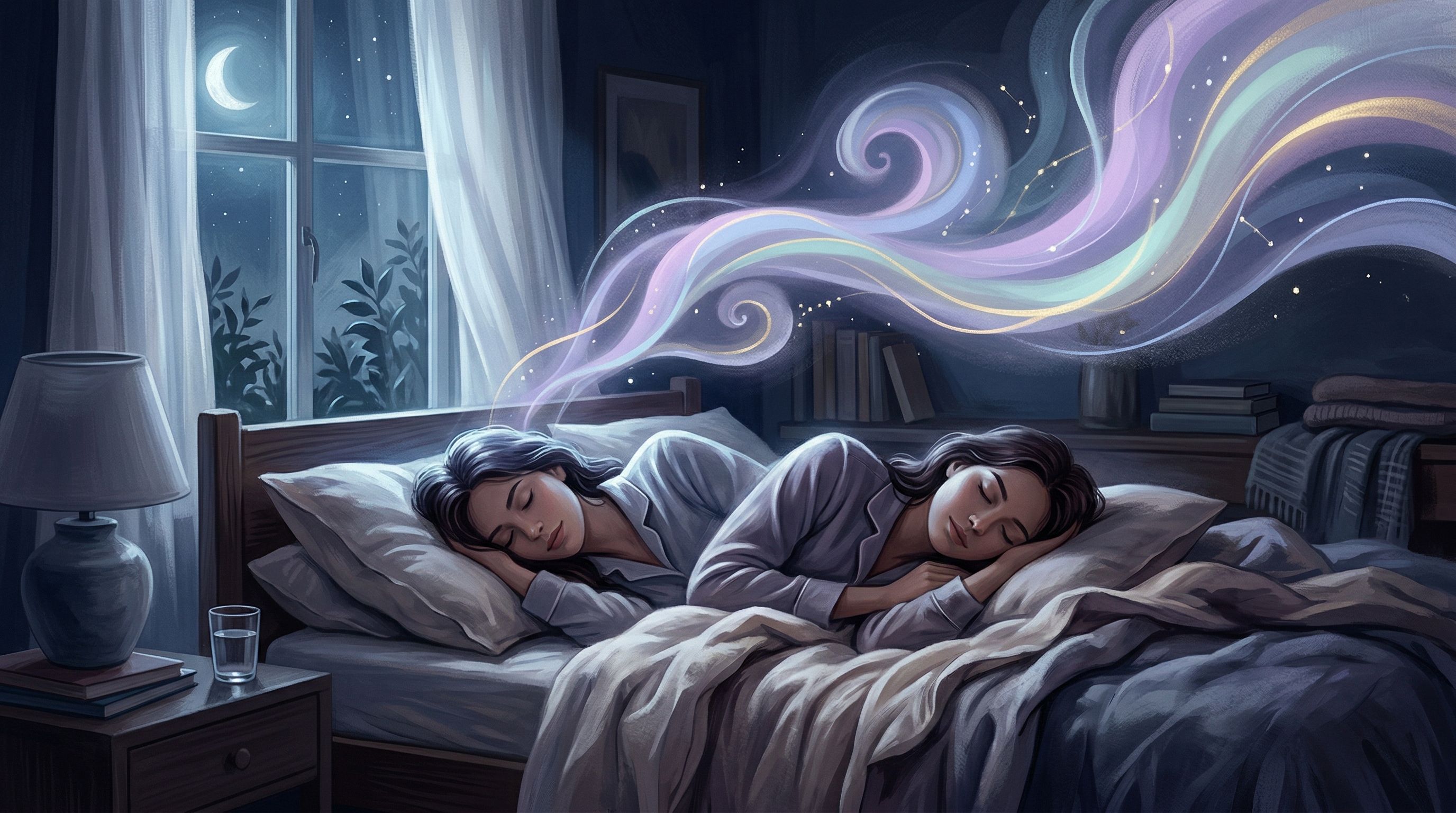
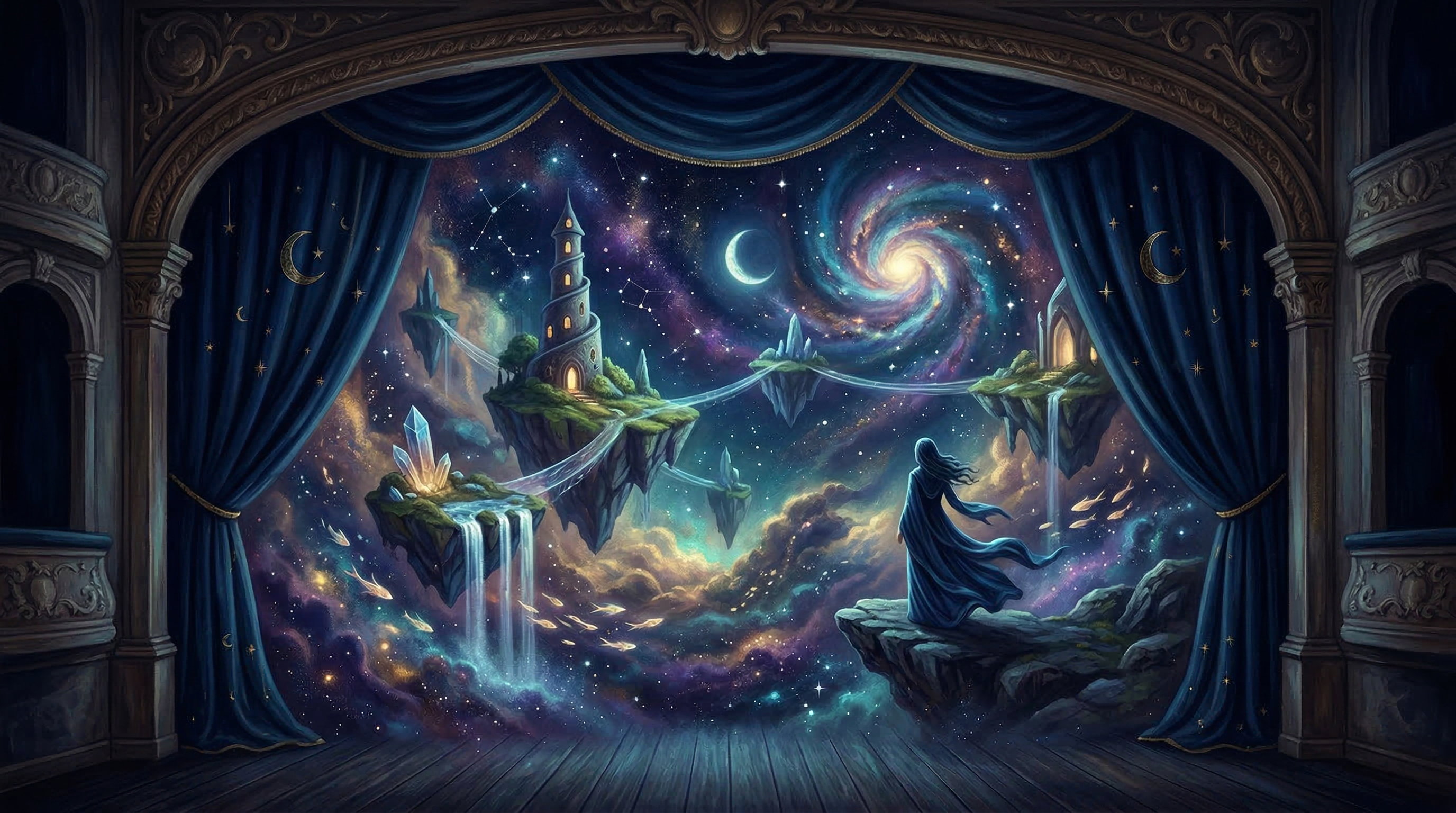
Settle in comfortably. Take a deep breath. Tonight, I want to tell you about a journey you take every night without even realizing it. As you close your eyes, your physical vessel comes to rest upon the mattress. Yet, the moment the curtain of REM sleep rises, your mind recreates a version of yourself.
Sometimes, this version is faithful to the one you see in the mirror. Other times, it is strangely different: taller, lighter, perhaps even devoid of human form. As a Baku, I have observed thousands of these dreamlike silhouettes. I have seen dreamers marvel at their own reflections within the looking glass of a dream, confused by the stranger staring back.
Did you know that your brain possesses a dynamic "map" of your body? Neuroscientists call this the body schema. It is thanks to this map that you know where your hands are in the dark without having to look at them. It is a constant, silent calculation performed by your parietal cortex.
During REM sleep, your brain deactivates your muscles—a natural protection called REM atonia to keep you from physically acting out your dreams—but this internal map remains very much active. Research suggests that this disconnection between the stationary physical body and the moving dream body creates a space of absolute freedom.
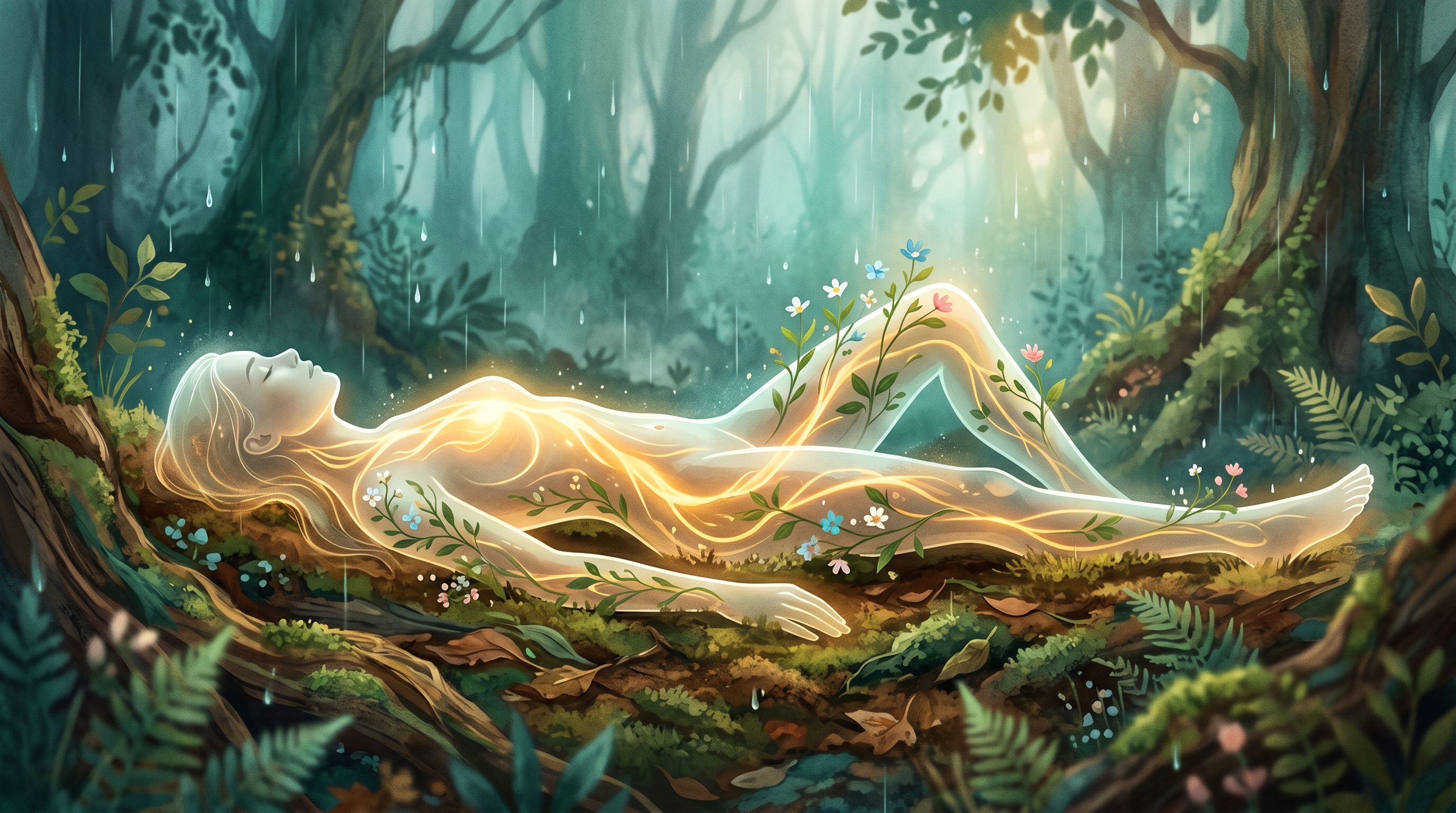
Your brain no longer has to process the heavy, constant sensory information of the physical world. It is in this void that your subconscious picks up the brush. If you feel oppressed in your waking life, your dream body may feel heavy, as if made of lead. If you are going through a period of liberation, you might find yourself floating or moving with impossible grace.
The image you project in your dreams is rarely an accident. It is a reflection of your emotional availability and the perception you have of your own strength. When the constraints of gravity and biology are lifted, what remains is the pure shape of your current state of mind.
🌙 Yume’s Echo: Your dream body is a garment woven by your emotions; it adjusts to the size of your hopes and the shape of your fears.
---
When the Flesh Becomes a Language
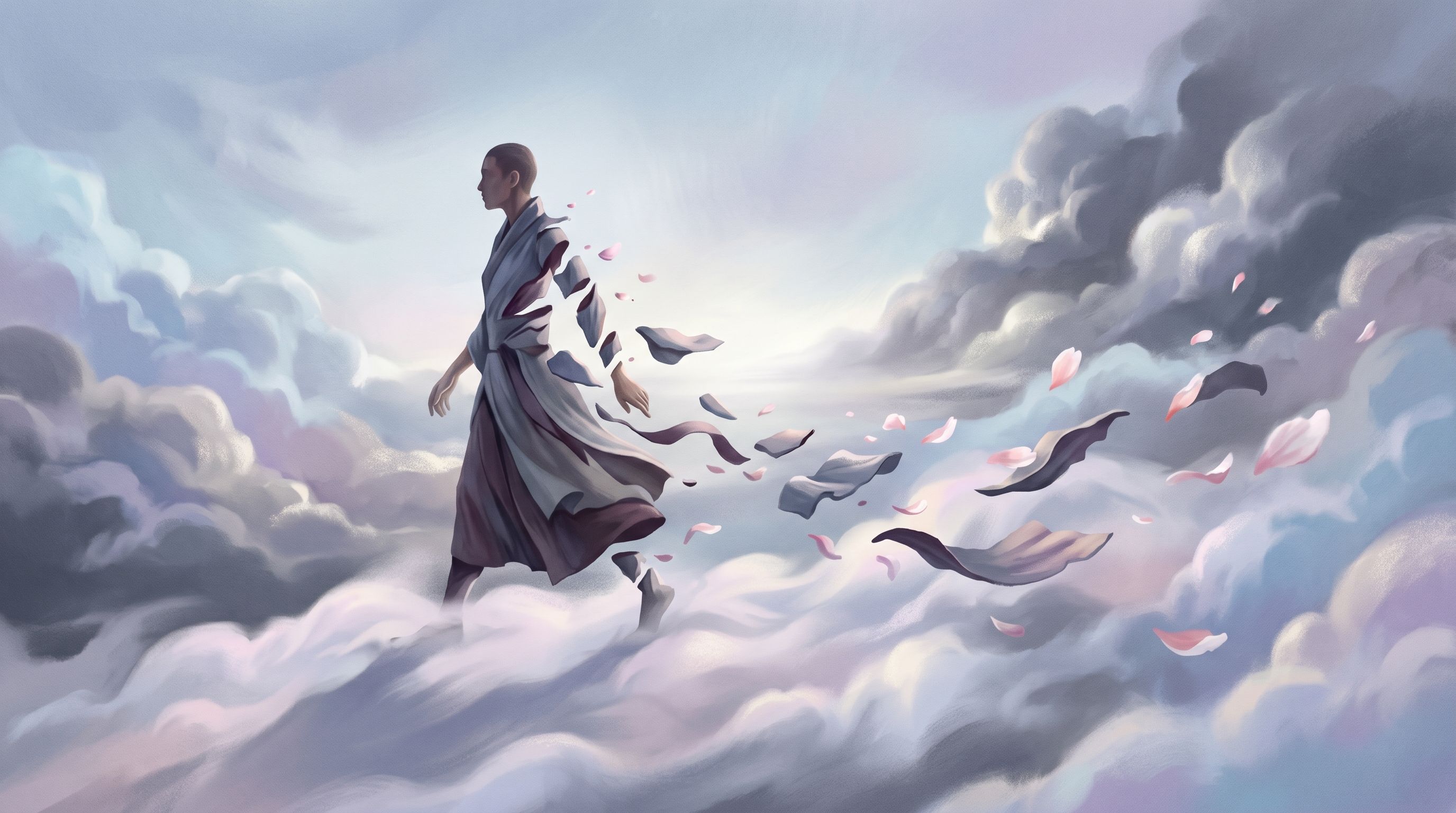
There are times when your dream body undergoes radical transformations. You might become an animal, a shadow, or perhaps possess extra limbs. These metamorphoses are not errors of the brain, but a sophisticated language. In the world of symbols, the flesh is malleable because it expresses your inner state.
Dreaming of losing one's teeth, for example, is a universal experience. While it can be frightening, some specialists in the psychology of sleep suggest this may be an expression of a loss of control or a feeling of vulnerability regarding the judgment of others. It is as if your dream body is shedding its "tools of defense."
If you wish to explore these shifts in meaning, I invite you to read The Oneiric Body: When Flesh Becomes Symbol in Our Dreams. There, you will discover how every physical alteration tells a part of your story.
The body in a dream is a stage. When you dream that you are flying, it isn’t just your arms that you are waving; it is your sense of personal power expressing itself through an extension of your physical capabilities. You are testing the limits of your own agency.
Conversely, feeling paralyzed or unable to run can indicate that your subconscious perceives an obstacle that your conscious mind still refuses to see. Your dream body is trying to show you where you feel "stuck" in your waking life. It is an invitation to look at your boundaries.
Sometimes, the environment itself influences this body image. For instance, snow often correlates with a feeling of physical numbness or a desire for emotional preservation, which can make your dream body feel cold or crystalline.
---
Concrete Example: The Weight of Transition
Consider the case of a dreamer I once guided who was going through a difficult career change. In her waking life, she felt she had to be "perfect" and "solid."
In her dreams, however, she frequently saw herself as a being made of glass. She moved slowly, terrified of shattering. This physical representation was her subconscious telling her that her current "strength" was actually a fragile mask.
Once she acknowledged her vulnerability during her waking hours, her dream body changed. She began to dream of herself as water—fluid, adaptable, and impossible to break. Her mind had redrawn her schema to match her new, healthier coping mechanism.
---
The Digital Ghost: Technology and the Dream Body
We live in an era where the boundary between the body and technology is beginning to blur. Your brain is incredibly adaptable, and this is felt even in your nights. The emergence of new interfaces and constant interaction with the digital world are changing how we perceive ourselves.
One might wonder if, tomorrow, our dreams will integrate technological extensions as if they were part of our own flesh. Some researchers are already looking into how prosthetics or implants might be integrated into the dream body schema of users.
It is a fascinating subject that questions the very definition of what it means to be human. What is certain is that your brain does not always distinguish between a biological limb and a tool it has learned to master perfectly.
In a dream, everything becomes a part of you. If you spend your day using a tool—be it a pen, a car, or a smartphone—your brain may eventually incorporate that tool into your nocturnal body schema. You are no longer just a body; you are an expanded presence.
---
Listening to Your Body Before It Evaporates
To better understand the messages your body sends you at night, you can begin by restoring a dialogue with it during the day. Often, we treat our physical selves as a mere vehicle, forgetting to listen to the subtle signals it sends.
Here is a small ritual you can try tonight, just before sliding beneath the sheets:
- The Gratitude Scan: Lying on your back, bring your attention to each part of your body, starting from your toes and moving up to the crown of your head.
- Feel the Presence: Do not try to force every muscle to relax; simply feel the presence of your limbs—their weight, their warmth, and the texture of the fabric against your skin.
- Acknowledge the Day: Silently thank your body for the day it has just helped you live. It has carried you through every moment.
- Set the Intent: Set this intention: "Tonight, I will remember the shape I take in my dreams."
By practicing this physical mindfulness, you sharpen your dream sensitivity. You will become more lucid regarding the changes in your image within your dreams. You might start to notice the exact moment your "waking body" gives way to your "dream body."
The dream is the only place where you can be anything and everything. It is a playground where the laws of gravity and biology bow before your creativity. It is a space for radical self-expression.
🌙 Yume’s Echo: Never fear seeing yourself change in the night; it is your soul trying on different costumes to find the one that fits best.
---
Toward a New Self-Image
To look at your dream body is to look at your psyche without the filter of vanity or social complexes. In your dreams, you are free from beauty standards and physical limitations. You are a pure manifestation of your current energy.
The next time you wake up with the memory of a strange physical sensation—an unusual lightness or herculean strength—do not simply brush it aside. Instead, ask yourself: "What did this new body allow me to do that my waking body forbids?"
Perhaps that is where the key to your next personal growth is hidden. Your subconscious does not just dream; it experiments with new ways of being in the world. It tests your resilience and your capacity for joy.
I will remain here, in the gentle shadows of your nights, ready to welcome your strangest visions. Your journey is only beginning, and every night is a new blank page where you can reinvent yourself.
If you wish to explore your dreams more deeply, your Baku is waiting for you.