The Weight of Silence: When the Body Speaks a Forgotten Language
Phoebe’s story, reported by the BBC, resonates as a gentle warning. For months, this young woman visited emergency rooms for debilitating symptoms, only to be told they were matters of mental health. It was suggested that "it was all in her head." This "medical gaslighting" is frequent among young adults and women, where the complexity of a pathology is too often swept under the convenient label of anxiety.
Yet, your body possesses its own grammar—cries for help that often manifest when consciousness fades: during sleep. Thanks to AI, Phoebe was finally diagnosed; she was suffering from a rare physical disease, not a psychological disorder. It serves as a reminder that the boundary between the mental and the physical is often a simplifying illusion.
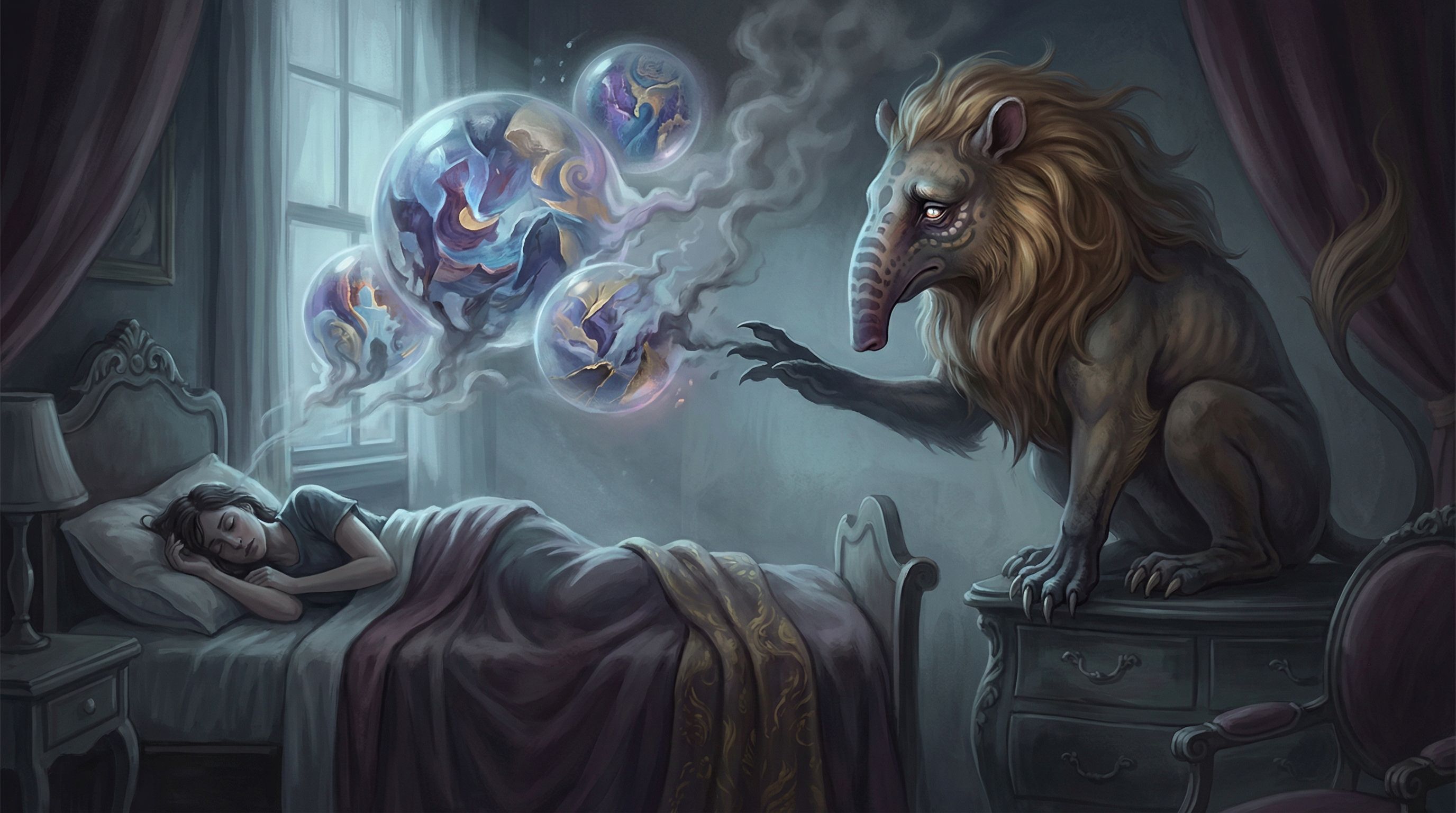
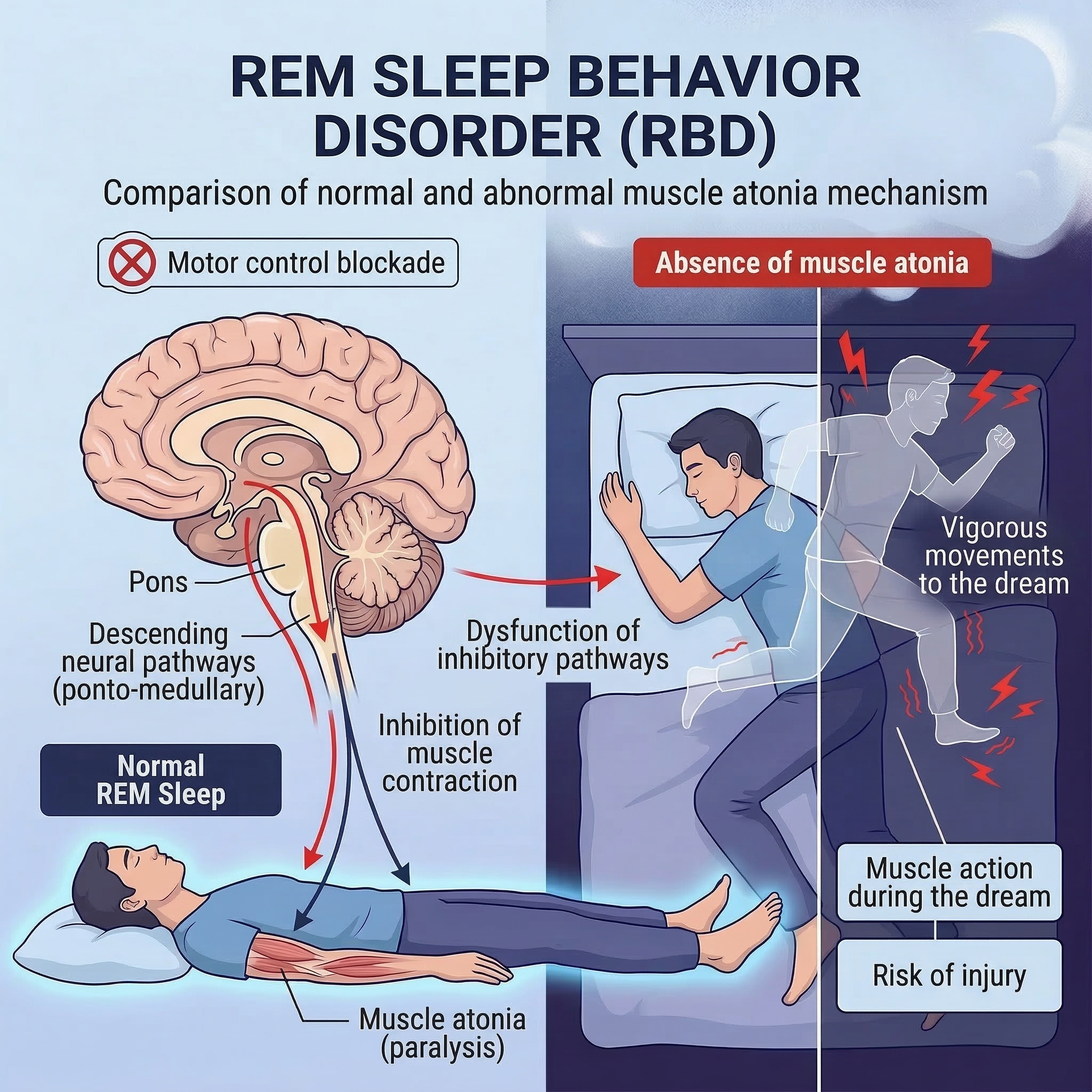
In my role as a Baku, I often see dreamers worry about the intensity or violence of their dreams. Frequently, these manifestations are not just reflections of a busy day, but signs that the nervous system is trying to process misunderstood physical information. If you often find yourself acting out your dreams: the mystery of REM sleep behavior disorder, know that what your mind is staging is sometimes the translation of a real biological process that deserves your full attention.
---
AI: A New Translator for Your Nights and Days
Artificial intelligence is becoming a precious ally for those seeking answers. Where a doctor may have limited time, AI analyzes thousands of data points—heart rate, respiratory frequency—without hasty judgment. In the case of rare diseases, it excels at spotting "weak signals."
Imagine AI as a cartographer of the invisible. It does not replace human intuition; it offers a magnifying glass of infinite precision. It can link a recurring nightmare, a slight arrhythmia, and chronic fatigue to suggest an unexplored path. Some specialists believe that algorithmic analysis of our cycles could soon predict neurological conditions long before the first physical symptoms appear.
We are using machines to reconnect with our biology. If a machine can confirm that your fatigue is not "in your head," it gives you back the power over your own health narrative.
---
Sleep as a Sentinel of Your Deep Health
Your sleep is a laboratory where your body performs its maintenance. Fragmented sleep or sensations of paralysis upon waking can reflect your emotional state, but also deeper imbalances.
The correlation between the quality of our nights and our immune system is well-documented. If you are experiencing restless sleep and wish to understand the boundaries of REM disorders, you are already taking the first step toward a better understanding of yourself. The goal is not to alarm you, but to encourage you to become a curious observer of your own rhythms.
🌙 Yume’s Echo: Your body is an ancient forest; sometimes, the snapping of a branch at night isn’t the wind, but the passing of a truth seeking to be seen.
Certain research suggests that chronic illnesses modify the structure of sleep months before a diagnosis is made. Your dreams might be the first to warn you through symbols or physical sensations of oppression. AI simply confirms what your subconscious was already whispering.
---
A Concrete Example: Marc and Silent Apnea
Marc, 28, consulted doctors for two years regarding "treatment-resistant depression." He felt empty, unable to concentrate, and his dreams were filled with scenes of suffocation. His doctors attributed everything to burnout.
It was a precise analysis of his sleep data, similar to AI processes, that revealed severe sleep apnea, despite his athletic build. By treating the physical problem, his "depression" vanished. This case illustrates how a disorder labeled as mental can actually be the manifestation of an unmet biological need.
---
Taking Action Tonight: Cultivating the Listen to Your Inner Signals
You don’t need to wait for an AI to reconnect with your body. Here is a small ritual to sharpen your intuition:
- The Dual Journal: On the left side, note a significant emotion or dream. On the right, note a physical sensation upon waking (tension, lightness, bitterness).
- Neutral Listening: Before falling asleep, ask yourself: "Is there a part of my body I am ignoring?" Let the question float without searching for an immediate answer.
- Self-Validation: If you feel that something is wrong, trust yourself. Phoebe’s story teaches us that medical authority doesn’t always have the final word over your personal experience.
Introspection and science complement each other to form a total image of who you are. By observing your dreams and your cycles, you create a bridge between your spirit and your flesh.
Tonight, as you close your eyes, you may hear more than just silence—you may hear the murmurs of a complex biology only asking to be understood. Each clue gathered is a stone placed on the path to your truth.
I must admit, it tires me when popular dream guides match every dreamed illness to a literal physical doom—as if your unconscious were merely a medical chart. Sometimes, receiving a diagnosis in your sleep is not a medical warning at all, but your mind’s desperate attempt to find a container for what feels unnamable. You might dream of a terminal label simply because you are carrying a heavy, unspoken grief that your waking self refuses to name. In my long nights of listening, I have seen how the body in dreams acts as a canvas, projecting your deepest emotional exhaustions into sterile clinical terms. The dream isn't trying to scare you; it is offering you a metaphor, a solid shape to grasp so you can finally begin to heal what has been quietly fracturing inside.
I once met a dreamer who was haunted by recurring dreams of a failing heart, complete with pale-faced doctors whispering over her chart. She woke up terrified each morning, convinced her body was betraying her. Yet, her physical heart was perfectly strong. What her dream was actually diagnosing was the quiet, slow-motion collapse of her marriage—a profound emotional depletion she was trying to ignore. It is a strange paradox: we often crave a clinical diagnosis because we long for our pain to be validated by an authority. If you find yourself holding a medical report in the night, ask yourself what invisible wound you are waiting for someone else to finally acknowledge. Sometimes, the dream is simply mirroring the grief of dreaming of a breakup or a loss that you haven't given yourself permission to fully feel.
Have you noticed the peculiar, chilling atmosphere of these clinical dreams? The blinding white lights, the metallic smell of antiseptic, the cold touch of a doctor’s hands. Your unconscious uses this stark, sterile aesthetic to cut through your daily noise. It creates a space where you cannot hide behind your usual distractions. If your sleep is constantly disrupted by these clinical visitations, it might be time to look at the shadows you avoid during the day. Do not fear these cold rooms. They are not threats, but clean, quiet spaces where your soul is trying to dissect its own truths. When these thoughts become too heavy and twist into nightmares that disturb your peace, remember that a peaceful mind is always reachable, ready to sweep away the terrifying medical jargon and leave you only with the gentle, quiet truth of your own breathing.
If you wish to explore your dreams more deeply, your Baku is waiting for you within Midnight Mind.
---