The Echo of the Past: When Dreams Become Literal
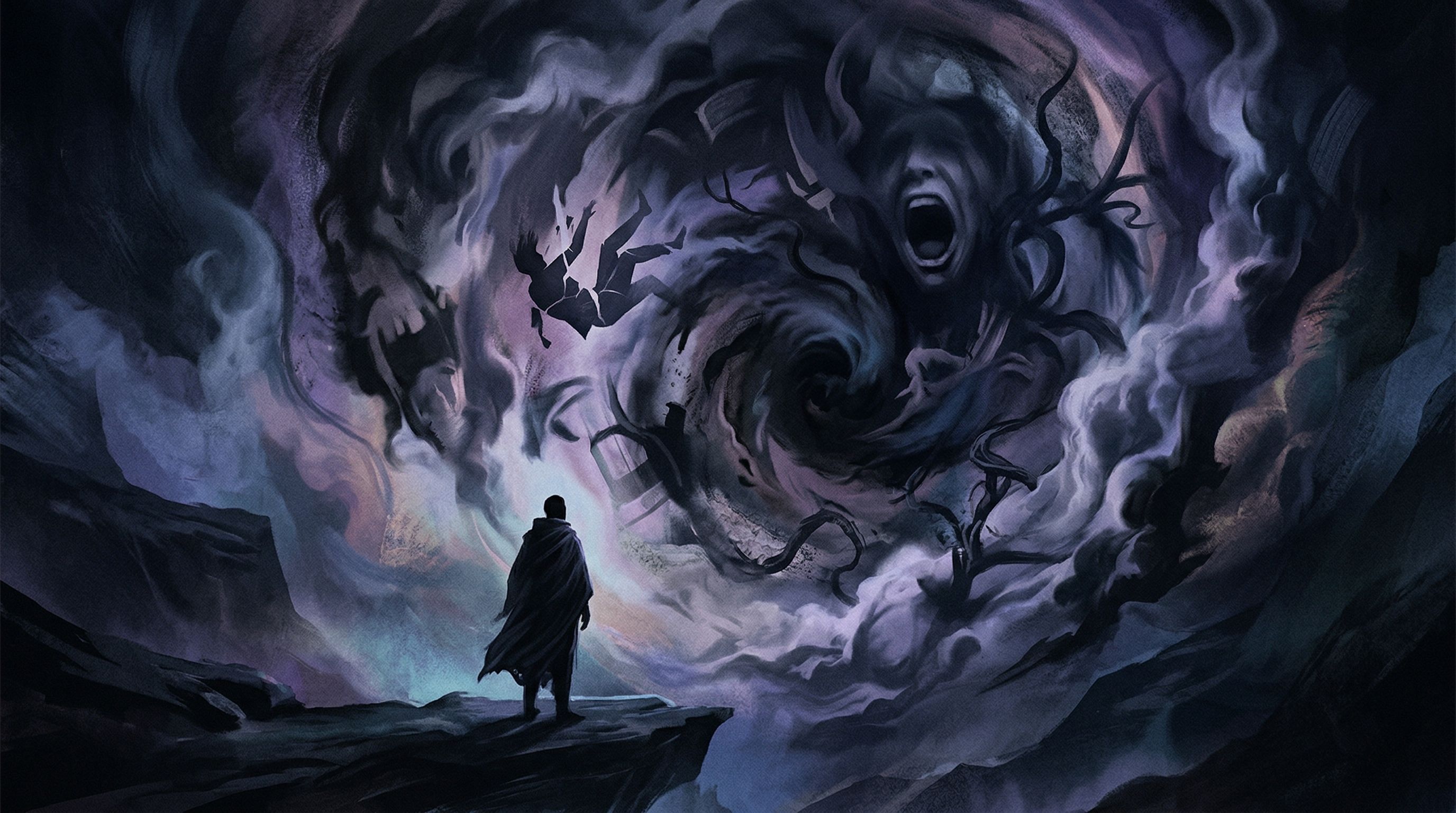
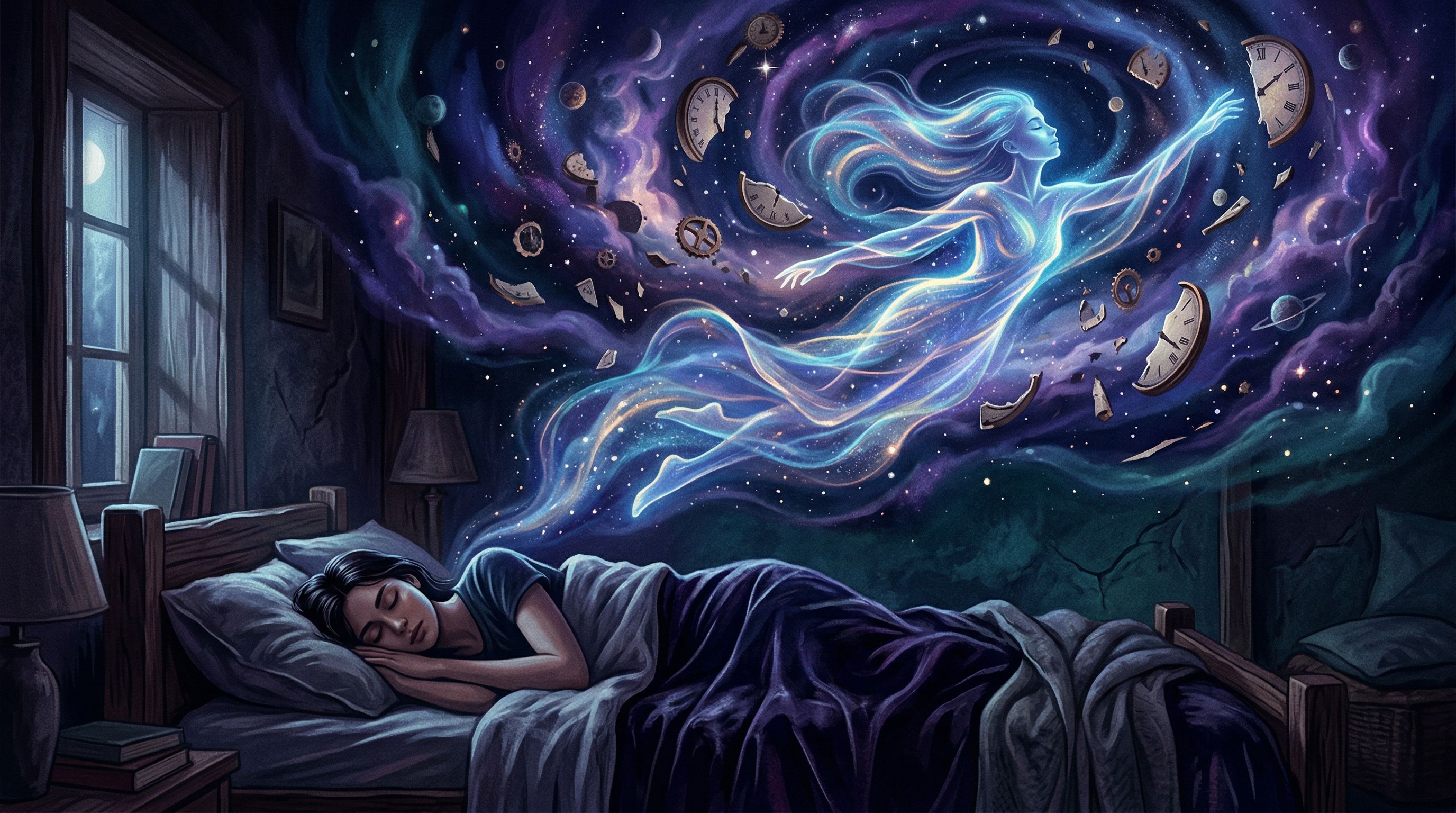
Post-Traumatic Stress Disorder (PTSD) is a heavy term, often misunderstood as a purely waking affliction. In reality, it is a deep psychic wound that leaves gaping scars across the the architecture of sleep. When you carry a trauma, your unconscious doesn't always speak in the beautiful, cryptic metaphors of typical dreams.
Instead, it often resorts to a brutal realism. While a standard nightmare might involve a giant monster representing your boss, a trauma-linked dream is more likely to be a high-definition replay of a specific, painful event. It is as if your mind is stuck on a loop, trying to "digest" a piece of experience that is simply too large and too jagged to pass through the narrow gates of your memory.
These dreams are often intrusive and vividly realistic. They plunge you back into the sensory details—the smells, the sounds, the exact lighting of a moment you would rather forget. This is the hallmark of the traumatic echo: it lacks the "dream-like" quality of distortion, leaving you feeling as though you are truly back in the eye of the storm.
---
Distinguishing the Signs: Is It Just a Bad Dream?
It is natural to wonder if your difficult nights are merely the result of a stressful week or something more deeply rooted. To understand what your unconscious is trying to tell you, you must look at the texture of the dream itself.
Standard nightmares, or what specialists sometimes call "idiopathic" nightmares, are usually rich in symbolism. They are the mind's way of processing general fears. Trauma-linked dreams, however, carry a different weight. You might notice:
- Sensory Reliving: You feel the physical sensations—pain, cold, or pressure—exactly as they occurred in reality.
- The Loop Effect: You experience recurring dreams that do not evolve over time, repeating the same sequence of events night after night.
- Emotional Flooding: The terror you feel upon waking is not just "scary"; it is a total physiological takeover that can take hours to subside.
- Hypervigilance: Even within the dream, you are scanning for threats, unable to find a single moment of safety.
"Sometimes, the mind repeats a story not to hurt you, but because it is desperately looking for a different ending."
---
Concrete Example: The Soldier’s Unfinished Map
Consider the case of a dreamer I once encountered—a former soldier who had been home for years but still spent every night in a specific, dusty alleyway in a distant city. In his dream, the sequence was always the same: the sound of a distant engine, the smell of exhaust, and the sudden, blinding flash of an explosion.
For months, he viewed these as "attacks" by his own mind. However, through careful observation, he noticed a small detail: in the dream, he was always looking for a specific door he had never reached. By recognizing this as a "fragmented memory" rather than just a "scary movie," he began to work with a specialist to "finish" the memory in a safe environment. This shift from being a victim of the dream to an observer of the memory was the first step in quieting the alleyway forever.
---
Navigating the Night: Strategies for Integration
I want you to know that there is no "quick fix" for a heart that has been through the fire, but there are ways to soften the edges of your nights. The goal is not to "delete" the memory—as the mind rarely forgets—but to integrate it so it no longer needs to scream for your attention.
Therapeutic Support Specialized approaches like EMDR (Eye Movement Desensitization and Reprocessing) are often suggested by specialists. These methods help the brain move "stuck" traumatic memories from the emotional, reactive part of the brain to the more logical, narrative part.
Nervous System Regulation Your body needs to know it is safe before your mind can rest. Establishing a "safety ritual" before bed—using weighted blankets, specific scents, or grounding exercises—can signal to your amygdala that the "threat" is in the past, not the present.
The Power of the Journal Writing down the fragments of these dreams can be difficult, but it serves a vital purpose. It moves the experience from the internal, chaotic world of the unconscious to the external, structured world of paper. It gives you a sense of agency over the narrative.
---
The Unconscious as a Messenger
The nightmare is not your enemy, even when it feels like one. It is a messenger—a loud, desperate one, perhaps—but it carries essential information about your psychic state. By listening to it with compassion rather than fear, you can begin to understand the root causes of your suffering.
In the Jungian tradition, we often speak of the "Shadow"—those parts of ourselves and our experiences that we have pushed into the dark. Trauma often lives in this Shadow. Integration happens when we stop running from the dark and instead bring a small, steady light into the room.
You are not alone in this landscape. The path to healing is rarely a straight line, but it is a path that leads toward a version of yourself that can finally sleep without keeping one eye open.
If you want to explore your dreams more in depth, your Baku is waiting for you.
What if the detail you are most afraid of in your dream is actually the key to your freedom?
Have you ever woken up screaming from a disaster you never personally witnessed? It frustrates me when modern manuals insist every dream must stem from your own direct autobiography. Sometimes, the psychic architecture we inherit is already creaking with old, unresolved ghosts. I remember a young woman who kept dreaming of freezing in a dark, silent forest, though she had lived her entire life in the warm tropics. We eventually realized she was carrying the unhealed grief of her grandfather’s escape through northern borders decades earlier. When you experience these borrowed terrors, you are not broken; your body is simply acting as a living library for dreaming of ancestors who could not process their own grief. The nightmare is a heavy, inherited heirloom, waiting for someone gentle enough to finally set it down.
Think about how your mind handles what is too heavy to carry. It compartmentalizes. It builds walls, locks doors, and hopes the dust will settle over the pain. In the topography of your sleep, this dissociation often manifests as a physical barrier—you might find yourself dreaming of an attic that feels cold, forbidden, or packed with ancient, threatening clutter. This isn't just a random backdrop; it is the literal architecture of your defense mechanisms. When a traumatic nightmare forces you to climb those stairs, it is not trying to torture you. It is showing you exactly where you hid the pieces of yourself. The terror you feel when opening that door is simply the raw temperature of a memory that has been kept on ice for far too long, waiting for the warmth of your conscious awareness.
Honestly? I am weary of this modern obsession with immediately silencing every dark night. We treat nightmares like bugs in a software system that must be patched out. But some wounds cannot be bypassed with quick hacks or clinical coldness. I once watched a dreamer try everything to force his recurring nightmares of a car crash to stop—medication, rigid routines, aggressive visualization. The dreams only grew louder, transforming into monstrous, faceless pursuits. It was only when he stopped fighting, when he sat on the edge of his bed and quietly said to the dark, "Show me what hurts," that the tension broke. Nightmares are demanding guests, yes, but they are also messengers. If you try to lock them out without listening, they will simply break the windows to make themselves heard.