The Stage of Dread: Why is Your Mind Screaming?
I’m going to share something with you that often irritates fans of simplistic dream dictionaries: a nightmare is never "bad." That idea exasperates me. Seeing it written that dreaming of death or being chased is a sign of "bad luck" exhausts me to no end. It ignores all the poetry and the mechanics of the soul.
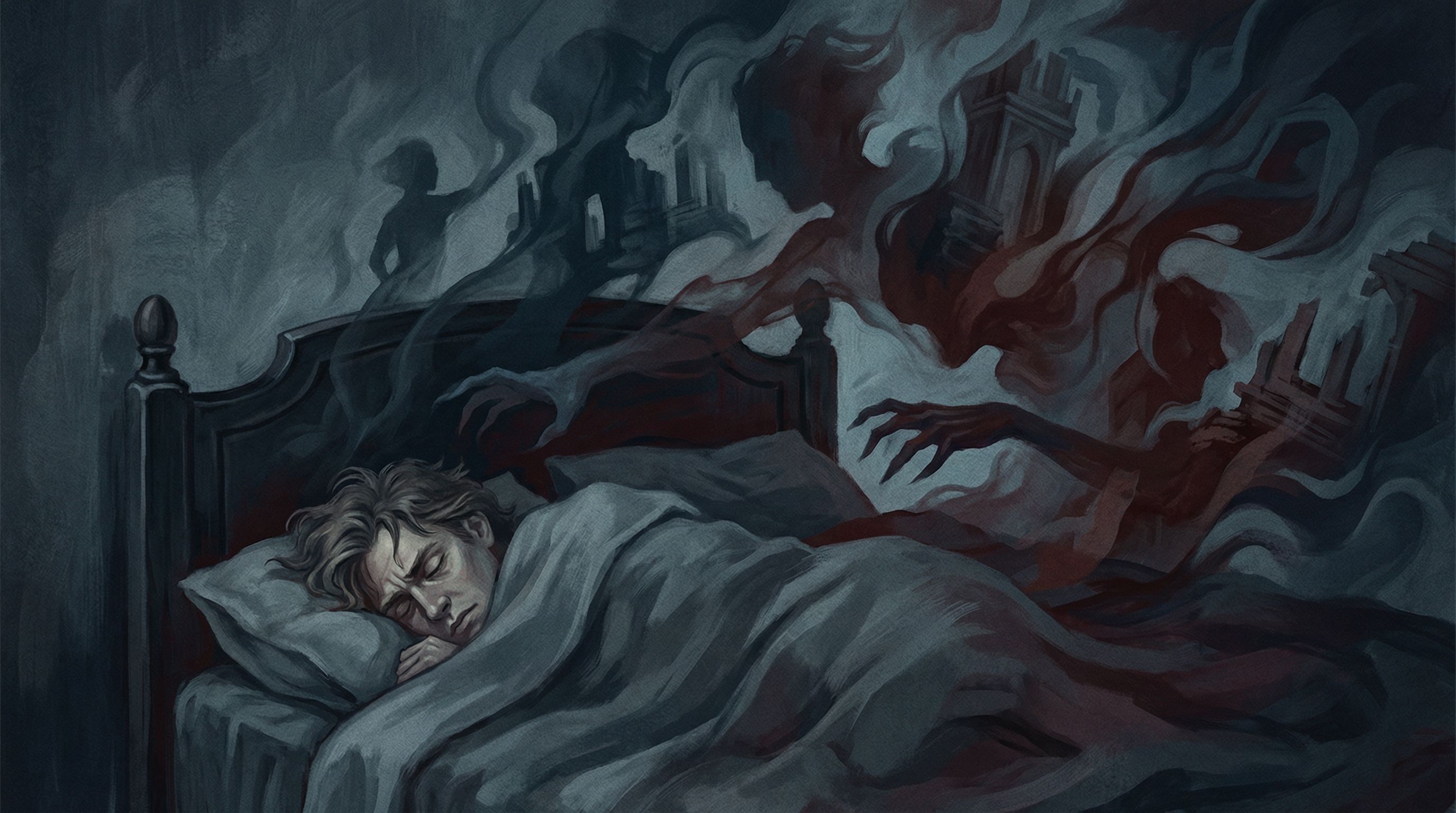
Imagine your subconscious as a lighthouse keeper. Most of the time, the light turns calmly (those are your ordinary dreams). But when a ship—an emotion, a conflict, a stressor—is heading straight for the rocks, the keeper sounds the foghorn. The nightmare is that horn. It isn’t the shipwreck; it is the warning to avoid it.
Anxiety is often the fuel for these visions. In my practice as a Baku, I’ve noticed that dreamers going through periods of brutal transition are the ones most visited by these shadows. The brain uses fear as a flight simulator. It places you in the worst possible situation to test your emotional reactions. It’s fascinating when you think about it: your mind creates a terrifying monster just to teach you how to run, how to fight, or better yet, how to turn around and ask it what it wants.
Sometimes, these shadows are echoes of older wounds. I mentioned this in my reflections on Trauma and Nightmares: When the Past Won’t Pass. The nightmare then becomes an attempt by your memory to "digest" what has remained lodged in the throat of time.
Befriending the Shadow: From Panic to Understanding
There is a nuance that many forget: there is a fundamental difference between a daily stress nightmare and an "existential" nightmare.
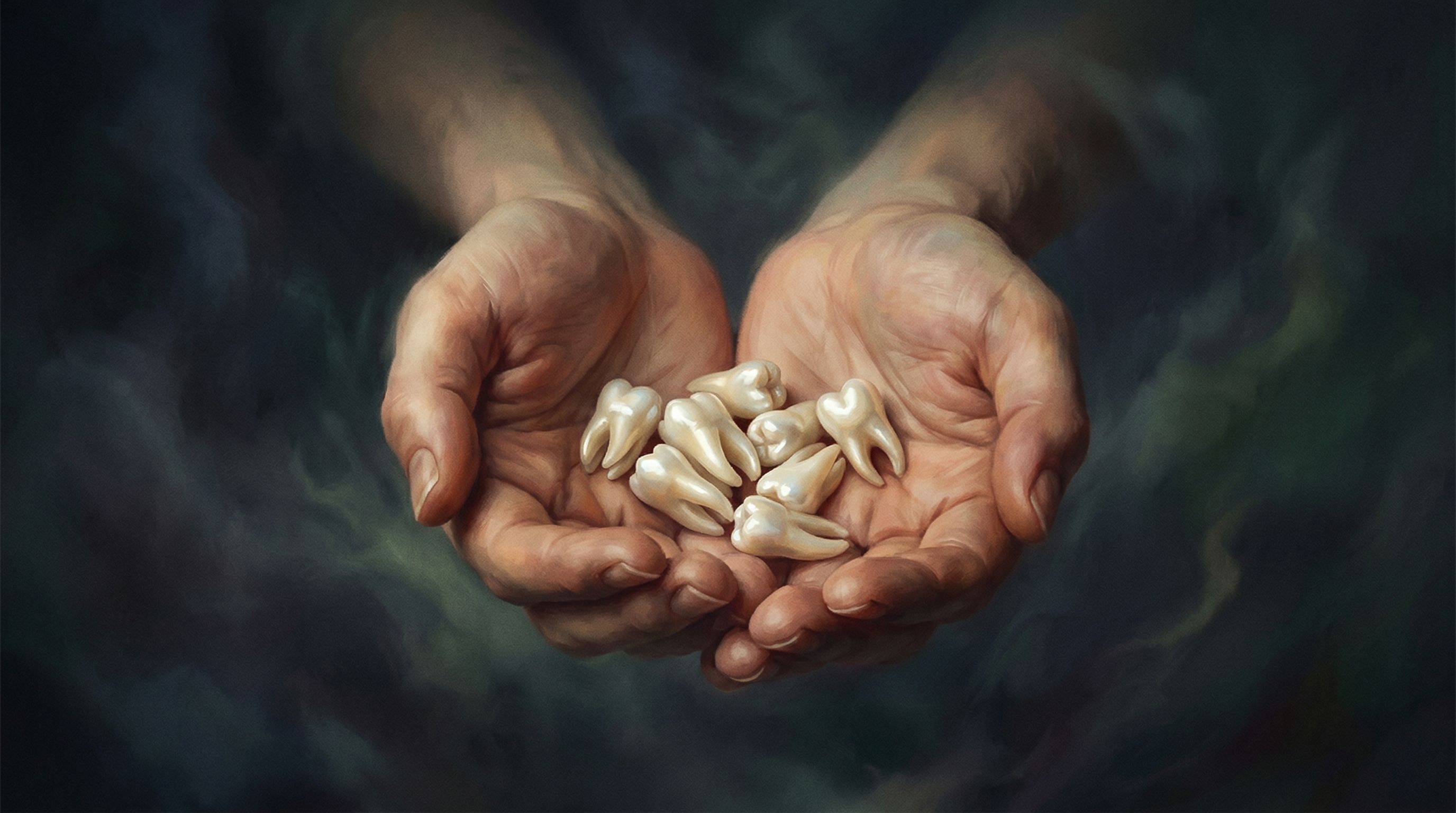
The first is often a chaotic jumble of your office or family worries. You’re running for a bus, losing your teeth, or standing naked in public. This is your brain doing the mental housekeeping. It’s annoying, certainly, but it’s a form of emotional maintenance. For these cases, I sometimes suggest very grounded solutions, like those found in our "Weighted Blanket and Anxiety Test," because soothing the body is often enough to calm the storms of the mind.
The second type, the deep nightmare, is more symbolic. It doesn’t talk about your grocery list; it speaks of your identity. If you dream of a faceless monster watching you, it isn't a creature from a horror movie. It might be that part of yourself you are neglecting, that ambition you are stifling, or that truth you don’t dare to look in the face.
Honestly? I have a soft spot for those dreams. They possess a brutal honesty. You cannot lie to a nightmare. You can lie to your boss, to your partner, or to yourself in the mirror, but when the lights go out, the truth reclaims its rights in forms that are sometimes terrifying. This is a form of collective anxiety we often see—a feeling that the world is slipping away from us—as I described in The World’s Vertigo: Decoding Collective Anxiety Dreams.
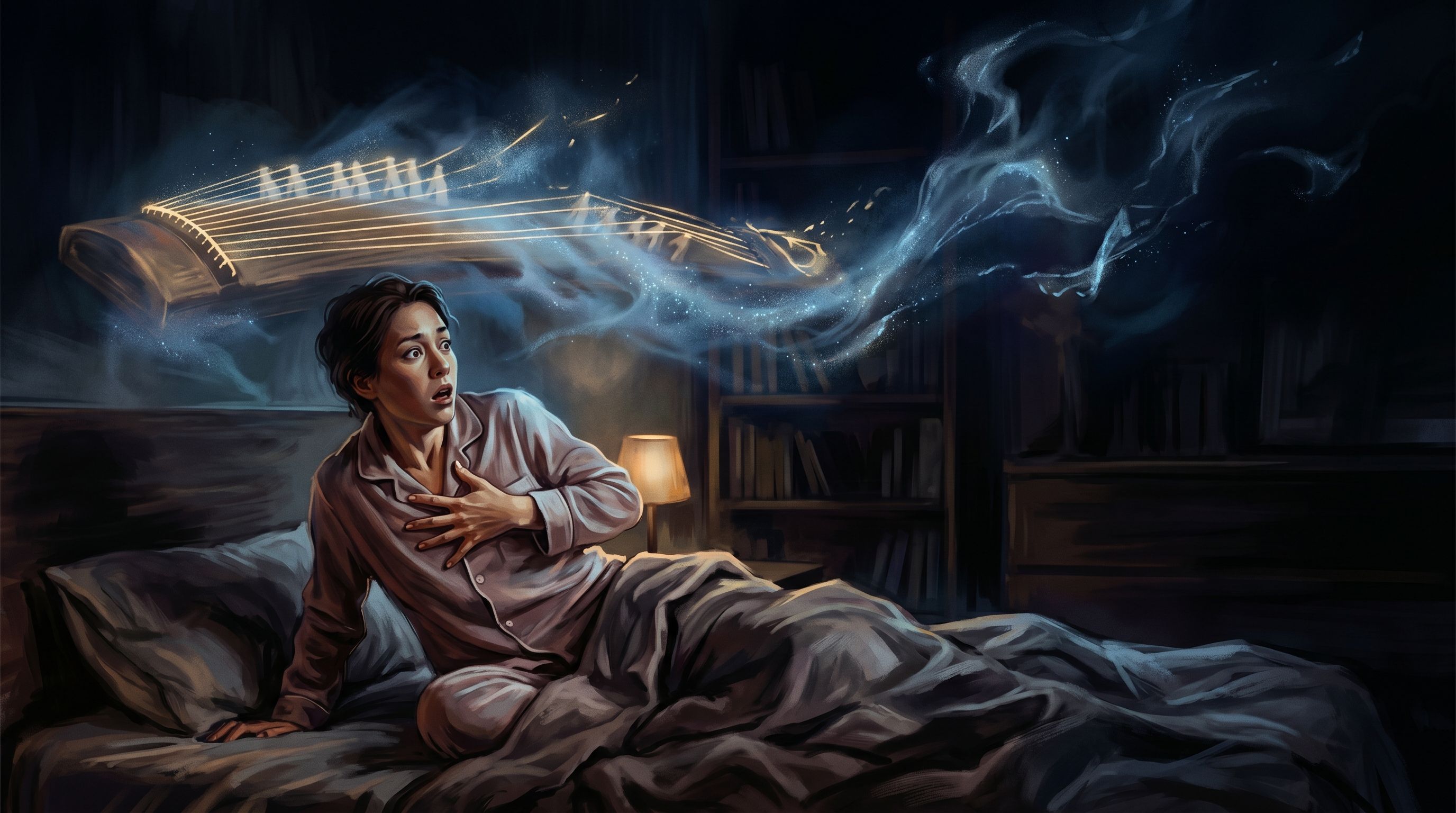
Do not run from your nightmares. Welcome them like slightly rude guests who have come to tell you that something is wrong. If you wake up with your heart racing, don’t try to forget immediately. Stay in that emotion for a moment. Ask yourself: "What is this fear? What does it look like in my everyday life?" It is by naming the shadow that we prevent it from leading us.
Interpretation is not a cold science; it is a conversation between you and yourself. I don't have a universal answer, because every dreamer weaves their own web. But I know one thing: the person who is no longer afraid of their nightmares is the one who finally begins to master their own story.
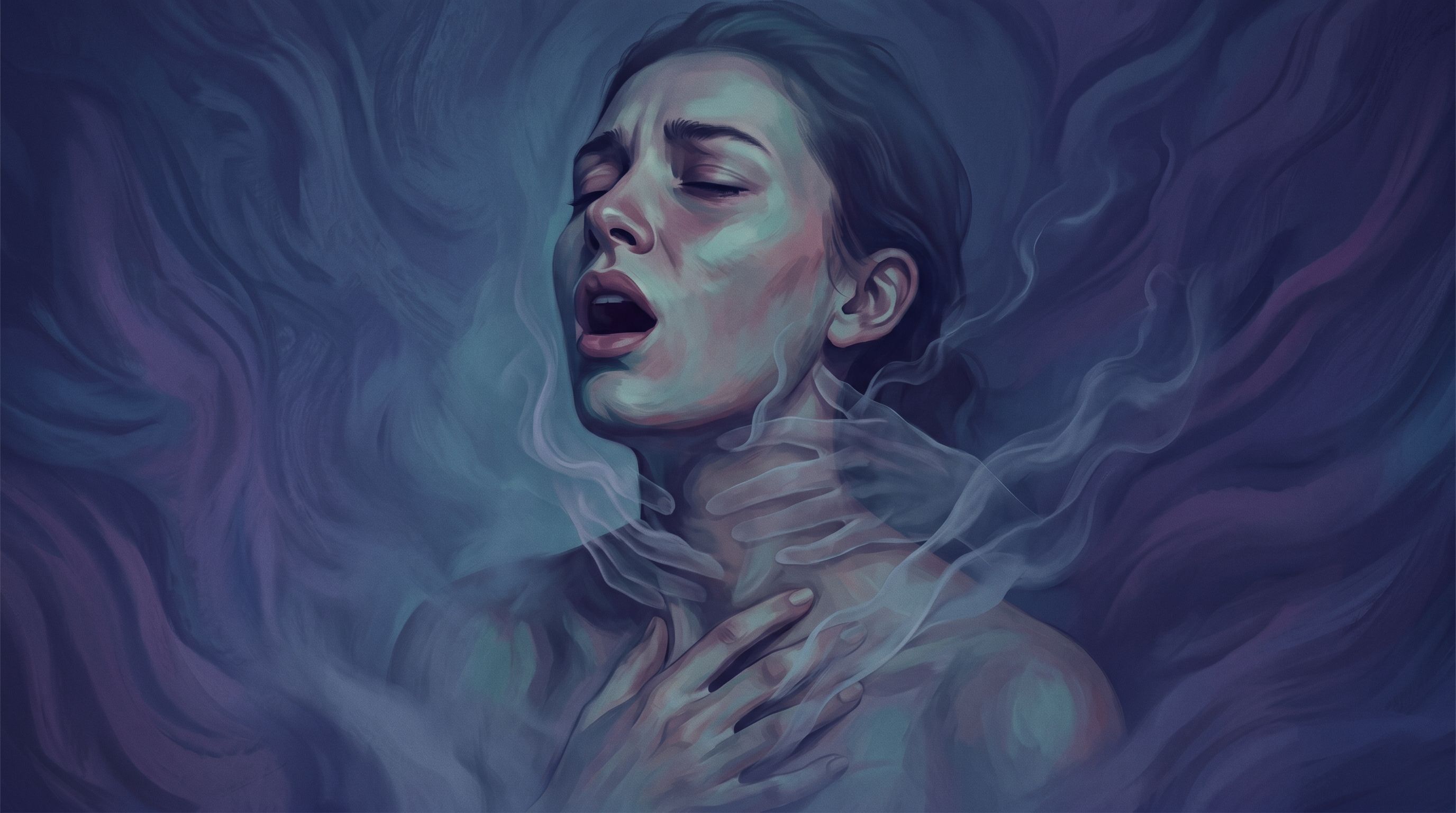
Have you ever noticed how a nightmare has its own temperature? Sometimes, it is not just your thoughts playing tricks on you, but your very flesh crying out in the dark. Your body and your mind are not separate rooms; they are two sides of the same sliding paper door. When you feel suffocated in a dream, or when you are running but your legs feel like lead, your physical shell is trying to speak. It might be a sudden drop in room temperature, a heavy blanket pressing on your chest, or even the visceral thrum of your own racing heartbeat echoing through your ears as you sleep. I often find it beautiful how the unconscious translates a simple physical discomfort into a grand, gothic drama. It’s as if your soul, unable to tap you on the shoulder, builds an entire burning house just to get you to open your eyes and adjust your pillows.
I once met a dreamer who was haunted for months by a towering, faceless entity that stepped over mountains just to crush her tiny house. She was terrified, convinced some ancient curse had settled over her bed. But when we sat with the memory of that shadow, we realized the monster wasn't there to destroy her. It was her own suppressed ambition—a massive, creative force she had kept locked up because she was too afraid to take up space in her waking life. We often misinterpret the scale of our bad dreams. When you find yourself facing a terrifying giant in the fog of sleep, it is rarely an external threat. More often, it is a part of your own power that has grown wild and distorted in the dark because you refused to let it grow in the sun.
There is a strange, quiet melancholy in how modern society treats these dark dreams as pathologies to be cured, as if the mind should only ever be a sunny, sterile garden. Honestly? I think a life without nightmares would be desperately dull. These terrifying landscapes are the purest proof of your mind's wild, uninhibited creativity. When you sleep, you become a master filmmaker, a poet of the uncanny, painting masterpieces of dread without ever holding a brush. The same raw energy that builds a nightmare is what fuels your deepest passions and your capacity to love fiercely. It is a fire. If you put it out completely, you freeze. Instead of trying to banish the dark, we should learn to appreciate its texture, to look at the monster and admire the complexity of its teeth.
If the shadow feels too dense tonight, know that you don’t have to carry it alone. In the world of Midnight Mind, we have created tools so you can capture these visions, transform them into images, and let guides like me help you see more clearly—before I devour them, leaving you only with the wisdom they contained. Why not try drawing that monster in your AI Comic Studio to see if it still looks quite so scary once it’s filled with color?