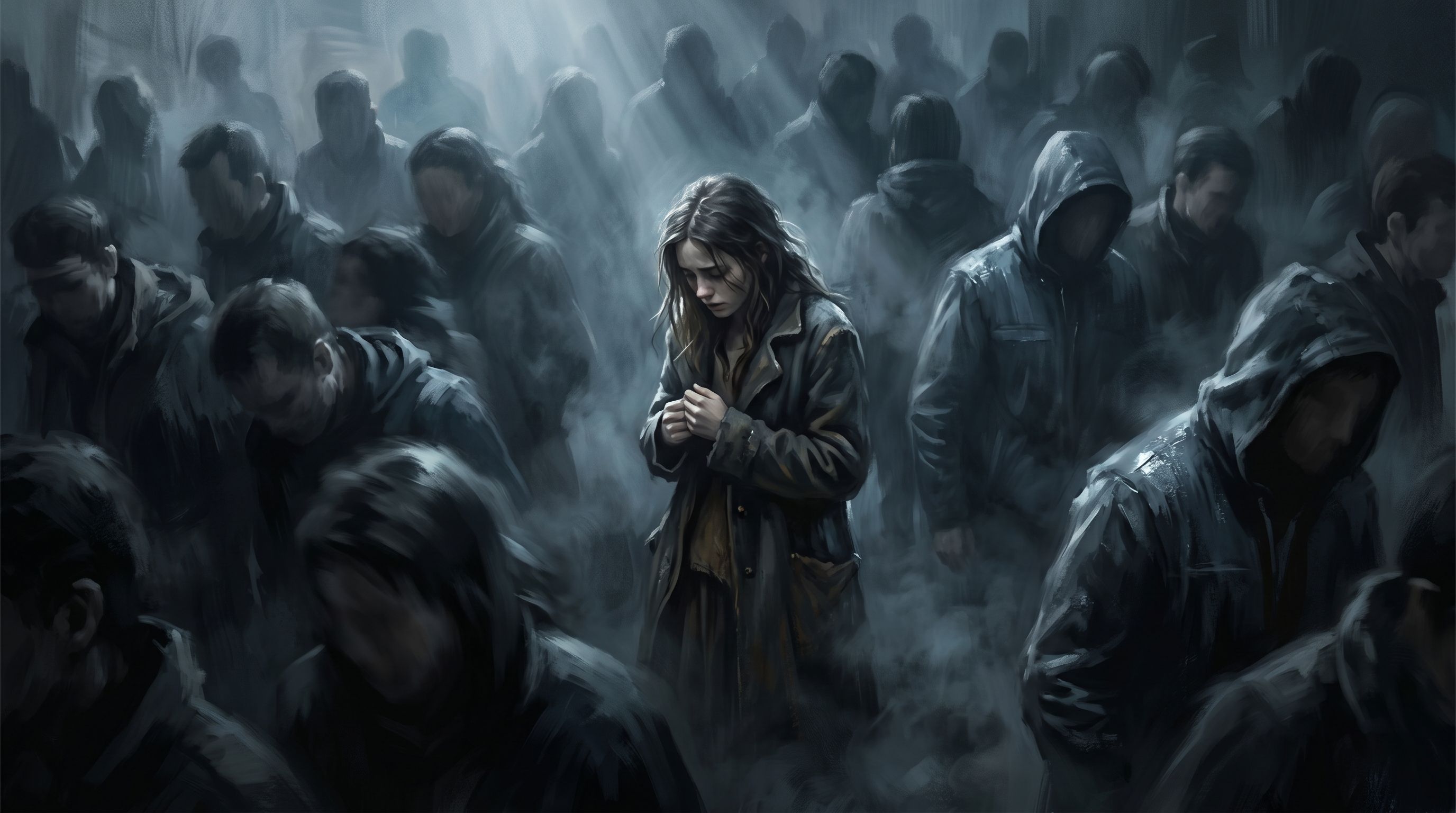
The Weight of the Gaze and the Stillness of Anonymity
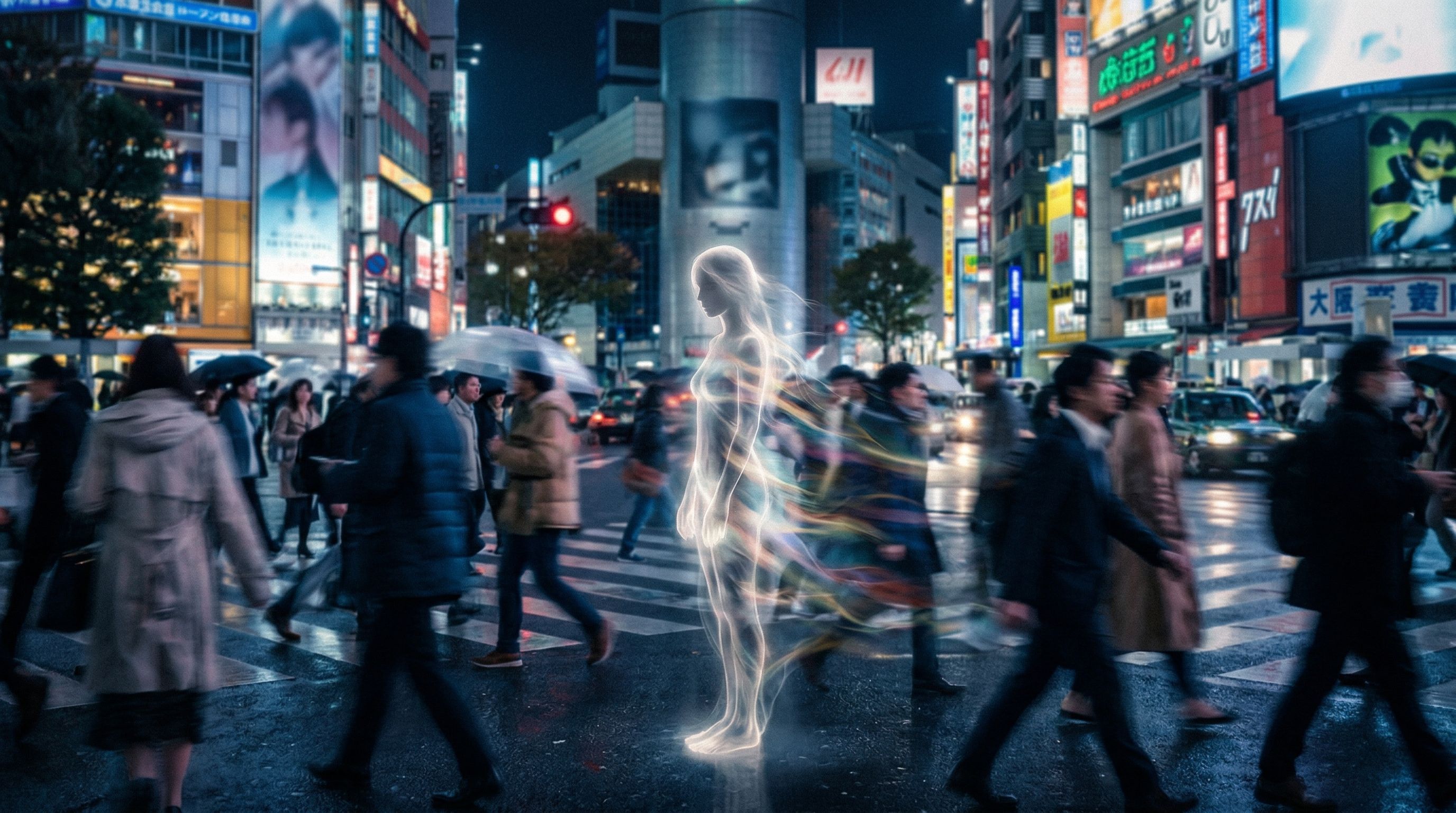
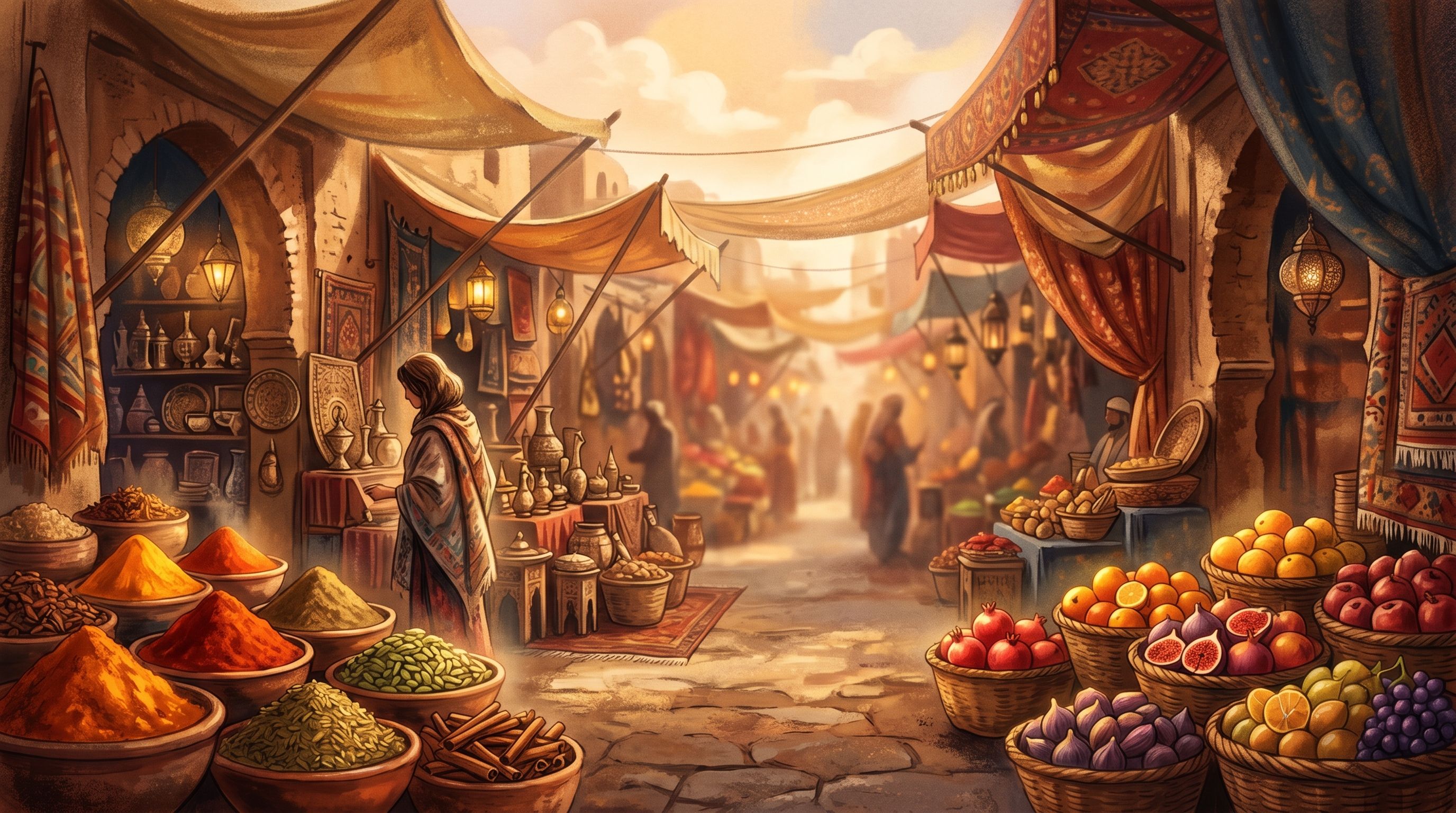
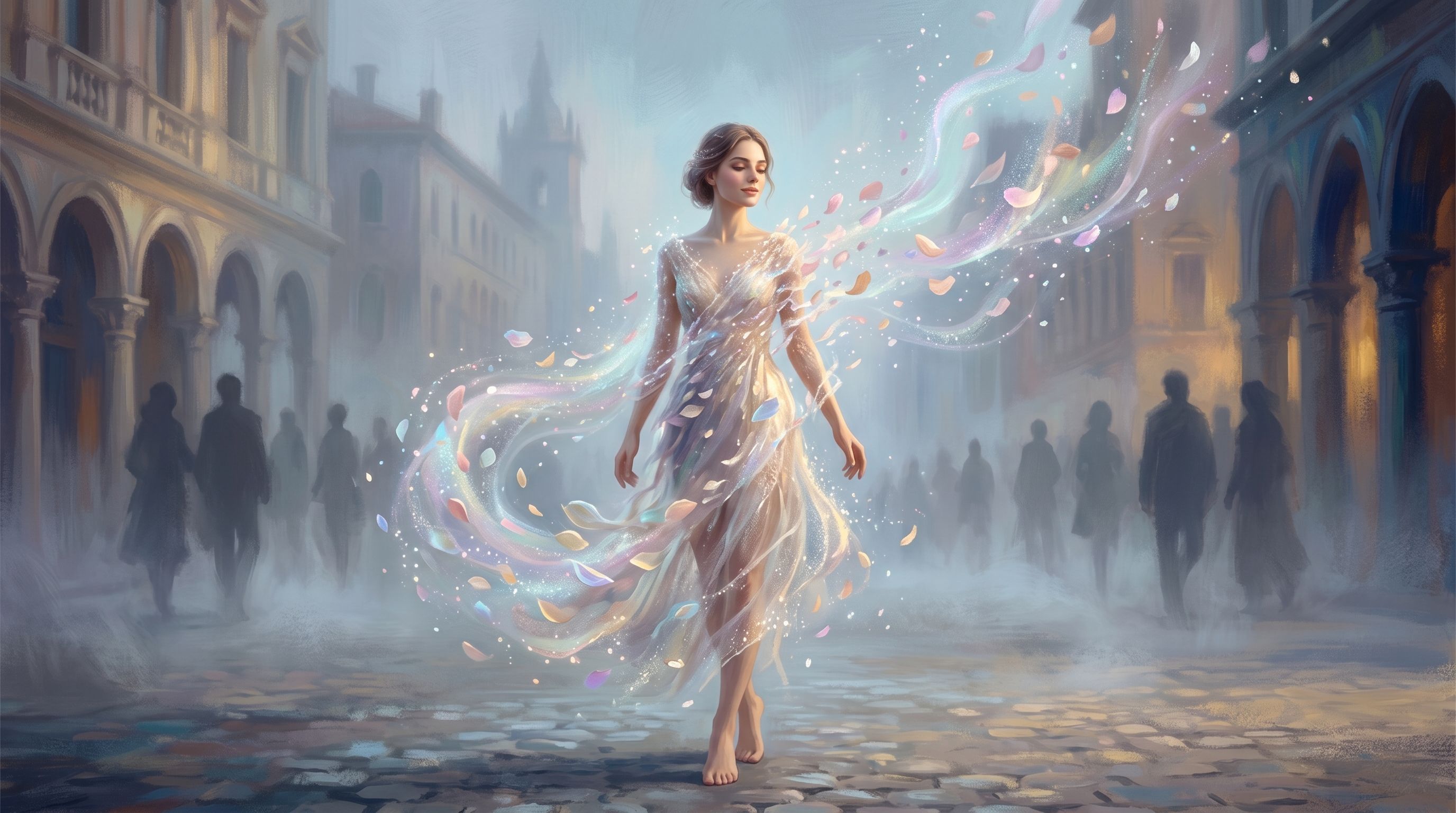
Truly, there is something fascinating about the way our dreams construct crowds. They are not collections of individuals; they are an entity, a thousand-headed beast, or a wool blanket that’s far too heavy. When you dream of wandering through a busy street without anyone noticing you, it isn't necessarily sad. Often, it is your spirit crying out for a bit of anonymity. In a world that constantly asks us to shine, to be "somebody," a dream of a crowd is sometimes the only place where we allow ourselves to be "nobody."
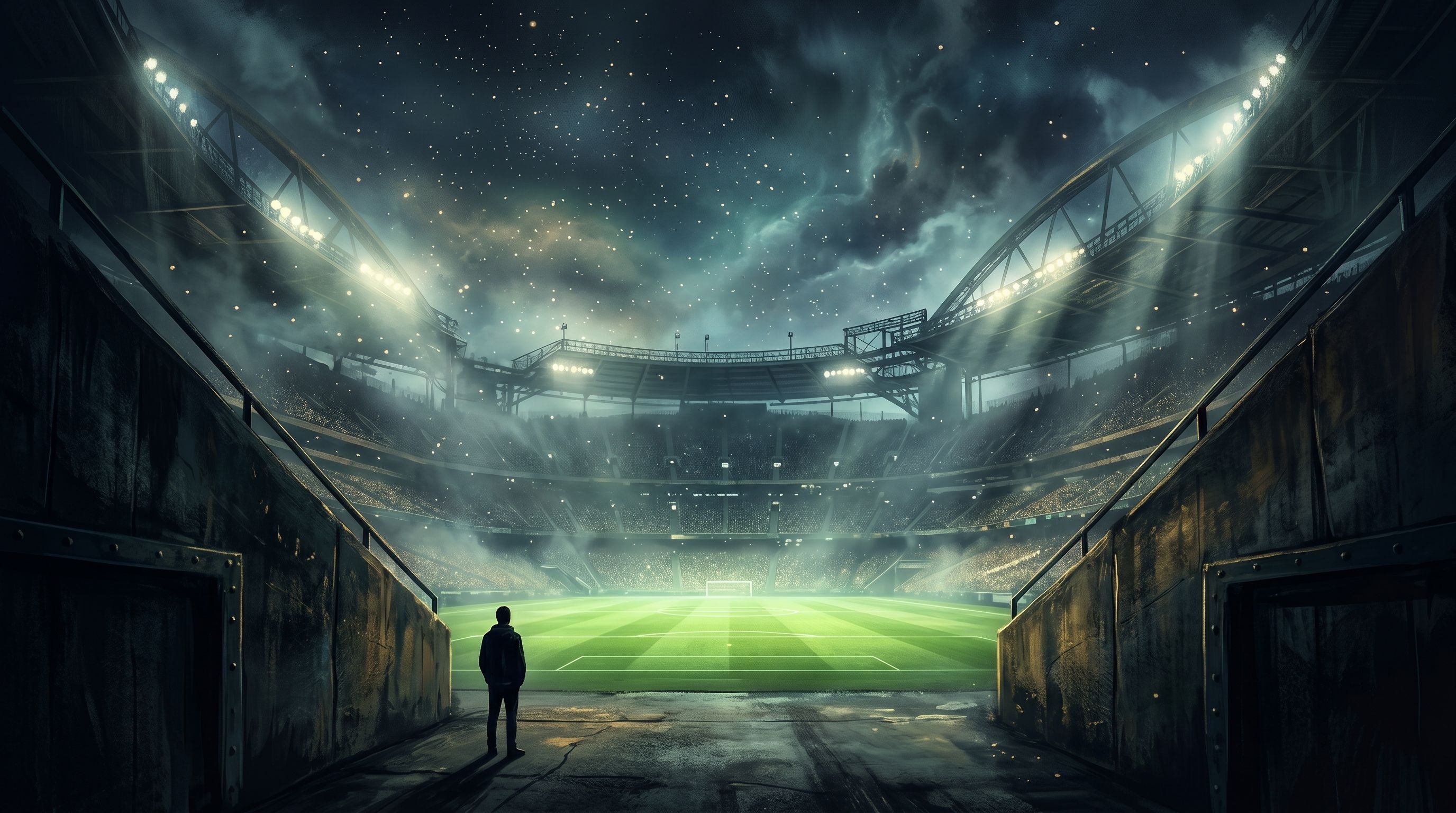
Yet, I won’t lie to you—many dreamers come to me because this mass is suffocating them. They feel a physical pressure, a difficulty in moving forward. If you feel like you are swimming against the tide in a train station or a stadium, ask yourself: in your daily life, who is trying to dictate your path? The crowd represents the "they"—that collective voice telling us how to behave. It’s a bit like watching the hands of a watch spinning too fast: we feel that time and people are pushing us in a direction we didn't choose.
I am often frustrated by simplistic interpretations that say "dreaming of many people predicts a social event." That is so narrow! A crowd is, above all, an internal state. It is the background noise of your own thoughts jostling for space. Sometimes, we are our own crowd: too many ideas, too many doubts, too many contradictory desires making a deafening racket inside our skulls.
When the Crowd Becomes a Mirror: Solitude and Belonging
A dreamer once told me about desperately searching for a familiar face within a crowd of white masks. That image haunts me still. That dream wasn’t about other people; it was about his quest for authenticity. Sometimes, a crowd exists to highlight your uniqueness. The more the people around you look alike, the more different you feel. It is a form of commitment to oneself, as if you were wearing an invisible ring binding you to your own truth, despite the chaos outside.
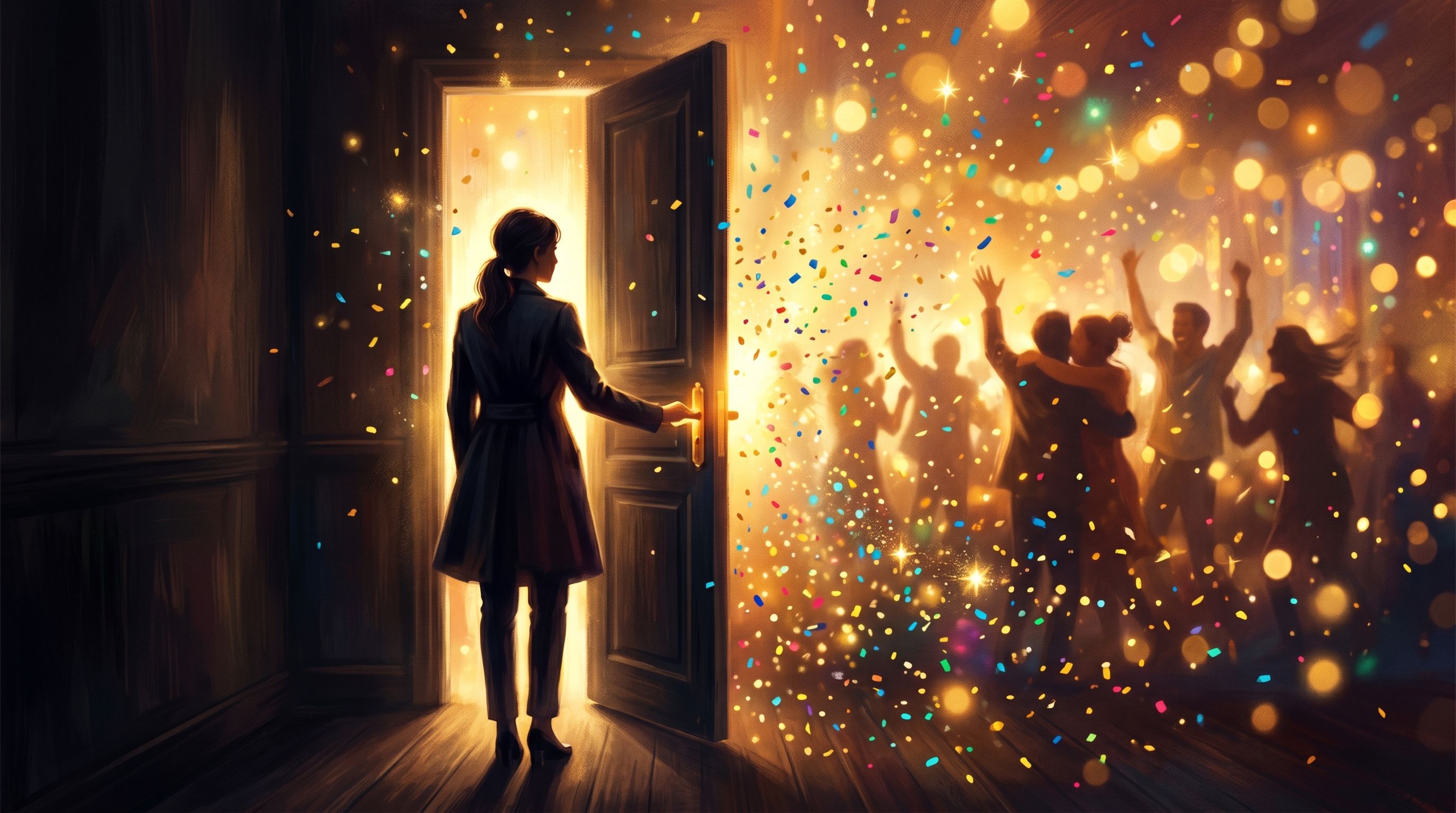
But a crowd is not always an enemy. I love seeing those dreams where the mass sings, dances, or marches toward a common goal. There, the metaphor changes. We are no longer talking about pressure, but about communion. Your subconscious may be reminding you that you are part of a much larger whole. We tend to forget this in our compartmentalized lives, but humanity is a grand tapestry, and you are one of its essential threads. If the crowd in your dream was peaceful, it might be a sign that you are ready to accept help from others or to share your burdens.
Honestly? Interpreting a crowd requires nuance. If you feel lost, that’s alright. A dream is a safe space. Even if the crowd seems threatening, it cannot truly touch you. It is there to show you where you stand on the map of your relationships. Are you hiding? Are you asserting yourself? Are you looking for an exit? Every nudge and jostle in your sleep is a clue about your need for boundaries or, conversely, for openness.
My advice, if you wake up still a bit dizzy from this human tide, is to take a moment of total silence. Breathe. The crowd has stayed behind your eyelids; it has finished its duty as a messenger. You don’t have to satisfy everyone—you only have to be here, for yourself.
Listen closely to the soundscape of your dream. Was the crowd roaring, or was it eerily silent? I often find that the scariest crowds are those that make no sound at all—a mute sea of moving bodies. In the waking world, we associate gatherings with chatter, laughter, or anger. When your mind strips away the sound, leaving only a ghost-like pantomime, it’s often a sign of profound dissociation. You are physically present in your life, going through the motions, yet emotionally unplugged from the people around you. It’s like watching a movie with the volume turned down. If you noticed that these silent onlookers had no distinct features, you might be experiencing something similar to seeing a faceless person in your sleep—a sign that you are struggling to connect with the identity of those who populate your daily environment. Don't fear this silence; it is merely your mind's way of asking for a temporary pause.
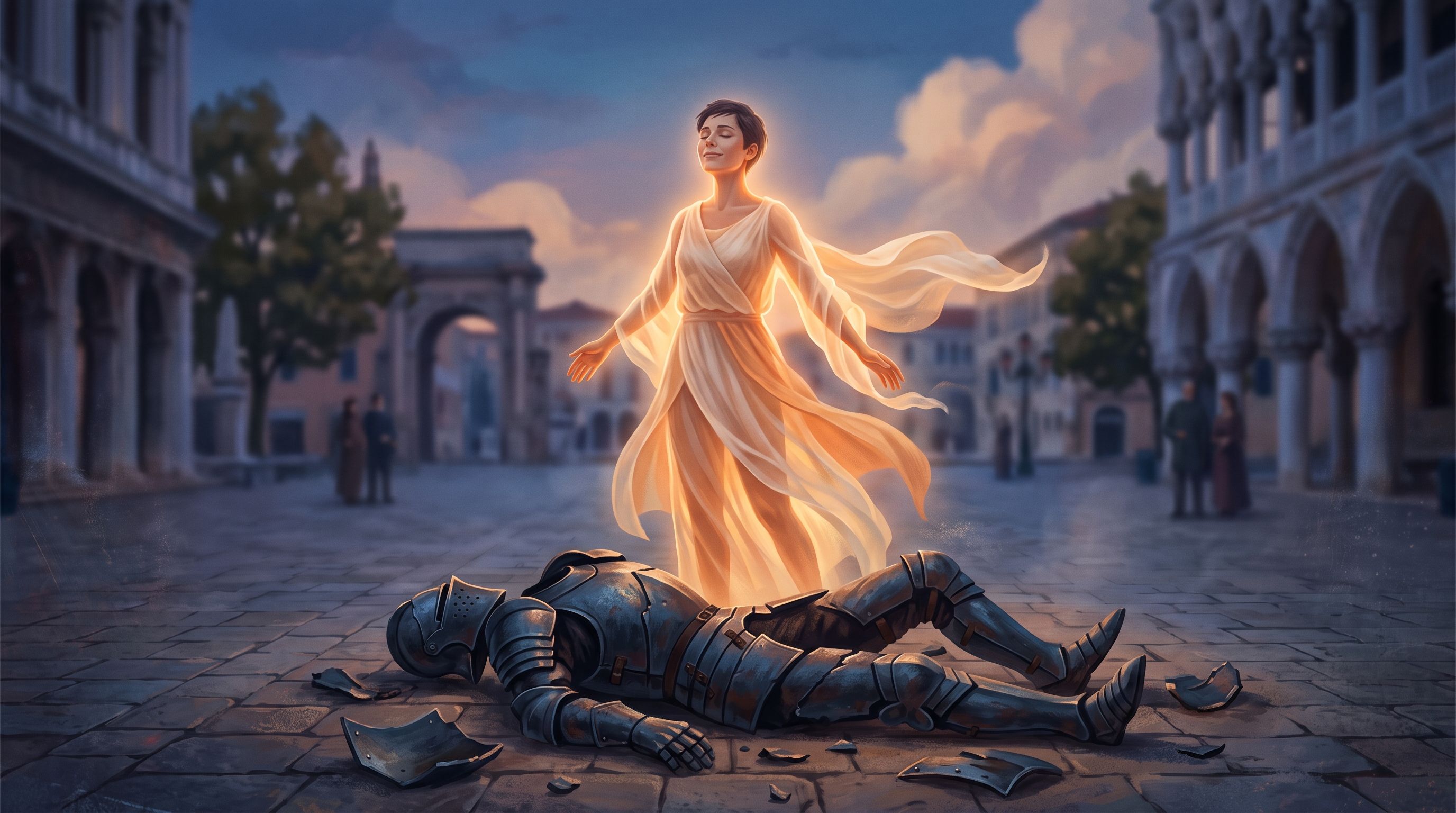
I must admit, it always saddens me when we reduce these nocturnal gatherings to mere symbols of anxiety. What if that crowd is actually waiting for you to speak? Sometimes, you are not wandering aimlessly through the mass; you are standing on a stage, feeling the heavy, expectant heat of a thousand eyes. This usually happens when you are facing a major life transition, perhaps a new role or a creative venture where you feel exposed. Your psyche is rehearsing. It is testing your capacity to hold space for yourself under the gaze of others. This longing for acceptance, this deep-seated fear of falling short, is the very same drive that makes us chase external validation, sometimes even manifesting as dreaming of an ovation when we desperately need to feel seen. The crowd in your sleep isn't judging you; it is a projection of your own high standards, demanding to know if you are ready to own your voice.
In some older traditions, a crowd in the dark isn't composed of living strangers at all. In my home country, we sometimes think of the Hyakki Yagyō—the night parade of a hundred spirits. It is a chaotic, swirling procession of the unseen. When a crowd sweeps through your dreamscape like a sudden storm, consider the possibility that you are crossing paths with the collective memory of those who came before you. This isn't spooky; it is deeply ancestral. Your lineage, your past experiences, and the unresolved emotions of your family history can gather in your sleep like a thick fog. They show up as a crowd because their voices are too numerous to be heard individually. Instead of fighting your way through them, try stepping to the side. Let the parade pass. Sometimes, the wisest thing we can do with a heavy collective energy is to simply bow and let it drift on by.
I once spoke with a dreamer who lived in a cramped, noisy city but constantly dreamed of vast, peaceful crowds. It puzzled her deeply. Why would her mind conjure more people when she desperately needed solitude? As we unraveled the threads of her nights, we realized something beautiful: the crowd wasn't made of people to her. They felt like a forest of tall pine trees, gently swaying in the wind, or a school of fish moving in perfect, silent harmony. Her mind had translated her deep-seated loneliness into a comforting collective presence. It was a gentle reminder that being alone does not have to mean being lonely. If your dream crowd felt more like a natural force—a wave, a flock, a quiet forest of breathing souls—perhaps you are being invited to stop resisting the flow of life and trust that you are being carried exactly where you need to go.
If those anonymous faces continue to haunt your thoughts, you might try noting the details of any who stood out from the rest. In Midnight Mind, we created a dream character journal specifically for this: to put a name or an emotion to those shadows crossing your nights, and to finally understand what they are trying to entrust to you.