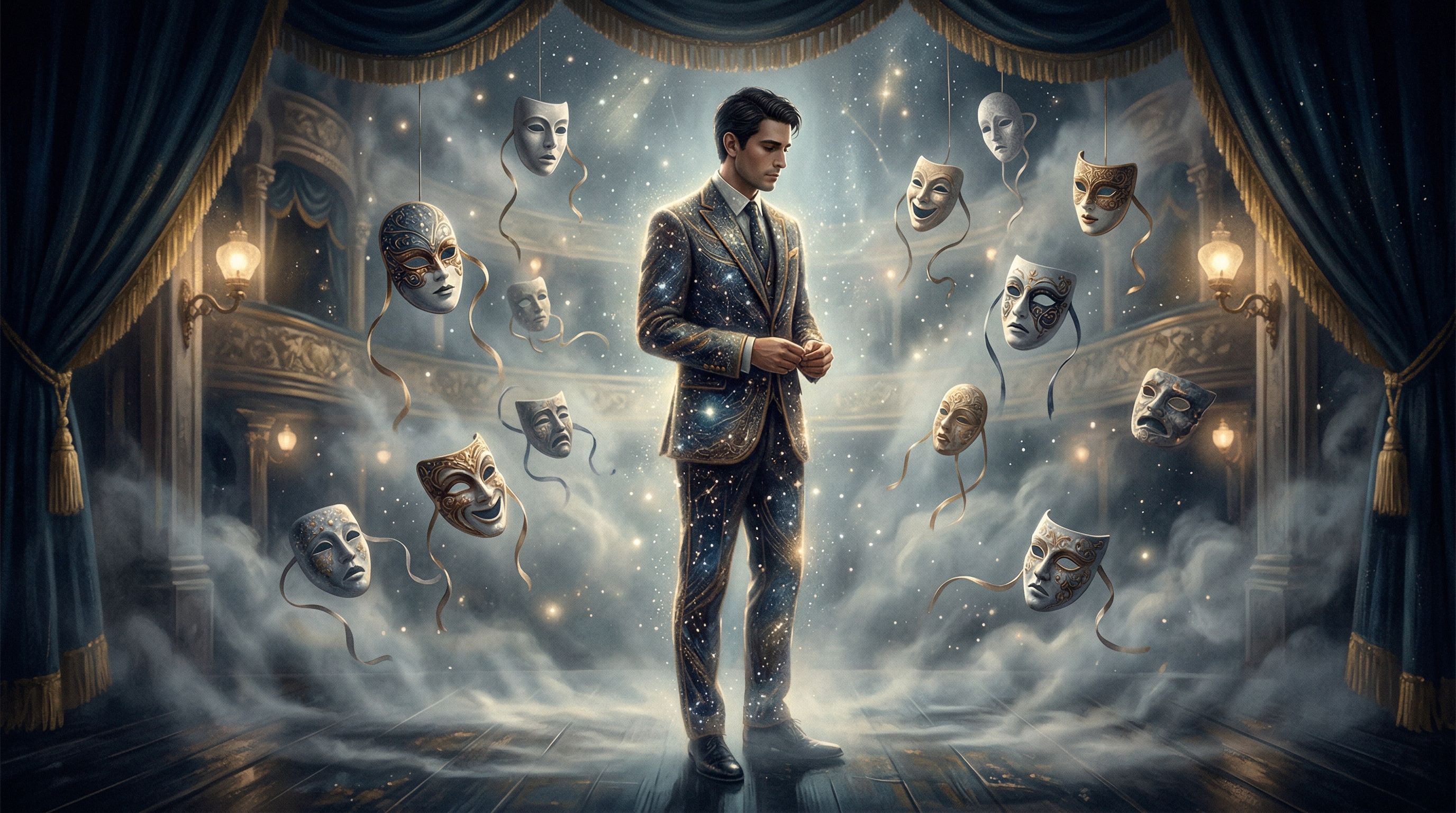
The weight of the clothes we no longer wear
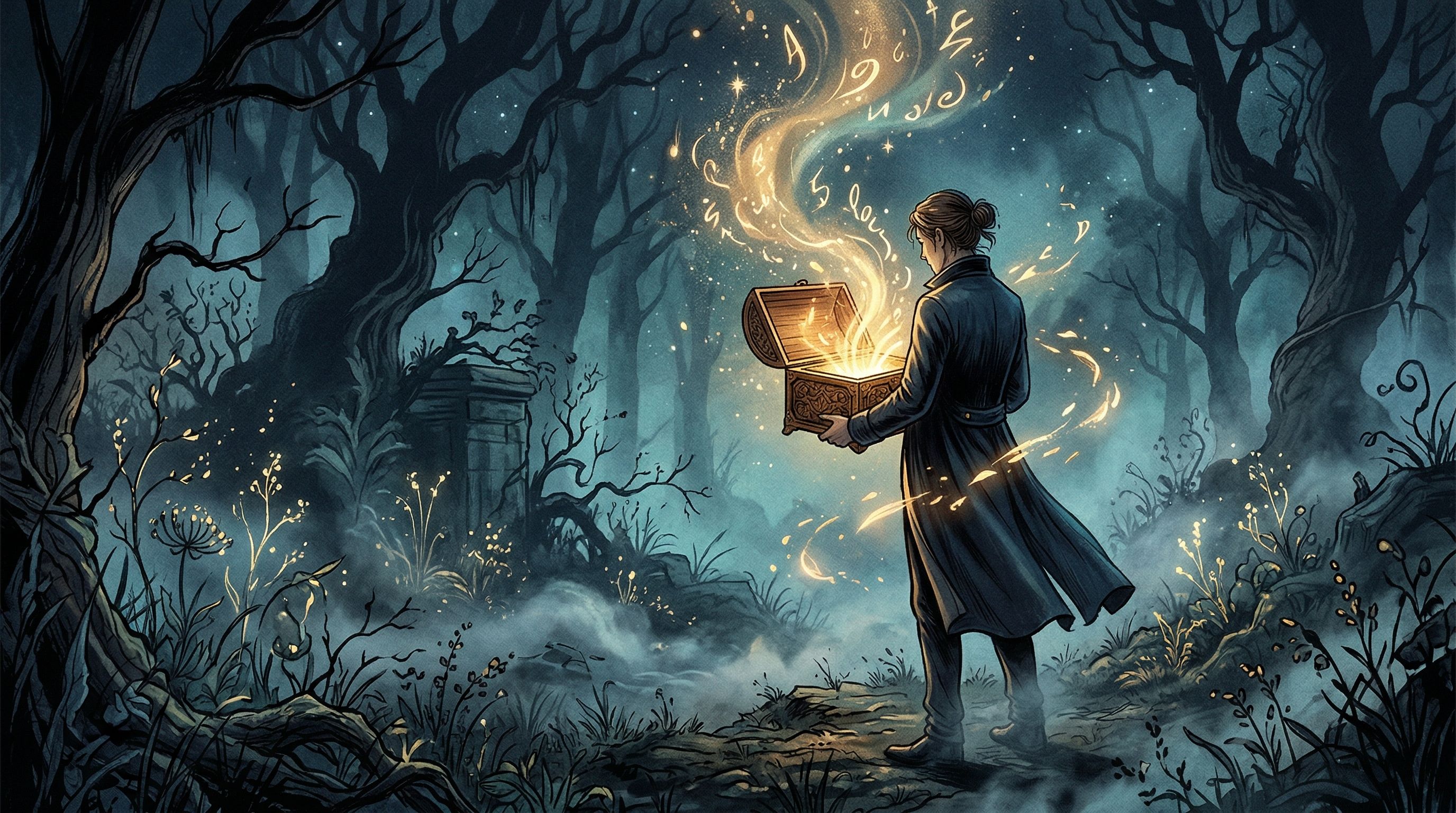
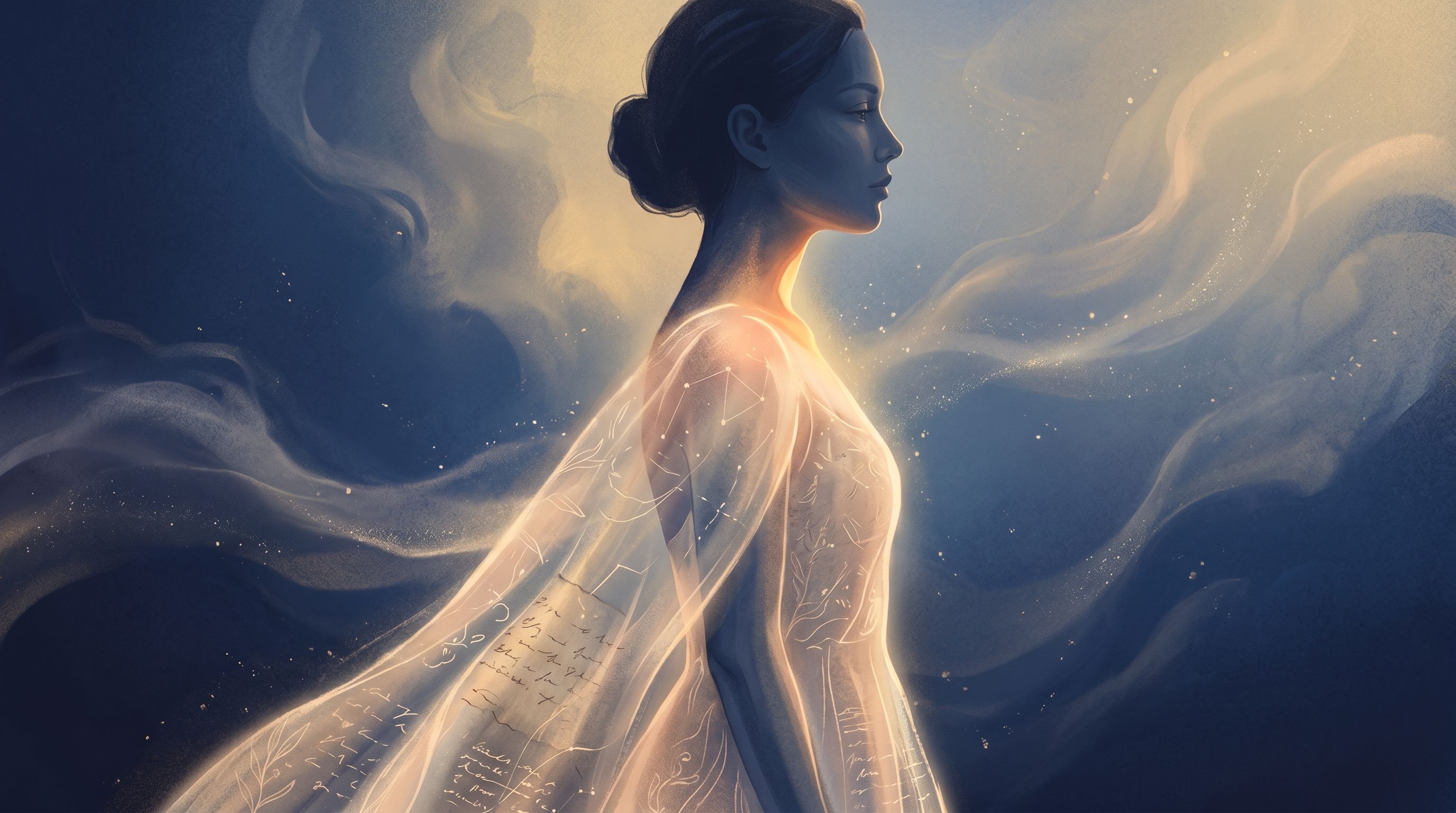
Sometimes, I feel a little frustrated seeing how deeply attached you are to your costumes. In your societies, clothing is more than just fabric; it is a shield, an armor of prestige or conformity. When you dream of being naked in public, it isn't your body being exposed, but your social identity evaporating.
I once encountered a dream of a man who saw himself naked at his own wedding. He was terrified. Yet, as I tasted his nightmare, I realized he didn't fear the nudity itself; he feared his partner seeing his worry that he wasn't "good enough." This is often where the heart of the message lies: we feel naked when we feel we are playing a role too large for us. You call this vulnerability, but in reality, it is a form of courage your mind is trying to embrace.
We sometimes find this same fragility—this feeling of being defenseless and without landmarks—in Dreaming of a Lost Child. It is that same core of your being crying out: "Look at me as I am, without my titles, without my makeup, without my defenses." Is it truly so frightening to be yourself?
The indifference of others: the great paradox
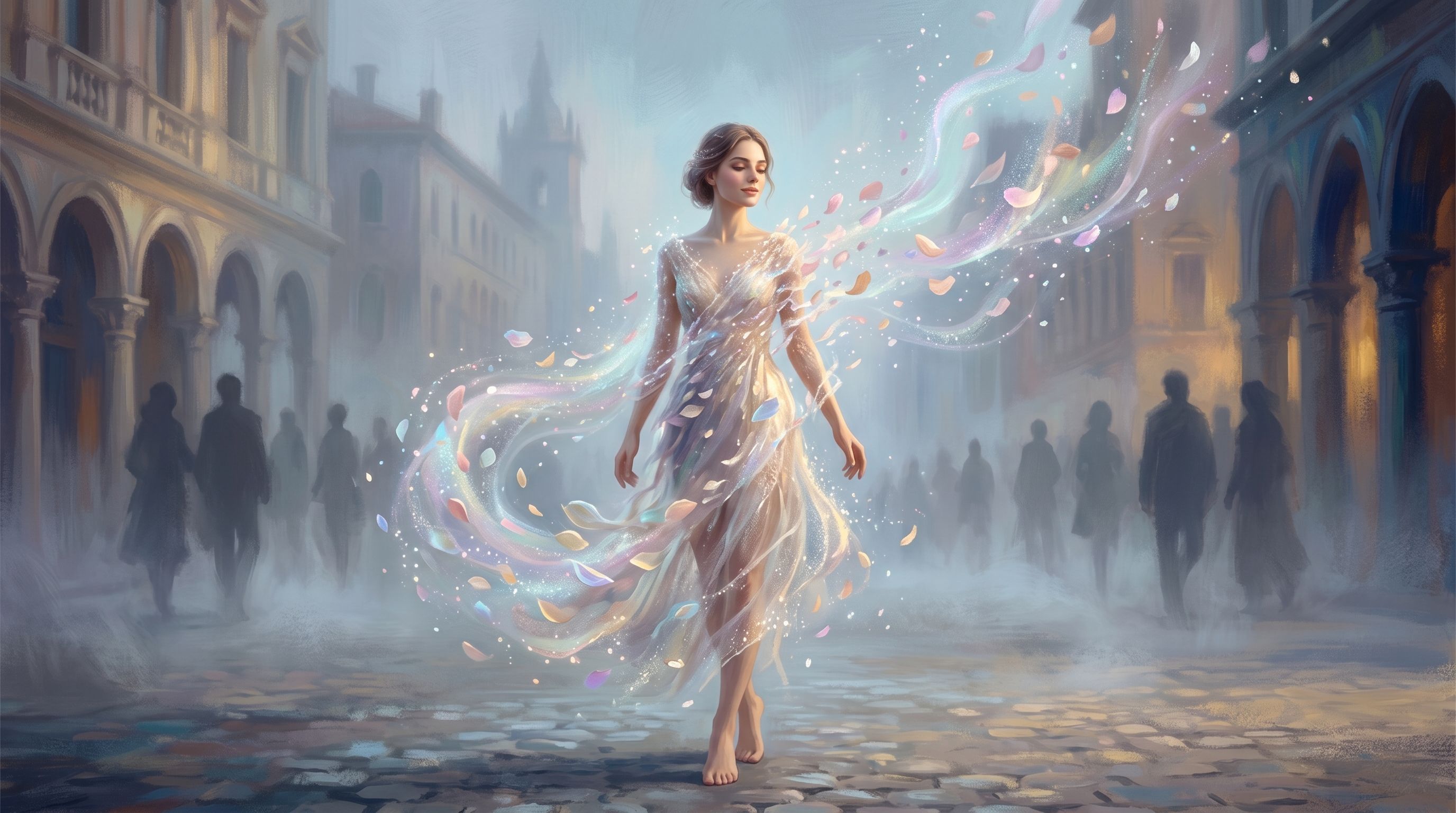
What always fascinates me about these scenes of exposure is the reaction of the dream-crowd. Have you noticed? Often, in your dream, the people around you don't even seem to notice your nakedness. They continue chatting, walking, and working.
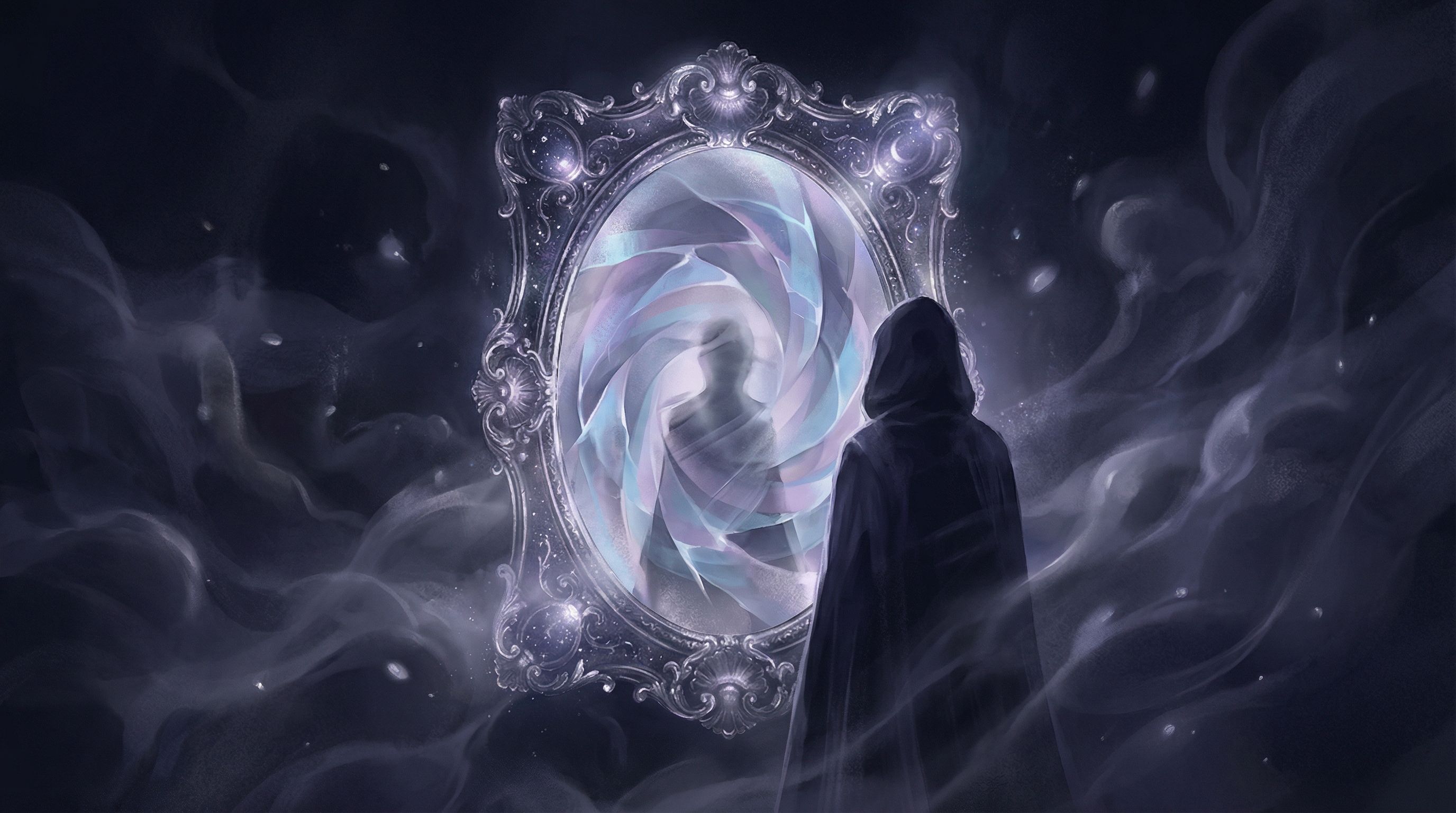
This is a piece of wisdom your subconscious is whispering in your ear: we are the only harsh judges of our own image. Your anxiety regarding the gaze of others is a warped mirror. You think everyone sees your flaws, your doubts, your inner "nakedness," when everyone else is far too busy with their own costume.
There is a wild dignity in nudity, a form of natural nobility that reminds me of the power in Dreaming of a Deer. The deer does not apologize for its presence; it does not need clothes to assert its place in the forest. By showing you naked, your dream might be asking you to reconnect with that organic confidence, far from the city's artifices and stifling social expectations.
Honestly, I do not believe in dream dictionaries that claim nudity means "shame" or "poverty." That is too simplistic, almost lazy. For me, it is a call for transparency. If you feel uncomfortable in your dream, ask yourself what part of you you are trying so desperately to hide in your waking life. Is it an opinion? An emotion? A past mistake?
Taming your own light
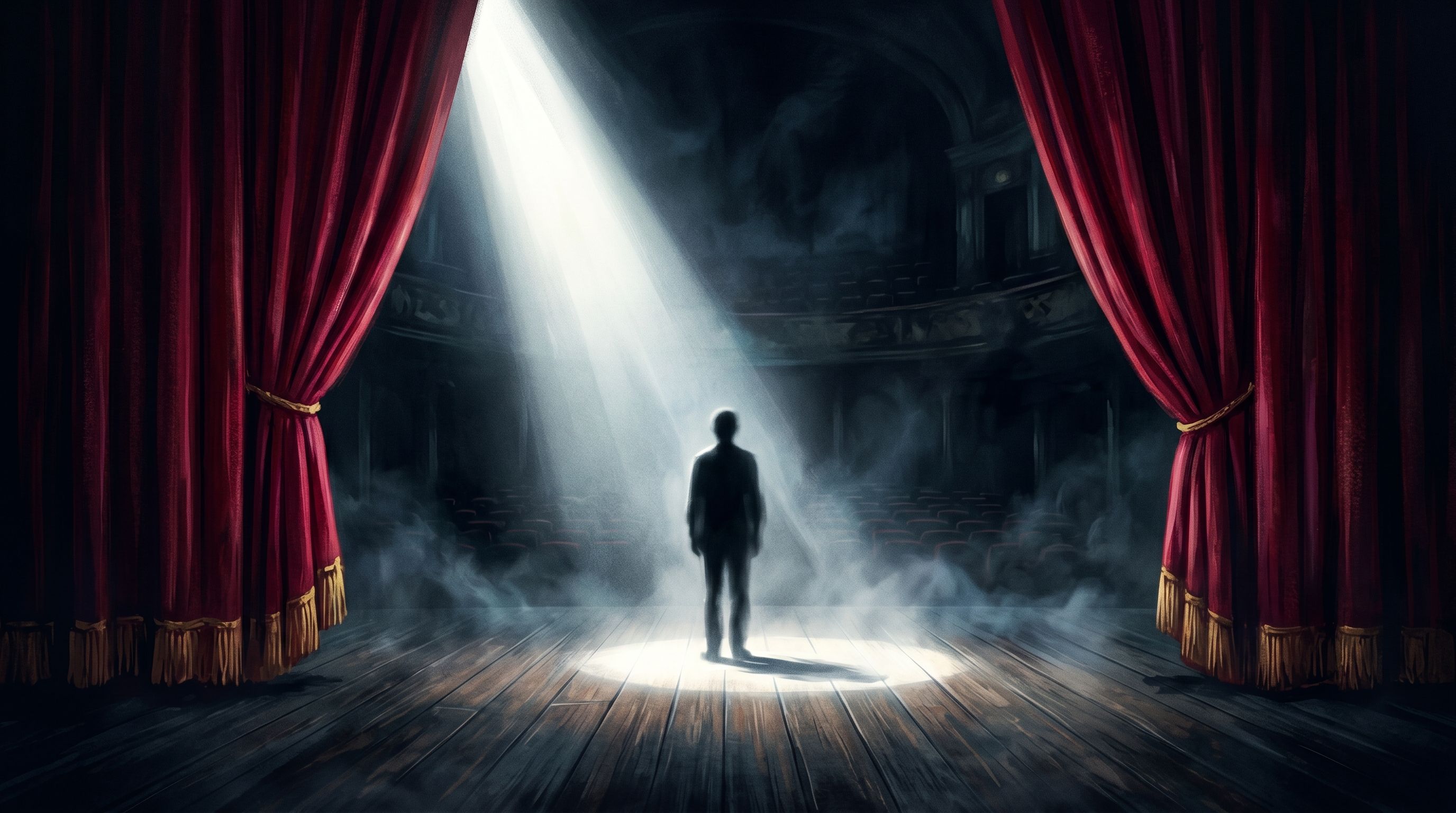
The next time you find yourself naked on a stage in your dreams, try, if you can, not to look for cover. Feel the air on your skin. It is a sensation of freedom we too often forget. Vulnerability is not a weakness; it is the purest point of contact between two human beings.
My advice for when you wake up:
Note where you were naked. Was it a place of judgment (work) or intimacy?
Identify who was looking at you. Was it an anonymous crowd or someone specific?
Accept the idea that you do not need to be "perfectly dressed" to be worthy of respect.
Interpretation is never set in stone. Every dreamer is a unique universe, and this symbol can vary according to your story. Sometimes, being naked is simply a need to unburden yourself of a weight that has become too heavy.
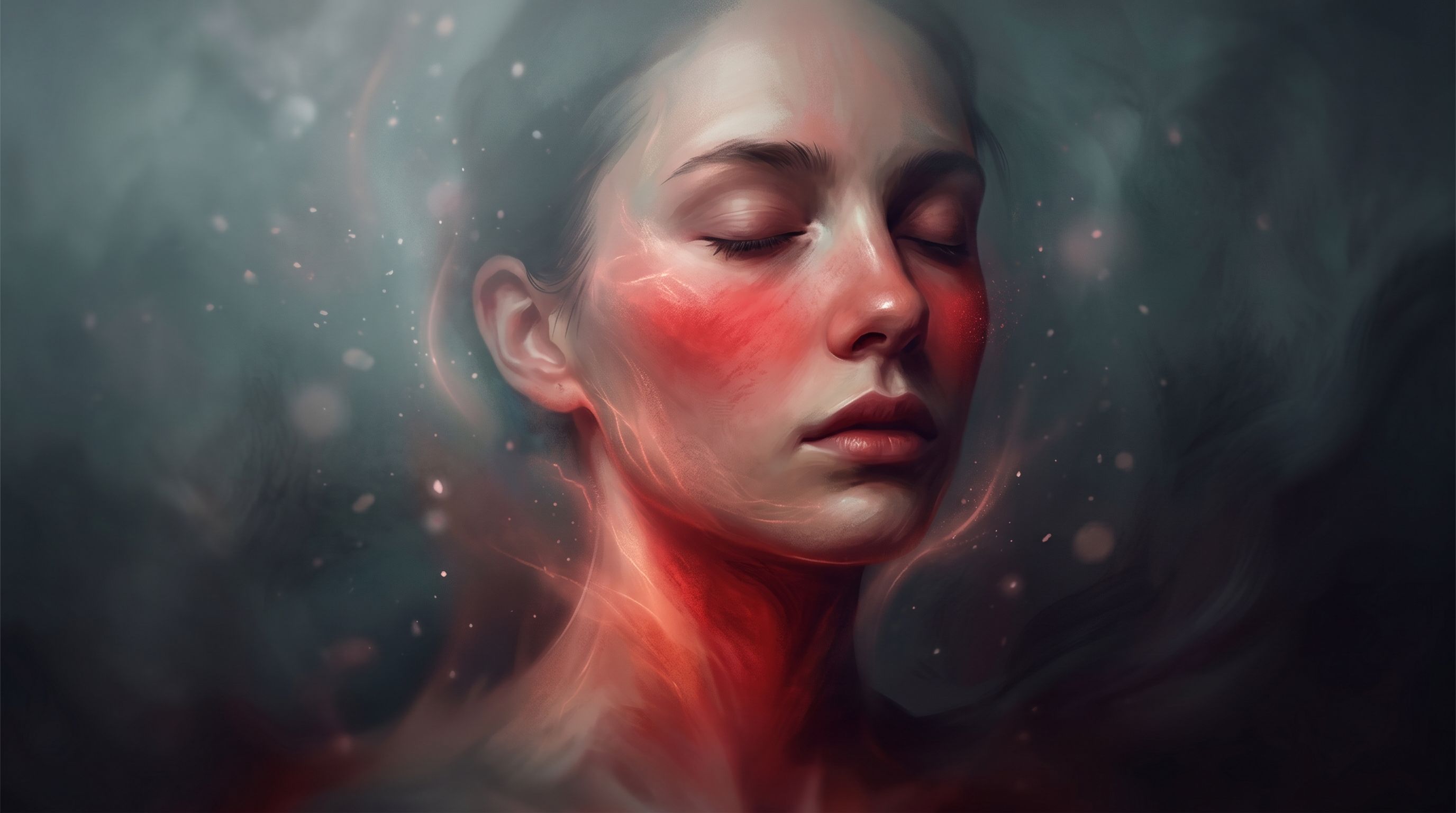
Have you ever noticed the temperature of your skin in these dreams? It is rarely warm. Most dreamers tell me about an icy draft, a sudden shiver that pierces through them the moment they realize they are bare. I find this somatic detail beautiful. In the ancient traditions of my homeland, we speak of misogi—a purification ritual where one stands naked under a freezing waterfall to wash away the spiritual dust accumulated from daily life. Your dream-self is staging its own involuntary misogi. That cold air you feel isn't meant to punish you; it is waking up your dormant senses. It is a violent, beautiful reminder that you are alive under those layers of wool and silk, forcing you to feel the raw edge of existence again.
I once listened to the dream of a young woman who was preparing to publish her first deeply personal poetry collection. In her dream, she stood in a crowded subway car, completely naked, holding only her notebook. She woke up weeping from embarrassment. Yet, what she failed to see was that her soul was simply preparing her for the act of creation. True art, much like losing your clothes in the middle of a crowd, requires you to abandon the safety of your defenses. You cannot speak to the world from behind a barricade. If you are going through a period of intense transition or creative output, this dream is your psyche's way of asking if you are truly ready to let others see the unvarnished truth of your heart, without the comfortable security of a disguise.
Honestly, I get a little weary of modern psychologists who immediately diagnose this dream as a sign of low self-esteem or anxiety. What if it is the exact opposite? What if it is a quiet rebellion of your soul against your own perfectionism? When you spend your days maintaining an impeccable image, curating every word, and carrying a heavy shield to hide your flaws, your subconscious eventually gets tired. It rebels. By stripping you bare in public, it forces a controlled collapse of your ego. It is a relief, really. The worst has happened—you are exposed—and yet, the sky did not fall. The dream is a paradoxical gift of freedom, showing you that your survival does not depend on how perfectly you manage your reputation.
If you wish to keep a record of these moments of truth and see how your relationship with your image evolves through the nights, the Midnight Mind app features a dream journal for recurring characters that could help you understand who in your life triggers this need for transparency or this fear of being discovered.
Sleep peacefully, leave your fears to me—I will take care of turning your shivers into stardust.