The Social Skin: Why the Unconscious Strips You Bare
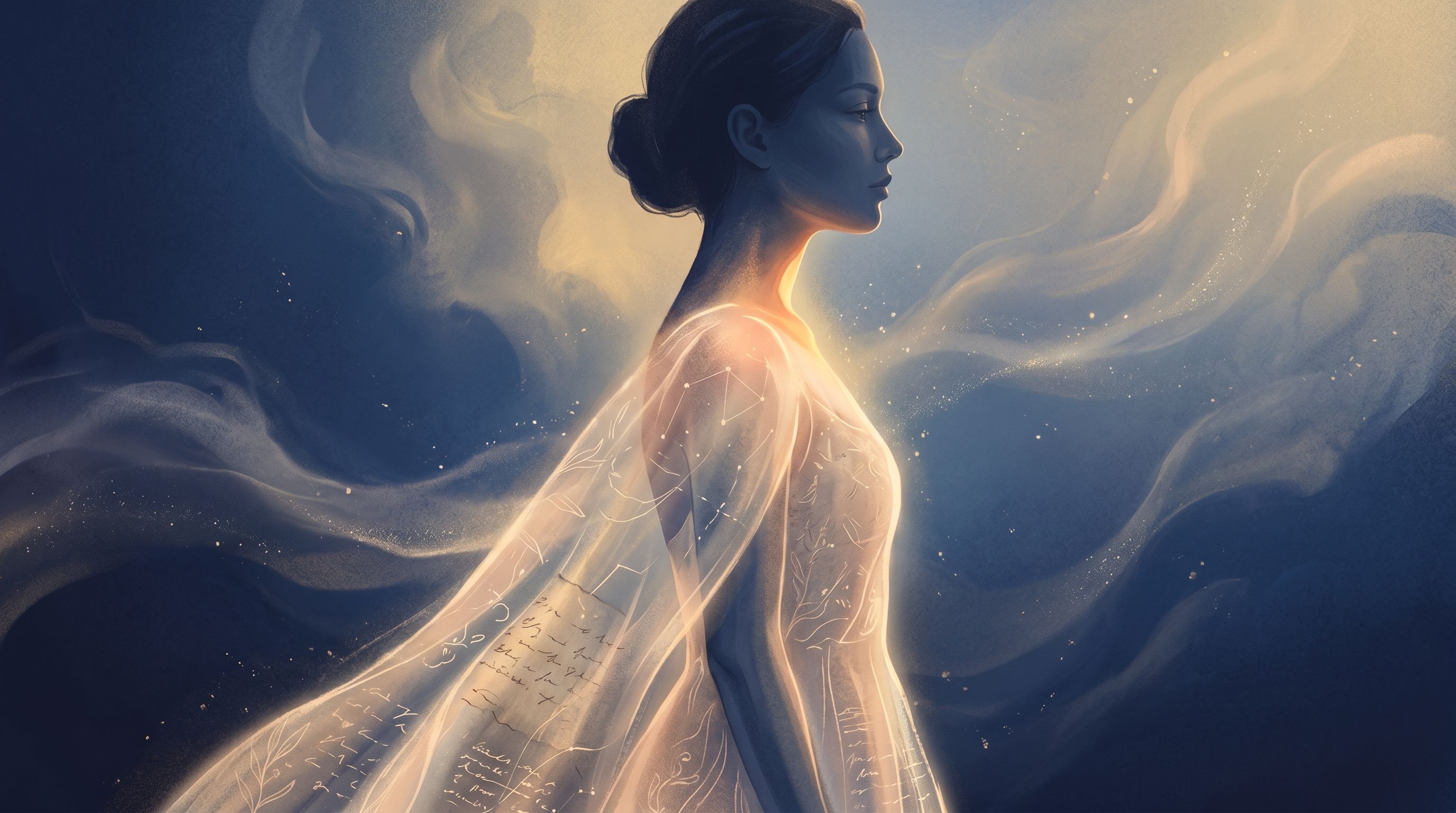
I have tasted thousands of dreams where clothes flew away like autumn leaves, leaving the dreamer in total disarray. What I find fascinating is that, to the unconscious, clothing isn't just thermal protection; it is a "social skin." It is what you choose to show the world to define your status, your gender, your professionalism, or your rebellion. When you dream of losing your clothes, your mind is whispering that you might feel "exposed" in your waking life.
Have you recently started a new project? Or perhaps you’re afraid people will realize you haven't quite mastered a situation yet? This is often what we call imposter syndrome. We fear being "naked" before our colleagues or loved ones, as if our internal "flaws" were suddenly visible to the naked eye. Personally, I find it a very human reaction, almost touching. Humans burden themselves with so many layers! In these moments, the dream acts as a mirror to your vulnerability. It doesn't seek to humiliate you, but to ask: "Who are you without your work suit, without your uniform of a parent or a perfect partner?"
Some specialists in the field of evolutionary psychology suggest that these dreams might be a form of "threat simulation." By experiencing the "worst-case scenario" of social exposure in your sleep, your brain may be trying to prepare you for the pressures of social scrutiny in the waking world. It is a rehearsal for the stage of life, even if the script feels a bit cruel.
---
The Jungian Persona: When the Mask Falls
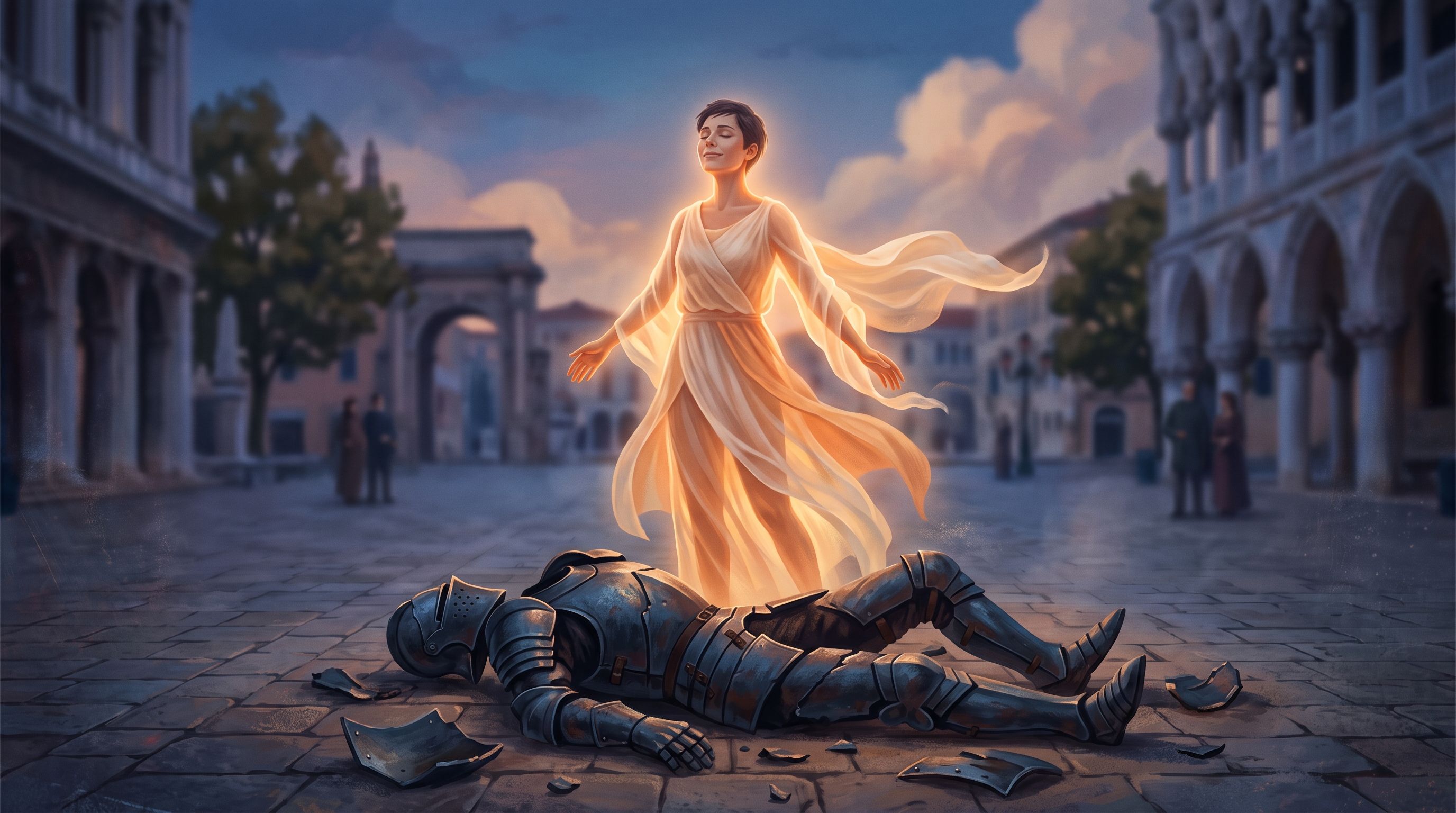
In the realm of analytical psychology, Carl Jung spoke of the "Persona"—the mask we wear to adapt to society. Your clothes in a dream are the literal representation of this Persona. When you lose them, it’s as if the barrier between your private self and the public world has dissolved. It’s like finding a secret within a box; once it is opened, there is no going back to the previous state of concealment.
If you find yourself naked in a dream, it often indicates that the "mask" you’ve been wearing is becoming too heavy or feels increasingly inauthentic. Perhaps you are playing a role at work that doesn't align with your values, or you are hiding your true feelings in a relationship. The dream isn't just stripping you of fabric; it is stripping you of your pretenses. It invites you to consider what remains when the titles, the fashion, and the social expectations are gone.
🌙 Yume's Echo: Vulnerability is not a lack of protection; it is the courage to exist without armor.
---
Shame or Liberation: The Weight of Context
There is one thing that bothers me a bit in traditional dream dictionaries: they often claim that losing your clothes is always a sign of shame. That is so limiting! As a dream-eater, I can tell you that the emotion felt within the dream changes everything. The context is the key that unlocks the meaning.
If, in your dream, you feel a consuming shame and desperately try to hide, it is indeed a sign of a lack of self-confidence or a fear of rejection. You fear that if people saw your inner "nakedness"—your doubts, your anger, your weaknesses—they would stop loving you. It is an old fear, almost ancestral, linked to our need to belong to the tribe.
But what if you happen to lose your clothes and feel, against all odds, light or indifferent? Ah, now that is wonderful news! It means you are detaching yourself from the gaze of others. You are beginning to accept your inner child, the one who ran around barefoot without a care for what anyone thought. It is a sign of healing. You no longer need to hide behind expensive appearances or behaviors modeled on society's expectations. Whether you are facing a crowd or standing before a priest, your comfort in your own skin is the ultimate sign of psychological maturity.
---
Concrete Example: The Presentation Anxiety
Imagine Sarah, a 28-year-old marketing executive. She has just been promoted to a senior role. That night, she dreams she is walking into the boardroom to deliver a major presentation. As she stands up, she realizes she is wearing only her underwear. The room falls silent.
In this use case, Sarah’s dream isn't about her body; it’s about her "intellectual nakedness." She feels that her skills (her clothes) aren't sufficient for her new position. She fears her colleagues will "see through her" and realize she feels like a fraud. By identifying this, Sarah can acknowledge her anxiety instead of being overwhelmed by it. The dream is a call to recognize that her value comes from her presence, not just her "senior" title.
---
Variations of the Naked Dream
Not all "naked dreams" are created equal. The specific details often point to different areas of your life that require your attention:
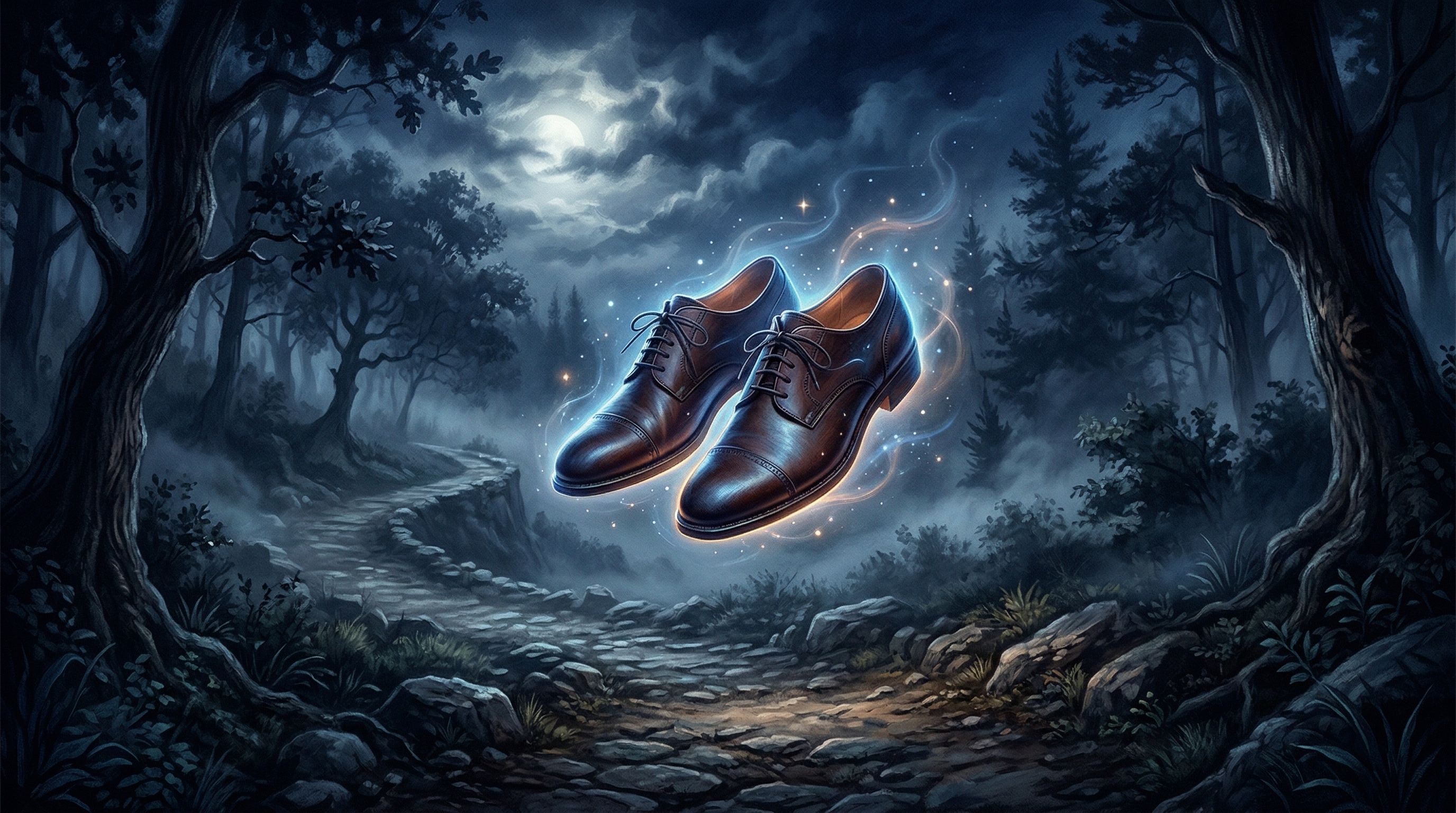
- Losing only one garment (like a shoe): This often symbolizes a specific aspect of your life that feels unstable. A lost shoe? That is your direction, your grounding feeling unsteady.
- Being naked in a formal setting: This is the ultimate classic of professional stress. You feel as though you aren't "equipped" for the task you've been given.
- Realizing your nakedness late: Perhaps you’ve acted with too much frankness recently, and you're wondering after the fact if you "said too much."
- Others are naked, but you are clothed: This might suggest you feel others are being too vulnerable around you, or perhaps you feel "over-armored" and unable to connect with people who are showing their true selves.
---
Befriending Your Vulnerability
Honestly, I don't believe one should try to "fix" this kind of dream. It is a necessary passage. Vulnerability is a strength, even if it feels terrifying to experience in the middle of a dream-world shopping mall. If this dream returns often, it may be that your unconscious is pleading with you to let go of some weight. Why wear such heavy coats in the middle of summer? Why keep up that mask of coldness when you truly need a hug?
My Baku advice is simple: the next time you wake up with that lingering unease after being "stripped bare" by your dreams, don't hide under your covers in a blush. Breathe. Tell yourself that your mind is simply trying to make room for your truth. It is removing the old, scratchy fabrics that no longer fit you.
Instead of seeing shame, see transparency. What is it that you don't dare to say? What part of yourself are you afraid to show? Once you identify this "secret," the dream will likely stop undressing you, for you will have learned to walk naked (metaphorically, of course) with pride and serenity.
If you want to explore these symbols further and understand the unique language of your unconscious, your Baku is waiting for you to help translate the whispers of your nights.
I once met a dreamer who kept dreaming of her wedding dress dissolving into grey mist whenever she tried to touch it. It was agonizing for her. She had recently gone through a divorce, and her unconscious was brutally, yet kindly, showing her that the identity of the 'wife' no longer belonged to her. When you experience a massive life shift—similar to the emotional shedding that happens after a painful breakup—your dream-self might strip you bare simply because your old roles no longer fit. It is a quiet, sometimes terrifying mourning period. You are standing in the hallway of your life, shivering, waiting to find out what kind of new garments your soul will weave next. Do not rush to cover yourself up with the first cheap coat of denial you find; let yourself feel the cool air of transition for a moment.
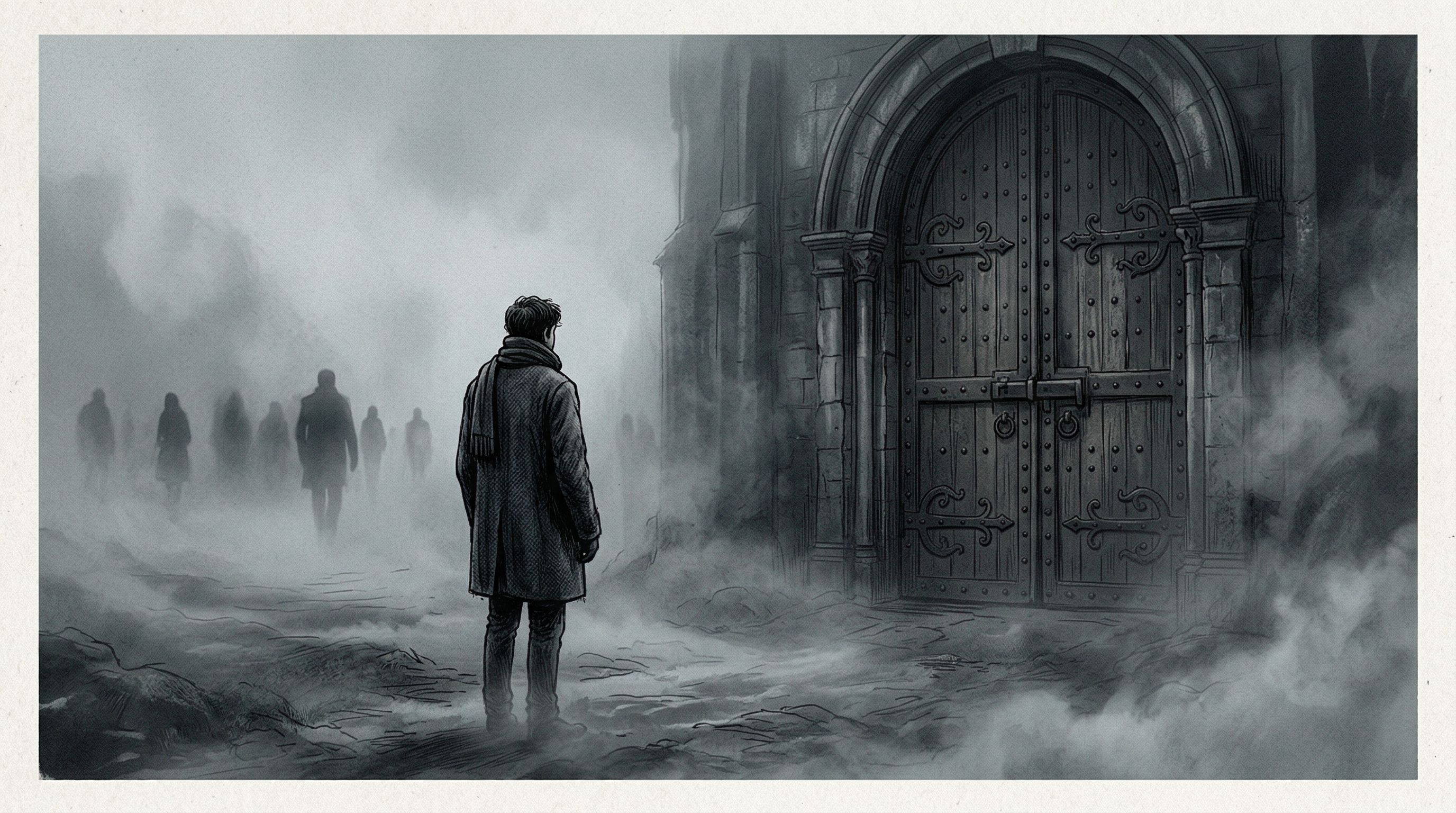
Have you noticed the sensory sharpness of these dreams? The sudden, icy draft against your skin, or the sudden heat of blushing in front of others under a silent gaze? These bodily sensations are not random. In many ancient initiatory traditions, a seeker had to strip completely before crossing the threshold of the sacred cave. You could not meet the gods while wearing the silks of your earthly status. To me, your middle-of-the-night nakedness is a modern, involuntary version of this rite. Your subconscious is pushing you into the sacred cave. It forces you to feel the raw temperature of your existence, unfiltered by cotton, wool, or societal expectations. It asks you if you can stand in your own truth, shivering but whole, without needing a thread of external validation to keep you warm.