The Weight of Being Ignored: When the Soul Reclaims Its Due
I often meet dreamers who tell me, with a quiet sadness, how they spent an entire night trying to catch the eye of a loved one, in vain. For me, the Baku who tastes these dreams, the flavor is that of a wait that has lasted just a little too long. When you feel invisible in your dreams, it isn't your body that is fading; it is your sense of legitimacy.
I’m not a fan of those cold dream dictionaries that tell you it’s simply a lack of self-confidence. It’s much more subtle than that. Sometimes, being ignored in a dream is an exact reflection of what you are doing to yourself during the day. You put everyone else's priorities before your own, you blend into the background so as not to make waves, and your subconscious, fed up, shows you the final result: you end up becoming transparent. It’s a poetic warning: by trying so hard to be "smooth" to please others or avoid conflict, we eventually lose our own texture.
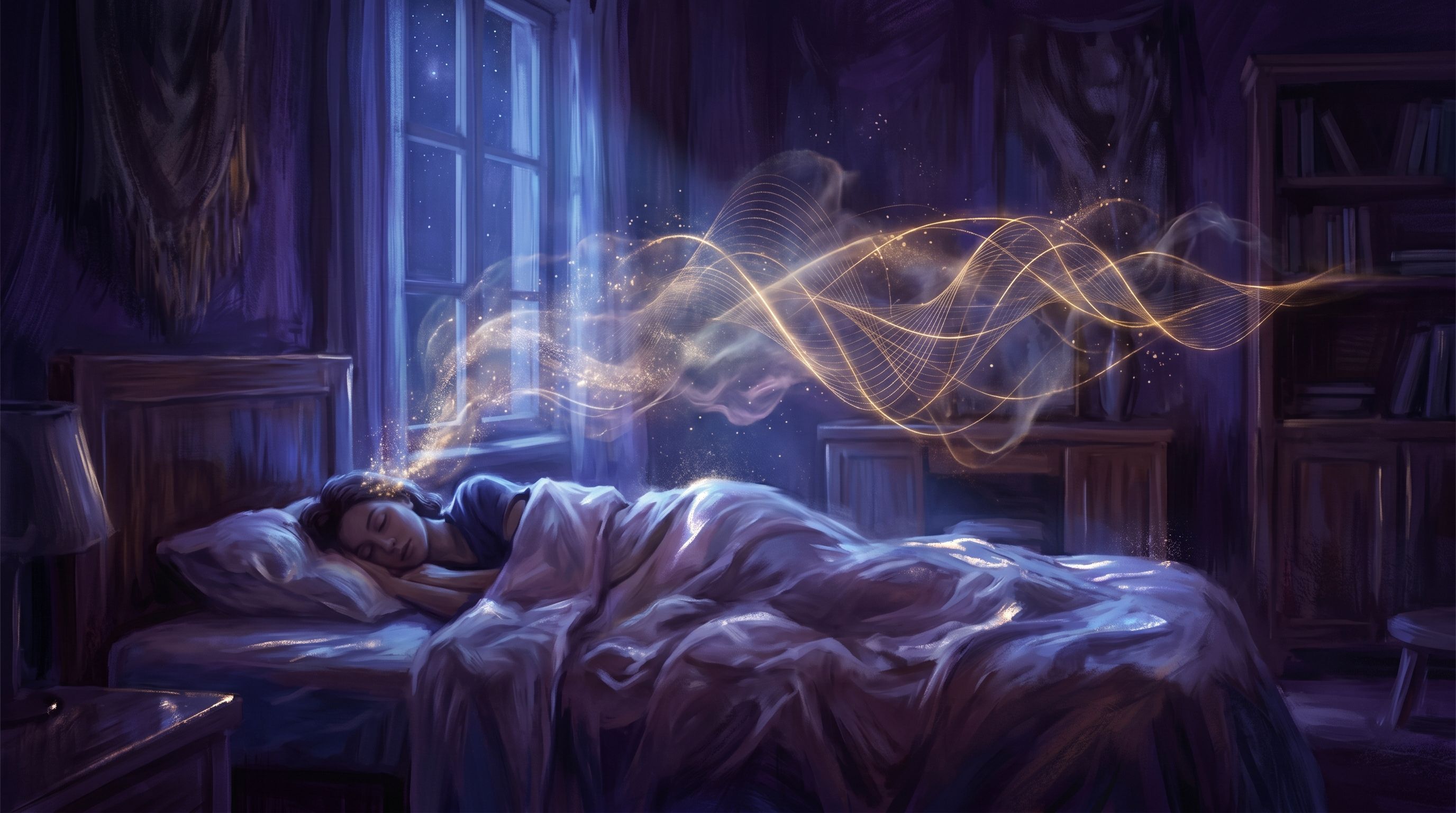
Sometimes, this absence of physical presence in the dream is linked to profound exhaustion. The body is so tired it can no longer project itself into the dreamscape. We actually talk about this in the article on Sleep and Immunity: Cytokine Production: when your immune system and nervous system are at their limit, your dreams can become more ethereal, less anchored in reality.
Invisibility as a Sanctuary: The Choice to Disappear
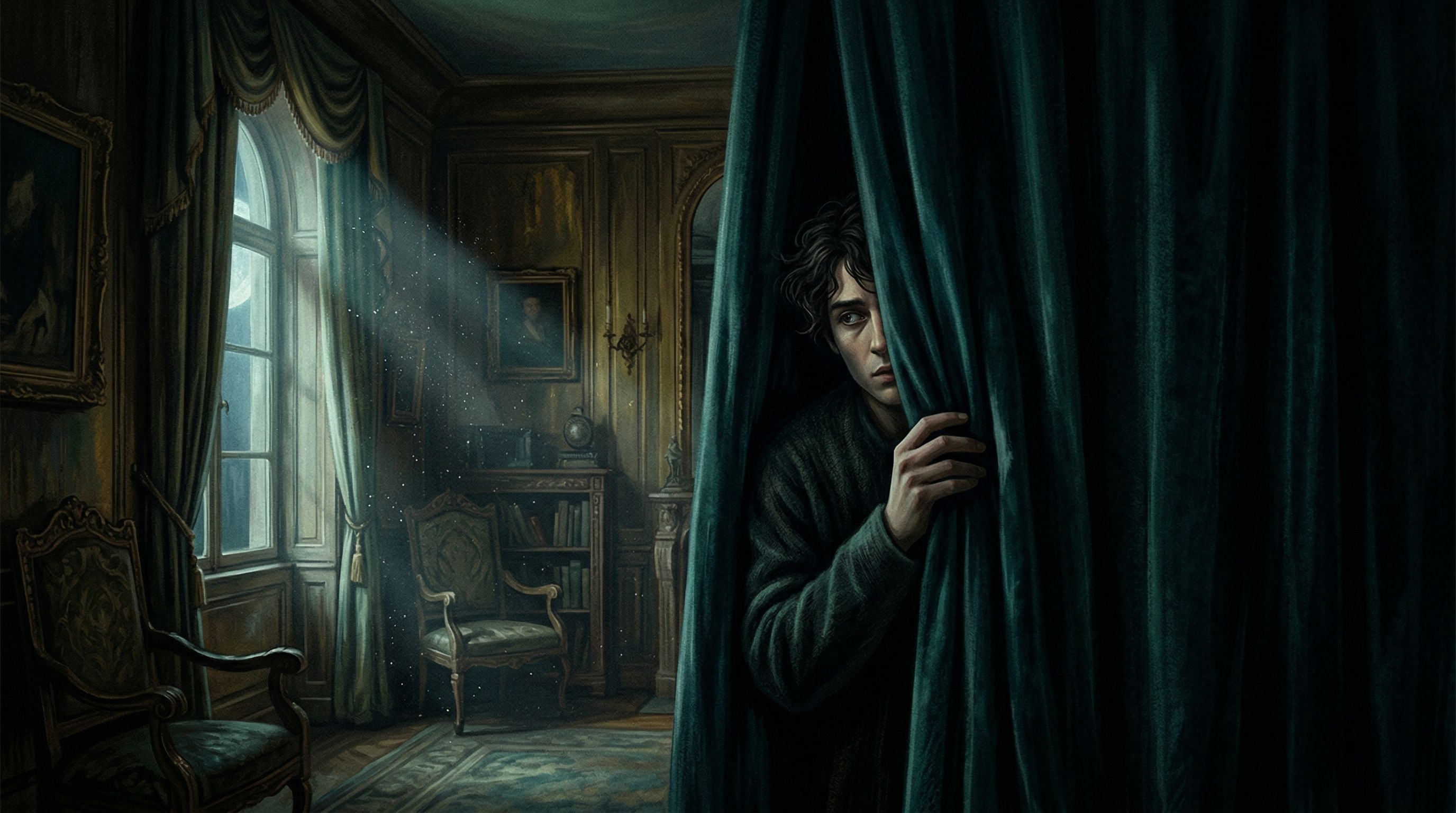
Not all forms of invisibility are painful. I have "eaten" dreams where the dreamer delighted in their state. To be invisible is also to be free. It is to become the pure observer, the one who sees everything without being judged, without having to wear a mask. It is a form of ultimate rest.
If you feel good about being hidden in your dream, perhaps you need to withdraw from the world for a moment. We call this creative incubation—a way to let ideas sprout in the dark, away from criticism. If you're interested in how to guide this power, take a look at Creative Incubation: How to Ask a Question to Your Sleep. Sometimes, the mind chooses invisibility to better listen to what is happening inside.
However, there is a doubt I always carry when I analyze this symbol. Are we invisible because we are hiding, or because we have finally stopped existing only through the eyes of others? The nuance is significant. Absence can be a liberation from the ego. It’s what sages call the "small self" fading away to make room for something much larger. But honestly? In most cases, it’s simply a cry from the heart saying: "Look at me, I’m here, I matter too."
Finding Your Own Footprints
If this dream returns to haunt you, don’t see it as a threat of social erasure. Instead, see it as a check-up on your inner visibility. Do you truly see yourself? Or have you become invisible to your own eyes, lost in a routine that no longer fits who you are?
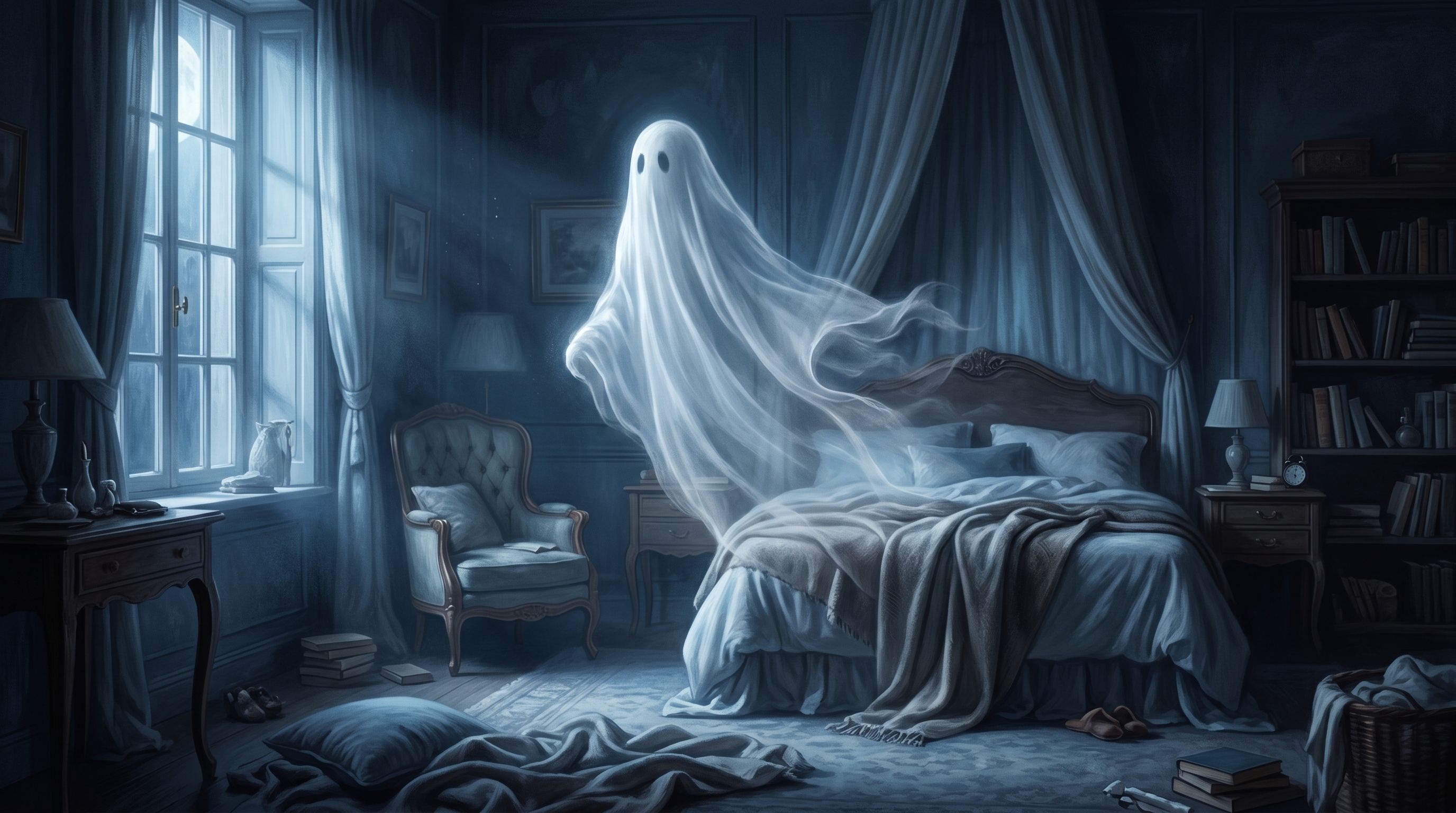
I often suggest noting those moments where you felt like a ghost. Write down who was ignoring you. Often, that character in your dream represents a part of yourself that refuses to listen to you. If it’s your boss ignoring you, perhaps it’s your own ambition that feels neglected. If it’s your partner, perhaps it’s your vulnerability that you no longer dare to express.
Dreams never lie; they simply use metaphors—sometimes a bit blunt—to wake us up to ourselves. You are not a shadow; you are the light that casts it.
I once met a dreamer who was haunted by a recurring scene: she would stand in a brightly lit boardroom, ready to speak, only to realize her hands, then her chest, and finally her voice, had completely dissolved into the air. It is exhausting to watch this play out. We often link transparency to a lack of confidence, but in my experience, it is frequently a direct reaction to an overbearing authority figure. When you dream of fading in front of an intimidating boss, your subconscious isn’t just showing fear; it is actively protesting. It is saying, "I would rather be a ghost than play this exhausting game on their terms." Invisibility becomes a shield, albeit a desperate one, when the cost of being seen feels far too high for your spirit to pay.
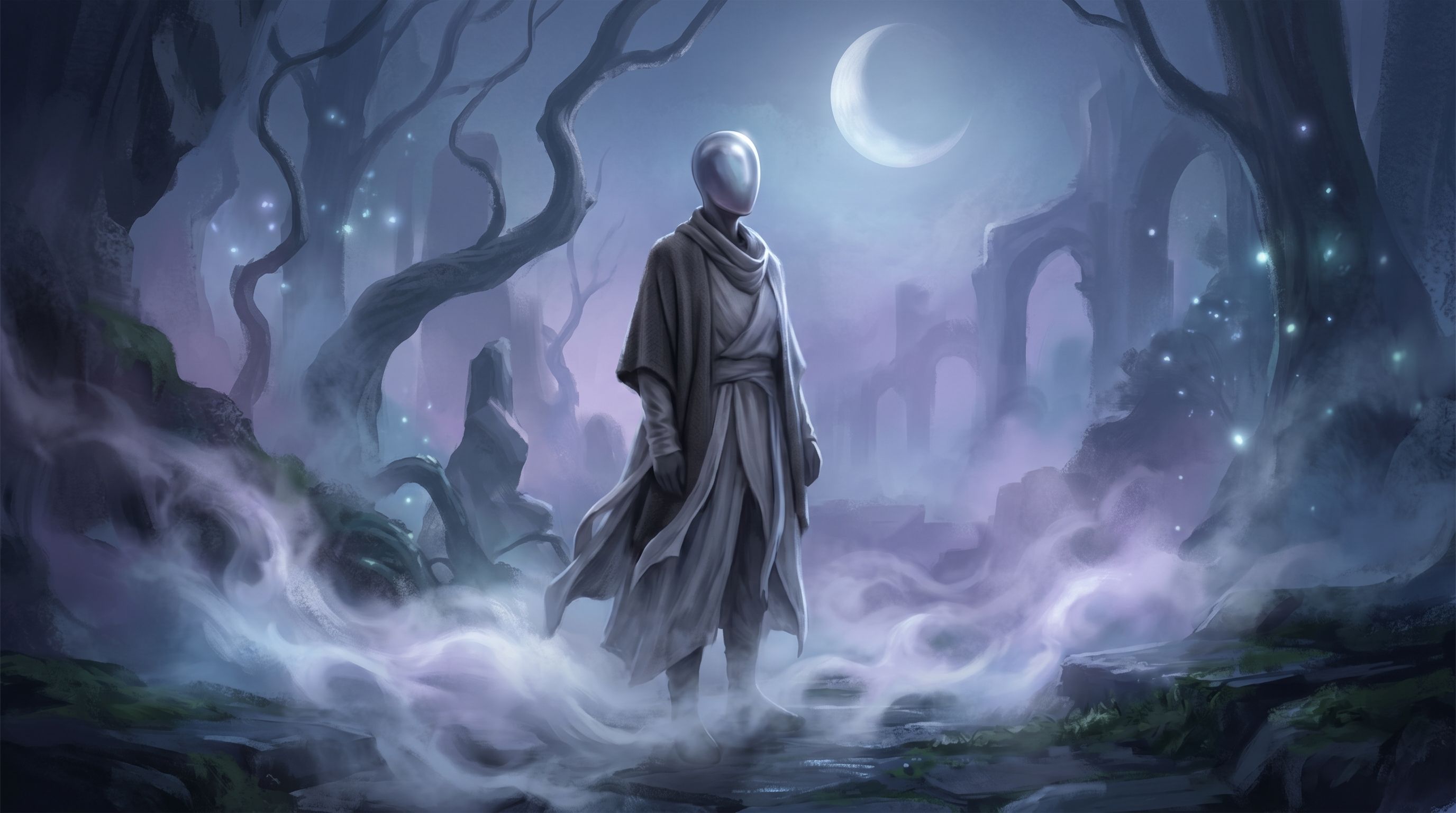
Most modern dream interpreters will tell you that being invisible means you feel insignificant, small, like a speck of dust. Frankly, I find that view terribly narrow. In the ancient forests of my homeland, we know that some spirits are unseen not because they are weak, but because they are too vast, too ancient to be contained by a human eye. What if your invisibility is actually a sign of your growing, unspoken expansion? You might have outgrown your current life, your current relationship, or your daily routine. Your dream self is showing you that you can no longer fit into the cramped definitions others have made for you. It’s not that you are disappearing; it’s that you have become too immense for the narrow room you are trying to live in.
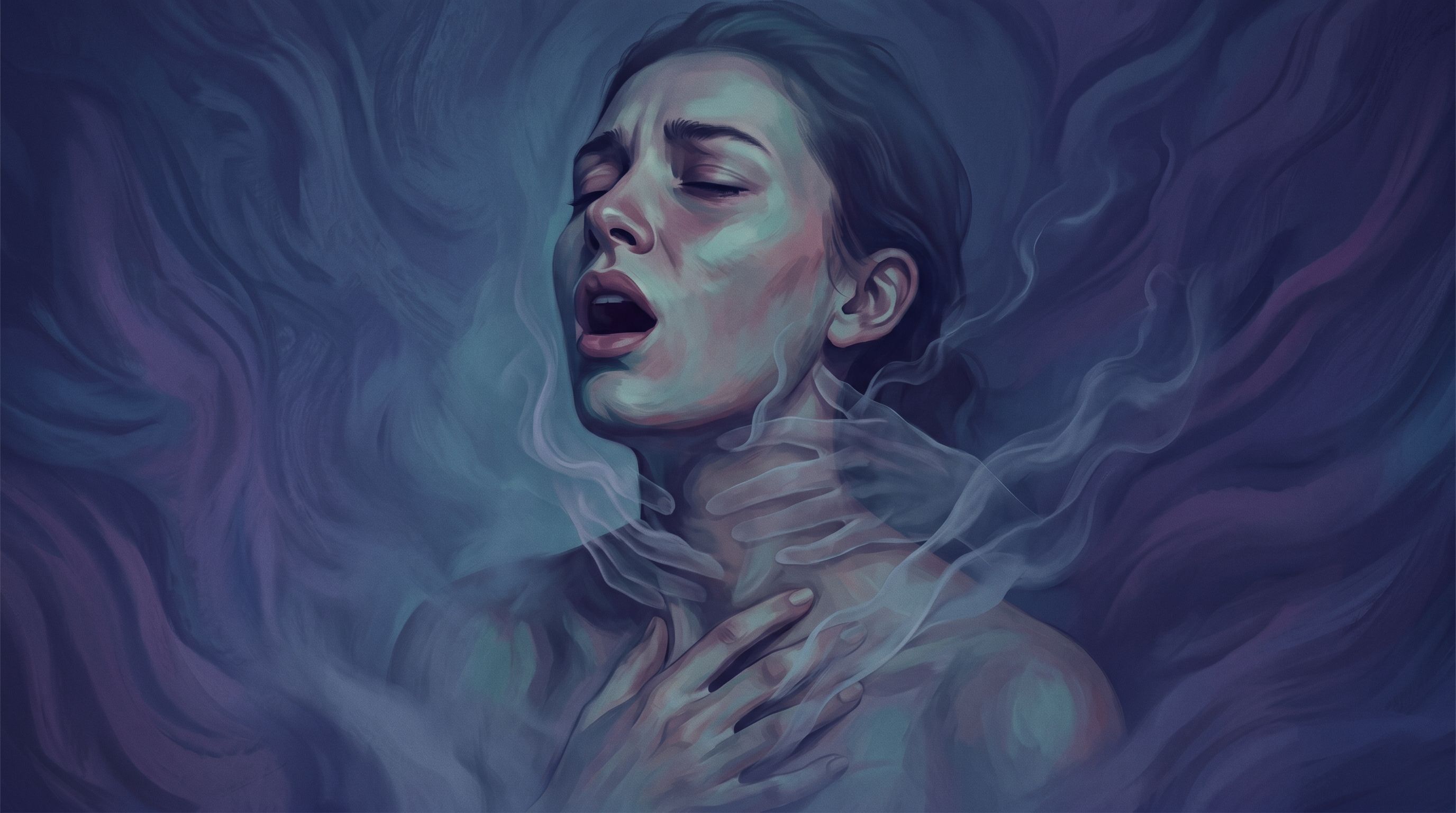
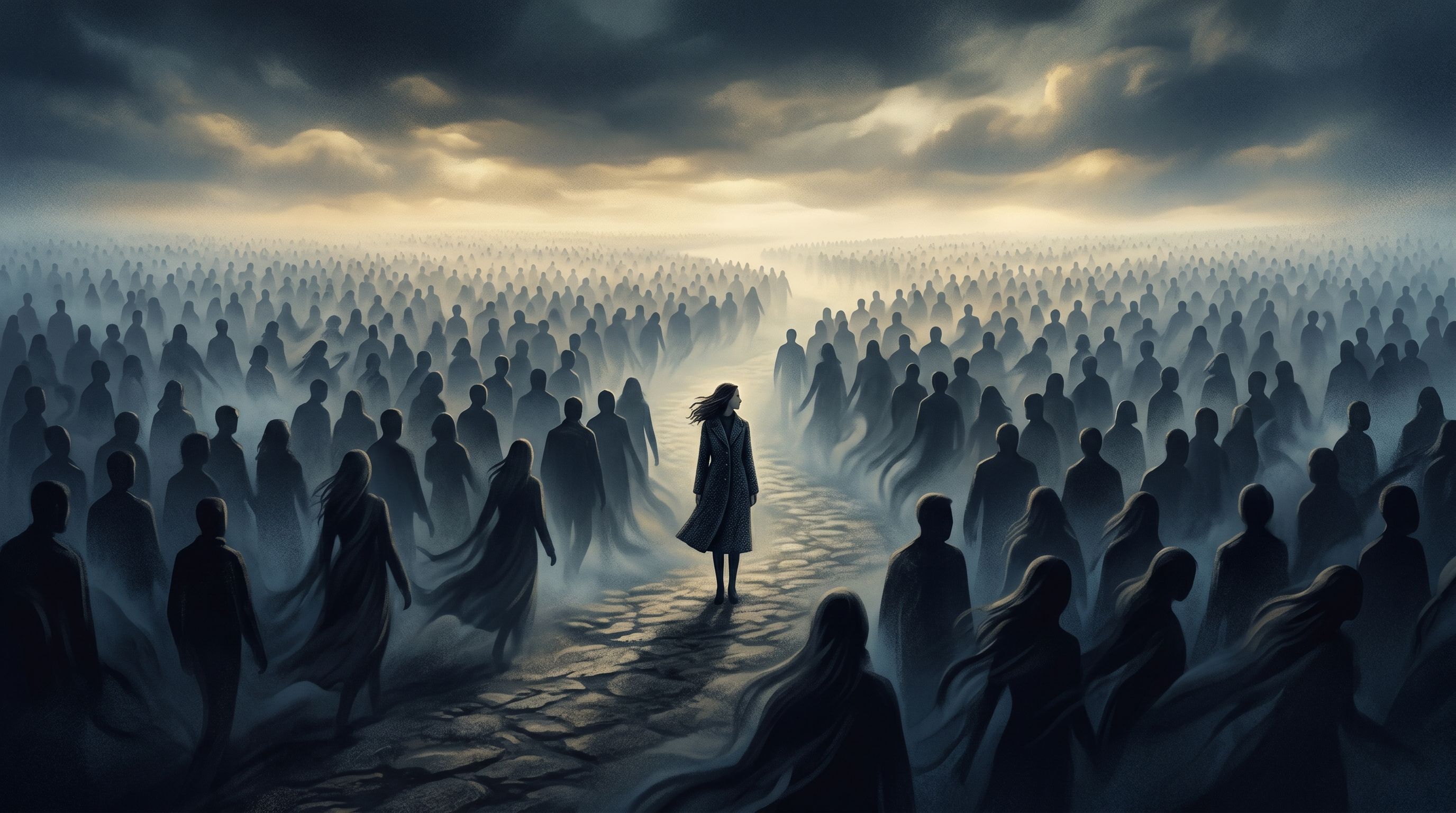
There is a very specific, icy chill that accompanies this dream—a sensory detail that many dreamers mention only as an afterthought. It is the absolute silence of your own voice. You scream, but the air in your throat feels like dry winter grass, making no sound as you drift through a dense crowd of strangers. This somatic dissociation can feel terrifying, like a premature death. Yet, if you stop fighting the silence, a strange, velvet peace often takes its place. The panic of not being heard melts into the quiet realization that you no longer need to explain yourself to the world. It’s a harsh, beautiful threshold to cross: learning that your existence does not require the validation of a witness to be real.
If this feeling of not being seen still weighs on you when you wake up, you could try to anchor these visions. In the Midnight Mind app, we have a Studio to create comics from your dreams; drawing that scene where you are invisible might, strangely enough, help you become solid again and reclaim your place in the story of your own life.