When Breath Stops: The Mechanics of Silence
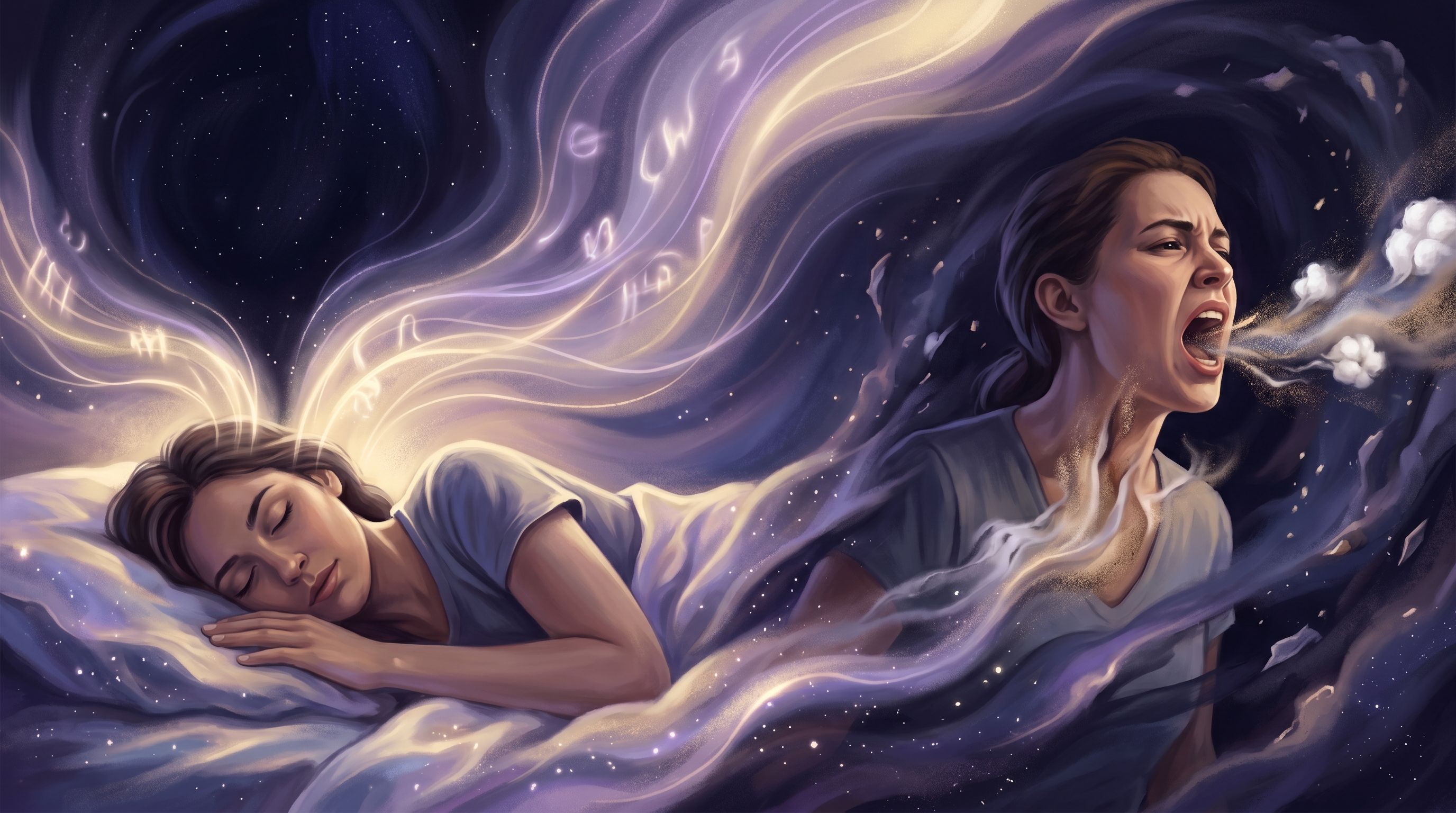
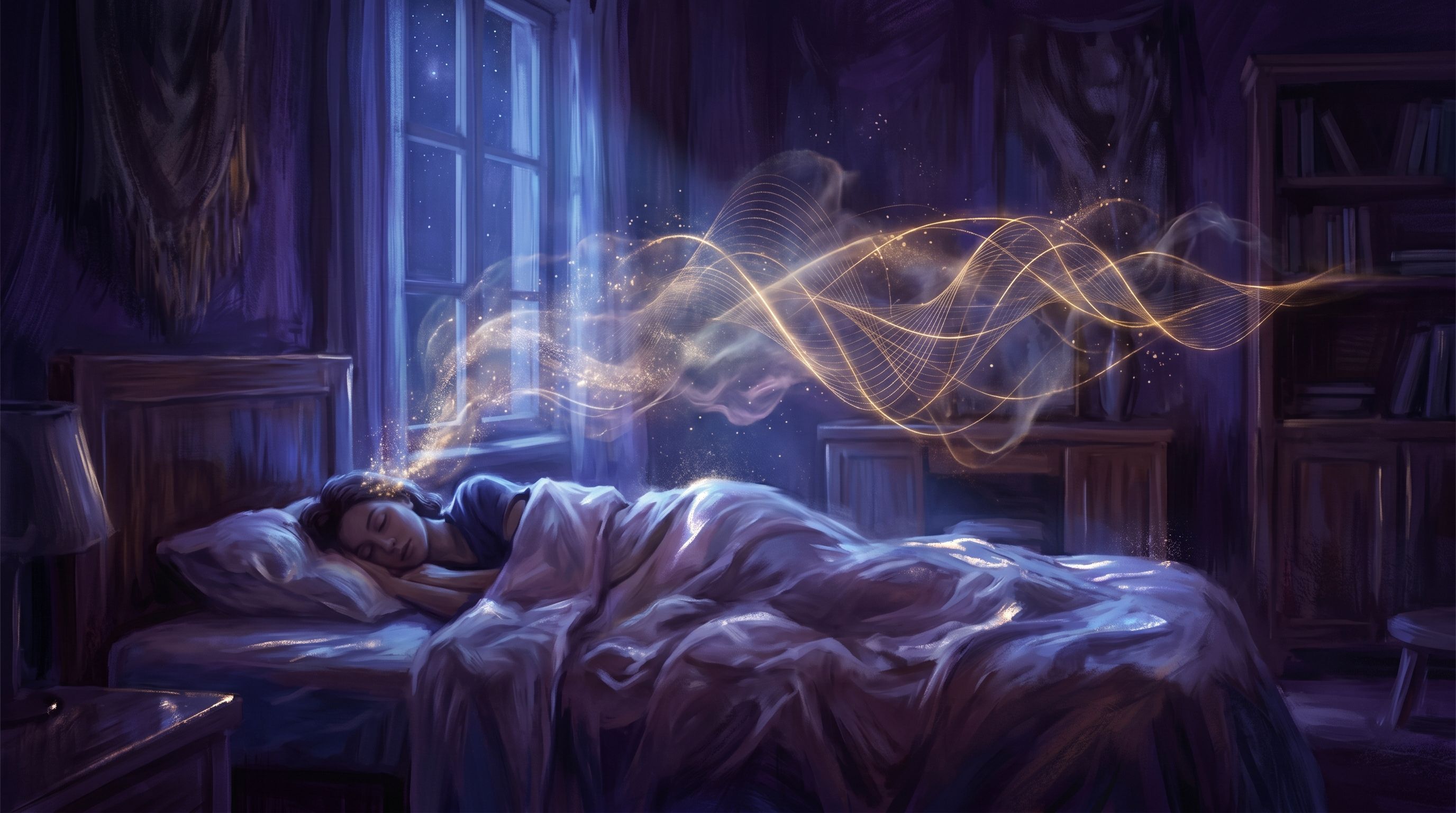
I often see these dreams drift through the mists of the night. They have a particular texture, a bit like wet wool—heavy, damp, and stifling. What always strikes me is the dreamer's intense frustration. You open your mouth, you put your whole soul into the effort, but nothing comes out. Sometimes, it’s just a raspy breath, a pathetic murmur, even though you want to make the very walls of your own mind tremble.
Honestly, I find classic dream dictionaries a bit too categorical on this subject. They will often tell you it is a simple sign of weakness or a "bad omen." I see it differently. The muffled scream is a beautiful, though painful, metaphor for the tension between your desire to be heard and your fear of judgment. It is as if your brain creates a voluntary short circuit to protect you from a truth that feels too volatile to release.
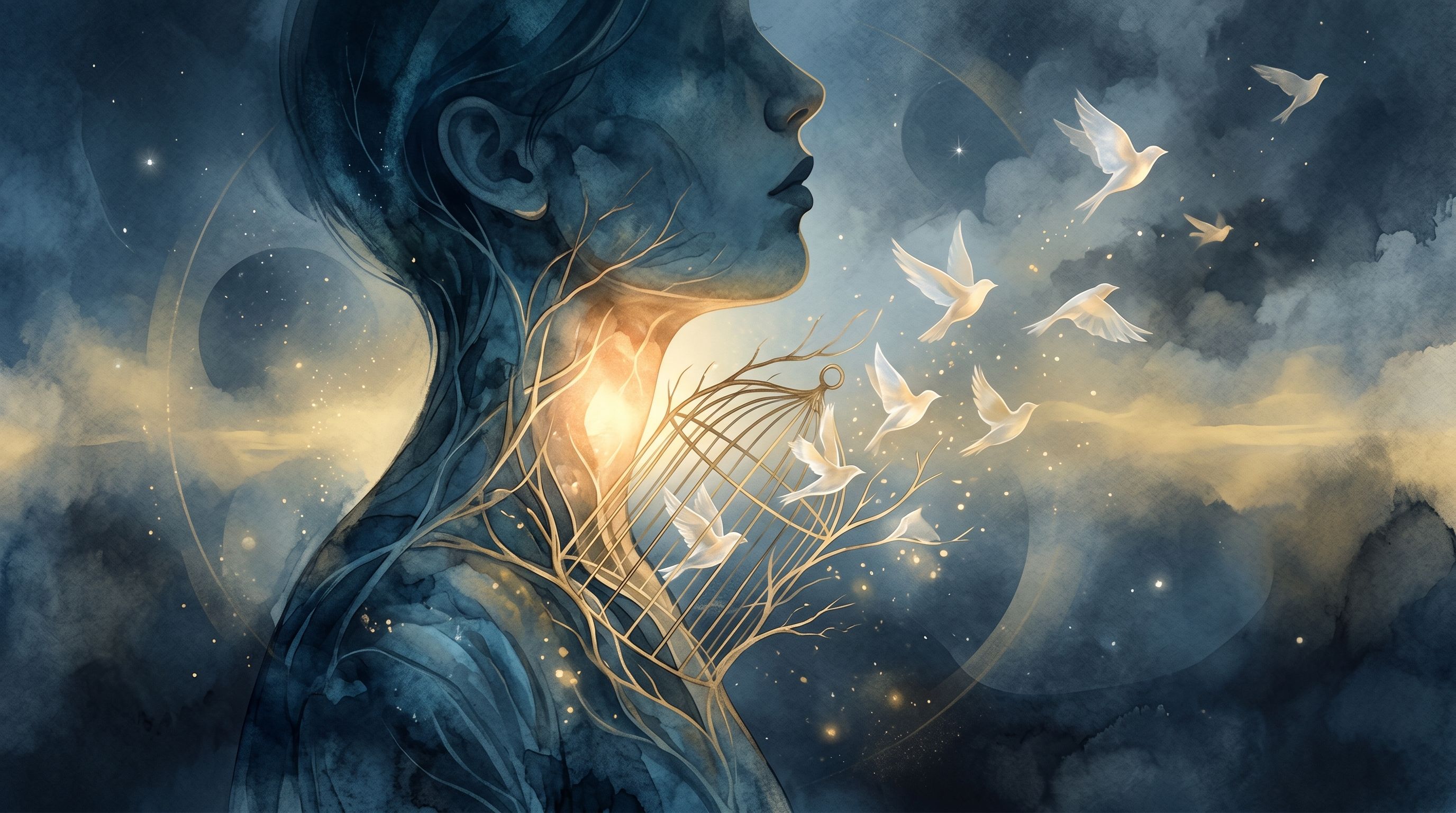
In these moments, there is often a strange sensation in the throat. In many traditions, the throat is seen as the crossroads of your expression. If the passage is obstructed in the dream, it is rarely because of an external monster; it is often your own internal censorship acting as a dam. You might be holding yourself back from saying "no," from saying "I love you," or simply from fully existing in a space that feels crowded.
---
The Biological Anchor: Why Your Body Stays Still
It is important to ground our mystical journey in the reality of the body. Some specialists in sleep science suggest that the inability to scream is linked to a phenomenon called REM atonia. During the phase of sleep where you dream most vividly, your brain sends signals to paralyze your voluntary muscles. This is a protective measure to ensure you don't physically act out your dreams and hurt yourself.
When you try to scream in a dream, you are essentially trying to override this biological lock. Your dreaming mind becomes aware that the "vocal muscles" aren't responding, and it incorporates that physical reality into the narrative of the dream. However, the reason your mind chooses a scream specifically is where the psychology begins. It isn't just a neurological glitch; it is a visual and sensory representation of your inner struggles.
🌙 The echo of Yume : Silence isn't always the absence of sound; sometimes, it is a sound so large that no throat is wide enough to carry it.
---
Helplessness: A Mirror of Your Waking Reality
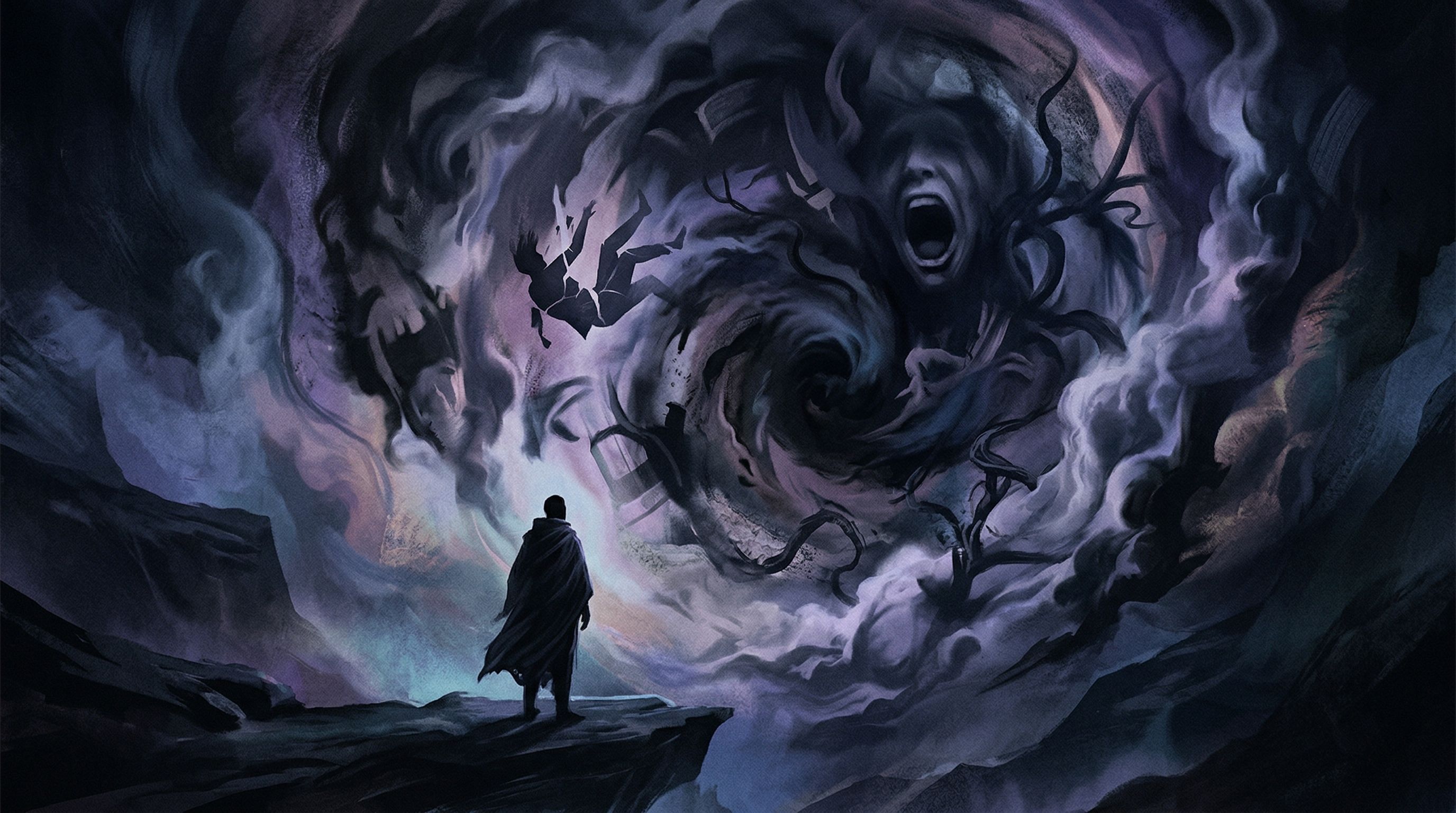
Helplessness is the central feeling here. It is that sensation of running through molasses or, as often happens when losing your powers, finding yourself suddenly vulnerable just when you need your strength the most. But why does your mind put you through this trial?
This blockage is not a finality. It is a theatrical staging of your stress. When you cannot scream in a dream, it is sometimes because you feel that, even if you spoke, no one would listen. Do you feel invisible right now? Do your opinions seem to carry less weight than those of others in your professional or personal circles?
I often see this in people who are "too kind" or who prioritize the peace of the group over their own needs. The dream isn't a punishment; it is a mirror. It shows you the cost of your silence. It is a vivid illustration of how you might be fading away in your own life to make room for everyone else.
---
Concrete Example: The Silent Pillar
Consider the story of a dreamer I once guided. He was a man who never contradicted anyone—the "silent pillar" of his family and office. In his recurring dreams, he would see a fire starting in his house. He would try to shout to warn his children, but his voice would systematically fail him. He would wake up gasping, feeling like a failure.
In reality, he wasn't failing his family; he was failing himself. He was suppressing his own frustrations and desires so deeply that his subconscious had to create a life-or-death scenario just to show him how much he needed to speak up. Once he started expressing small boundaries in his waking life, the fire in his dreams stopped, and his voice returned. The dream was an alarm, shouting the words he wouldn't allow himself to say.
---
The Scream as a Promise of Liberation
I won’t lie to you; this kind of dream can be exhausting. I can feel it when I "taste" these nightmares: they are dense, charged with an electricity that hasn't been able to discharge. But there is a hidden beauty in this struggle. The mere fact that you try to scream shows there is a life force within you that refuses to submit.
Sometimes, the scream doesn't come out because you are preparing for a major transformation. It is a bit like the silence before a storm. You are gathering your energy, and the "muffled" nature of the sound is simply the pressure building up. Much like the vulnerability felt when losing your clothes, the muffled scream strips away your defenses and forces you to look at your rawest self.
Nothing is ever a coincidence in the garden of dreams. If you are struggling to be heard in the night, it is an invitation to examine where you are muting yourself during the day. It is a call to reclaim your narrative.
---
Taming Your Inner Echo
If you have this dream often, I’d like to suggest something very simple, almost a mental game. The next time you feel "stuck" during the day, take a deep breath and feel the air passing freely through your throat. Remind yourself that in reality, your voice belongs to you. You are the master of your breath.
Don’t see this nightmare as a doom or a sign of misfortune. See it as a safety valve. Your mind is releasing the pressure of everything you’ve kept to yourself. It is a form of cleansing, even if it feels a bit rough. Once I have eaten this kind of dream, I often leave the dreamer with a sense of stillness—a sort of fertile void where they can begin to build their own words again.
🌙 The Echo of Yume: Your voice is a muscle. If it fails you in the dark, it is only asking you to exercise it in the light.
Your dreams are not your enemies. They are like eccentric old sages who use powerful images to catch your attention. If you cannot scream in the night, it is perhaps so that you learn to speak louder during the day. Take note of what you wanted to shout. Was it a warning? A cry for help? A "no"? Those words are the keys to your liberation.
If you want to explore your dreams more in depth, your Baku is waiting for you. Sleep peacefully; I’ll stay on the lookout for your shadows to transform them into light.
I often get annoyed when people interpret this dream as a total defeat, a sign that they are completely powerless. To me, it is quite the opposite. The very fact that you are trying to scream—even if it emerges as a dry gasp from a constricted throat—means the old pact of silence is beginning to crack. You are no longer content with keeping the peace at your own expense. Your subconscious is staging a quiet rebellion, testing the gears of your long-dormant boundaries. It is a messy, uncomfortable birth, yes, but it is the first step toward reclaiming your agency. If you were truly defeated, there would be no scream at all, only a quiet, obedient acceptance of the dark. The struggle itself is the medicine.
I once met a dreamer who carried this stifled gasp through her nights for years. When we looked closer, she realized she wasn’t just choking on her own unspoken words; she was carrying the inherited silences of her mother and grandmother, women who had lived in times when speaking up was physically dangerous. Sometimes, your voice becomes a narrow bridge where ancestral ghosts try to pass, demanding to finally be heard through you. When you wake up from these dreams with a heavy chest, don’t view them as a threat. They are sacred invitations to heal more than just your own waking life. It is as if the dream is asking you to gently clear the path, to breathe deeply, and to remember that your voice has the right to occupy space, even if you have to rebuild it one quiet whisper at a time.