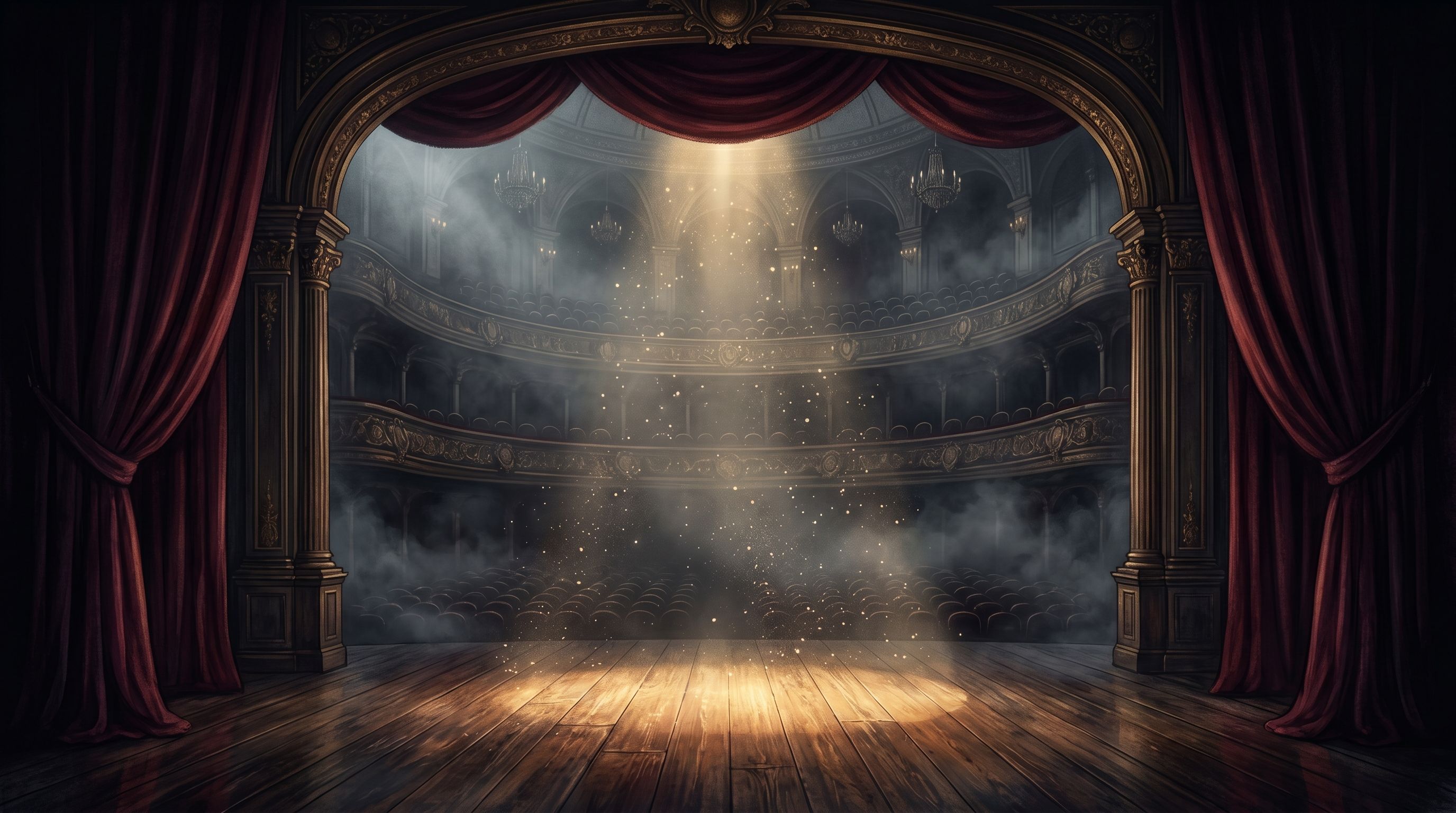
The Theater of the Soul: Why is this crowd shouting your name?
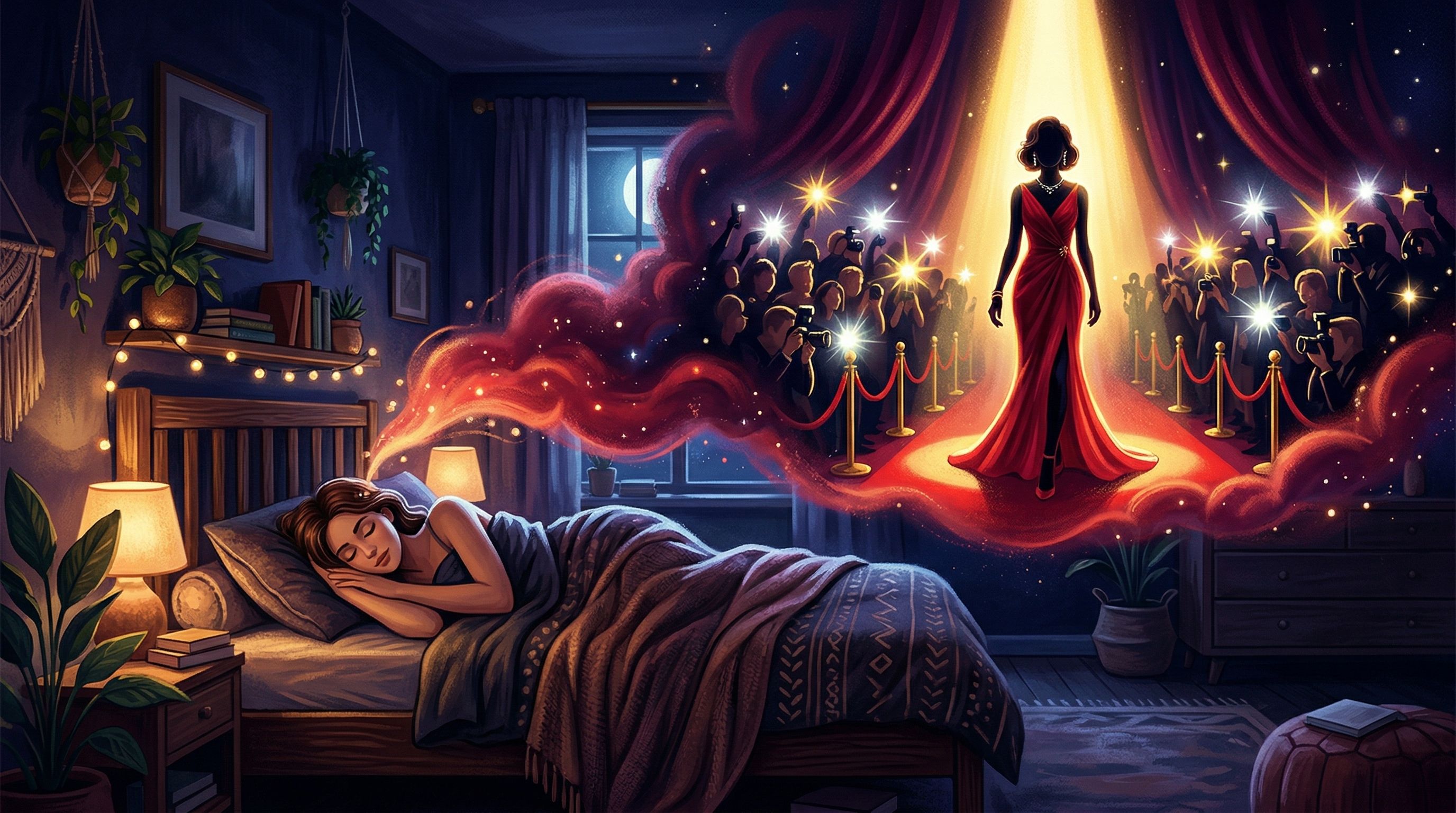
Honestly, I find it fascinating to see how we are often our own harshest critics. When I visit dreams and taste a scene of an ovation, the flavor is complex. It isn’t just the simple, sugary taste of flattery; it is often the denser, richer taste of a quest for legitimacy.
In our waking hours, we chase success as if it were a distant land. In a dream, an ovation shortens that distance. If you see yourself bowing to a wild crowd, ask yourself this: who are these people? Are they strangers? Familiar faces? As a Baku, I’ve noticed that the crowd often represents your own inner facets. Receiving an ovation is sometimes like witnessing the end of an exhausting inner conflict. It’s the moment when your doubts, fears, and ambitions stop arguing and finally recognize the journey you’ve traveled.
But be careful—I am always wary of interpretations that are too perfect. If the ovation makes you feel uncomfortable in the dream, if you want to run away or feel like you’re wearing a mask, then the recognition you’re receiving—or seeking—doesn’t truly belong to you. This might be a sign of "imposter syndrome" nibbling away at you. You are being praised for a version of yourself that isn’t yours. It’s a feeling I often encounter in those who feel stuck, as if their progress is hindered by a sense of powerlessness despite outward appearances of success.
Between Harsh Light and Protective Shadow
There is a spiritual dimension to the ovation that dream dictionaries often forget, and that bothers me a little. They often reduce it to "you will succeed in your projects." That is so limiting!
An ovation is, above all, a vibration. The sound of hands clapping together is an ancestral ritual used to drive away bad spirits and celebrate life. In your dreams, this noise acts as a cleanser. It sweeps away the whispers of your self-criticism. It is your unconscious pulling out all the stops to tell you: "Look at what you have accomplished."
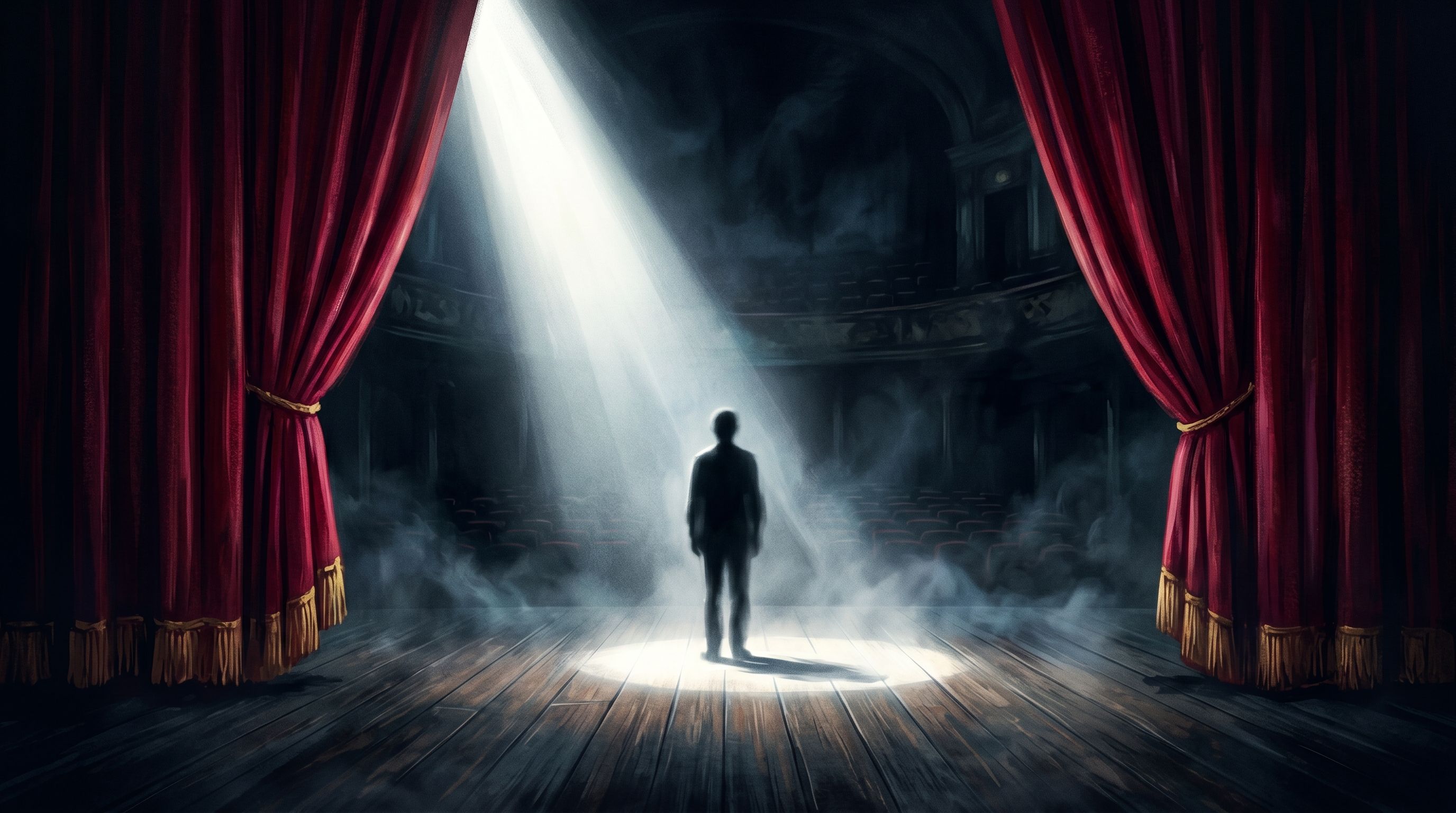
Sometimes, the dream focuses on the silence after the ovation. That is the most sacred moment. When the lights go out and you remain alone on stage, what is left? If you feel at peace, then your success is authentic. If you feel an immense void, it may be that you are looking for validation outside of yourself, in the eyes of an audience that, by definition, always eventually goes home.
I remember a dreamer who couldn’t understand why he dreamed of being given a standing ovation for simply... opening a door. To him, it was absurd. But for his unconscious, opening that door represented an act of immense courage, a break from years of passivity. The crowd wasn’t there for the spectacle, but for the gesture itself. Never forget that your mind does not measure the size of your actions with the same units of measurement as the material world. A small step for your career can be a heroic epic for your soul.
Welcoming the Applause Upon Waking
If you experienced such a scene last night, do not brush it aside by saying "it was just a dream." Your mind took the trouble to rent an entire theater and hire hundreds of extras just for you. It is a gift.
My advice as an old Baku is simple: today, try to be your own audience. Do not look for recognition in an email from your boss or a "like" on a screen. Look for that small moment of silent pride, the one where you say to yourself: "I did well." Dreams of ovations are reminders that we are the protagonists of a story worth telling. They are not threats of a fall, but messages of encouragement for you to keep stepping onto the stage, day after day, with all your truth.
Opening a door. It seems so mundane, doesn't it? But to his unconscious, that door was a heavy, rusted barrier he had spent years trying to unlock—a boundary of self-protection. When he finally turned the handle, his inner world exploded in applause. In Japan, we speak of Otodama, the spirit of sounds. Clapping is not just noise; it is a sacred boundary-marker, a way to wake up the gods and clear stagnant energy. When you hear that thunderous clap in your sleep, it is literally shattering the old, quiet dust of your isolation. It is a physical wave of sound designed to shake your spirit awake, a reminder that even your smallest crossings deserve to be met with a great, resounding roar.
I often see this dream visit those who are quietly transitioning between life chapters—parents whose children have left, or creatives who have labored for years in absolute secrecy. When you are starved of external validation, your mind compensates. It’s a beautiful mechanism, really. If the world outside is cold and silent, your soul builds a theater, hires an audience, and gives you the warmth you've been denied. Yet, there is a delicate line here. Are you celebrating your own growth, or are you desperately seeking the sweet relief of acceptance from others? I sometimes worry when dreamers get too hooked on this dream-applause. If you only feel worthy when the invisible crowd is cheering, you remain a prisoner of their hands. True peace is being able to stand on that stage in complete, dark silence, and still feel whole.
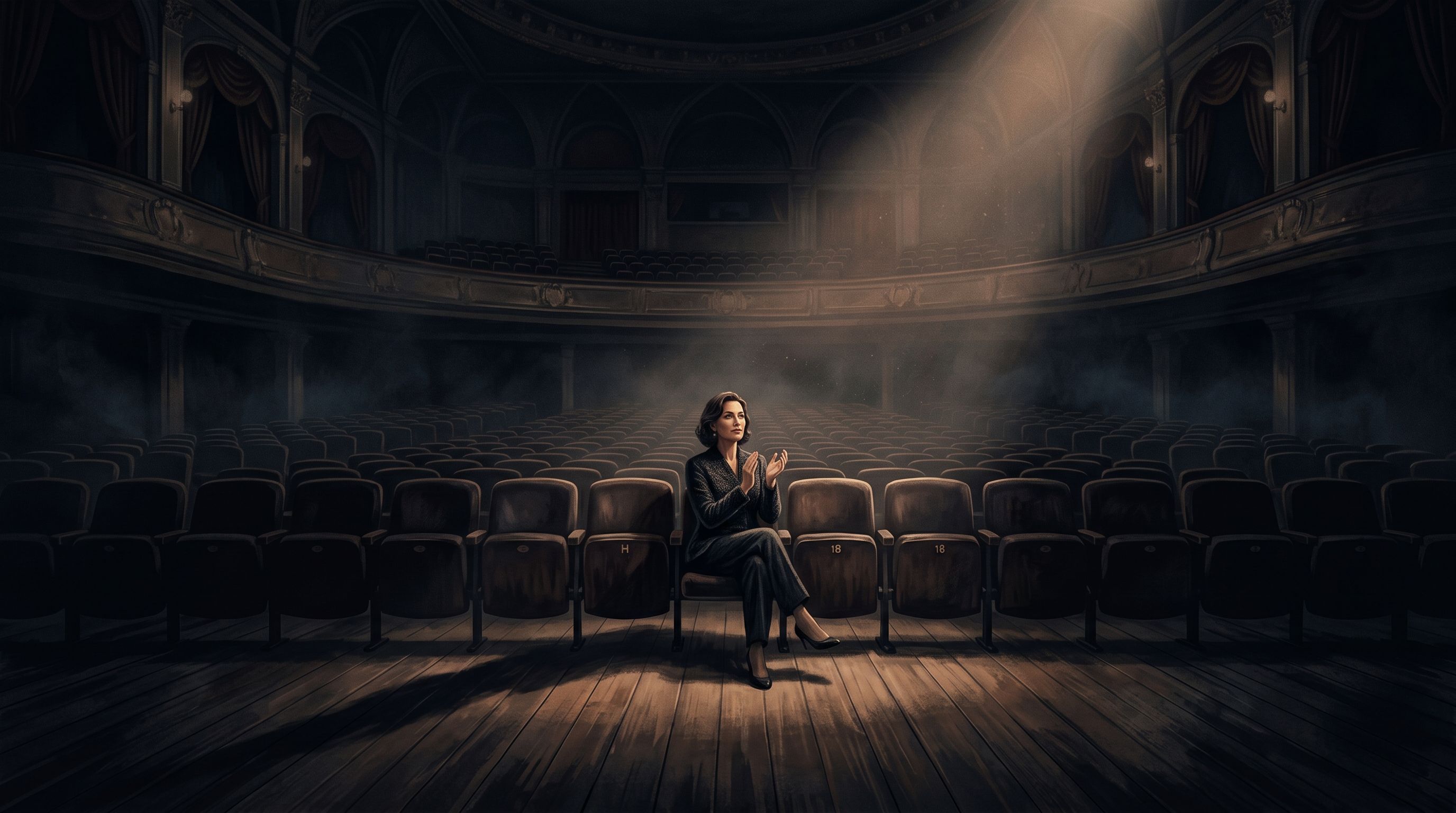
Honestly? I am always a bit suspicious of the crowd itself. In dreams, crowds are mercurial things. One moment they love you, and the next, they dissolve into mist or turn their backs. If you look closely at the faces applauding you, you might notice they are blurred, blank, or even shifting into people from your past who once hurt you. It is a strange paradox: your mind uses the energy of a crowd to amplify the message, but those faceless entities don't actually exist. They are ghosts. The applause they offer is just an echo of your own self-love bouncing off the walls of your skull. Don't get lost in the hunger for their faces. The crowd is just a mirror; the only hand that actually matters in that entire theater is the one you hold when you wake up.
If the symbolism of this scene still lingers with you, perhaps you’d like to note the faces you saw in the crowd. Were they kind? In Midnight Mind, I’ve prepared a secret little corner, the Dream Character Journal, to help you identify if these spectators are allies or projections of your own judgments. I’ll see you soon in the mists of sleep.