The theater of your ambitions: when the unconscious builds grandstands
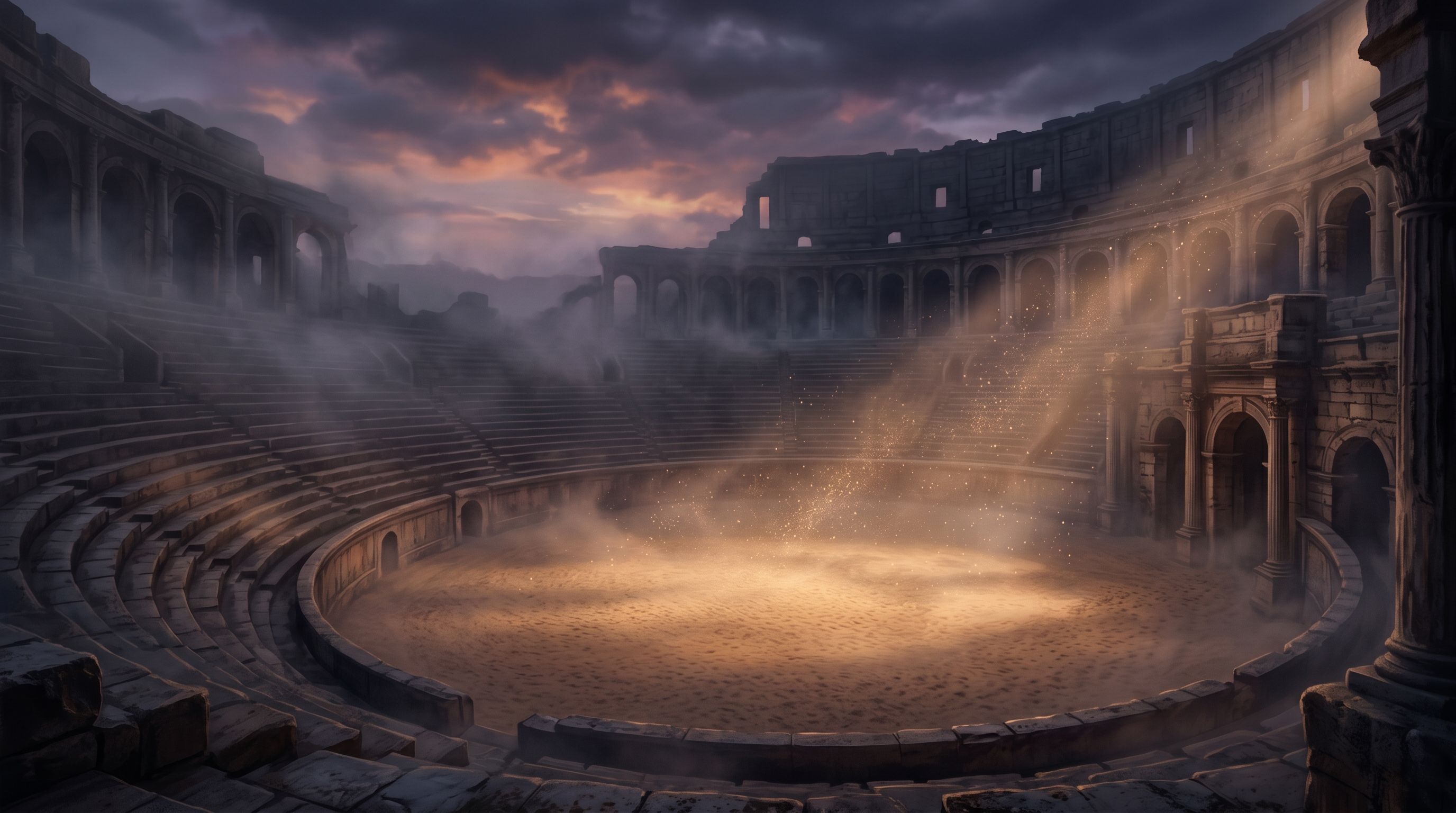
In my nightly wanderings, I see so many stadium dreams pass by. Sometimes they are brilliantly lit; other times, they lie in ruins, overgrown with wild weeds. What always strikes me is the very structure of the place: it is a circle or an oval, a shape that encloses the action. In your nights, the stadium becomes the symbol of your "field of action."
When you find yourself in the center, on the grass, you are in a phase of your life where you feel as though all the spotlights are fixed on you. This isn't necessarily a sign of a large ego—far from it. It is often a reflection of great responsibility. Perhaps you have a project to deliver, a family to support, or simply the feeling that your every move is being scrutinized. It is a feeling similar to being naked in public, that vulnerability of someone who has nowhere left to hide.
But be careful not to fall into the easy interpretation that "stadium = success." To me, the stadium is primarily the site of internal competition. Are you playing against a real opponent, or are you chasing an idealized version of yourself that constantly demands more? I once tasted the nightmare of a dreamer who ran eternally on an athletic track without ever seeing a finish line. The poor soul was exhausted. His unconscious wasn't talking about sports, but about professional burnout where he never allowed himself a break. The stadium, in that case, is a circular prison.
The crowd: a shadow with a thousand faces
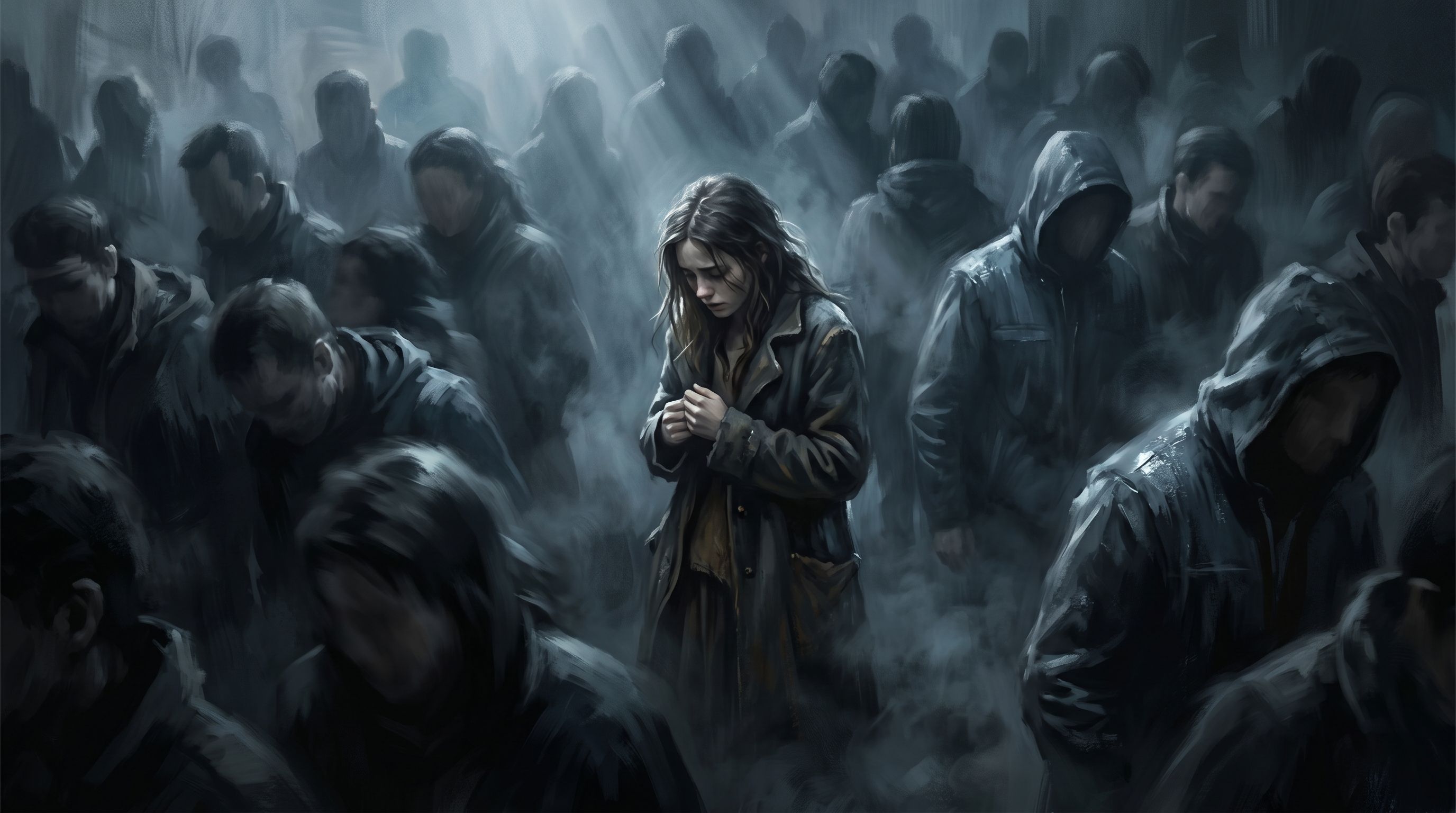
What intrigues me most in your stadium dreams is the crowd. Is it loud and encouraging, or deathly silent? Or worse yet, are the stands empty even as you stand ready to give your very best?
The crowd is your "inner court." These are the voices of your parents, your teachers, your colleagues, or even society itself, which constantly whispers what we ought to be.
- If the crowd cheers for you: Your soul is in need of validation. You may be going through a period of doubt, and your mind creates this jubilation to give you back your courage. It is a balm that your unconscious applies to the wounds of your ego.
- If the crowd boos or mocks you: This is often your own inner critic speaking up. You are your own harshest judge. No one is as cruel to you as that imaginary crowd.
- If the stadium is empty: This is perhaps the most melancholy image. It may mean you feel your efforts are going unseen, or that you are finally realizing you aren't playing for anyone but yourself. It is a moment of great solitude, but also of immense freedom. Without spectators, there is no more "show"—there is only the pure joy of the game.
I must confess, I prefer these empty stadiums. They possess a poetry that crowded arenas will never have. There, you can hear the wind whistling through the metal structures, and it is there that one can finally sit on the grass to watch the stars, without needing to score a single goal.
Backstage and locker rooms: preparing the soul
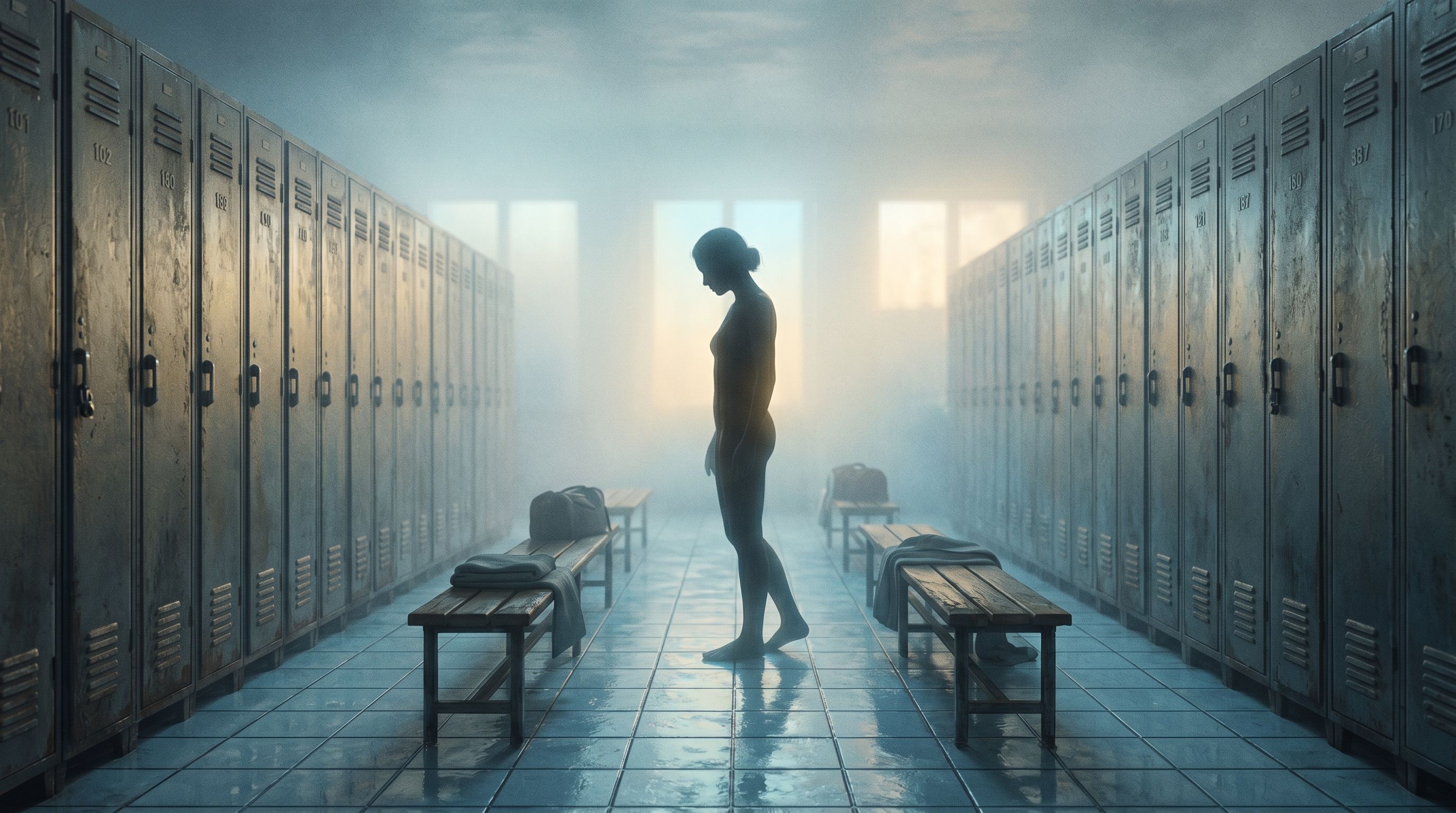
We often forget that a stadium isn't limited to the arena. There are the dark corridors, the locker rooms smelling of soap and stress, and the narrow tunnels. If your dream lingers in these shadow zones, the message concerns your preparation.
Do you feel ready? Are you searching for your shoes and failing to find them? Is your jersey too big or too small? These details are delicious for a Baku like me, for they reveal your doubts about your own abilities. Dreaming of being unable to enter the field because you forgot your equipment is a classic expression of "imposter syndrome." You fear that at the crucial moment, everyone will discover you don't belong among the "pros."
Yet, the stadium is also a place of celebration. Do not forget that in ancient times, the games were sacred. They celebrated life, movement, and the act of surpassing oneself. If you dream that you are watching a match as a spectator, ask yourself if you have become too passive in your own existence. Are you watching others live out their passions from the comfort of the bleachers, for fear of stepping into the arena and risking defeat?
And as for defeat, let us speak of it. In a dream, losing a match in a stadium is never a literal omen of failure. It is an invitation to let go of the result. Your unconscious is showing you that the world does not collapse if the score isn't in your favor. The sun will rise tomorrow, and the stadium will be ready to welcome you once again.
My dear dreamers, do not fear the immensity of these arenas. Whether you are the champion or the ball boy, every role has its reason for being. A stadium is merely a stage your mind builds to play out your desires for greatness and your fears of smallness. The next time you wake with the echo of a crowd in your ears, take a deep breath. The real match is not played on a field, but in the gentleness with which you accept your own limits.
What we often overlook is the sheer absurdity of the game being played. Standard dream dictionaries love to tell you that scoring a goal means imminent success, but they miss the point entirely. What if you are running on that pitch and suddenly realize you don't even know the rules? I often see dreamers looking down at their hands, holding a tennis racket when everyone else is playing soccer, or trying to decipher white lines on the grass that keep shifting. This confusion is a beautiful, albeit frustrating, wake-up call from your subconscious. It is asking you: whose game are you actually playing? Sometimes, we spend years trying to win a match on a field that was never ours to begin with. The relief doesn't come from scoring; it comes from realizing you can simply walk off, sit on the grass, and watch the clouds instead.
I remember a young woman who came to me, exhausted by a recurring dream of standing in the dark, damp concrete tunnel of a massive stadium. She could hear the deafening roar of the faceless crowd waiting for her, but she was paralyzed, unable to take that final step into the light. We often obsess over what happens on the field, but the real alchemy occurs in that threshold—the cold, shadow-drenched passage before the exposure. If you find yourself stuck in the tunnel, do not force your way out. Your mind is telling you that you aren't quite ready to be consumed by the expectations of the world. There is a sacred safety in that damp concrete quiet; it is a cocoon. Sometimes, the bravest thing you can do is turn around and walk back out to the quiet of the night.
There is a deeper, almost ancient dust settling over these modern structures. Long before they were stadiums, they were the bloody arenas of antiquity, spaces where life and death were paraded for the entertainment of the masses. When your dream wraps itself in this architectural scale, it taps into a primal collective memory. It is not just about your modern job or social circle; it is about the ancient fear of being cast out, sacrificed, or judged by the tribe. This heavy, historic atmosphere can feel suffocating. Yet, I find comfort in this grand scale. It reminds us that your current struggle, however intensely personal it feels, is a human drama played out a million times before. You are not the first to stand trembling before the grandstands, and you certainly will not be the last.
If the cries of the crowd become too deafening or if you feel lost in the corridors of your unconscious, you can entrust these images to Midnight Mind. By immortalizing your dreams in your personal journal, you will transform these nightly competitions into a collection of wisdom that belongs only to you.
Did you know you can also draw the highlights of your nights? Use the creative studio to turn your last dream-match into a comic strip—a poetic way to take back control of the script.
Sweet dreams, safe from the noise of the world.