Sand and Sweat: When Conflict Becomes a Spectacle
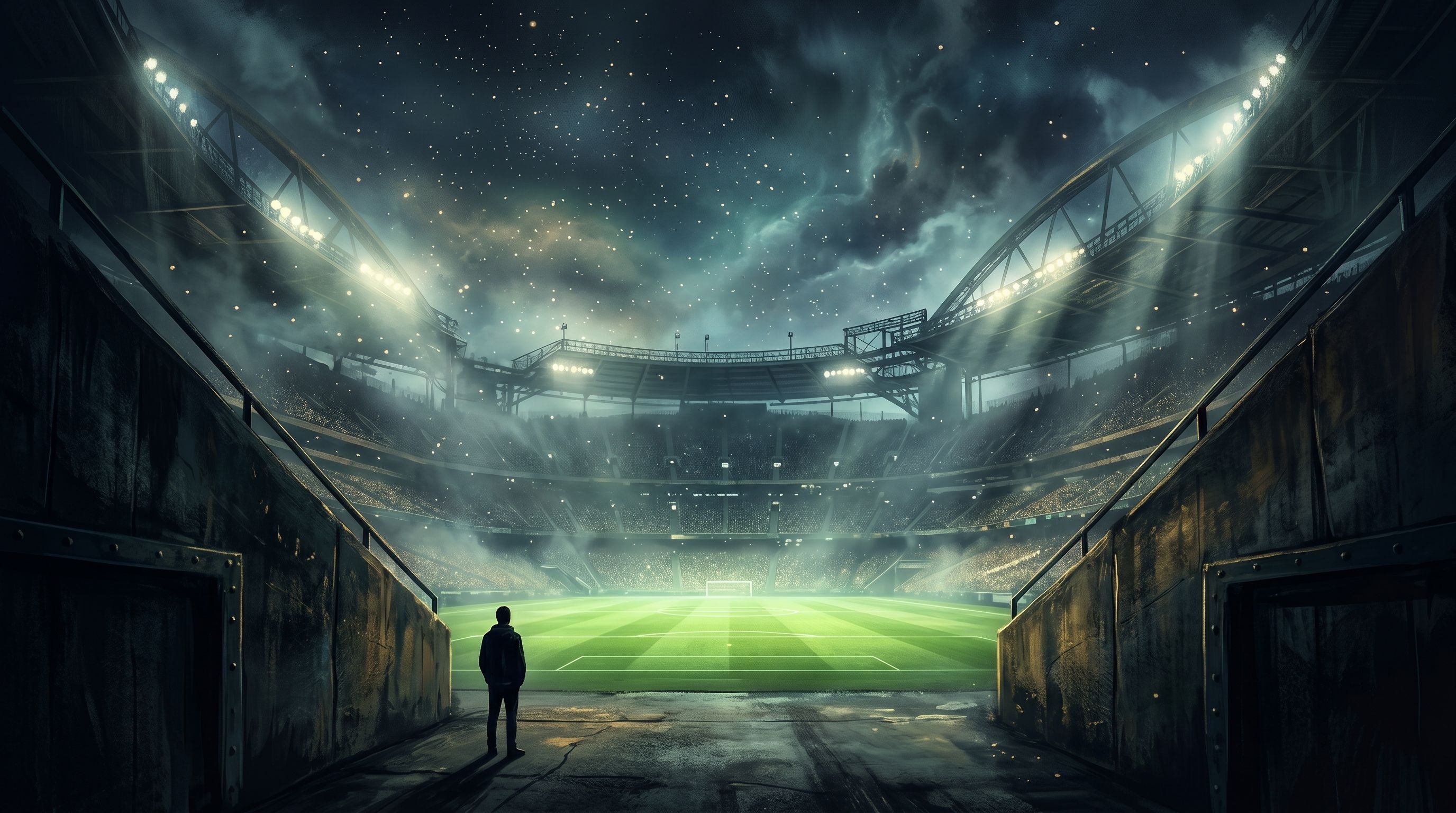
What always strikes me when I visit these dreams is the circular structure. An arena is a closed circle. There are no corners to hide in, no backstage wings to escape to, unlike in the theatrical worlds we sometimes find. Here, everything is exposed.
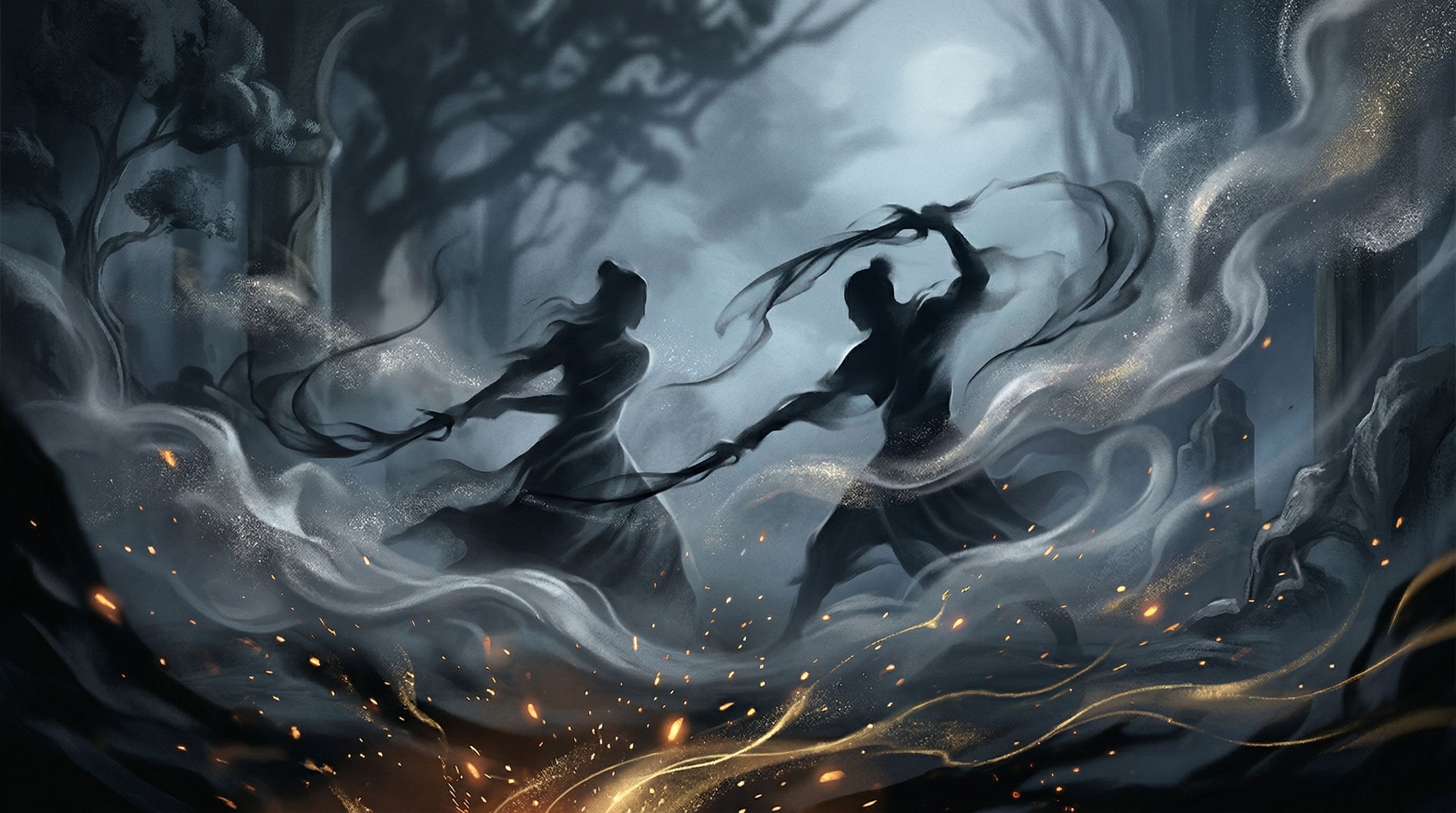
I am often asked: "Yume, why am I fighting a lion or a gladiator?" I always answer that the opponent matters very little. What matters is the emotion you feel in their presence. If you are in the arena, it is because your mind feels that the time for internal diplomacy has ended. Perhaps you have a difficult decision to make—a professional or personal "battle"—and your subconscious is using this archetypal image to tell you: "Look, this is where it's happening."
I once met a dreamer who, night after night, saw himself as a tired soldier in the middle of a ruined Colosseum. It wasn't war he feared, but the obligation to remain standing when he had nothing left to prove. The arena is a place of performance. Are you fighting for yourself, or for the applause of a crowd that will eventually go home anyway? It is a question I often ask myself as I taste the metallic tang of these dreams.
The Invisible Crowd and the Weight of Judgment
An arena only exists because there are stands. Even if the seats seem empty in your dream, you feel a presence. It’s what I call the "Noisy Superego." That sensation of being watched, scrutinized, and potentially condemned if you don't provide a perfect performance.
Honestly, I find it a bit sad. Why turn our lives into a series of duels? Sometimes, the arena strangely resembles the art of the circus, but without the joy, without the color. It’s a rawer, crueler version of social life. If you see yourself as a spectator, perhaps you are projecting your own struggles onto others, or you feel helpless in the face of a conflict you are witnessing.
But there is hidden wisdom in this dust. The arena is also a place of transformation. In ancient tales, this is where the hero turns fear into courage. If you speak to the animal facing you instead of trying to strike it down, the dream changes instantly. I’ve seen arenas transform into gardens simply because the dreamer laid down their weapons. The subconscious isn't an enemy; it's just a slightly rough dance partner.
A Final Whisper Before You Wake
Don’t see the arena as a place of condemnation. It is a sacred space, in the ancient sense of the word. It is where you can observe your own strengths without the filters of daily life. If the struggle feels too hard, ask yourself who built the walls of this arena. Often, we are the ones stacking the stones, out of fear of chaos or a desire for control.
Remember that you have the right to leave the arena. You have the right not to be everyone's gladiator. Life isn't a permanent battle, even if your mind tries its best to make you believe it is, just to keep you "prepared."
If this feeling of being exposed or in constant struggle follows you into the morning, sit quietly with a cup of tea. Look at your hands. They weren't made to hold a sword, but to create, to comfort, and to hold the hands of others. Dreams of arenas are reminders: you are so much more than your ability to win.
Have you ever noticed the texture of the ground beneath your feet in these dreams? It is never solid stone; it is always shifting, yielding sand. I find this sensory detail highly revealing, yet so many dream interpreters completely ignore it. Sand offers no firm purchase. Every step you take to defend yourself or run is slowed down, heavy, like trying to sprint through water. Your unconscious is playing a clever trick here: it is showing you that the conflict you are engaged in is built on unstable ground. There is a deep, quiet melancholy in realizing that your battleground is slipping away beneath your toes. Sometimes, the arena is entirely silent—not a single cheer, not even the rustle of wind. This absolute absence of sound can feel more suffocating than the clash of swords, forcing you to listen to the rhythm of your own frantic breathing.
It mildly annoys me when modern dream books instantly label the arena as a sign of repressed aggression. Honestly, it is rarely about anger. More often, I taste these dreams in the nights of people who are quietly drowning in professional expectations. When you are striving for a promotion or navigating a ruthless workplace, your mind easily converts the office into a dusty, blood-slicked amphitheater. You feel you must perform, slay the competition, and keep the stakeholders in the VIP boxes entertained. I once met a dreamer, a gentle graphic designer, who spent her nights facing a massive, iron-plated bull in a high-tech colosseum. She didn't want to kill the bull; she just wanted to sit down and draw it. But the phantom crowd kept jeering. If your waking life feels like a constant bid for survival under critical eyes, your night-self simply materializes that theater of exhaustion.
What happens when the arena is empty, overgrown with weeds, and crumbling into silence? This variation always brings a soft smile to my muzzle when I visit your sleep. You stand there, weapon drawn, heart pounding, but there is no opponent. No lions, no emperors, no jeering crowds. Just the wind whistling through the cracked stone arches. It is a beautiful, slightly tragic paradox. Your psyche is gently whispering that you are still carrying the heavy armor of a war that has already ended. You are prepared for dreaming of fighting, ready to defend yourself against ghosts, because your nervous system hasn't yet realized that the danger has passed. To stand alone in a ruined colosseum is an invitation to drop your shield onto the weeds and let the earth reclaim it. The battle is over, my friend. You can step out of the circle now.
If you feel your inner arena is becoming a bit too crowded with mysterious symbols, don’t hesitate to entrust your visions to Midnight Mind. There, you can cultivate your own garden of symbols, far from the roar of the crowd, and perhaps finally understand what that midnight lion is truly trying to tell you.