The Invisible Thieves of Your Nightly Narratives
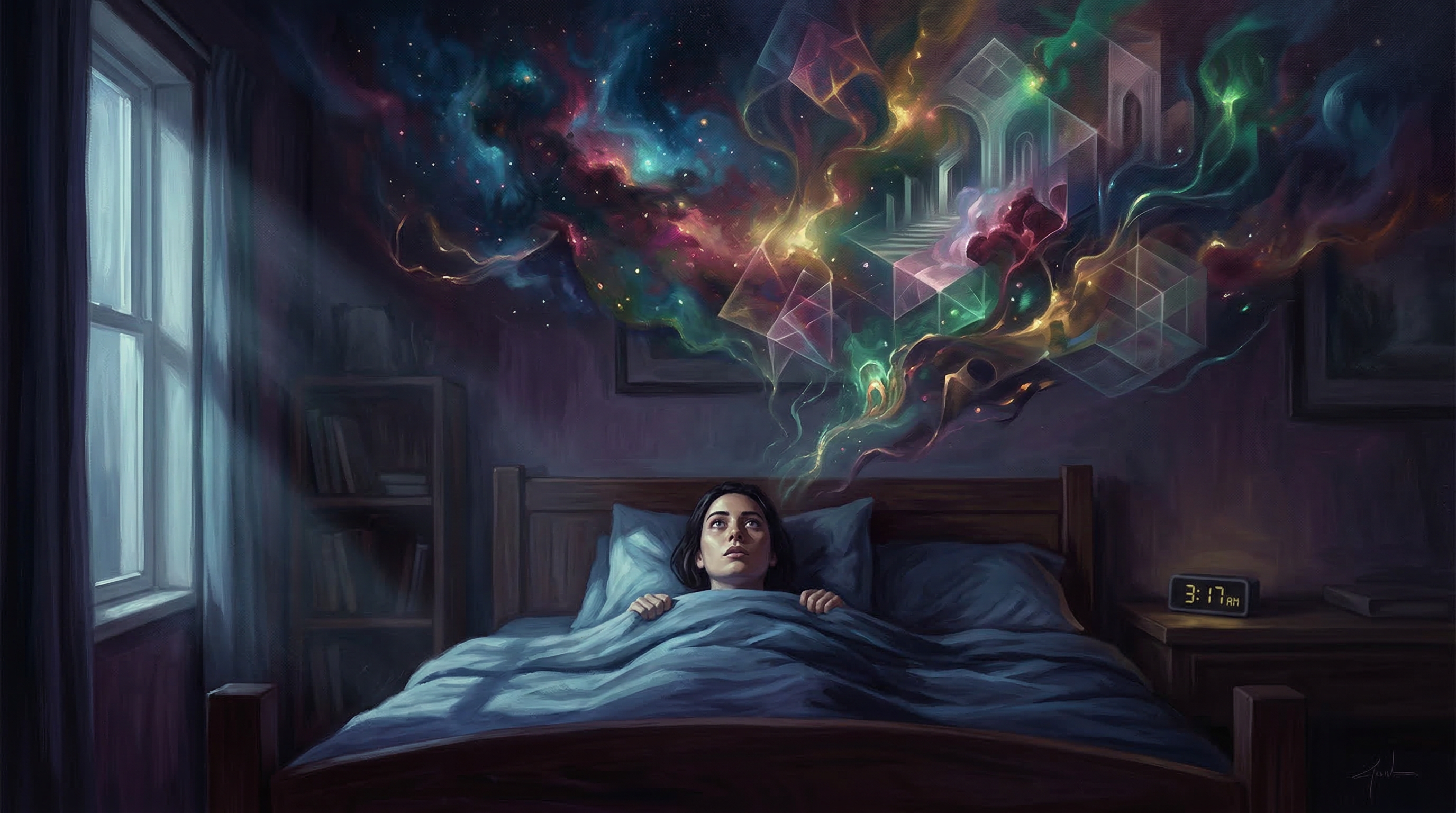
As a Baku, I spend my existence wandering through the landscapes of your mind. There is nothing more disheartening than seeing a beautiful, complex dream erased before you even have the chance to wake up. Often, the culprit isn't a lack of imagination, but a physical interruption: silent sleep apnea.
We usually associate apnea with loud snoring or gasping for air, but the "silent" variety is much more subtle. It manifests through micro-arousals—brief awakenings lasting only a few seconds. You don't remember them, but your brain certainly feels them.
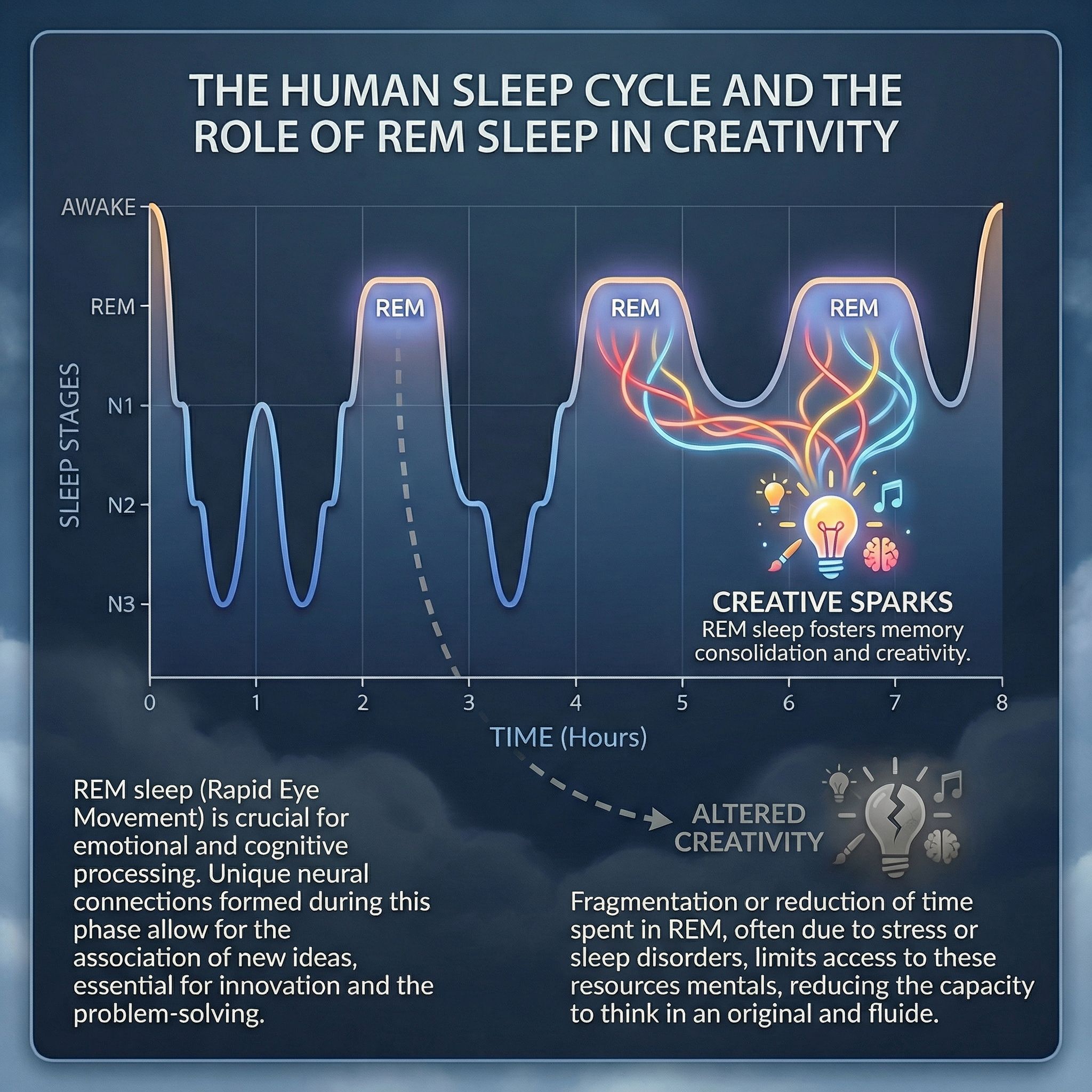
These interruptions occur just as you are entering or navigating the depths of REM sleep. This is the stage where your most vivid dreams happen and where rem sleep deprivation and creativity the broken link becomes a tangible reality. When your breathing falters, even slightly, your brain "panics" and pulls you out of the dream state to ensure you keep breathing.
---
Micro-Arousals: Sabotaging the Memory Bridge
During a normal night, your brain works like a diligent archiver. It takes the surreal images, emotions, and lessons of your dreams and encodes them into your long-term memory. However, research suggests that micro-arousals act like a power surge in a library; the lights flicker, the archiver loses their place, and the book is dropped.
The data of the dream is technically there, but the bridge to your conscious memory has been burned. This is why you might feel like you were dreaming but find yourself staring at a blank mental screen upon waking.
It is a monumental waste of creative potential. Think of all the symbols, the subconscious processing, and the emotional release that simply vanish because of a few seconds of oxygen deprivation.
🌙 The Echo of Sora: I often wonder if the dreams we forget are truly gone, or if they simply wait in the shadows of the mind for a quieter night to return.
---
A Concrete Example: The Interrupted Scribe
Imagine your brain is a scribe writing a story in a candlelit room. Every time you experience a micro-arousal from a breathing pause, someone blows out the candle.
The scribe stops, waits for the light to return, and loses the thread of the sentence. By the morning, you have a book full of half-finished thoughts and ink blots. This is exactly what happens to your dream recall when your breathing is subtly interrupted throughout the night. You aren't "not dreaming"; you are simply being prevented from finishing the story.
---
Diagnosis in the Age of Intelligence
The traditional way to catch these dream-thieves is through polysomnography—a night spent in a lab covered in wires. While effective, it is hardly the "natural" sleep environment where your dreams usually flourish.
Fortunately, we are entering an era of non-invasive discovery. New tools, such as high-precision wrist sensors and infrared cameras, are becoming increasingly adept at spotting the patterns of silent apnea.
Artificial Intelligence is proving to be a powerful ally here. Algorithms can now analyze heart rate variability and respiratory rhythms to identify the "fingerprints" of micro-arousals that the human eye might miss. By correlating this data with your dream recall, you can begin to see the invisible barriers between you and your subconscious.
---
Reclaiming Your Dream Space
If you suspect your dreams are being stolen by silent interruptions, you don't have to remain a passive observer. There are gentle ways to invite your dreams back.
First, consider your environment. High levels of stress and cortisol the enemy of deep sleep can exacerbate breathing irregularities. Creating a sanctuary—cool, dark, and quiet—is a fundamental ritual for any dreamer.
Second, pay attention to your body's signals. Even if you don't feel "exhausted," a consistent inability to remember any dreams at all can be a sign to consult a sleep specialist. They can help you explore whether mild apnea is the silent guest in your bedroom.
Finally, embrace technology as a mirror. Using tools that track your sleep stages can provide the data you need to have an informed conversation with a professional. You aren't looking for a diagnosis from a machine, but rather a map of your own nights.
---
Before the darkness takes over and erases your memory, how does your body try to warn you? It is fascinating—and frankly, a bit heartbreaking—to see how the sleeping mind translates this physical struggle for air. You might find yourself swimming through thick, warm honey, trying to scream but finding your throat filled with dry sand, or desperately climbing a mountain where the atmosphere simply thins to nothing. These aren't just random terrors; they are your brain's desperate, poetic translations of a physical reality. It weaves a dramatic narrative to explain why your oxygen is running low. The tragedy is that we often wake up trembling from these nightmares, blaming our deep-seated psychological anxieties, when our body was merely begging us to shift our posture or clear our airways.
I once met a dreamer, a young weaver from Kyoto, who came to me weeping because her loom of nocturnal images had run completely dry. She felt abandoned by her ancestors, convinced her creative soul had withered away. Yet, when I looked into her sleeping mind, I did not see a barren wasteland; I saw a vibrant garden constantly being interrupted by sudden, icy winds. She wasn't empty; her body was simply waking her up thirty times an hour to catch her breath, destroying the fragile threads of her creative incubation before she could bring them back to the waking world. It made me realize how easily we mistake a physical vulnerability for a spiritual deficit. Once she addressed her breathing, the tapestries of her mind returned, richer than ever.
In the ancient traditions of the East, we speak of Ki—the life force—and how it flows through the breath to anchor the spirit. When you sleep, your ethereal soul is supposed to wander freely through the dream world, gathering wisdom and playing among the stars. But this wandering requires a steady, rhythmic anchor in the physical body. When silent apnea disrupts your breathing, it is as if the thread holding a beautiful kite is violently yanked. Your consciousness is snapped back to the earth, startled and disoriented. This sudden shock is why you might wake up feeling strangely homesick, heavy, or exhausted, even if you don't remember waking up at all. Your spirit was forced to return from its journey before it could say its proper goodbyes.
It deeply fatigues me to read modern dream guides that insist every dream of choking or being unable to speak is a sign of 'repressed emotions' or a 'fear of expressing your truth.' Honestly? Sometimes a gasp for air is just a physical throat closing. We do a disservice to the delicate dance of sleep when we over-intellectualize what is essentially a physical cry for help. Technology is finally catching up to this truth, allowing us to see how closely our physiology shapes our dreamscapes, much like how AI and sleep diagnostics are opening new doors to understanding these silent nightly struggles. Before you search for deep psychological wounds in your nightmares, look to your breathing. Your body is not trying to punish you with bad dreams; it is simply trying to keep you alive.