Jet Lag: A Measurable Enemy
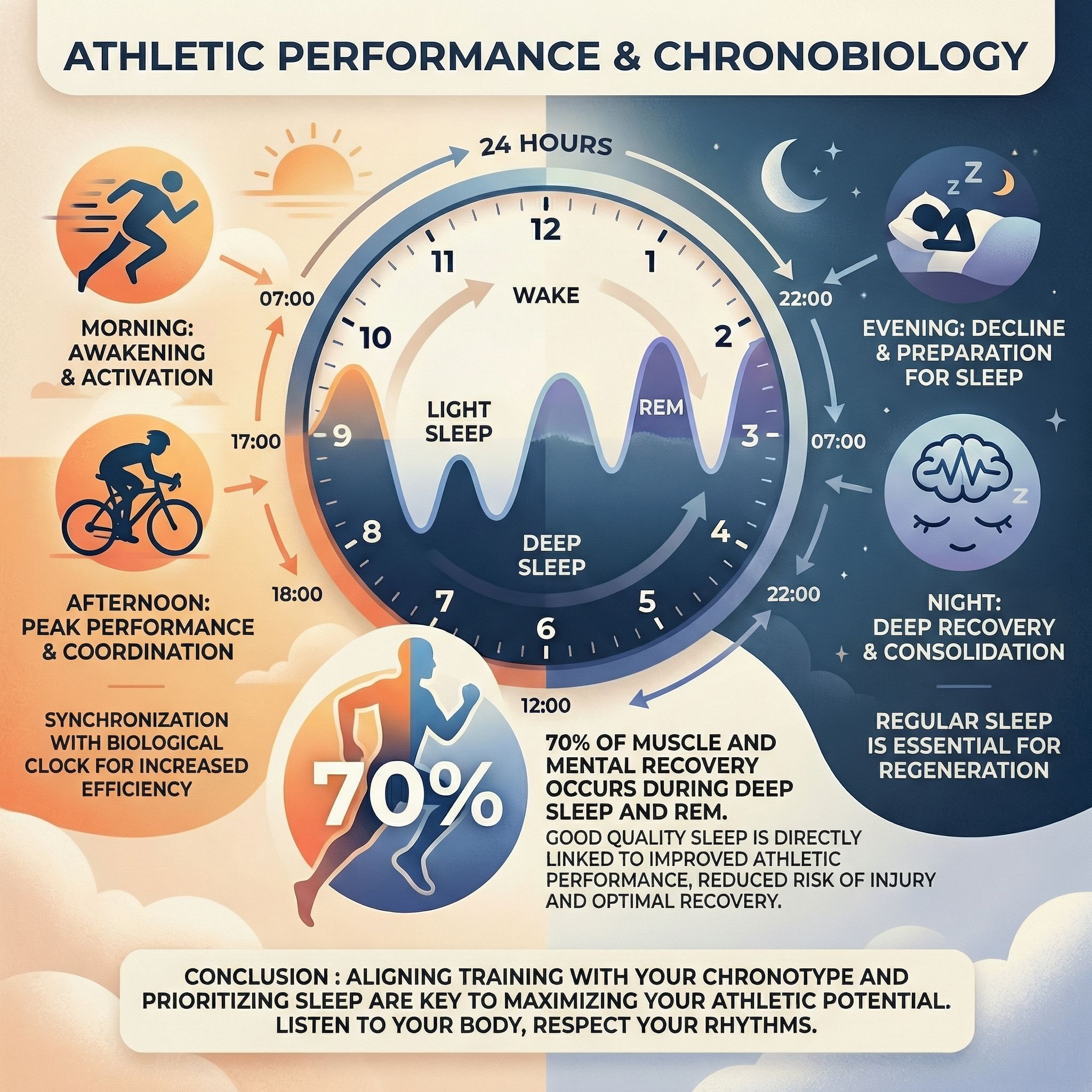
Before I give you the solutions, let's talk a little about the problem itself. What exactly is jet lag? It's the consequence of a desynchronization between your internal biological clock (your circadian rhythm) and the external environment (the new time zone). Basically, your body continues to function according to the time of your point of departure, even though you've already arrived at your destination.
This discrepancy affects a cascade of physiological processes: melatonin production, body temperature, cortisol secretion, and even your mood. And let's be honest, being grumpy and tired isn't exactly ideal for closing an important deal or shining during a presentation.
And the worst part is that the more you travel east, the more severe the jet lag. Why? Because your body has a harder time advancing its biological clock than delaying it. A New York to London flight will often be less painful than a London to New York flight. It's simply a matter of rhythm.
Light: The Ultimate Reset
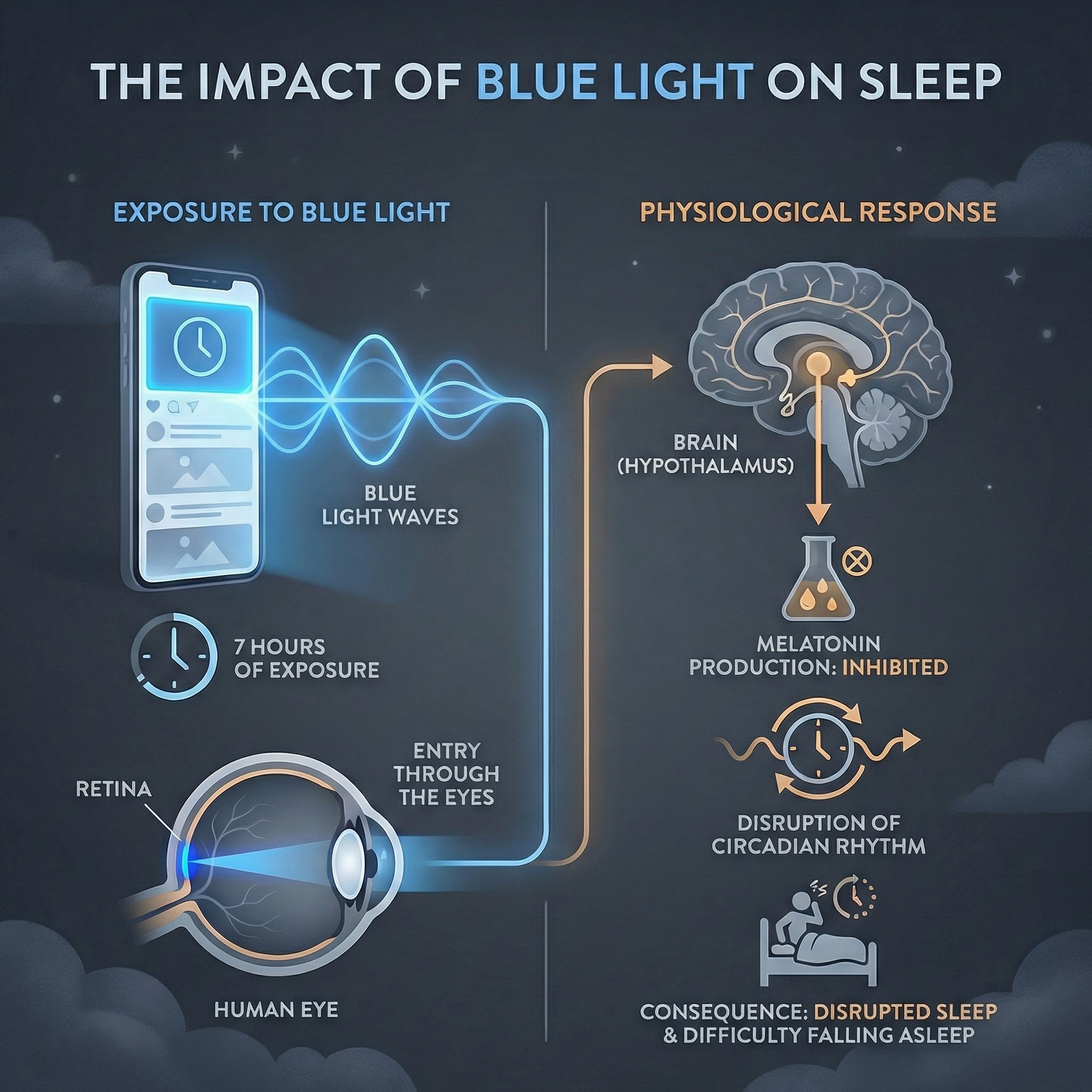
The main tool astronauts use (and you can too) to combat jet lag is light. Light is the most powerful signal for regulating your biological clock. It directly influences the production of melatonin, the sleep hormone.
Here's how you can use light to your advantage:
- Before departure (a few days before): Start shifting gradually. If you're traveling east, get up and go to bed earlier each day. If you're traveling west, do the opposite. The idea is to prepare your body gently. Use a light therapy lamp in the morning to enhance the effect.
- During the flight: Avoid artificial light as much as possible, especially if you're arriving at your destination during the day. Wear a sleep mask and try to sleep during the nighttime hours of your destination's time zone.
- Upon arrival: Expose yourself to natural light as soon as possible. If you arrive in the morning, spend time outdoors. If you arrive in the evening, try to limit your exposure to blue light from screens (phone, computer, television). It's frustrating, I know, but it's crucial.
Melatonin: The Chemical Ally (Use With Caution)
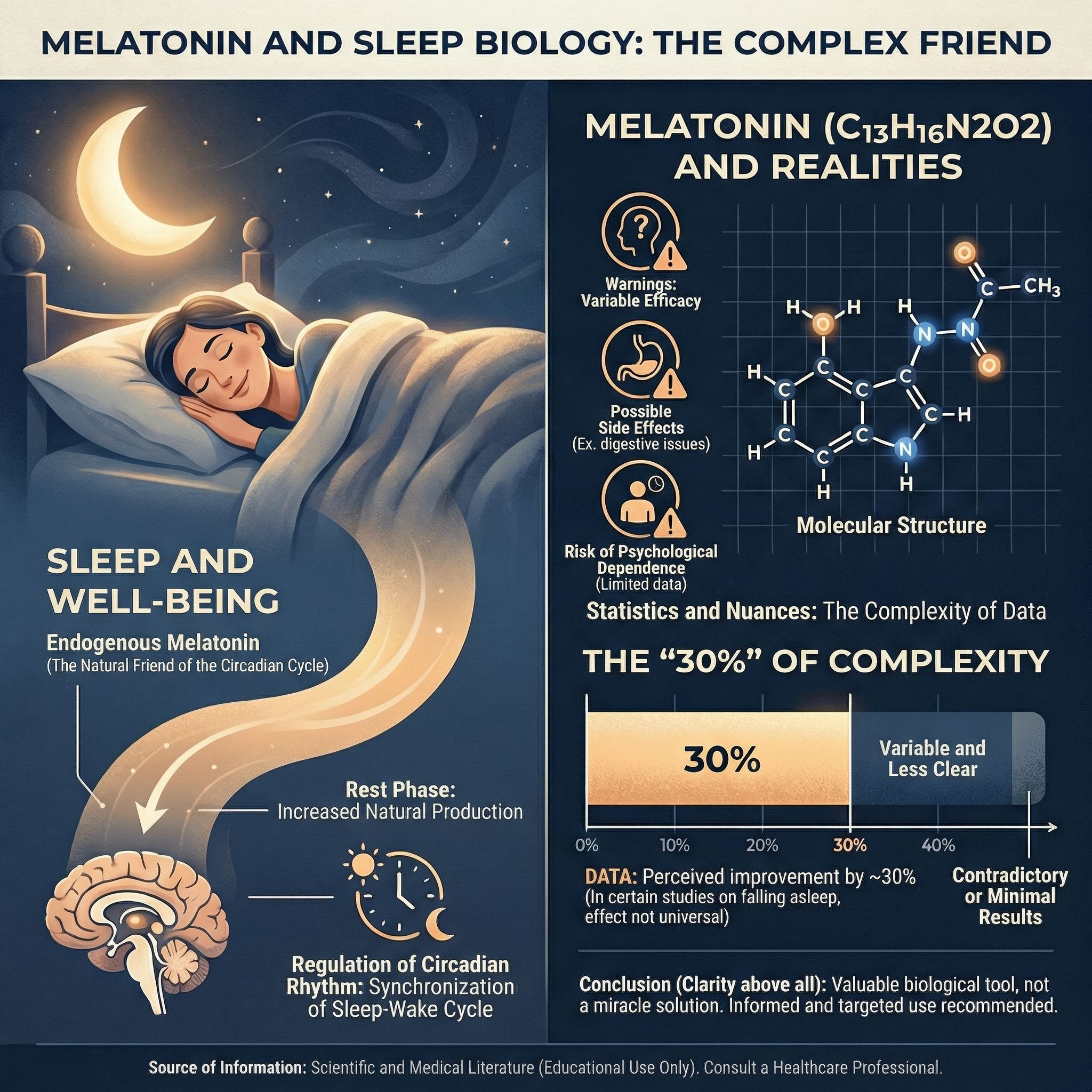
Melatonin is a dietary supplement that can help regulate your sleep cycle. It is often used to treat insomnia and, of course, jet lag. But be careful, it's not a miracle cure, and it should be used with caution.
Here are some rules to follow:
- Consult a doctor: Before taking melatonin, talk to your doctor, especially if you are taking other medications.
- Respect the dosage: Start with a low dose (0.5 to 1 mg) and increase it if necessary, but never exceed 3 mg.
- Take it at the right time: Melatonin is most effective if you take it 30 minutes to 1 hour before the time you want to fall asleep in your new time zone.
- Don't rely on it alone: Melatonin is just one tool among many. Light, hydration, and good sleep hygiene are just as important.
And frankly, avoid stuffing yourself with melatonin in the hope that it will turn you into a sleep machine. It's rarely a good idea, and it can even further disrupt your biological clock.
Hydration, Exercise, and Strategic Meals
In addition to light and melatonin, there are other factors to consider to minimize jet lag:
- Hydration: Drink plenty of water before, during, and after the flight. Dehydration worsens the symptoms of jet lag. Avoid alcohol and caffeine, which have a diuretic effect.
- Exercise: Do moderate physical exercise as soon as you arrive at your destination. It helps you wake up and regulate your biological clock. A simple walk can do wonders.
- Meals: Adapt your meals to your new time zone. Eat light meals and avoid fatty and sugary foods, especially in the evening. Try to eat at regular times, even if you're not hungry. The internal clock also needs food signals.
Listen to Your Body (But Not Too Much)
The most important thing is to listen to your body. If you're tired, rest. If you're hungry, eat. But remember that your body is desynchronized, so don't rely too much on your feelings. Try to stick to a regular schedule, even if it's difficult at first.
And above all, be patient. Jet lag doesn't disappear overnight. You have to give your body time to adapt.
To summarize, here's a simple and effective protocol for managing jet lag like an astronaut:
1. Preparation: Start shifting a few days before departure.
2. Light: Expose yourself to light at the right time.
3. Melatonin: Use it with caution and according to recommendations.
4. Hydration: Drink plenty of water.
5. Exercise: Do moderate physical exercise.
6. Meals: Adapt your meals to your new time zone.
7. Patience: Give your body time to adapt.
It's not an exact science, and what works for one person may not work for another. But by following these principles, you can minimize the impact of jet lag and fully enjoy your business trips.
I once met a dreamer who kept dreaming that his shadow was walking three steps behind him, sluggish and stretched out, completely out of sync with his actual movements. He felt a deep, chilling coldness in his chest every time he looked back. It turned out he had rushed into a high-powered promotion, leaving his artistic passions behind without a proper farewell. We often treat this inner desynchronization as a mere cognitive glitch, but your subconscious doesn't care about your productivity metrics. It is reminding you that when you catapult yourself into a new identity too quickly, your emotional body stays behind, wandering the old hallways. This is highly reminiscent of what occurs when you find yourself dreaming of an astronaut drifting in the silent void—you are physically present in your new orbit, but spiritually, you are still waiting for your signal to reach the ground.
Honestly, it slightly exhausts me to see how obsessed we have become with hacking our biological rhythms, as if our souls were merely machines to be recalibrated with blue screens and clinical dosages. In some ancient traditions, major transitions require a period of sacred darkness, a quiet void where the old self dissolves before the new one is born. When your dream self wanders through a foggy, endless airport terminal, your mind isn't asking for an aggressive bio-hacking protocol. It is asking you to slow down and sit with the disorientation. Instead of force-feeding your eyes with blinding glare to trick your brain, perhaps you need the gentle, flickering guidance of dreaming of a lantern to illuminate the threshold. Let yourself be tired. There is a rare, quiet wisdom in allowing your spirit to catch up to your body at its own pace.
And if you really want to optimize your sleep and track your adaptation to the new time zone, Midnight Mind can help. The app allows you to record your dreams, and it analyzes your sleep patterns to show you statistics about your sleep cycles, which can give you valuable insights into how your body is reacting to jet lag. It's a way to objectify how you feel, and I love that.