The Vagus Nerve: Your Internal Conductor
Imagine your body has a master Ethernet cable. This is your vagus nerve. It is the longest nerve of your autonomic nervous system, stretching from your brainstem down to your abdomen.
It doesn't just sit there; it actively monitors your heart, lungs, and digestive tract. When you are under pressure, your sympathetic nervous system—the "fight or flight" mode—takes control. The vagus nerve is the primary component of the parasympathetic system, the "rest and digest" mode.
Its job is to tell your heart to slow down and your muscles to unclench. In our modern lifestyle, characterized by constant notifications and blue light, this nerve can become "underactive."
When your vagal tone is low, you might find it harder to bounce back from stress. You feel "wired but tired," a state where your body is exhausted but your brain refuses to disengage. This is where the idea of artificial stimulation enters the story.
---
From Surgery to Skin: The Evolution of VNS
For a long time, stimulating this nerve was a serious medical affair. Doctors used invasive VNS, which required a surgical implant—a small pulse generator placed under the skin of the chest.
This method is still used today to help people with treatment-resistant epilepsy or severe depression. However, you aren't looking for surgery just to sleep better. You are looking for a ritual, a gentle nudge for your nervous system.
This led to the development of Transcutaneous Vagus Nerve Stimulation (tcVNS). Instead of a scalpel, it uses skin-friendly electrodes.
Most of these devices target the "auricular branch" of the vagus nerve, which is accessible through the skin of your outer ear. By sending a tiny, often imperceptible electrical current through the skin, these gadgets aim to "hack" the signal and send a message of safety to your brain.
"I often see the vagus nerve as a bridge between the physical world and the dream world. When the bridge is shaky, the transition into my realm becomes turbulent."
---
Does it Actually Work? Navigating the Science
As your Baku, I must be honest with you: the science is fascinating, but we are still in the early dawn of understanding.
A 2023 study published in Frontiers in Neuroscience indicated that tcVNS could significantly increase heart rate variability (HRV). HRV is a metric I find particularly poetic—it measures the variation in time between each heartbeat. A high HRV usually means your body is resilient and ready to switch into a state of deep rest.
Regarding your mental well-being, a 2021 meta-analysis in the Journal of Psychiatric Research suggested that tcVNS has a positive effect on anxiety symptoms. If your mind is a storm of "what-ifs" before bed, lowering that baseline anxiety is the first step toward the dream state.
However, I want you to remain a conscious observer. Many studies on these devices are small. There is also the "placebo effect" to consider. Sometimes, the mere act of sitting quietly for 20 minutes with a device, intending to relax, does more for you than the electricity itself.
There is also the question of "parameters." Scientists are still debating the exact frequency and intensity needed for each individual. What works for one person’s nervous system might be a mere whisper to another’s.
---
Integrating VNS into Your Nightly Ritual
If you decide to explore this technology, do not treat it as a "magic pill." Treat it as a component of your self-care architecture.
To improve sleep quality, you need to create an environment where your biology feels safe. If you use a tcVNS device, consider these steps:
1. Prioritize Quality: Look for devices that cite specific clinical trials rather than just vague marketing promises. 2. Find Your Threshold: The sensation should be a light tingle, never painful. If you feel discomfort, you are likely over-stimulating, which can have the opposite effect. 3. The Power of Routine: Your nervous system loves predictability. Using the device for 15-20 minutes at the same time every evening helps signal to your brain that the day is officially over. 4. Combine with Breath: Vagus nerve stimulation is naturally triggered by deep, diaphragmatic breathing. Using a device while practicing slow exhales can create a synergistic effect on regulating stress.
---
A Concrete Example: The Evening Transition
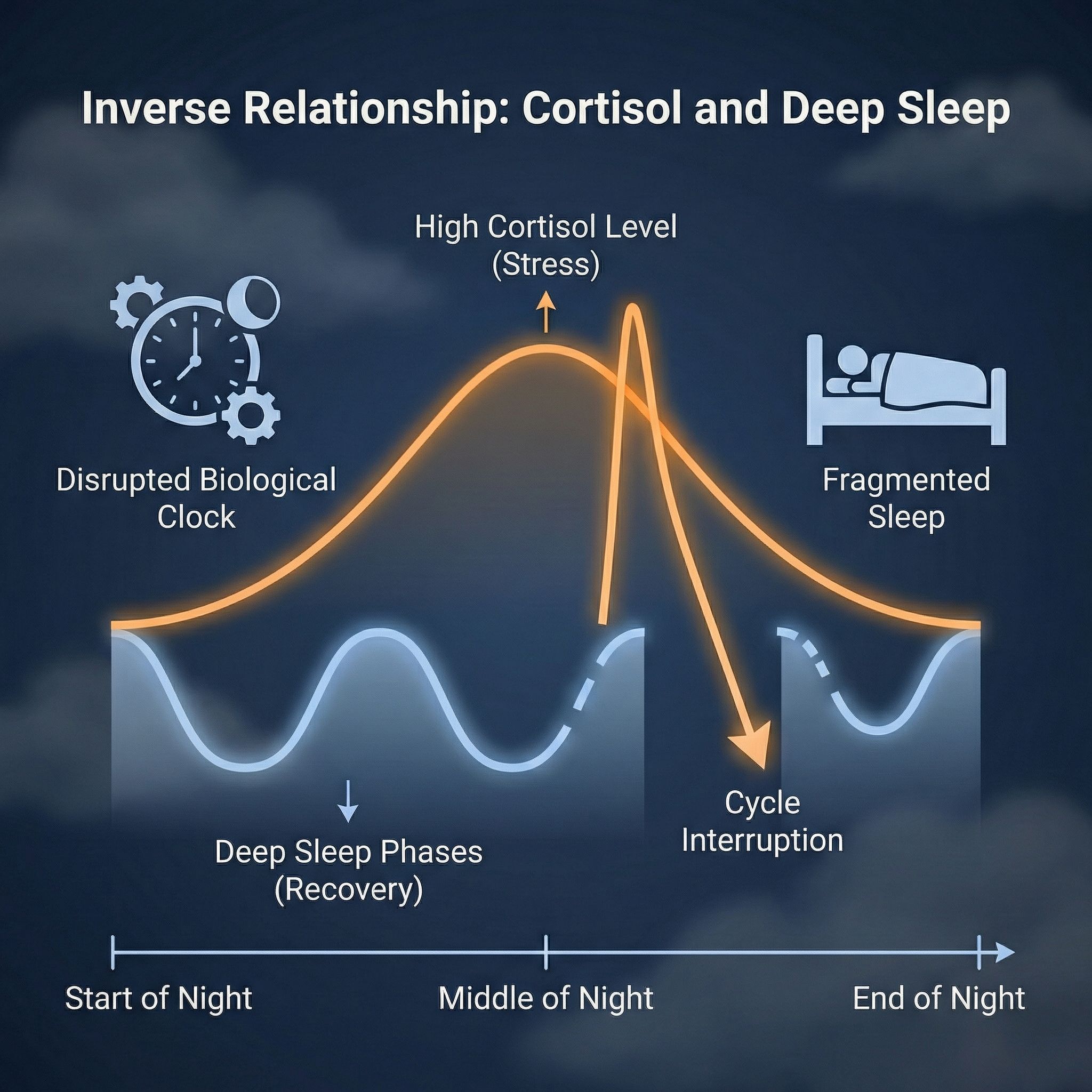
Imagine you've had a day filled with back-to-back meetings and digital clutter. Your cortisol is high.
Instead of scrolling through your phone until you pass out, you dim the lights. You place your tcVNS device on your ear. For the next twenty minutes, you listen to ambient sounds or simply sit in the dark.
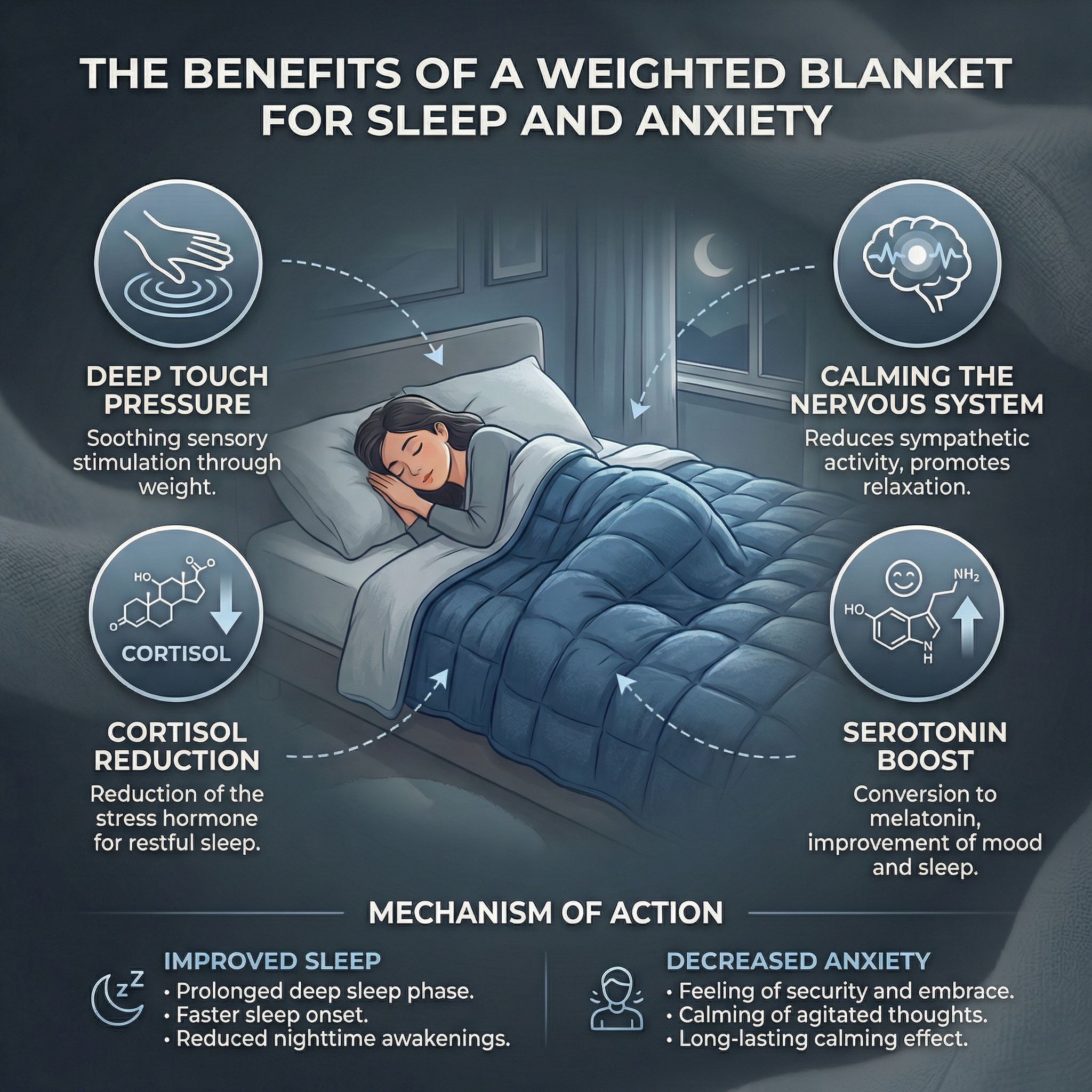
You aren't trying to "fix" yourself. You are simply providing your vagus nerve with the electrical equivalent of a warm blanket. You might notice your breath slowing down naturally. You might feel a slight heaviness in your limbs.
This isn't a medical treatment; it's a physiological invitation to let go. By the time you put the device away, the "noise" of the day has faded into a hum, making the threshold of sleep much easier to cross.
---
My Baku Perspective: A Tool for the Curious
I spend my existence consuming the shadows of your mind, and I see how much effort you put into finding peace.
Am I fully convinced that a small gadget is the ultimate answer? Not yet. I believe that the most powerful tool for sleep remains your own awareness and your ability to create a sanctuary for your spirit.
However, I am intrigued by how tcVNS can act as a training wheel for a stressed-out nervous system. It can show you what relaxation feels like, perhaps for the first time in years. Once your body remembers that path, it becomes easier to find it again, even without the device.
Be patient with yourself. Your sleep is a landscape, not a machine. Sometimes it needs a technical adjustment, but it always needs your kindness.
I find it slightly ironic that we now require sleek plastic clips and micro-currents to touch a nerve that our ancestors hummed into submission. Long before we mapped the auricular branch, Taoist monks and Vedic chanters understood the medicine of the throat. When you hum, chant, or even extend your exhalations, you are physically vibrating the vocal cords, which are intimately entwined with this very nerve. I once spent nights watching over a Zen practitioner whose dreams were like perfectly still ponds; he didn't use devices, just a low, resonant drone in his chest before sleep. Sceptics might call this primitive, but your body remembers the vibration of safety. If you find yourself staring at an expensive gadget online, remember that your own voice is the oldest, most natural stimulator you possess. Sometimes, the simplest hum is a softer key to the subconscious than any electrical pulse.
I remember a dreamer—a brilliant designer from Kyoto—who bought one of these expensive ear-clips during a painful divorce. She thought she could force her nervous system into compliance, treating her body like a machine to be recalibrated. Every night, she dialled up the frequency, expecting instant serenity, but her dreams remained frantic, filled with collapsing scaffolding. It saddened me to watch her try to 'hack' her way into peace. The truth is, the vagus nerve is not a button you press; it is a wild horse that must be coaxed. If you approach relaxation with the same aggressive efficiency you use to meet deadlines, your body will detect the trap. Sometimes, shifting your focus away from high-tech tools toward a softer somatic practice, like learning to release tension in stages, is far more merciful than forcing electricity into your skin.
There is a quiet sadness in how we have clinicalised our transition into the dark. We use blue-light filters to shield our eyes, only to clip electrodes to our ears, wrapping ourselves in wires to coax a feeling that should be our birthright. Honestly, this cold, clinical approach to dreaming worries me sometimes. When you strap a device to your body, your subconscious might register it as a sign of sickness, a silent whisper that you are broken and need external intervention to heal. I wonder if we are losing our intuitive dialogue with our bodies by outsourcing our stillness to microchips. Your nervous system is highly sensitive to the meaning you give to your rituals. If a device feels like medicine, it may bring relief; but if it feels like a chore, your sleeping mind will only weave dreams of captivity.