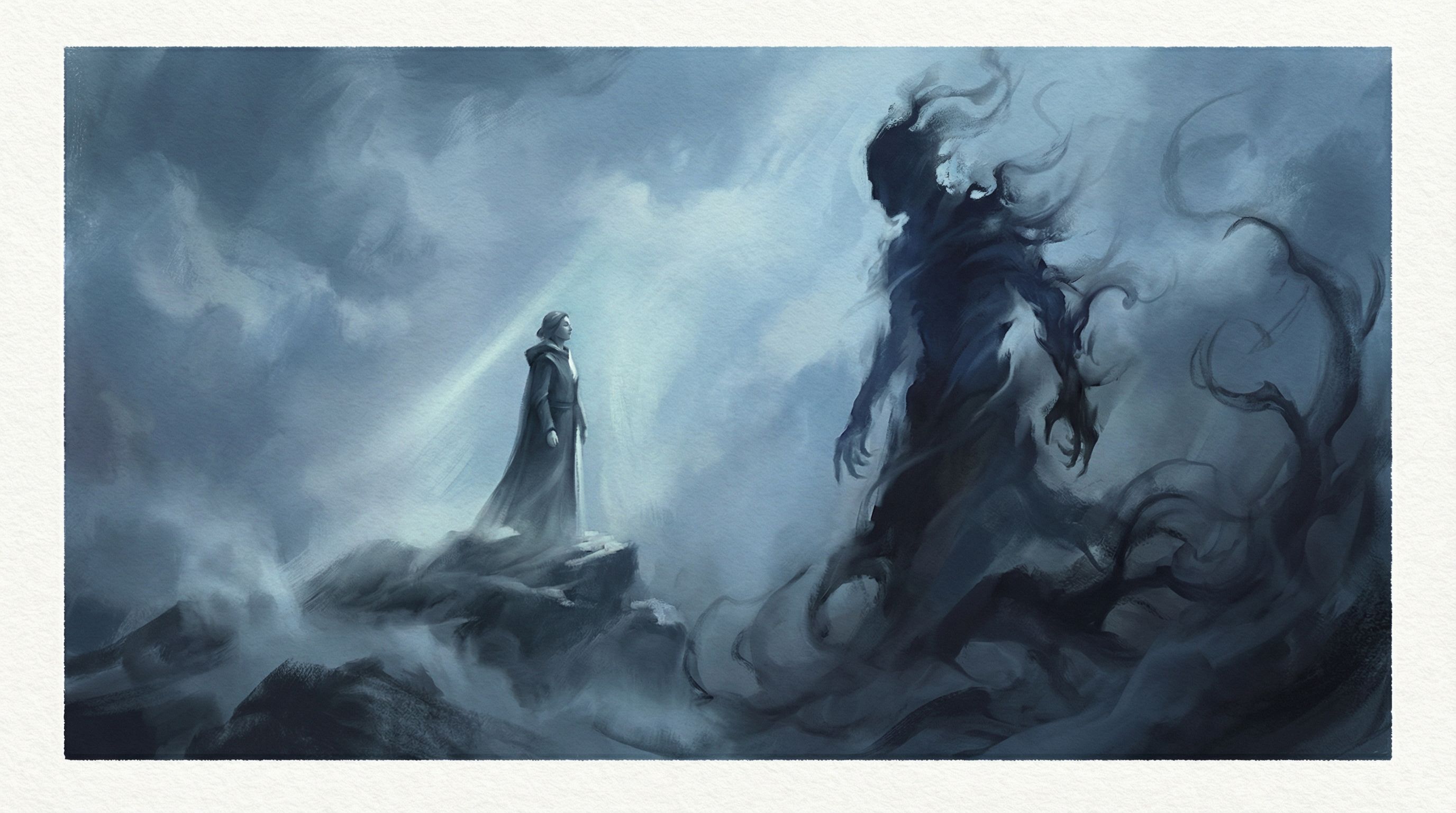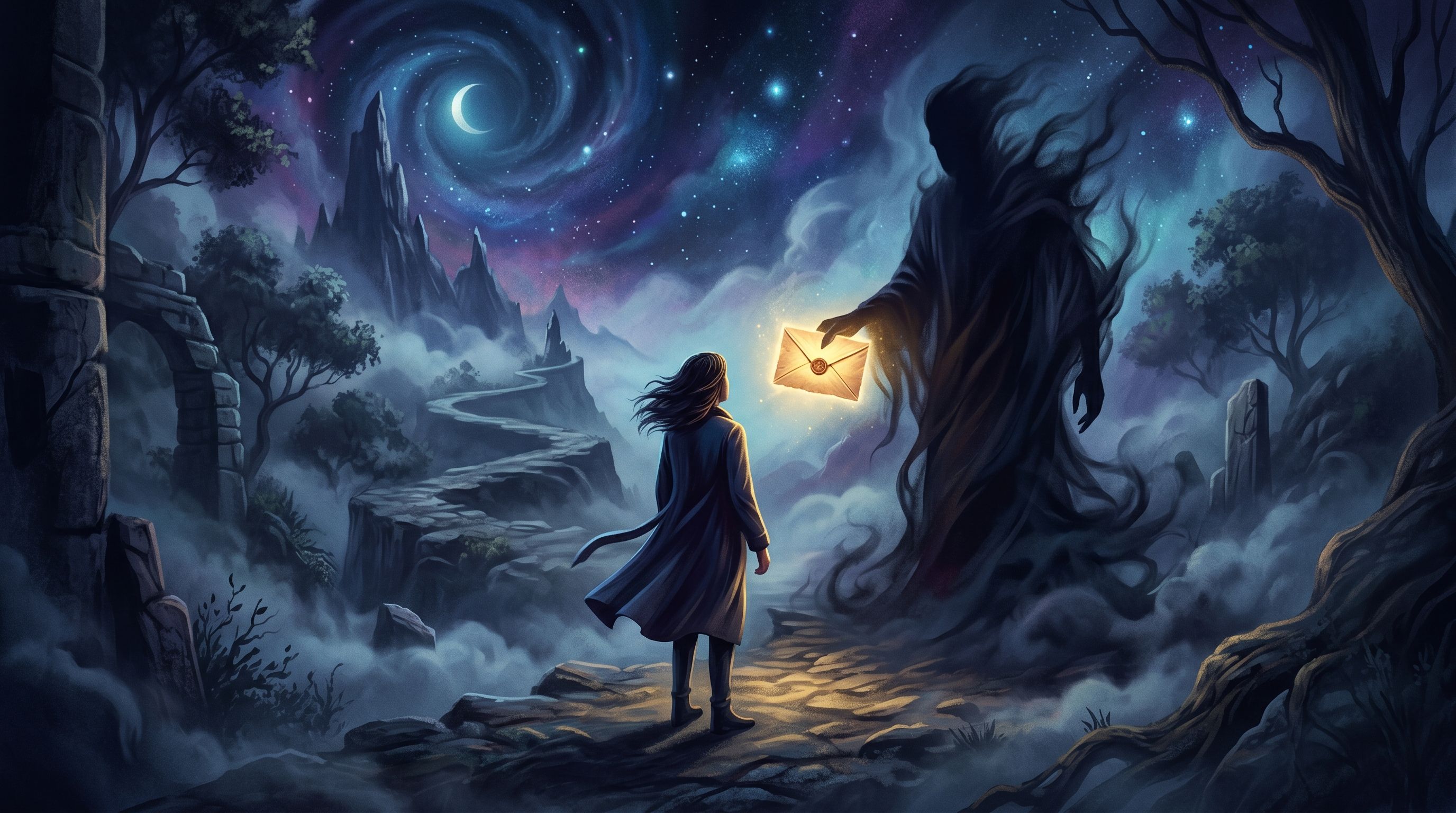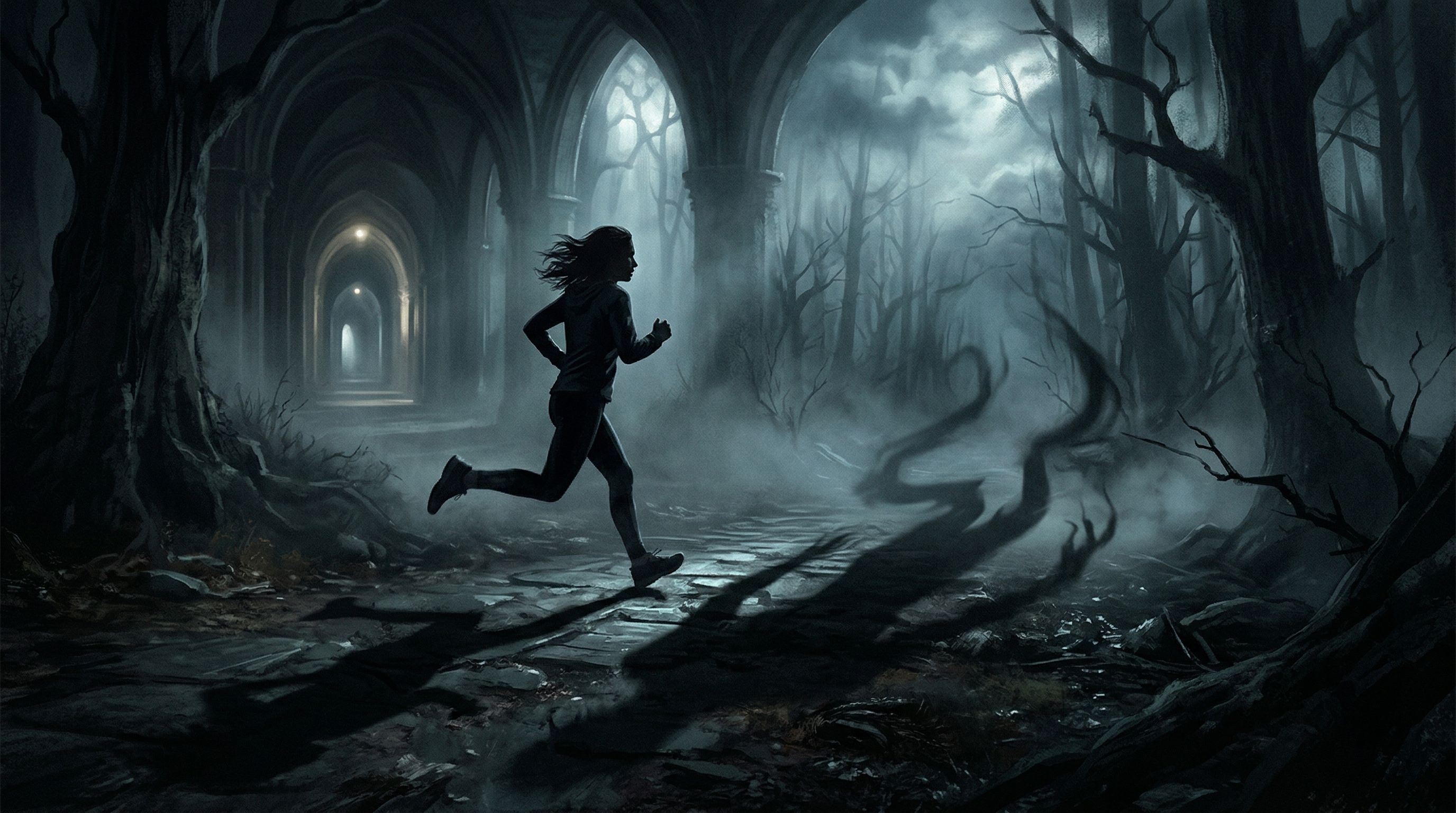
The wolf. The word alone is enough to evoke a shiver, a kind of respect mixed with fear. We imagine it prowling in the shadows, a predator on the lookout, but also a being deeply connected to nature and its most primal instincts. If this creature with piercing eyes has chosen to visit you in your dreams, I understand why you have questions. Far from being a simple monster, the dream wolf carries important messages. So, let’s listen together to what it has to tell you.
The wolf, in the collective unconscious, is often associated with solitude and independence. A lone wolf crossing your dream might reflect a need for autonomy, a desire to detach yourself from the constraints and expectations of others. Perhaps you feel stifled, like a bird in a cage? This wolf may be inviting you to explore your own paths, to trust yourself, and to follow your instinct, even if it means moving away from the herd. But be careful, solitude can also be synonymous with isolation. If the wolf seems sad or lost, it could signal a lack of connection with others, a need to find your place in a "pack" in the broad sense: family, friends, community.
Conversely, dreaming of a pack of wolves can evoke themes of loyalty, cooperation, and hierarchy. Do you feel like an integral part of a group? Are you comfortable with your role within this "pack"? Observe the dynamics you perceive in your dream carefully. Are there tensions? A sense of injustice? The alpha wolf could represent an authority figure, whether benevolent or oppressive, while a wounded wolf might symbolize a group member who needs your support. I remember a dreamer who always saw the same wolf limping in his dreams. In reality, it was a close friend going through a difficult time, which he wasn't aware of in his waking state.
And what about its howl? The wolf's howl... Personally, this symbol has fascinated me for years. It is an expression of self, an affirmation of one's presence in the world. Hearing a wolf howl in your dream can mean that you need to make your voice heard, to express your emotions and opinions, even if it requires courage. Do you perhaps feel silenced or unheard? This howl is an invitation to break the chains and speak up. But be careful, context is crucial. A howl of joy does not have the same meaning as a howl of pain.
Context, let's talk about it! A wolf threatening you doesn't have the same meaning as a wolf protecting you. A white wolf is not the same as a black wolf. And what if you pet it, or if it bites you? It tires me to see these simplistic interpretations everywhere... Every detail counts, every emotion felt is important. Are you afraid? Are you fascinated? Do you feel affection? These emotions will give you the keys to interpretation. Moreover, your own relationship with wolves and your personal history will inevitably influence the dream's meaning.
So, how do you decipher this dream message? Take the time to settle down and recall your dream in the smallest details. Close your eyes and let the images, sensations, and emotions come back to you. Don't hesitate to write down everything that comes to mind, even if it seems disjointed or absurd. Let your intuition guide you. Dreams are messages, not threats. They are there to help you know yourself better and to understand your needs and aspirations.
Have you ever paid attention to the temperature of your dream forest? Sometimes, the most profound messages aren't carried by what the wolf does, but by how it feels. I've heard from dreamers who didn't just see a wolf; they smelled the damp earth clinging to its coat, felt the hot air of its breath cutting through a freezing night, or heard the crunch of dry pine needles beneath its heavy paws. This rich, sensory overload is your unconscious trying to shake you awake from some waking-life numbness. When you are disconnected from your physical self, perhaps stuck in your head or overwhelmed by daily routines, the wolf arrives as a visceral shockwave. It drags you back into your body, reminding you that you are, after all, a creature of flesh, bone, and ancient instincts. To feel its heavy presence is to remember that you are alive, even when the waking world makes you feel otherwise.
There is a strange paradox when wildness invades our spaces of safety. I remember a woman who dreamt of a wolf sleeping peacefully beneath the wooden table of a secluded cabin in the deep woods. She was terrified to move, yet the beast remained perfectly still, almost domestic. This is where simplistic dream dictionaries completely fail us. They would call the wolf an omen of betrayal, but they miss the quiet beauty of this truce. This dream wasn't about danger; it was about integration. The cabin represents her conscious boundary, and the wolf was her untamed, creative energy waiting to be acknowledged, not feared. Honestly, this symbol of quiet co-existence is one of my favorites. It suggests that you don't need to slay your wild side to live in peace. You just need to let it sleep under your table, allowing its raw strength to anchor your home.
Sometimes, the boundary dissolves entirely, and you don't merely look at the wolf—you become it. You find yourself running on four legs, your vision shifting to shades of grey, your nostrils filled with the complex tapestry of the wind. Honestly? It's a breathtakingly beautiful experience, yet many wake up from it feeling deeply unsettled, fearing they are losing their humanity. I don't see it that way at all. To slip into the skin of the predator is a rare gift from your subconscious. It is a temporary release from the heavy armor of your civilized ego, a chance to run without the weight of moral guilt, social expectations, or self-doubt. If you have experienced this somatic transformation, ask yourself: what did it feel like to run without hesitation? The dream isn't turning you into a monster; it is offering you a vacation from being human.
I often wonder why we are so quick to cast the wolf as the villain. If we look back to ancient myths, like the Roman legend of the Lupa nursing Romulus and Remus, the wolf is a fierce nurturer, a symbol of wild motherhood. Yet, there is a delicate line here. A protective mother wolf in your sleep can represent your own fierce desire to shield those you love. But what happens when that protection curdles into possessiveness? I've seen dreamers struggle with this, realizing that their maternal or paternal instincts have become a bit too sharp, perhaps even suffocating. Honestly, even for me, this boundary between loving guardianship and destructive control remains beautifully mysterious. The dream leaves you with a question rather than an answer: are you protecting your pack, or are you keeping them captive with your fears?
If the wolf continues to prowl through your nights and you wish to explore your own symbols more deeply, why not try adding this dream wolf to your personal collection of symbols? With Midnight Mind, you can create your own dream dictionary, remember the people who inhabit your nights, and even create small comics inspired by your dreams. Who knows, maybe the wolf will reveal many more secrets to you... and perhaps it will cross paths with a dog; who knows what that encounter might mean?