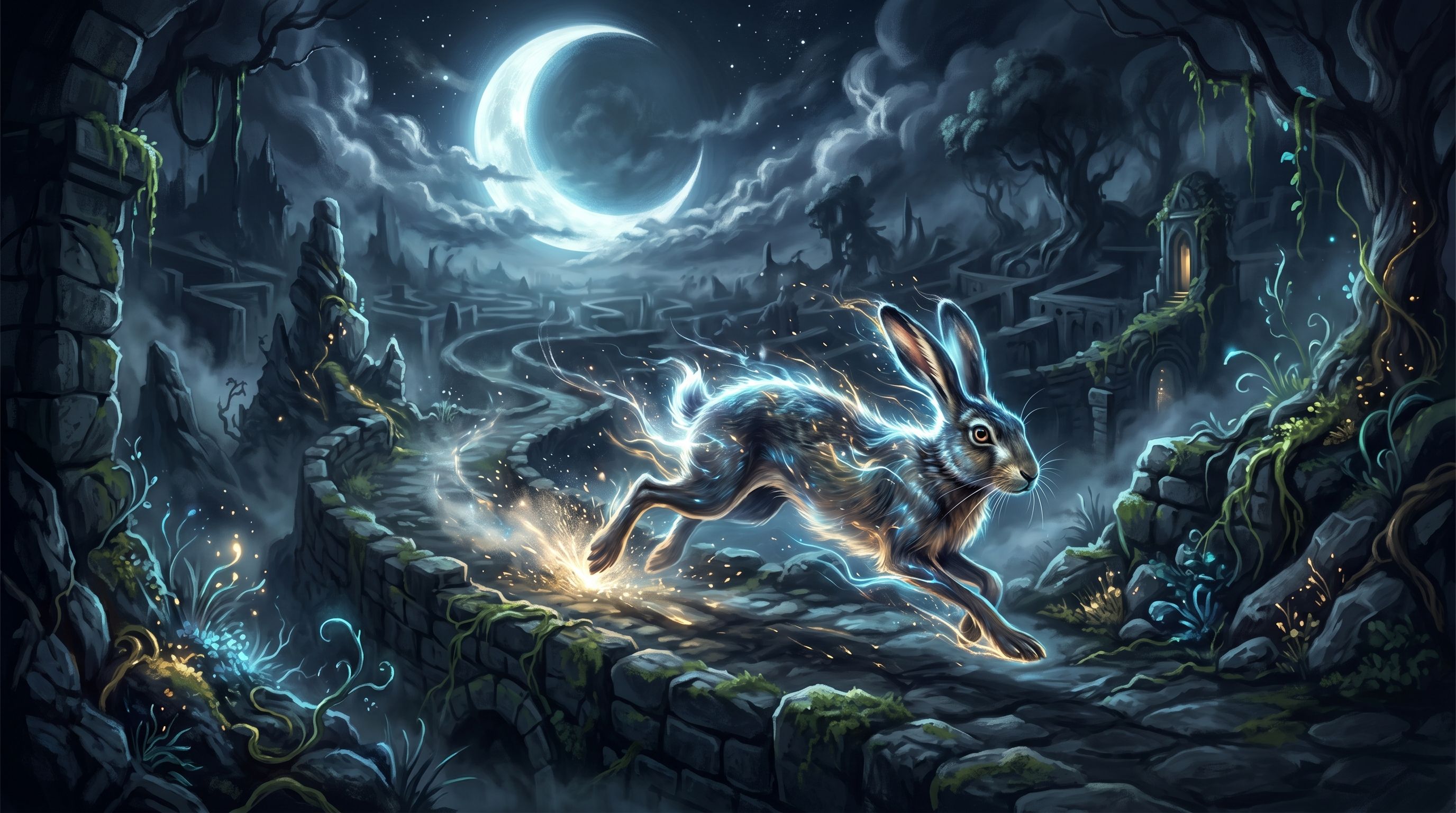
Why do we run when we should stay?
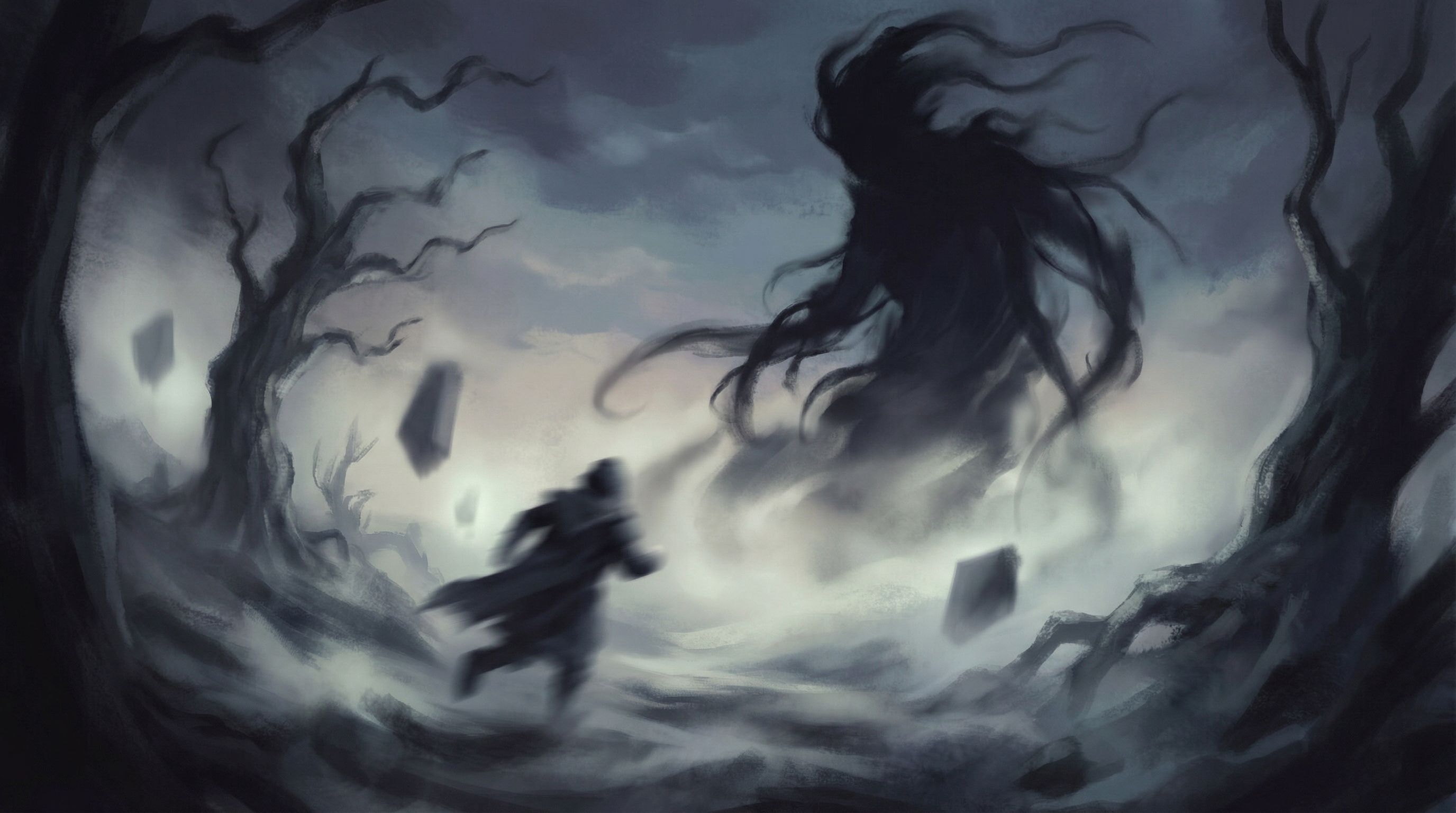
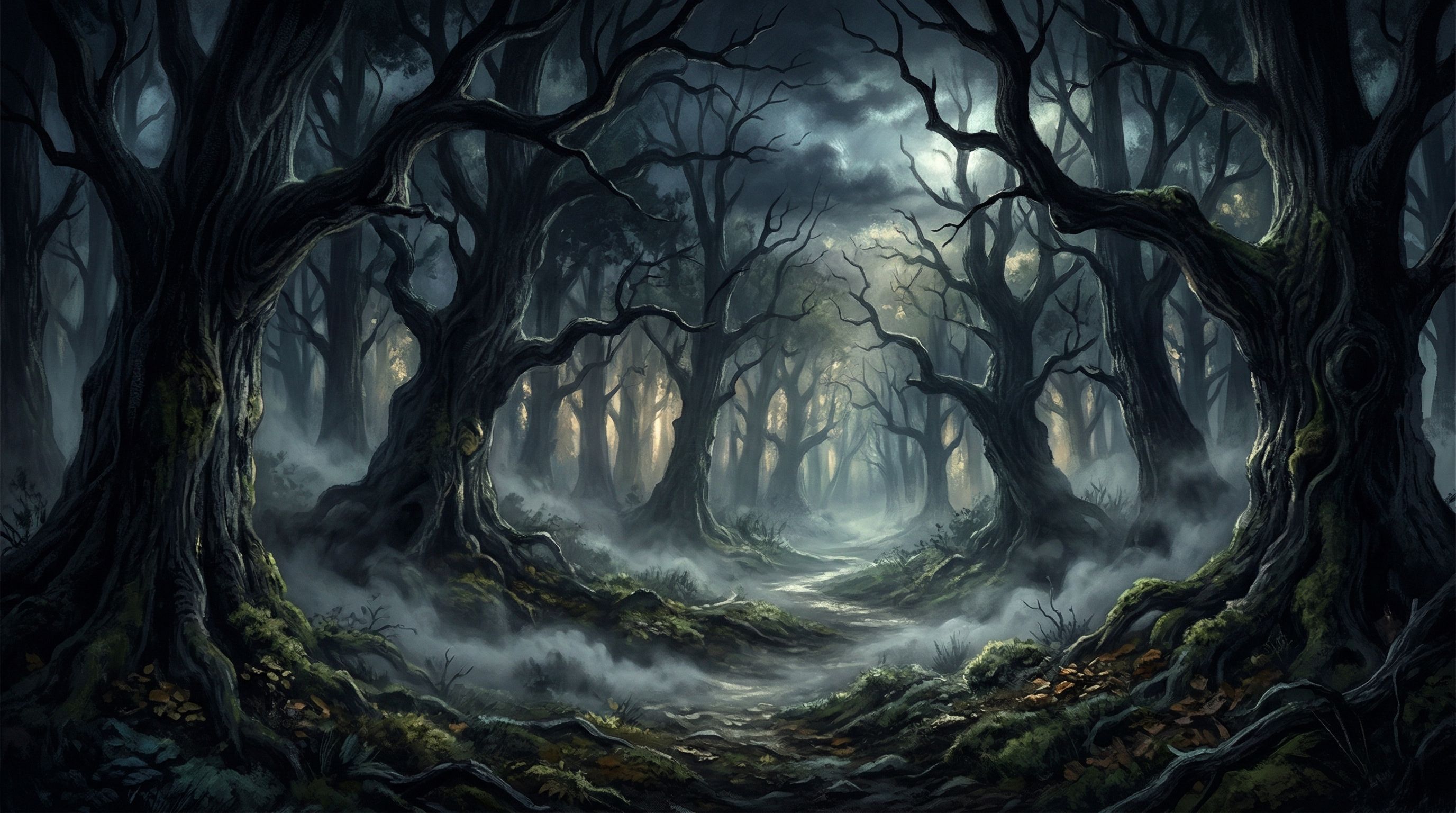
Sincerely, this has fascinated me for centuries. Why does the mind choose the staging of a chase rather than a simple dialogue? It is because the subconscious is a dramatic poet. It won’t simply tell you "you are stressed by your work"; instead, it will project you into a dark forest, pursued by a faceless shadow.
To dream of running away is, above all, to experience avoidance. Often, people ask me: "Yume, what am I afraid of?" And my answer is always the same: look at the shape of your fear. If you are fleeing a wild animal, it may be an impulse or an anger that you judge to be "untamable" within yourself. If you are fleeing a specific person, there is a good chance that something left unsaid or a certain tension is polluting your real-life relationship with them.
But there is a nuance that bothers me in the classic interpretations found in ancient dream books: this idea that fleeing is necessarily negative. Sometimes, fleeing in a dream is a healthy survival reflex. It is your mind telling you: "This situation is toxic, get out of there!" The problem arises when the flight becomes circular, when you constantly return to the same starting point. That is when the dream becomes a repetitive nightmare—a meal a bit too heavy for me, as it is laden with an anxiety that finds no exit.
It also happens that your flight is hindered by external elements, such as Dreaming of Wind so violent it prevents you from moving forward. In this case, the very nature of your dream environment speaks to the external obstacles you perceive as insurmountable.
The shadow behind you: the art of turning around
There is an anecdote I love to tell. A dreamer used to come see me every night, exhausted from fleeing a stone giant. He ran, jumped over ravines, hid in caves... all in vain. One day, I whispered to him just before he drifted off to sleep: "What if you asked him what he wants?" The following night, he stopped. The giant stopped, too. He didn't want to devour the dreamer; he simply wanted to return an object the dreamer had dropped: his intuition.
This fear nipping at your heels is often what psychologists call "the Shadow." These are all the parts of you—your unspoken desires, your anger, your hidden talents—that you have tucked away in a closet because they didn't fit the image you wanted to project. The faster you run, the larger the Shadow grows.
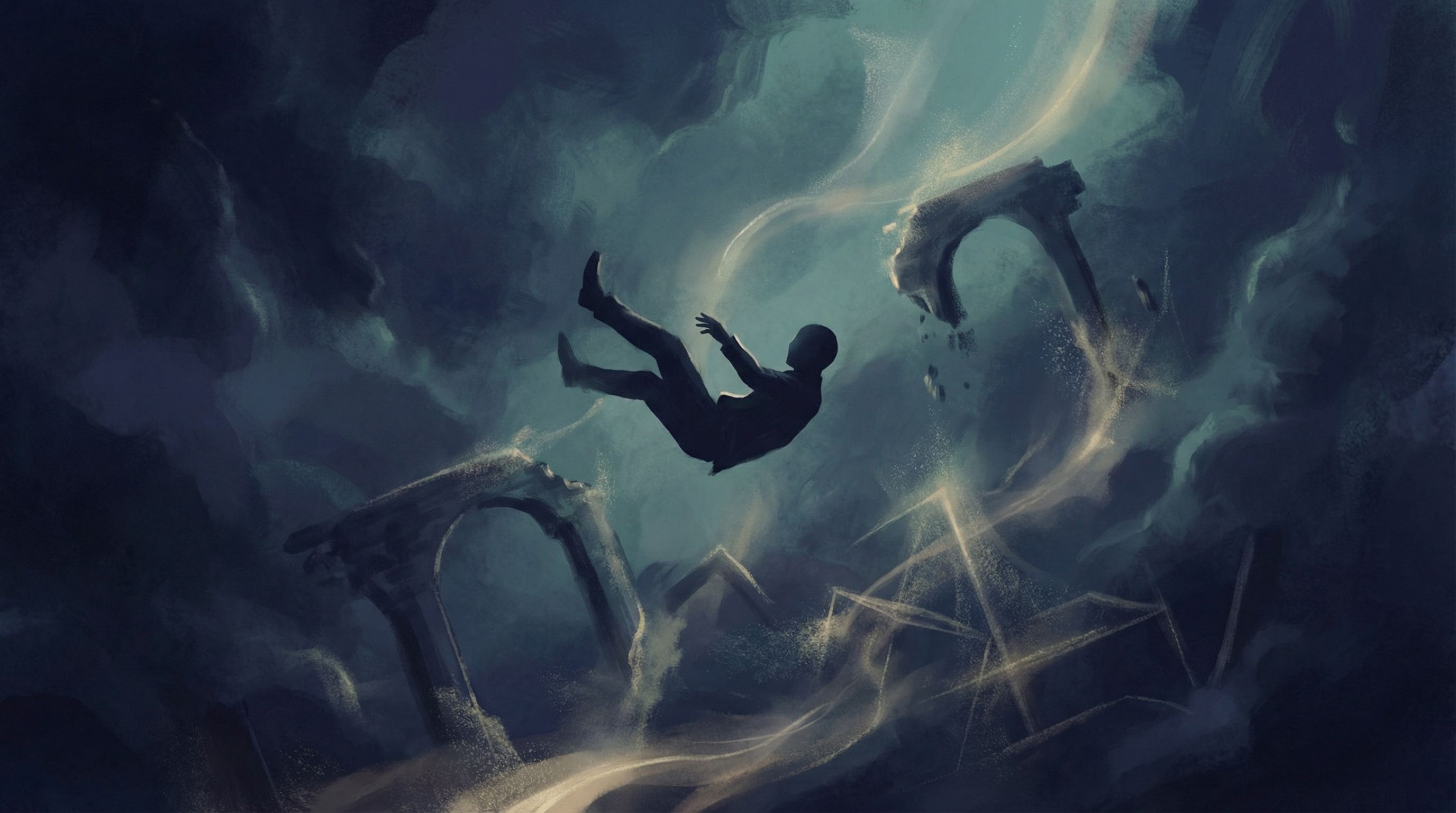
Sometimes, the flight is so intense that it leads to a feeling of paralysis at the moment of waking. If you have ever felt this, know that it is a moment of brutal transition. In fact, I have written some thoughts on Sleep Paralysis: A Confrontation with the Guardian of the Threshold, because that is often where the flight stops dead, forcing us to face our inner demons.
Here are a few paths to decode your own race:
The pursuer is invisible: You are likely fleeing a generalized anxiety, a fear of the future, or a diffuse sense of guilt. This is the fog of the mind.
You are fleeing a small animal: As in the case of Dreaming of Mice, this often shows that you are overwhelmed by small daily details—"micro-fears" that, once accumulated, end up haunting you.
Your legs won't respond: This is a sign of conflict between your desire to act and your deep-seated doubts. You want to leave, but a part of you believes you don't have the strength.
Honestly, interpretation is never an exact science. What matters is not the dictionary; it is what YOU felt the moment your feet hit the floor upon waking. Were you relieved? Disappointed? Still terrified?
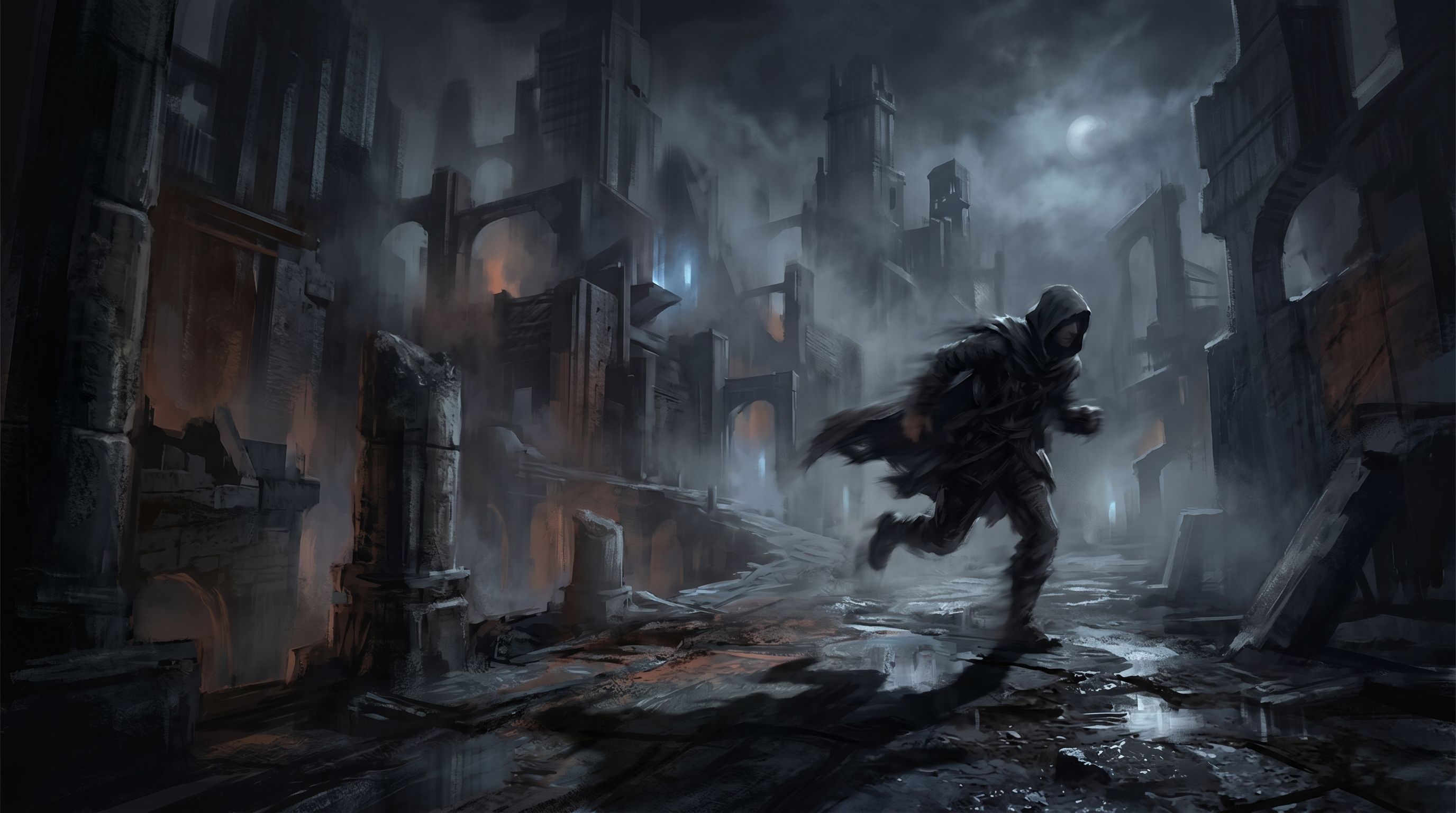
Your dreams are not death threats; they are messages of life. They show you the path to your own liberation. The next time you find yourself running through that dark alleyway of your subconscious, try to remember my words: what if, instead of running faster, you simply tried to slow down? Fear hates it when we stop to observe it.
Have you ever noticed the silence in these nocturnal races? It is a detail that many dreamers forget to mention, yet it chills me every time I taste it. There are no birds singing, no wind rustling through the leaves, only the heavy, rhythmic thud of your own heartbeat drumming in your ears. This absence of external sound is not a mere technical glitch of your sleeping brain; it is a profound psychological focus. Your psyche is stripping away the noise of the world to force you into an intimate, almost claustrophobic face-to-face with your own stamina. When the world falls silent, you are left with nothing but your own breathing—sometimes shallow, sometimes desperate. It is a reminder that the chase isn't happening out there in the woods or down those dark, unfamiliar alleys. It is happening entirely within the confines of your chest, demanding that you listen to the cadence of your own anxiety.
I often hear from dreamers who are exhausted by the endless demands of their careers or societal expectations. They dream of fleeing, but feel immense guilt upon waking, as if they had failed some unspoken test of courage. I find this judgment incredibly harsh. Sometimes, running away in the night is your soul's only way of staging a strike. When you find yourself fleeing what feels like a chaotic warzone, it is not cowardice; it is a primal refusal to participate in a conflict that does not serve you. It is quite similar to the exhaustion of navigating a chaotic battlefield where you realize the war isn't even yours to fight. By running, your subconscious is quietly withdrawing its consent from a toxic situation. It is a desperate, beautiful attempt to preserve your remaining energy before the waking world drains it completely.
There is a beautiful, albeit terrifying, paradox in some of these chases. What if the entity pursuing you isn't a monster at all, but your own potential? I once met a young woman who was constantly chased by a blinding golden light. She ran from it as if it were a wildfire, seeking shelter in the claustrophobic safety of a cold bunker buried deep underground. She was terrified of what that light demanded of her: a complete reinvention of her life, a terrifying leap into her creative calling. We often run from our greatness because mediocrity is so comfortably predictable. The ego fears change more than it fears stagnation. When you run, ask yourself if you are truly escaping a threat, or if you are simply trying to delay the inevitable moment of your own blossoming. Sometimes, the most terrifying thing to face isn't our darkness, but our own radiant, untamed light.
If you feel that these nightly chases are wearing you out and you would like to keep a trace of these shadows to better tame them, you could start noting every detail of your pursuers in Midnight Mind; it is an excellent way to transform an anonymous fear into a symbol you can finally collect and understand.