The Fear of Missed Opportunity: A Modern Mirage?
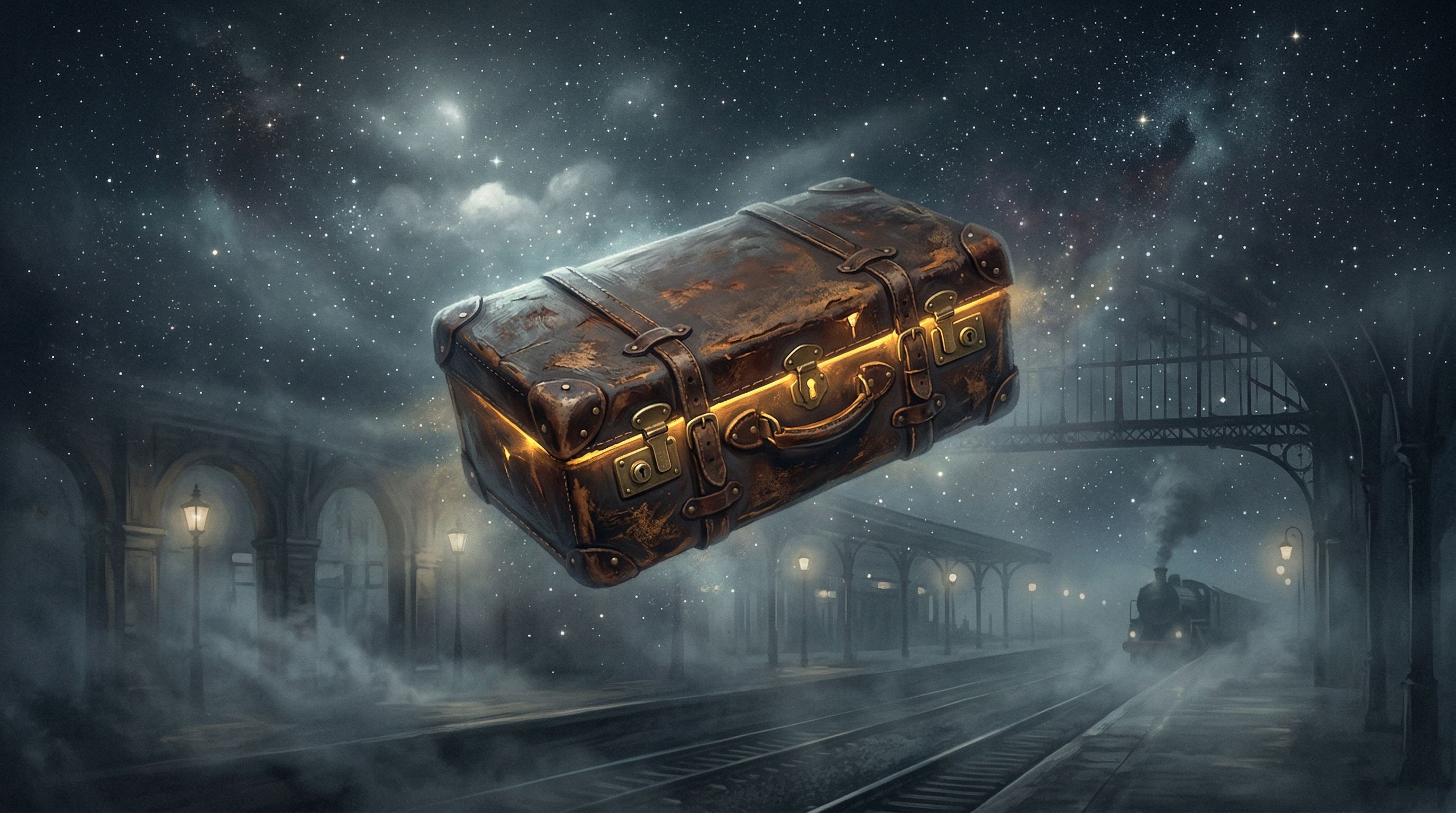
It often saddens me to see how many simplistic psychology manuals claim that missing a train automatically means you are failing in your professional life. This interpretation is far too narrow for the vast landscape of your mind. In the collective unconscious, the train represents a shared trajectory—a destiny we board alongside others, following a pre-set track.
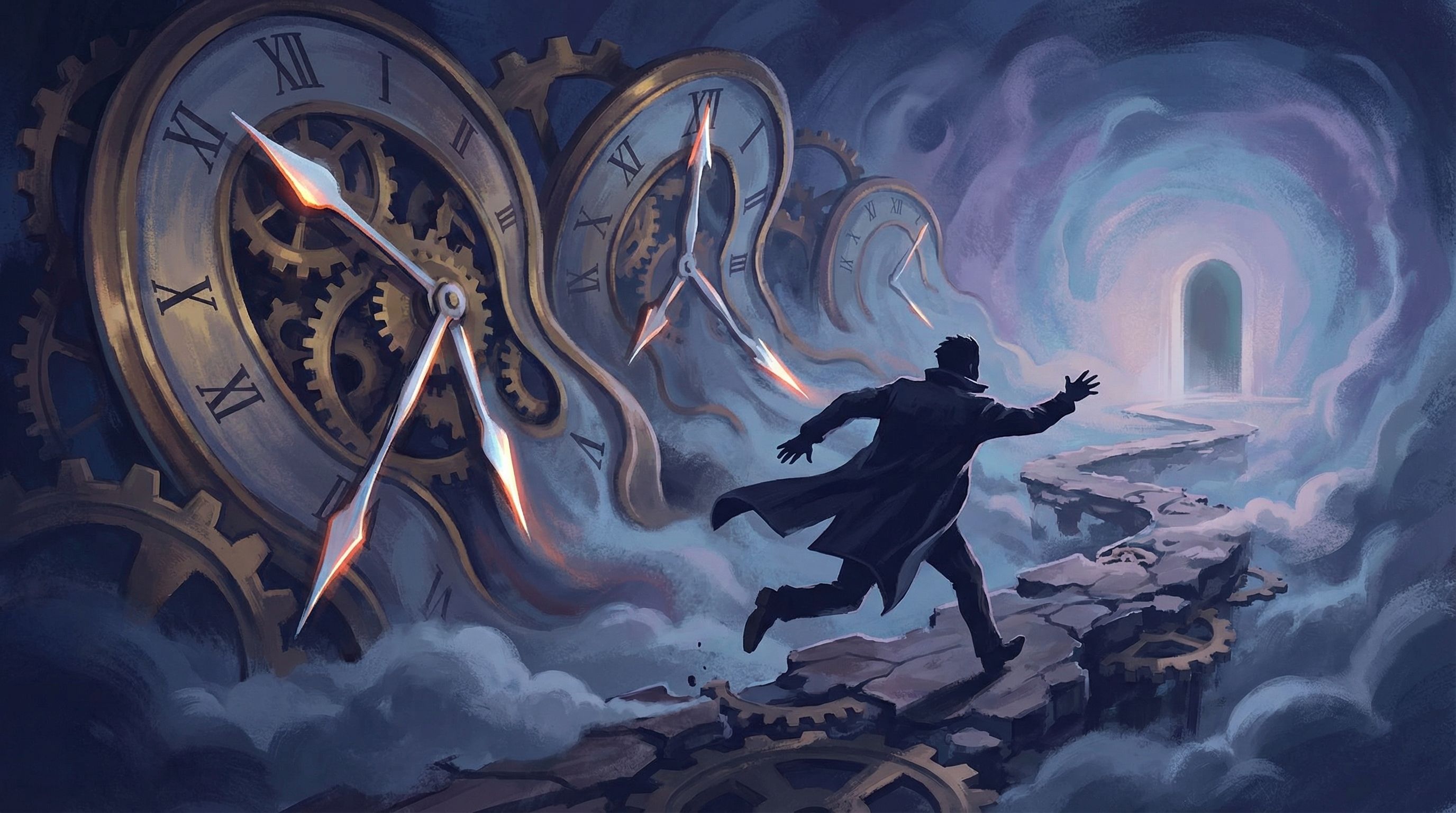
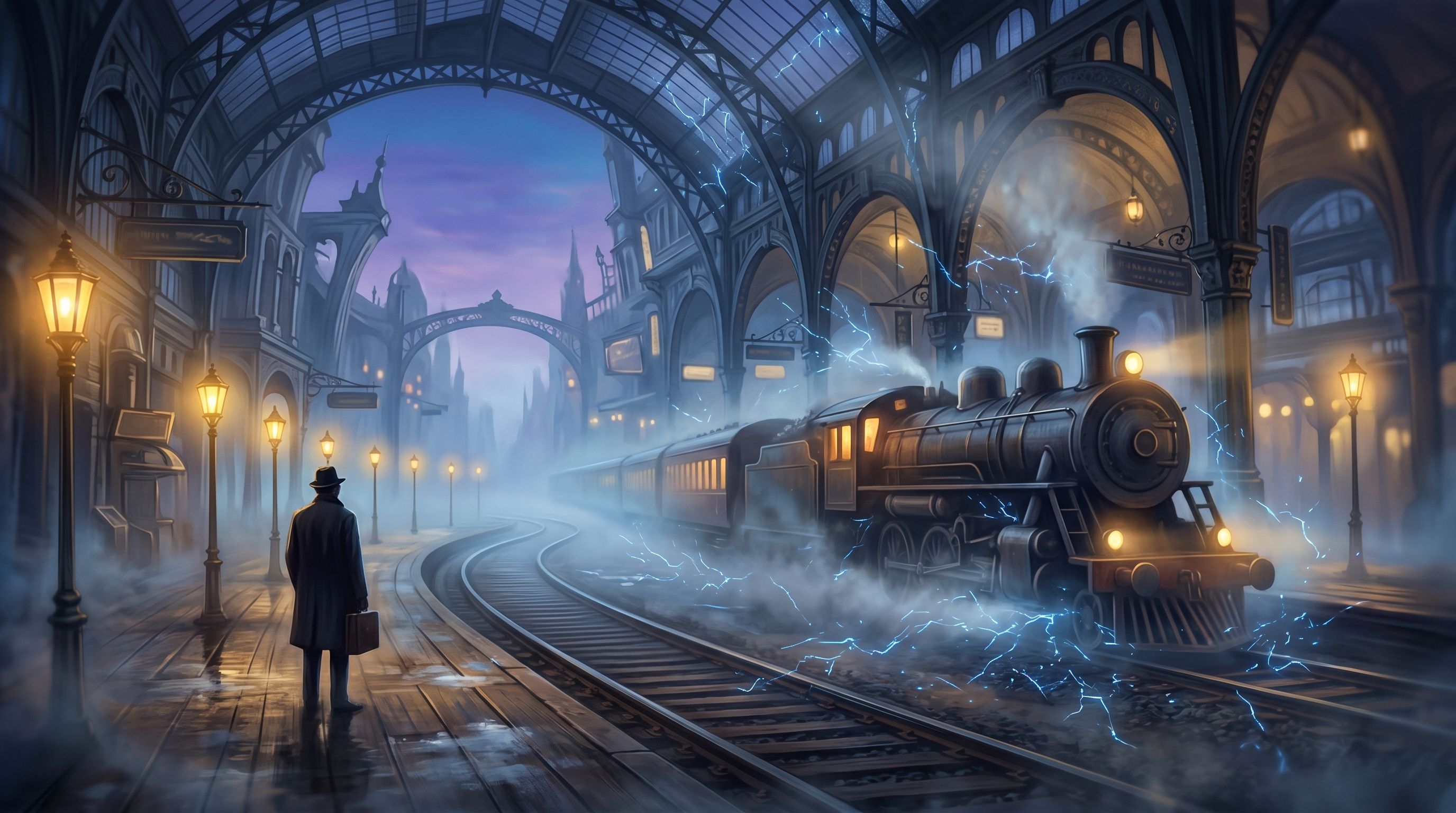
When you dream of arriving on the platform just as the doors slide shut, that immediate feeling of emptiness is profound. You feel as though you have remained frozen in the past while the rest of the world moves forward without you. But I want you to ask yourself, with the raw honesty of a dreamer in the middle of the night: this opportunity you are so afraid to miss—is it truly yours?
I once encountered a dreamer who repeatedly missed the same train to a gray, industrial city. He would wake up drenched in sweat, terrified by his "failure." In reality, his mind was screaming that he had no desire to go there. The train was speeding toward a life that didn't suit his spirit. Sometimes, your subconscious uses the symbol of missing the train as a gentle defense mechanism.
It is its way of saying: "Wait, think about it. Why are you running so fast to board a carriage where you will be miserable?" This dream is intimately linked to the anxiety of passing time. If you often feel rushed, you might find similar themes when fish, which can represent the fluid, sometimes slippery nature of your emotions and goals.
---
Deconstructing the Scene: The Weight of Luggage and the Station
In my work as a Baku, I never settle for the surface of a dream. What interests me are the subtle details surrounding that missed departure. They are the spices that give your nightmare its unique, personal flavor.
The symbol of luggage is particularly fascinating. If you miss your train because your suitcases are too heavy or because they burst open in the middle of the crowded platform, the message changes radically. It is no longer a question of timing; it is a question of burdens.
What are you carrying that prevents you from moving forward? Is it an old grudge, a suffocating need for perfection, or perhaps a fear of the unknown? The weight of the past is often what stops us from seizing a new opportunity. You are trying to board the future while carrying all the heavy furniture of your old life, and naturally, it won't fit through the narrow carriage door.
🌙 Yume’s Echo: Sometimes, the platform is the safest place to be when the train is heading toward a storm you aren't ready to face.
The state of the station also holds a key to your internal state:
- A labyrinthine station: If you are lost in corridors, it symbolizes confusion about your goals. You want to move, but you haven't chosen a destination.
- An empty, silent station: This suggests that solitude or a feeling of social isolation is at the heart of your current anxiety.
- A chaotic departure: If the train leaves amidst fire or noise, your subconscious might be showing you that the path you were about to take was actually dangerous for your well-being.
---
Concrete Example: The Wrong Destination
Imagine a dreamer who consistently misses a high-speed train heading to a prestigious corporate office. In the dream, they feel a sense of devastating failure. However, upon deeper reflection during their waking hours, they realize they actually crave a creative, slower-paced career.
The "missed" train wasn't a failure of character; it was their subconscious protecting them from a path that would have led to certain burnout. By staying on the platform in the dream, they finally had the quiet space to look at the map and realize there was a smaller, more scenic path leading exactly where their heart actually wanted to go.
---
The Baku’s Message: Giving Yourself Permission to Stay
If this dream returns to haunt your nights, please do not see it as a threat or a bad omen. Instead, see it as a hand placed gently on your shoulder, asking you to breathe. The world does not stop turning because one train has left the station. There will always be others.
Or perhaps, you will discover that you prefer traveling on foot, or even staying right where you are to contemplate the landscape for a while. Some specialists in dream psychology suggest that these dreams occur most frequently during major life transitions, where the "old you" is hesitant to board the vehicle of the "new you."
My advice to you is simple: the next time you wake up after missing a train, do not rush into your day with a sense of guilt. Breathe. Note the details. Who was with you on the platform? Was it a familiar face? Sometimes, the people we encounter in our dreams hold the key to our waking frustrations.
Just as a pig might point toward hidden desires or a need for abundance, the missed train points toward your relationship with time. If you want to keep a record of these faces and feelings haunting your imaginary stations, you can use the tools available to you.
Remember, little dreamer: the important thing is not to catch every single train that passes by, but to eventually board the one that will lead you toward your own light. And if you stay on the platform this time, it is perhaps simply because you need to savor the silence before your next great departure.
If you want to explore your dreams more deeply, your Baku is waiting for you.
Have you ever noticed the violent screech of the tracks in these dreams? It is never a quiet departure. That shrill, metallic cry of the wheels and the low rumble shaking the concrete platform under your soles—your body registers this long before your mind does. In my centuries of watching over night-terrors, I have observed that this physical jolt is often a direct echo of your waking nervous system. Your chest tightens because you are living in a permanent state of emergency. When you miss that train, the sudden silence that follows the roar of the engine is actually a sanctuary. It is a biological pause button. Just like dreaming of being late to a crucial appointment, the panic isn't about the clock; it is your physical self begging for a moment to simply breathe without the pressure of a destination.
Frankly, it tires me to see how modern dreamers treat train timetables as if they were sacred laws written in the stars. We have built a world where missing a metal box on wheels feels like a spiritual tragedy. In older, wiser traditions, refusing to force your way onto a moving carriage was seen as a preservation of your life-force, a quiet alignment with the natural flow. A train moves on fixed, rigid tracks—it cannot deviate, it cannot explore the valleys. When you are left behind on the platform, you are suddenly granted the freedom of the unpaved path. You can walk, you can linger, you can even climb a nearby hill to see where the tracks actually lead. The station is not a prison of failure; it is the starting point of your own unmapped journey.
There is a subtle melancholy in these dreams that we rarely talk about: the quiet grief of letting go of a version of yourself you thought you would become. I once watched a dreamer weep on a phantom platform, not because she missed her train, but because she realized she no longer wanted to go where it was heading. She was mourning her own expectations. It takes immense courage to stand still and watch a future you spent years planning speed away into the fog. If you find yourself weeping on that platform, let the tears flow. It is a necessary mourning, a gentle release similar to sitting beneath a weeping willow while the storm passes. By letting that train leave without you, you are finally making space for a destination that belongs to who you are today, not who you were yesterday.