The Texture of Laughter: Between Emotional Release and the Protective Mask
In my world—the realm of the immaterial and the felt—laughter is far more than just a sound. It is a vibration, a wave that ripples through the fabric of your sleep. You might have heard old superstitions claiming that laughing in a dream predicts tears in reality, but I invite you to look deeper. Your mind is a complex garden, and every burst of joy has a specific root.
Laughter is, above all, an instrument of lightness. It often visits you when your daily life has become too heavy, saturated with responsibilities or emotions you haven't yet voiced. It is much like a butterfly: an invitation to emerge from the chrysalis of your worries and rise above the fray for a moment. If you see yourself laughing out loud in a situation that should frighten you, it is because your soul has decided to defuse the bomb. You are telling your stress that it no longer has a hold over you.
However, I have noticed a subtler nuance in some dreamers. There is a "protective laughter" used to avoid facing a stinging truth. Is it a moment of authentic joy, or a way to put distance between yourself and a painful emotion? I once watched a dreamer laugh during her own funeral; it wasn't cynicism, but her way of transforming the unbearable into something she could finally carry. Your subconscious is a poet that uses irony to shield you from a sudden shock.
---
The Social Mirror: Laughing With Others or Facing Derision
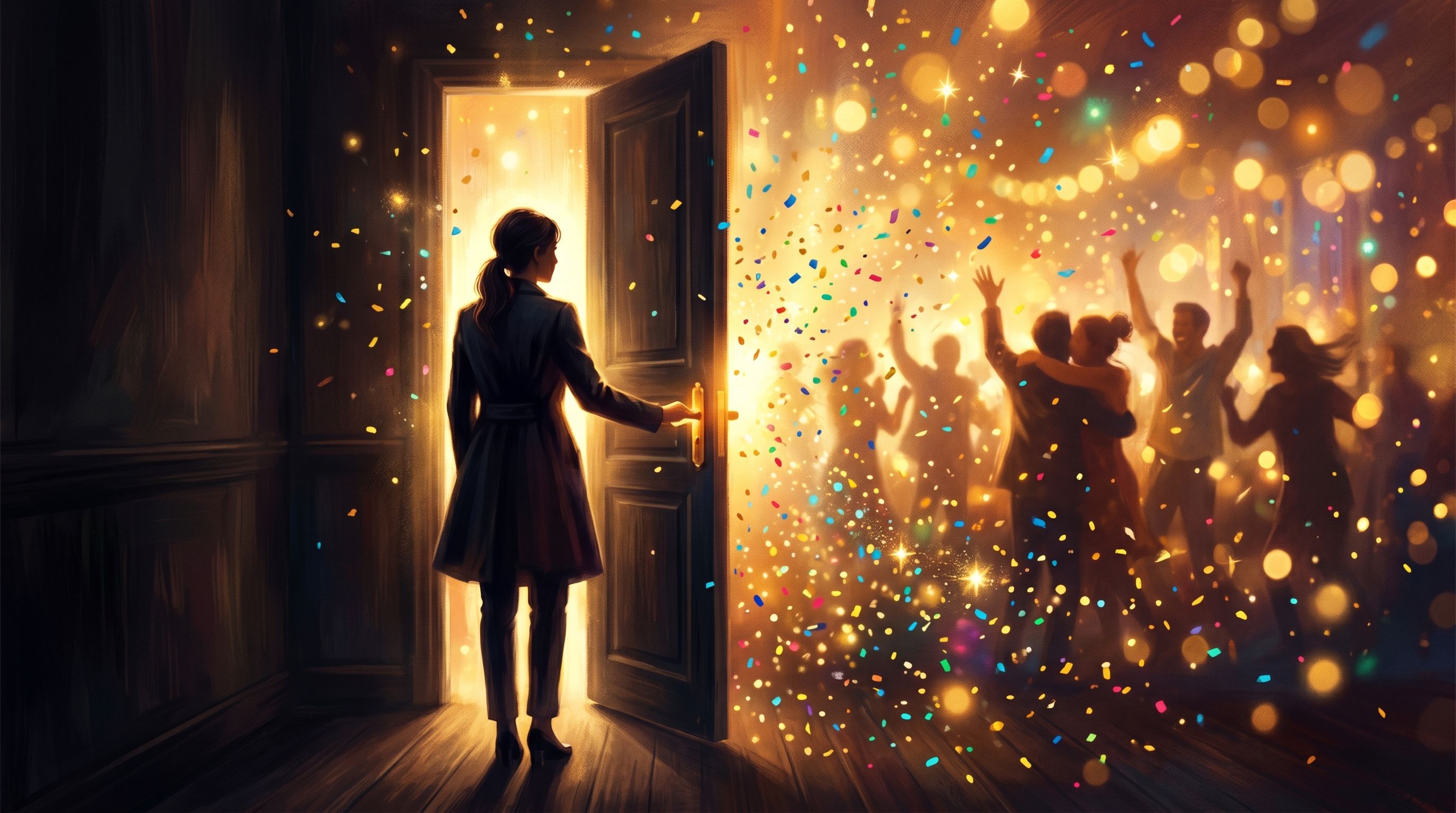
The social dimension of dreaming about laughter is a fascinating reflection of your inner world. Laughing alone in a field of flowers feels entirely different than laughing in the middle of a crowded room. If you share a fit of giggles with someone, it is often a sign of a deep, rediscovered harmony or a longing for connection. It can even evoke a sense of celebration, similar to the collective joy found when a wedding.
But what happens when the laughter feels sharp? To mock someone in a dream is often to point a finger at a part of yourself that you currently reject. That "other" person might just be a mirror of your own insecurities. Conversely, being the target of laughter can reawaken old wounds of exclusion.
🌙 The Echo of Yume : Laughter is the shortest distance between two souls, even when those souls are just different versions of yourself wandering through the night.
In the theater of your mind, you are the audience, the actor, and the director all at once. If others are laughing at you, perhaps your spirit is inviting you to stop taking yourself so seriously. It might be time to shed that armor of perfection that weighs you down so heavily in your waking hours.
---
When Laughter Becomes a Message of Healing and Resilience
I would always rather encounter a nightmare that ends in a burst of laughter than a dream that remains dull and grey. Laughter possesses the unique ability to "cleanse" the unconscious. It is an alchemical process where you transform the lead of your anxieties into the gold of derision.
Some specialists in sleep psychology suggest that these dreams are a form of emotional regulation. By laughing at the absurd or the scary, your brain is practicing how to handle stress. If you wake up with a smile, even if the dream seems nonsensical, welcome that feeling without over-analyzing it. Sometimes, your mind simply needs a vacation from the pressures of performance.
A Concrete Example of Dream Laughter
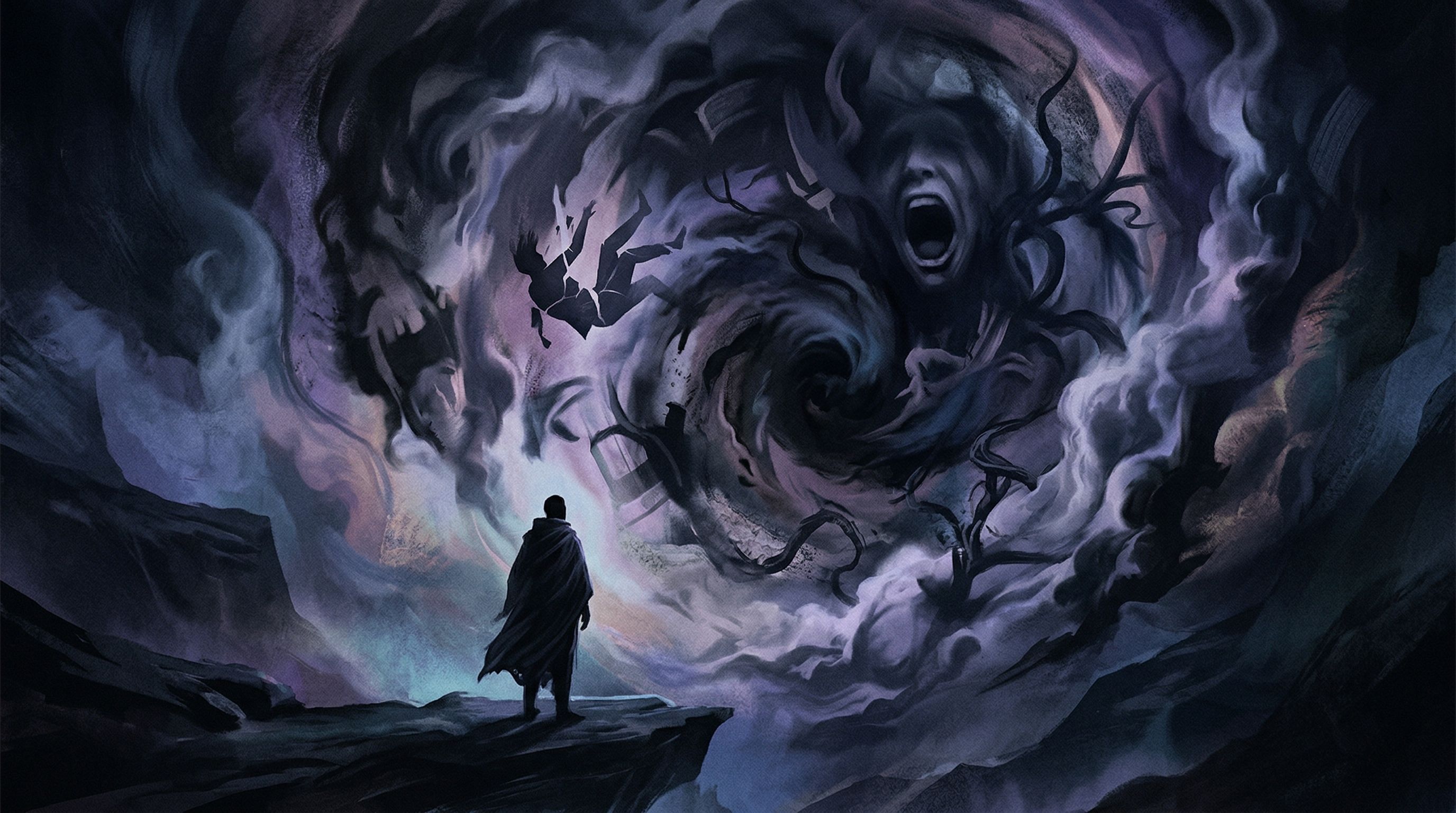
Imagine you are being chased by a giant, terrifying shadow. Just as it corners you, the shadow trips over its own feet and turns into a pile of colorful balloons. You begin to laugh uncontrollably.
In this scenario, your subconscious has taken a source of intense anxiety (the shadow) and used humor to strip it of its threat. This isn't just a random occurrence; it is a sign that you are developing the resilience to face your real-life fears with a new perspective. You are learning that even the darkest shadows can be deflated.
---
Embracing the Joy of the Inner Child
If you have had this kind of dream recently, my advice is not to dissect it too harshly. Let it steep like a cup of tea. Simply ask yourself: "When was the last time something made me laugh sincerely while I was awake?"
If the answer takes a while to come, your dream is a friendly reminder. It is time to bring a little more play and spontaneity back into your existence. Life is not just a series of problems to be solved; it is also a dance—sometimes clumsy, but always vibrant.
The messages I gather every night prove that laughter is the highest form of resilience. It is a small light that you kindle yourself within the cave of your subconscious. It is the voice of your inner child, the one who still knows how to marvel at the world and find joy in the present moment.
If you want to explore your dreams and these shards of joy more deeply, your Baku is waiting for you.
Have you ever woken up with the physical echo of a giggle still vibrating in your throat, only to find your bedroom completely silent? This somatic crossover is one of my favorite mysteries. When a dream laugh spills over into your physical body, it bridges the gap between your sleeping consciousness and your waking flesh. It is a sudden rush of oxygen, a warm spasm in the chest that defies the heavy paralysis of sleep. Some modern dream dictionaries—which frankly irritate me with their rigid, cold definitions—overlook this beautiful bodily response. They treat dreams as mere text to be decoded, ignoring the fact that your soul sometimes just wants to dance. This physical release is as light and liberating as dreaming of clouds drifting across an open sky. Your nervous system is shaking off the dust of accumulated tension, letting you know that despite whatever weight you carry, your body still remembers how to breathe.
In the ancient temples of my memory, I recall sages who believed that the ultimate spiritual awakening is not a solemn silence, but a profound, belly-shaking laugh. There is a sacred absurdity to our human struggles. When you laugh in a dream, your higher self might simply be appreciating the cosmic joke of your waking worries. It is the archetype of the trickster at play, much like the bittersweet wisdom we encounter when dreaming of a clown who weeps behind a painted smile. I often wonder why we treat our spiritual lives with such heavy-handed gravity. Your subconscious knows that your ego—the part of you that plans, frets, and builds high walls—is ultimately a fragile construct. By laughing at the bizarre theater of your night-terrors, you dissolve the illusion of their power. You realize that the monsters chasing you are just puppets, and you are the one holding the strings.
I once met a dreamer who had recently lost his brother. He came to me exhausted, terrified of his own mind because he kept dreaming of fits of hysterical laughter during the most somber family moments. He felt immense guilt, convinced he was cold or losing his sanity. But the unconscious does not obey the polite rules of mourning. In times of profound grief, laughter is often the soul’s desperate gasp for oxygen. It is not a betrayal of your sorrow; it is a life raft. When the weight of loss threatens to crush you, your mind uses these unexpected bursts of humor to keep you from drowning. It is a reminder that joy and pain are not enemies, but sisters who often hold hands in the dark. If you find yourself laughing amidst your tears, do not turn away in shame. Your spirit is simply keeping the pilot light of your vitality burning until you are ready to step back into the sun.