The laughter that rings hollow: A story of dissonance
Sometimes, when I approach a dreamer to lift the weight of a nightmare, I catch a specific flavor—a bit bittersweet. It’s often the scent of the clown. What fascinates me about this symbol is its total ambiguity. In the waking world, we expect him to make us laugh, but in the world of dreams, he becomes the guardian of our deepest discomforts.
Honestly, it irks me a little to read here and there that dreaming of a clown is necessarily a sign of a phobia or some movie-related trauma. It is so much more subtle than that. The clown is the archetype of performance. Do you feel, lately, as though you have to force a smile during social or professional gatherings?
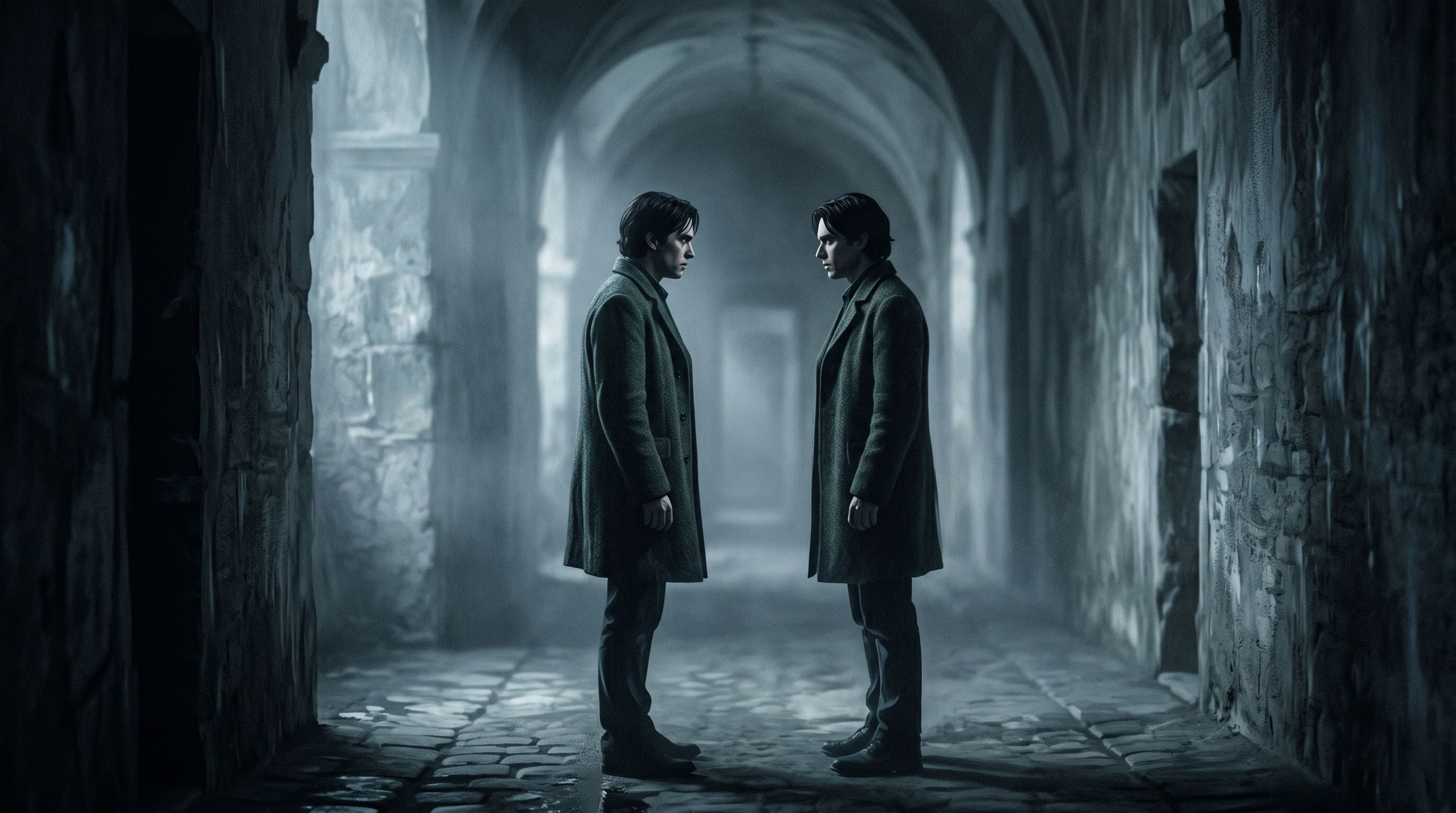
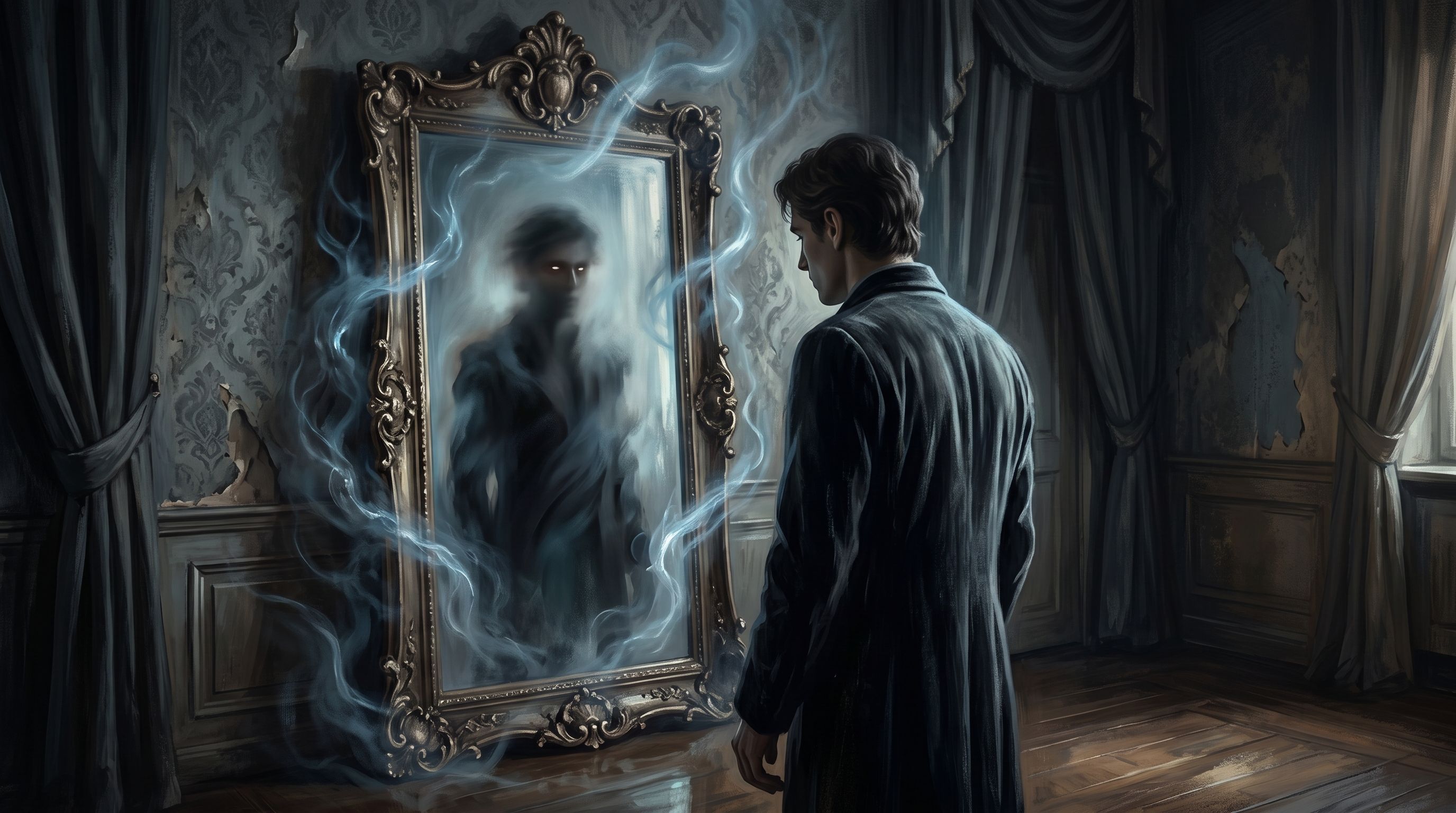
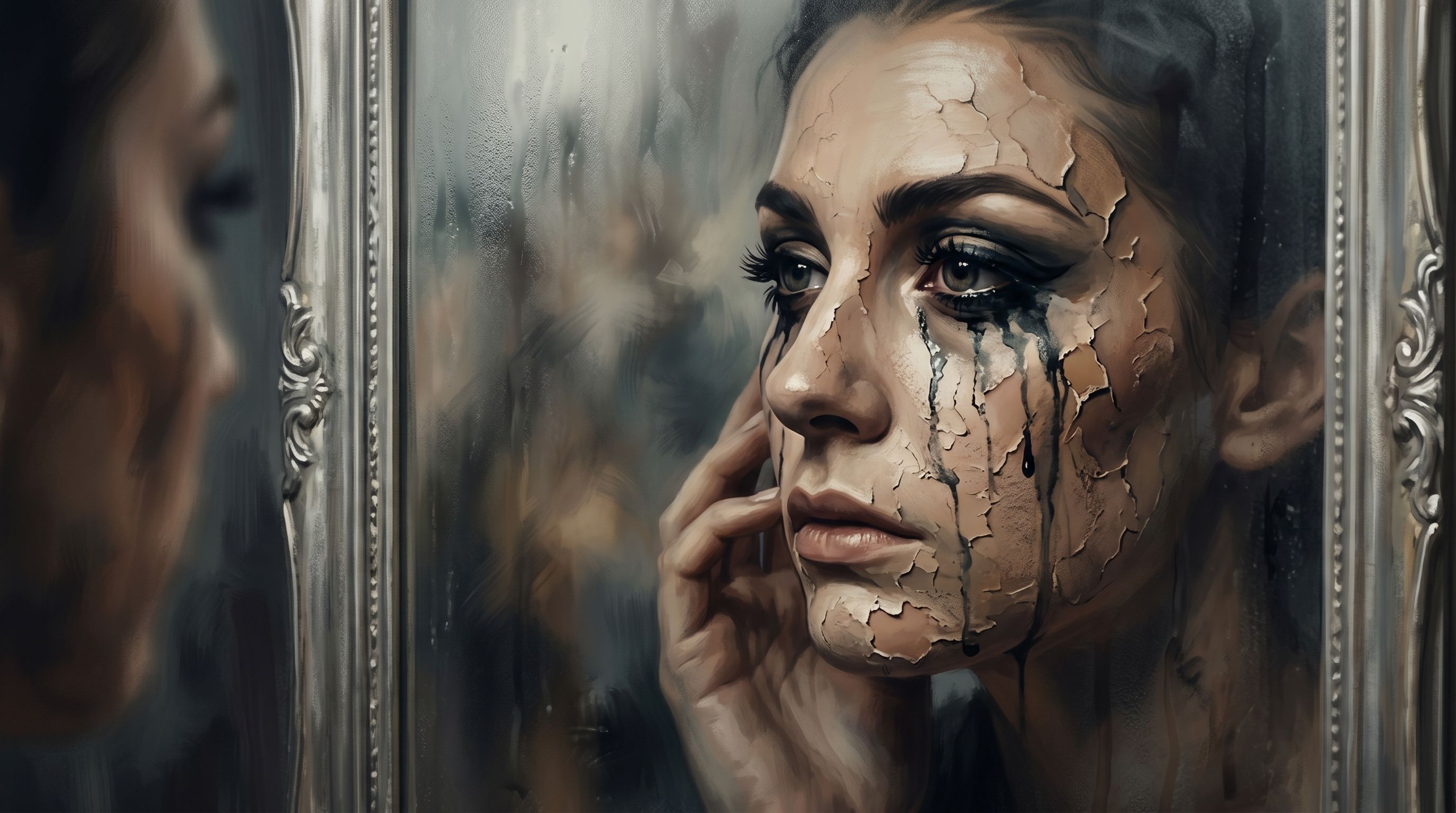
The clown appears when there is a disconnect between what you feel and what you show. He is a mirror image of our emotional fatigue. If the clown in your dream is sad or motionless, it might be your own exhaustion looking back at you. He is telling you: "Look, I wear these bright colors so that no one sees the dark circles under my eyes." It’s an invitation to be gentle with yourself—a request from your subconscious to stop putting on a show, if only for an hour.
Behind the paint: The quest for truth
I sometimes talk with dreamers who describe menacing clowns. Rather than seeing a real threat, I like to see it as a warning against insincerity. The mask of white paint is a barrier. Just like when we dream of wearing a mask, the clown questions our identity. Who are you when the lights go out and the audience goes home?
I remember a dreamer, a very serious man, who constantly saw a clown juggling sharp objects in his living room. He was terrified. But by digging a little into the fabric of his nights, we understood that this clown was his own creativity, which he had smothered under tons of responsibility. The clown was "dangerous" because the element of madness and play he represented threatened the overly rigid order of his life.
The clown reminds us that life is a tragi-comedy. He is the one who has the right to fall, to make mistakes, to be ridiculous. If your dream brings you face-to-face with this character, ask yourself: What part of me is afraid of being judged? What clumsiness do I not dare to own? Sometimes, wisdom simply consists of accepting being the "court jester" of your own existence—the one who has the right to fail without the world falling apart.
The nuances of the costume: From celebration to nightmare
I’m really not a fan of rigid interpretations that say "Red clown = anger" or "White clown = mourning." The subconscious is a much more complex painter than that. The meaning changes radically depending on the atmosphere of the dream.
If the clown is benevolent, he might be a spiritual guide in disguise—someone teaching you not to take yourself too seriously. He shows you that even in chaos, one can find a form of beauty. But if he is grimacing, he is pointing a finger at a hypocrisy you are enduring or practicing. It might be an overly sweet colleague, or a friend whose words don't quite align with reality.
A dream is a coded message, a piece of nocturnal poetry. The clown is merely the actor your mind has chosen to stage your doubts about sincerity. There is no threat, only a mirror—perhaps a bit too colorful, a bit too large—that forces you to look at what you are trying to hide under a layer of social makeup.
Take the time to breathe when you wake up. Visualize this clown and, instead of running away, imagine you are handing him a wipe so he can clean his face. What remains underneath? It is often there, in the nakedness of the rediscovered face, that the key to your peace is hidden. Your dreams are allies, even when they wear shoes that are too big and a red nose.
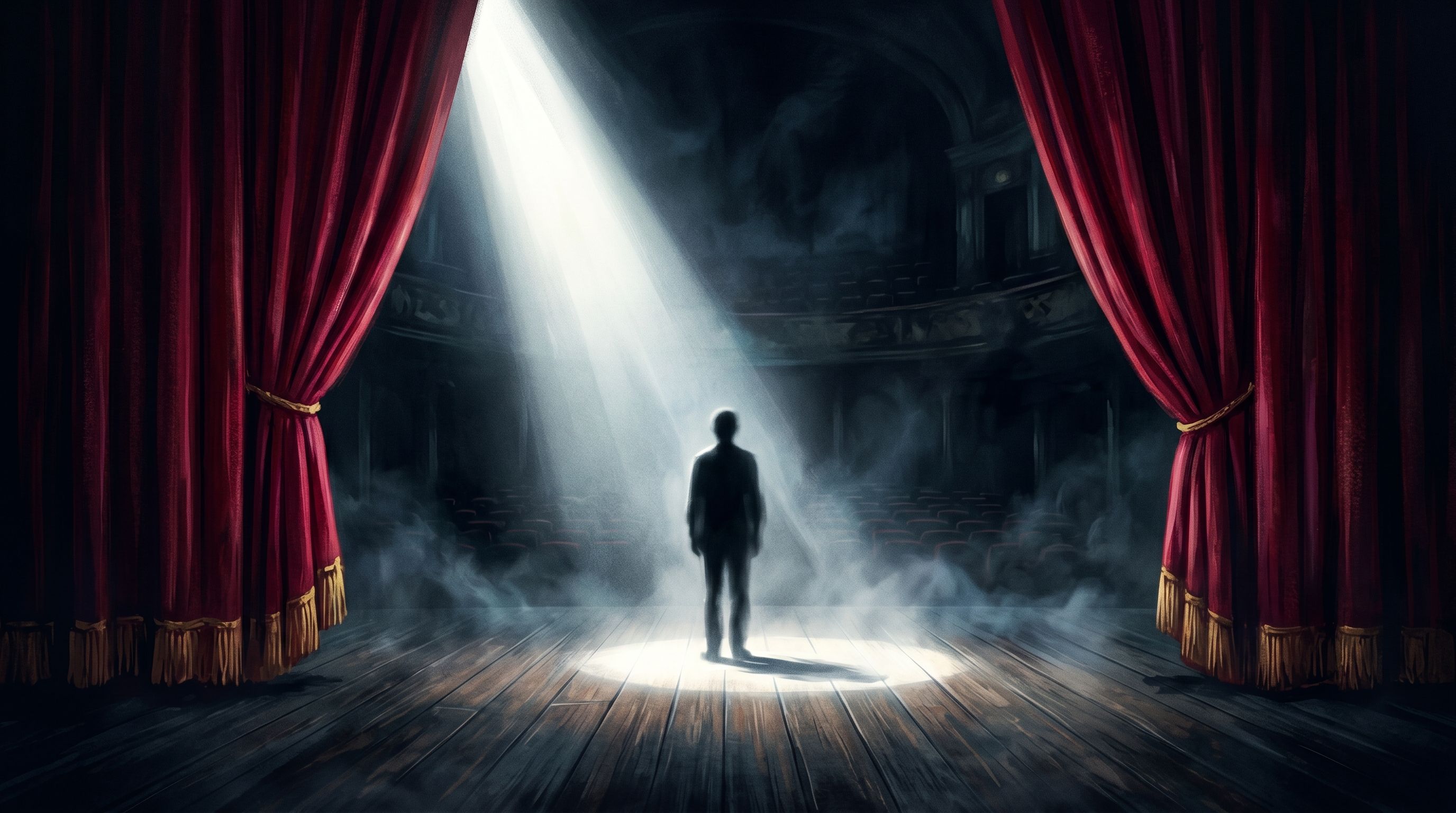
Have you ever noticed how quiet these dreams can be? It is rarely a bustling, noisy circus. More often, it is a suffocating silence, broken only by the squeak of oversized shoes or a wet, heavy sigh. Or perhaps, most unsettling of all, you hear the distant, hollow echo of joyless laughing reverberating through a corridor where no one else stands. In my long walks through the dreams of weary souls, I have found that this auditory distortion is the mind’s way of highlighting your isolation. You feel as though you are performing in a theater with no audience, or worse, an audience that laughs at your genuine pain. It is a sensory alarm, a gentle nudge from your sleeping mind whispering that you have spent too long pretending everything is fine while your inner world grows quiet and cold.
I often wish we could step away from the modern, cinematic dread of the 'scary clown' and look toward older, wiser traditions. In some ancient cultures, the clown was a sacred figure—the contrarian, the one who does everything backward to show us our own absurdities. They were healers, not monsters. When a clown disrupts your dream landscape with chaotic energy, it might not be an attack, but a necessary disruption of your overly structured ego. If you have been clutching a fragile sense of control, trying desperately to wear a perfect social mask to protect your status, this dream-jester arrives to knock over your neatly arranged blocks. It is a spiritual medicine, albeit a bitter one: by forcing you to face the ridiculous, the dream is asking you to release your grip on perfection and find peace in your beautiful, messy humanity.
I once watched over a dreamer, a young mother, who kept dreaming of a mime trapped in a small, invisible glass box, frantically trying to paint a smile on her own face. She woke up crying every time, feeling suffocated. When we looked past her fear, she realized the mime was her own desperate attempt to remain the 'happy, perfect parent' for her children while her marriage was quietly unraveling. She felt she had no right to show her grief. This is the tragic weight the clown carries in our nights. It is the exhaustion of the caregiver, the friend who must always be the 'funny one,' or the leader who cannot show weakness. If you find yourself in this painted skin during your slumber, please hear this: it is entirely safe to step off the stage. You do not owe the world a performance.
If these nocturnal reflections continue to leave you with questions, you can explore the mysteries of your nights and preserve your visions in Midnight Mind, where every symbol becomes a piece of your own inner puzzle.