Borrowing Identity: A Dress Rehearsal in the Mind’s Theater
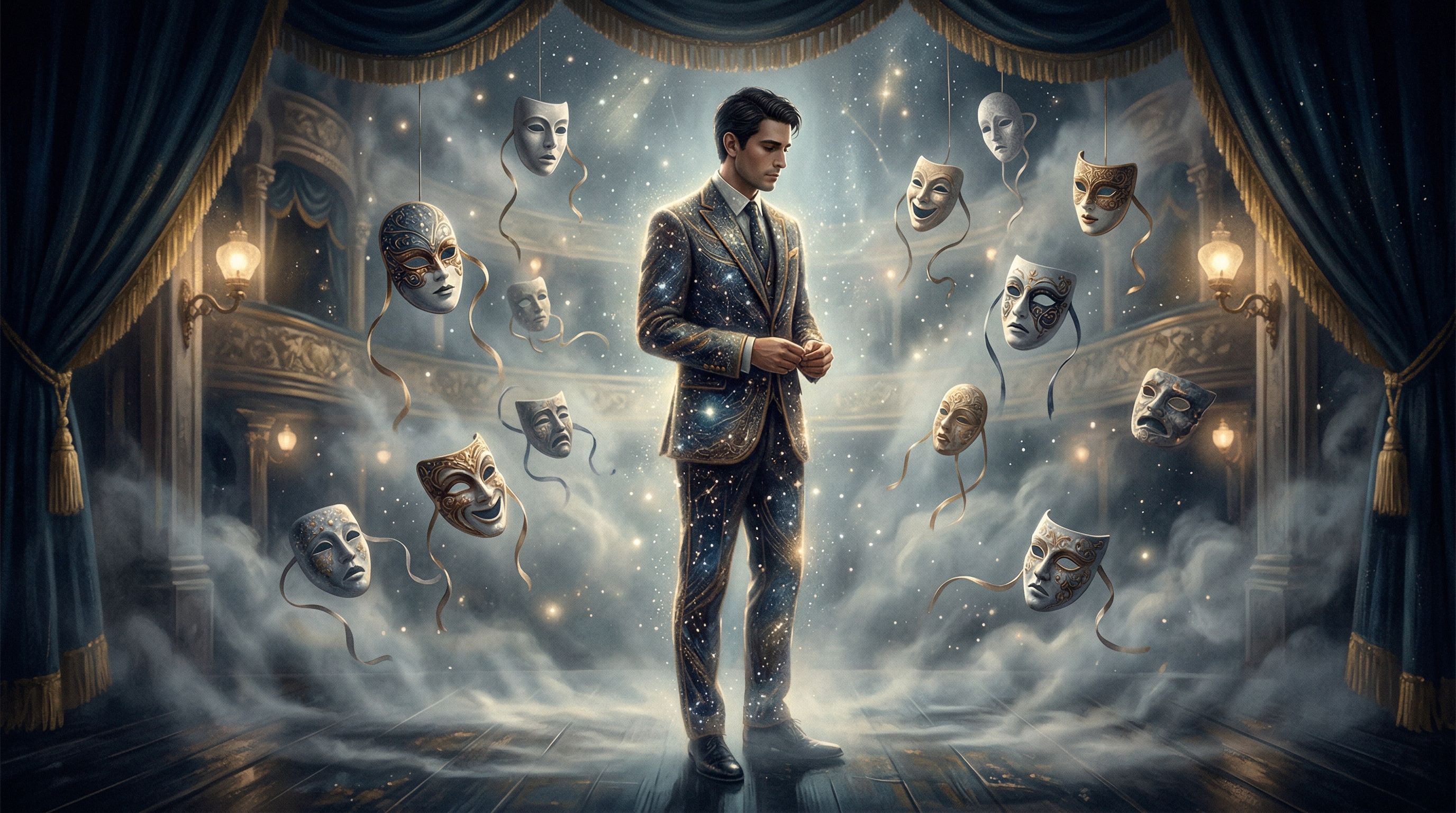
I find it fascinating to see how deeply we are attached to our appearances. In the waking world, your clothes are your armor, your signature. But in my realm, the boundaries are porous. To wear another's clothing is a bit like inviting yourself into an internal theater where you are both the actor and the audience.
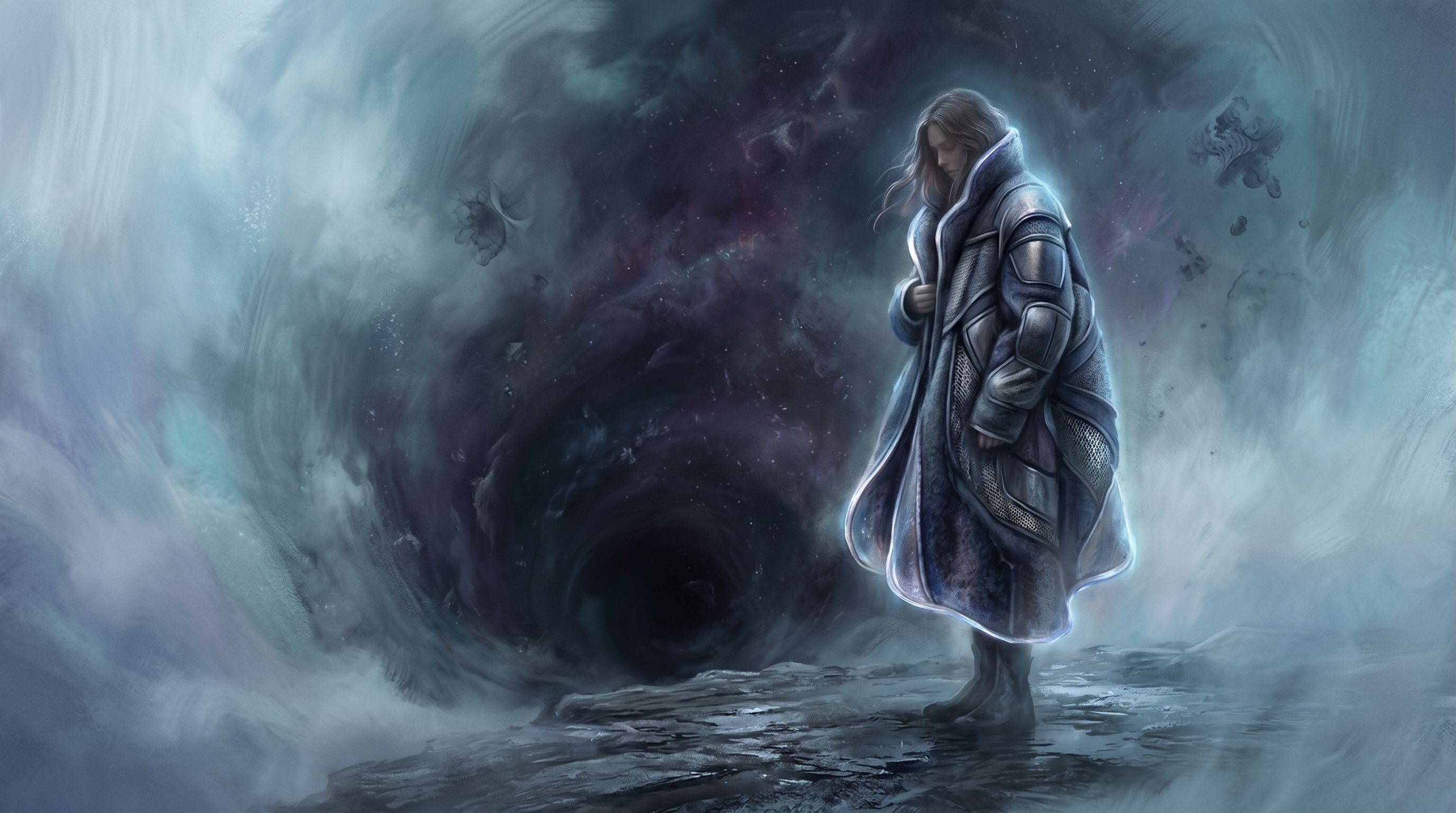
Truly, this symbol has fascinated me for years. It is almost never an act of theft; it is a quest for the self through the lens of another. If you wear a mentor’s coat, perhaps you are seeking reassurance about your own skills. If it is a friend’s dress—one you find more daring than your own—your mind is simply trying to tame that boldness for itself. I once heard a dreamer tell me they were wearing their father's shoes—giant boots they kept tripping over. This wasn't an attack, but rather the weight of a legacy they felt obligated to carry.
The dream is a playground. By slipping into these clothes, you ask yourself: "What if I were them?" It is a form of gentle metamorphosis. Sometimes we feel cramped, other times we float in fabric that is far too wide. This says a lot about the space you currently allow yourself in your waking life. Are you trying to fill a role too big for you, or are you hiding behind an identity that doesn’t do you justice?
The Weight of the Costume: When the Role Becomes a Burden or a Shield
I must share a secret with you: I am not a fan of dream dictionaries that claim borrowed clothing always signifies betrayal or a lack of confidence. It is much more subtle than that. Everything depends on how you felt when you touched that fabric.
If the clothing is heavy, dusty, or itchy, you are likely carrying a responsibility that doesn't belong to you. I often see this in those who forget themselves for the sake of others. You might feel as though you have to maintain a facade, as if you were stuck in an endless dressing room, forced to change outfits to please every person you meet. It’s exhausting, isn't it? My role as a Baku is to devour that fatigue so you can see the truth: you have every right to take that costume off.
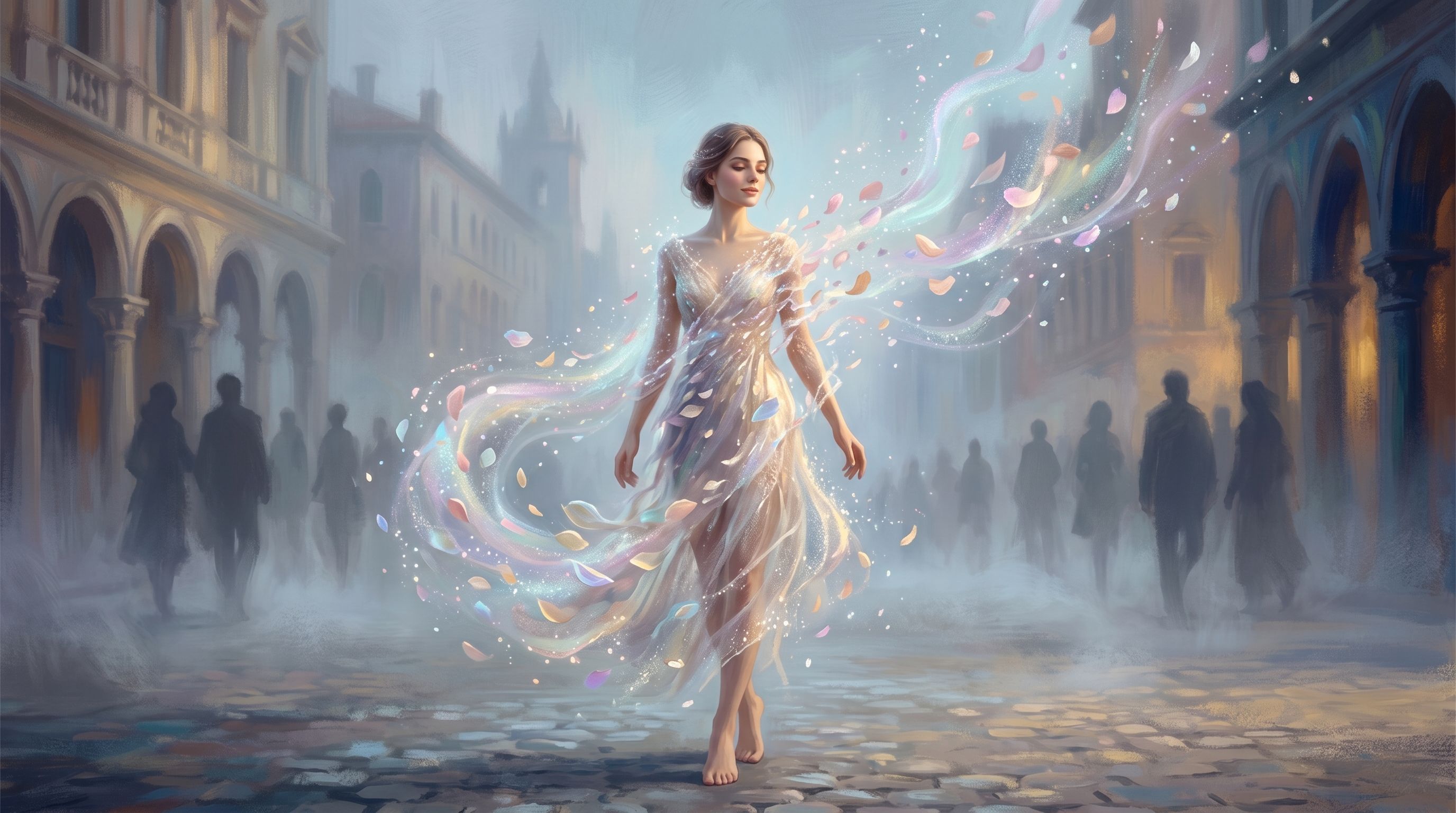
Conversely, wearing a stranger's clothes can be liberating. It is the pleasure of anonymity, the chance to totally reinvent yourself. It’s a bit like choosing an unusual hat to give yourself a sense of poise: you are testing an authority or a whim that you usually forbid yourself. The subconscious is not a judge; it is a laboratory. It mixes identities to see which alchemy will work best for your inner balance.
Sometimes even I have my doubts when faced with dreams where clothes change color or shape as the story unfolds. These are the richest dreams, for they show that your identity is fluid—it isn't frozen in a single fiber. You don't have to choose just one outfit for your entire life.
Wearing the "Other" to Better Find Yourself
Do not fear these nightly visions. If you wake up with the lingering memory of a silk that wasn't yours or a jacket too short belonging to a rival, take a deep breath. Your mind is simply sorting things out. It is looking at what qualities in others might help you grow, and what, on the contrary, might be holding you back.
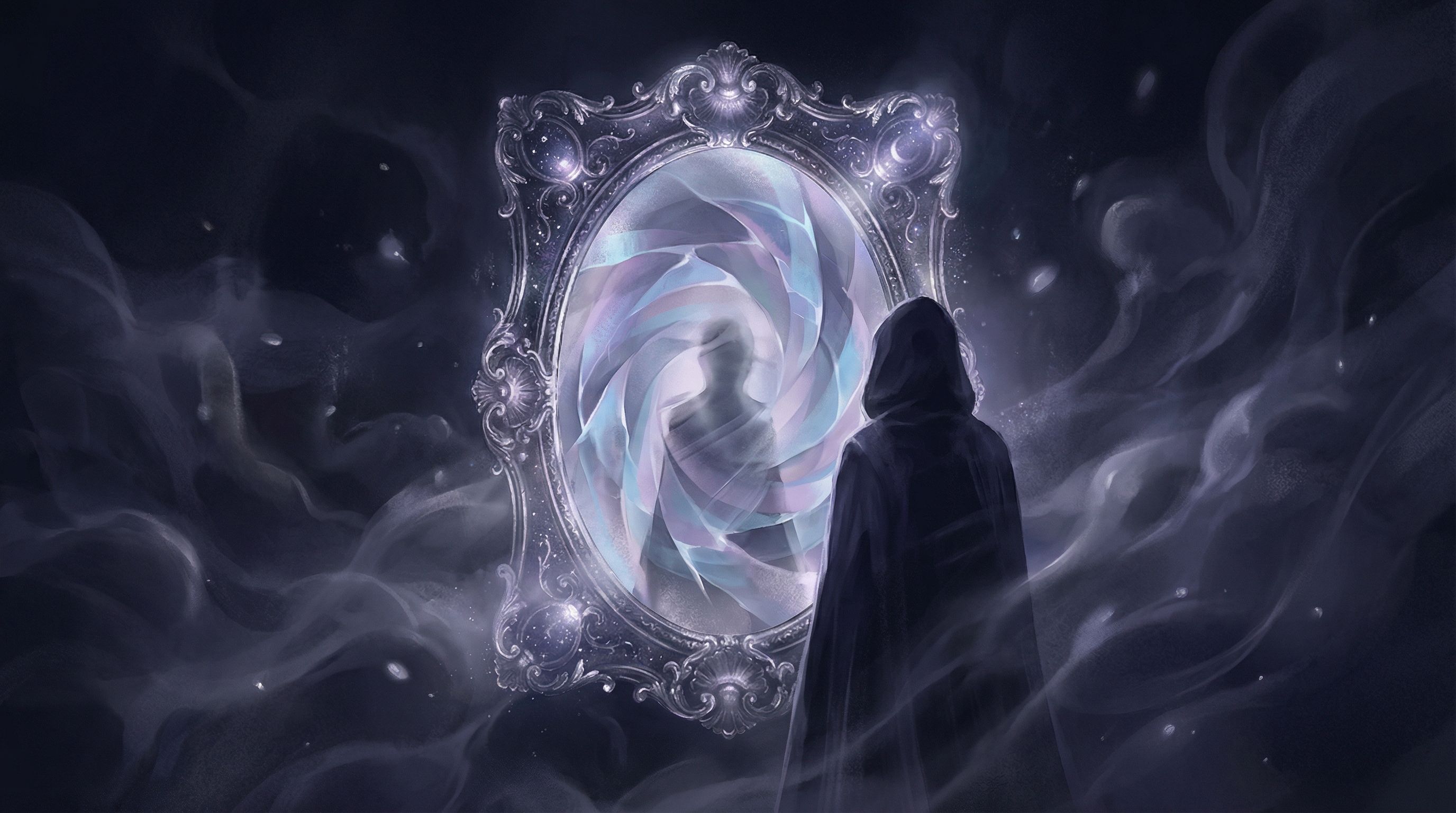
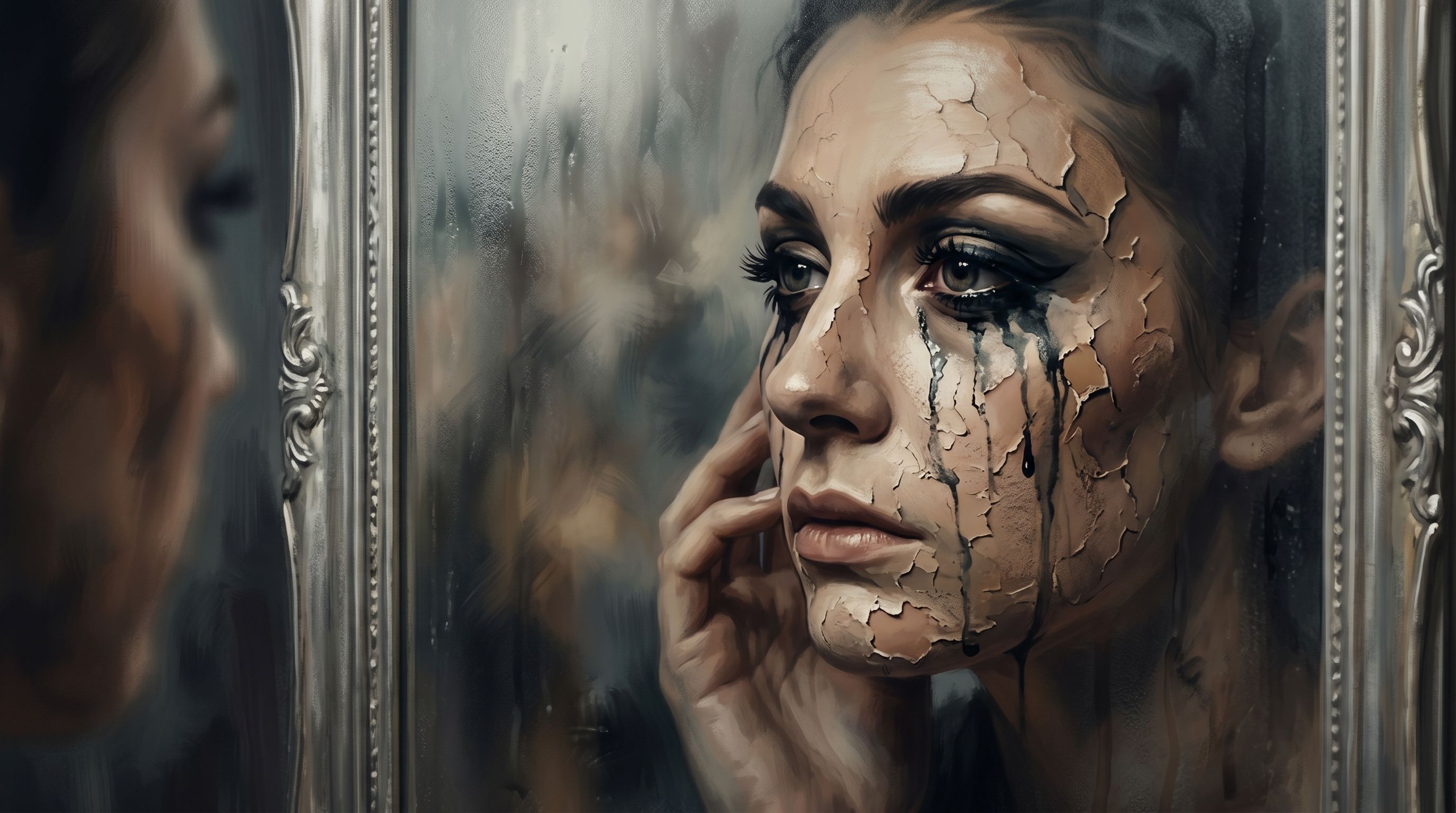
Honestly, the greatest gift this dream can give you is to push you to look in the mirror upon waking and ask: "What is truly mine today?" We spend so much time trying to fit into the molds cast by our parents, our bosses, or our friends. This dream of "another's clothing" is a gentle but firm reminder that you are the tailor of your own existence.
If this symbol continues to flutter through your thoughts like a scarf in the wind, why not try to note the details of these garments? Were they colorful, dull, protective? Every thread tells a part of your story.
Have you ever noticed how fabric holds onto ghosts? In the quietest hours of the night, sleepers often tell me they didn't just see the clothes; they smelled them. A coat smelling faintly of stale tobacco and cedarwood, or a silk scarf carrying the sweet, heavy scent of a mother’s perfume. This olfactory dimension of the dream is incredibly potent. It bypasses your analytical brain entirely, pulling you into a state of direct emotional inheritance. When you wear these garments, you aren't just trying on a look—you are inhaling the lived experiences, the griefs, and the quiet triumphs of the person who wore them before you. It is a profound act of subconscious intimacy, a way of keeping a connection alive or understanding a loved one from the inside out, stitch by stitch.
But what happens when the clothes belong to someone you deeply dislike, or even fear? I often see dreamers wake up in a cold sweat because they found themselves wearing the crisp, sterile suit of an abusive boss or the gaudy jewelry of a rival. It feels like a betrayal of the self, doesn't it? Yet, your unconscious is rarely that cruel. It is actually offering you a moment of profound integration. By dressing you in the armor of your antagonist, it forces you to confront the traits you reject in yourself but might desperately need—like boundaries, authority, or even a bit of healthy selfishness. It is a startling realization, especially when you find yourself looking at yourself in the mirror within the dream, seeing a stranger’s reflection staring back with your own eyes.
I must admit, it tires me when self-proclaimed dream experts claim that wearing a uniform that isn't yours is always a sign of deceit. That is such a dry, rigid way to look at a living mind. I once met a dreamer who was about to become a parent; they spent their nights trying to button up a massive, high-visibility firefighter’s jacket that kept dragging on the floor. They weren't trying to lie to anyone. They were simply terrified of the immense responsibility ahead, wondering if they possessed the strength to protect a new life. Sometimes, we also dream of topping off these borrowed outfits with an unfamiliar hat that slides down over our eyes, temporarily blinding us. These dreams are not warnings of failure; they are just your mind’s way of breathing through the transition, letting you feel the weight of the crown before you actually have to wear it.
To go further in this exploration of your many facets, you can entrust the details of this costume to the Midnight Mind app. It will help you collect these symbols and see if, over the course of many nights, you aren't actually crafting an identity far more vast and luminous than you ever imagined.
Sleep peacefully; I am watching over your dreams and tending to the fabrics that prickle.