The silence after the bustle: what your subconscious leaves behind
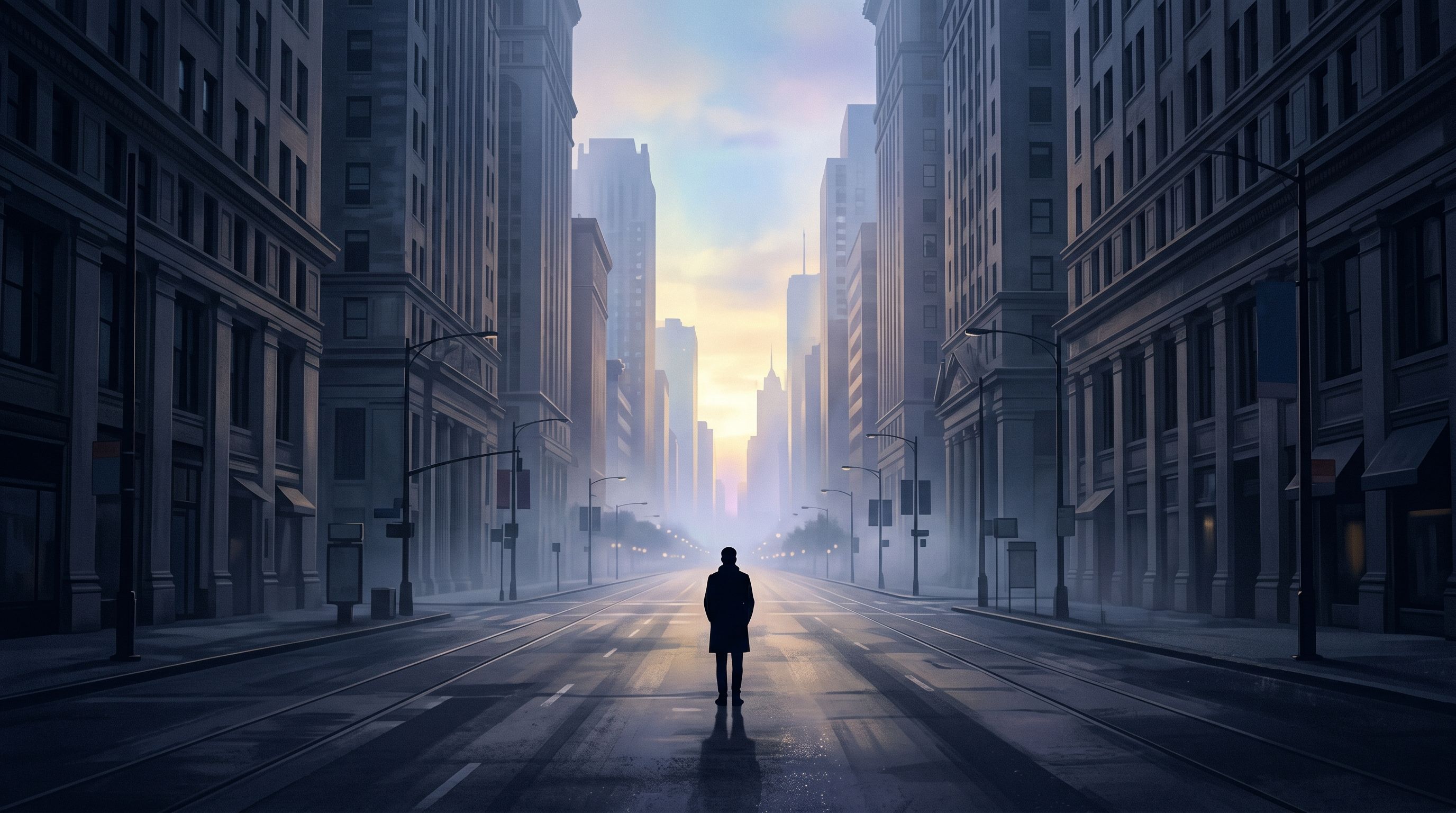
I must confess something: I particularly love the flavor of these dreams. They aren't bitter like nightmares of pure terror; they have the taste of cold tea and antique paper. When you dream of a ghost town, you aren't visiting a geographical location; you are walking through the rubble of a former version of your life. It is fascinating to see how the human mind manages to build entire metropolises to represent its ambitions, and then empties them of their substance when they no longer serve a purpose.
Sincerely, this symbol has fascinated me for years because it shows the subconscious's ability to "archive" reality. Sometimes, the city is empty because you have outgrown it. The clothes of the imaginary inhabitants no longer fit you, so they have moved on. We often find this atmosphere of desolation when we are about to change cycles, much like when we observe the weathered stones of a once-glorious edifice. The dream isn't telling you that you are alone in the world; it is showing you that the structures you built—your habits, your certainties, your old relationships—no longer resonate.
There is a necessary kind of melancholy in these streets. If you wander aimlessly through this ghost town, ask yourself: what am I truly missing? Is it the presence of others, or is it the noise and bustle I used to use to avoid listening to myself? Sometimes, abandonment isn't something forced upon us; it is necessary. We abandon one city to found another, further away, more beautiful, and more true.
A mapping of the past and the forgotten
I dislike dream dictionaries that coldly claim "ghost town = depression." It is so reductive, almost insulting to the richness of your soul. In my experience as a Baku, I have seen dreamers find immense peace in these deserted cities. It is the only place where the noise of the world finally stops.
The ghost town is your open-air library. Each empty building can represent a chapter of your past. That abandoned post office? Perhaps words you never spoke. That school with the broken windows? A lesson you set aside. It’s a bit like rediscovering an old childhood bedroom: you feel both tenderness and the relief of no longer living there.
What matters is the "state of the property":
Is the city in ruins or intact? An intact but empty city suggests that everything is ready for a new start; it just lacks the spark of life. A city in ruins speaks of an urgent need for reconstruction.
Are you alone or being pursued? If you are being chased through a deserted city, it means your past (the "ghost") is trying to draw your attention to an unresolved emotional debt.
Is the sky grey or bright? The light changes everything. A ghost town under a radiant sun is a promise of renewal, a vacant lot of infinite possibilities.
Honestly, this symbol remains mysterious even to me at times. There are dreamers who describe cities to me that they have never known, with impossible architectures. This leads me to believe that we carry "ancestral cities" within us—memories that don't quite belong to us, but demand to be visited so that we can move forward with a lighter step.
The message of the shadows: making peace with the void
Do not fear the silence of these streets. Your subconscious isn't trying to frighten you; it is trying to make room. You cannot build a skyscraper on a lot already cluttered with old warehouses. The ghost town is that transit zone, that moment of breath between who you were and who you are going to become.
My gentle Baku advice: the next time you find yourself in this dream, do not try to run away. Sit down on an imaginary curb, listen to the wind, and ask yourself: "If I had to bring back just one object from this city into my waking life, what would it be?" Sometimes, it’s an old key; sometimes, it’s just the memory of a feeling of calm. Befriend the abandonment, for it is by accepting to let the old go that you allow the new to move in.
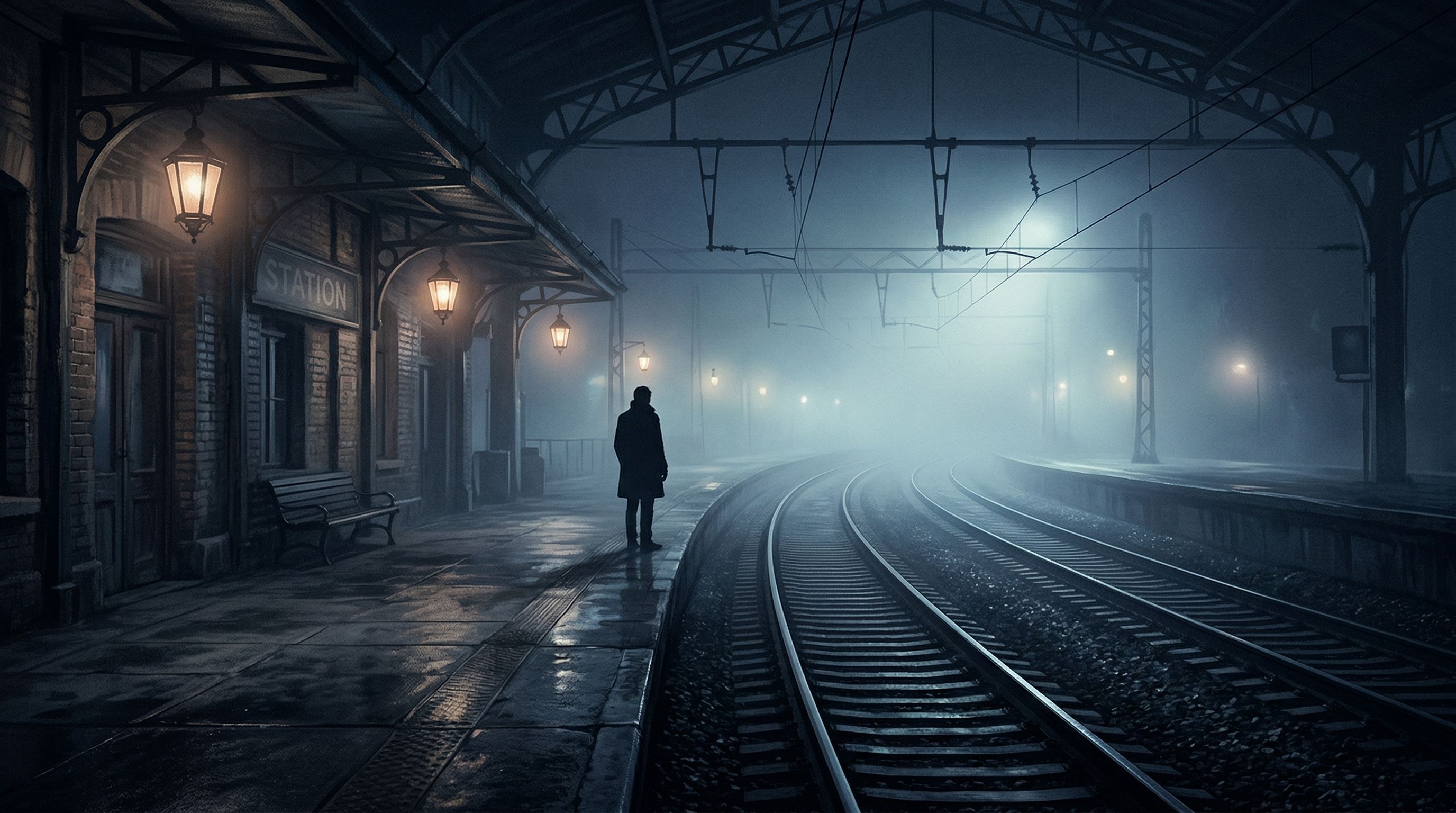
Have you noticed the peculiar quality of light in these deserted streets? It is rarely noon; it is almost always a perpetual autumn afternoon, where the sun hangs low and casts impossibly long shadows that seem to pull at your ankles. The air is dry, smelling faintly of sun-baked dust and dry pine, carrying a quiet coldness that doesn't shiver but settles deep within your bones. Sometimes, you might turn a corner and feel a sudden, heartbreaking warmth, realizing this abandoned architecture is a warped reflection of your childhood country. Your physical body lies safe, but your mind has traveled to this silent borderland to touch the rough texture of what once was. It is a sensory transition, a way for your nervous system to cool down after periods of intense waking noise, wrapping you in a wool blanket of absolute stillness.
I once met a dreamer—a brilliant, fiercely independent artist—who visited the same empty saloon in her dreams every single Tuesday. She was convinced some external tragedy had cleared the town, leaving her as the sole survivor. But dreams have a sneaky way of holding up mirrors. After we sat with the image for a few nights, digesting the heavy silences, she realized something that made her weep: she was the one who had locked the doors and told everyone to leave. Her subconscious hadn't abandoned her; she had exiled her own vulnerability to keep herself safe from being hurt. We often build these empty fortresses under the guise of independence, pretending we are victims of a sudden drought when, in truth, we turned off the water mains ourselves to avoid the messy floods of human connection.
Honestly? I think we are terrified of empty spaces because we have been trained to measure our worth by how crowded our lives are. If your calendar isn't full, if your house isn't noisy, you feel like you are failing. But in the older, wiser corners of the spirit, emptiness is a sacred state. To find yourself in a town where nothing moves is to be given a clean canvas. It is a profound pause, a quiet crystallization similar to dreaming of fossilization, where the chaotic rush of life is temporarily suspended to preserve what is truly essential. Do not rush to repopulate these streets with frantic thoughts or artificial noise. Let the dust settle. Let the structures stand in their quiet, weathered beauty. The emptiness isn't a tomb; it is the fertile womb from which your next chapter will eventually grow, once you are rested enough to build it.
If you feel that these empty streets still hold secrets you cannot decipher alone, perhaps you could record these landscapes in your logbook on Midnight Mind. It is a wonderful way to see if, as the nights pass, the dust settles or if new inhabitants begin to populate your dreams.