Silence is Not an Enemy, It’s a Mirror
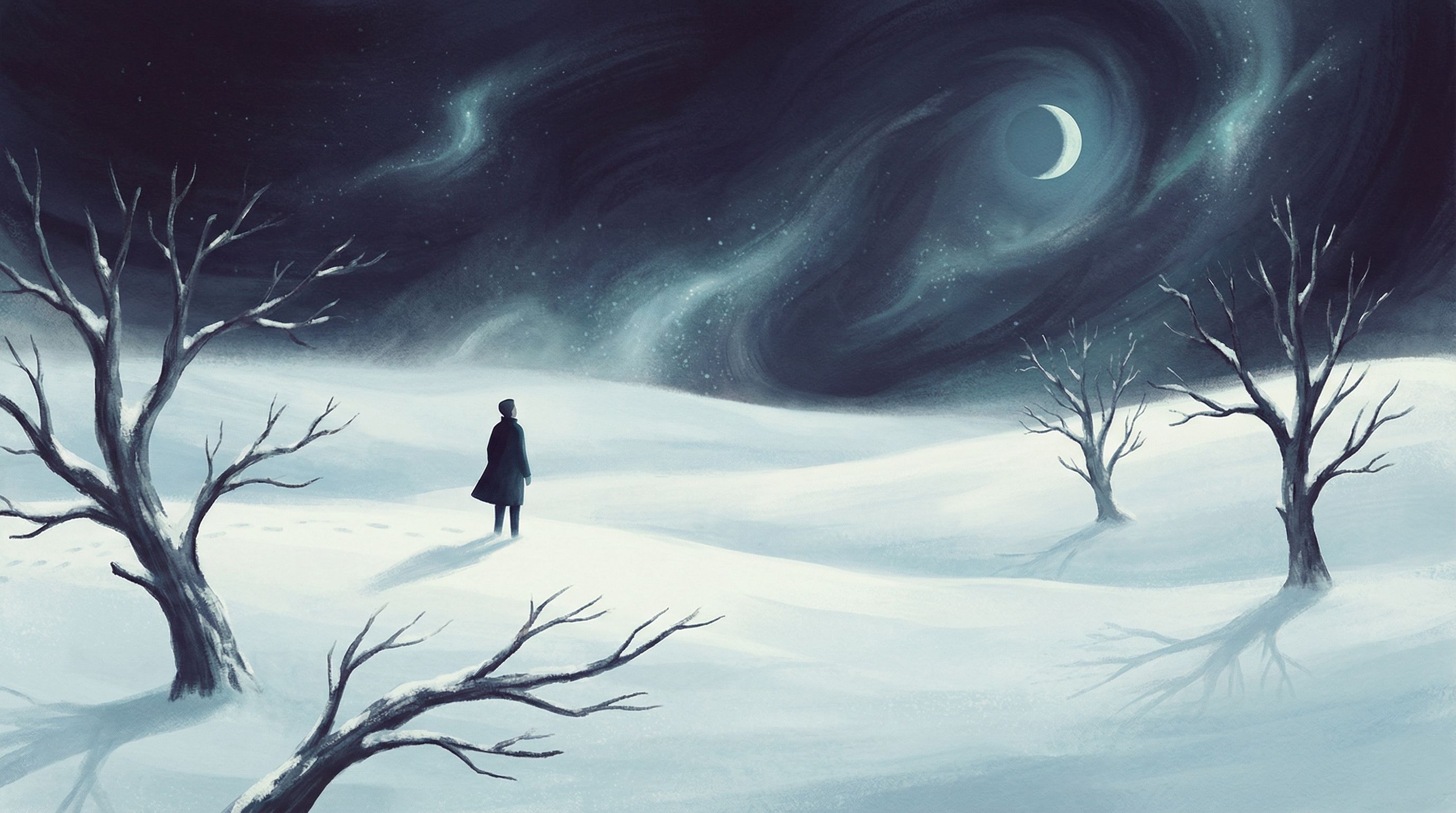
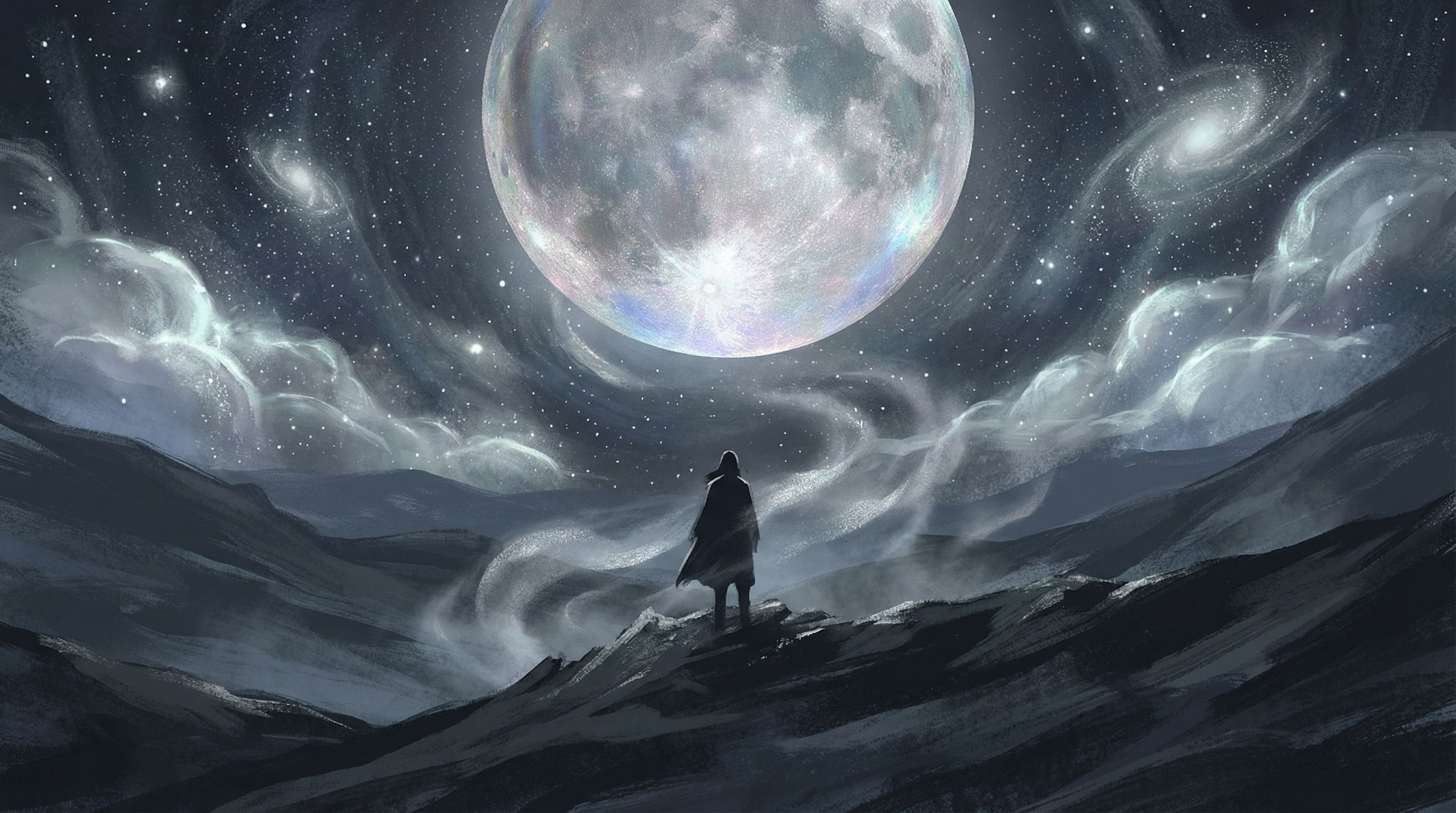
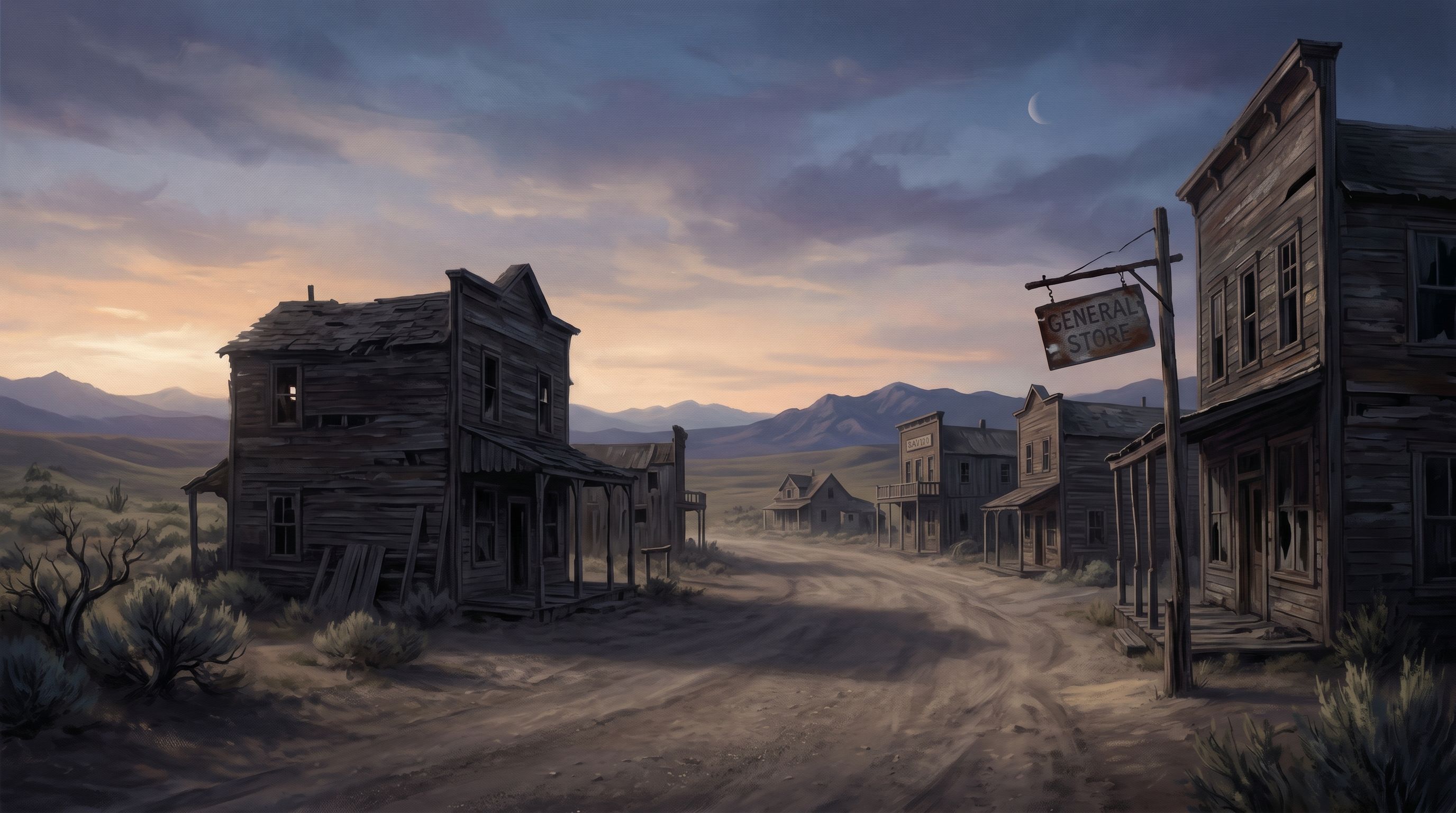
I sometimes encounter dreamers who come to me trembling. They tell me: "Yume, everyone had disappeared, I was all alone in the world, it was total nothingness." They see it as the end of the world, a personal apocalypse. But if only you knew how many times I’ve seen this void transform into a magnificent blank canvas!
In the secret language of your nights, solitude is not necessarily synonymous with emotional isolation. It is often a metaphor for the purest kind of freedom. When others vanish from your dreamscape, social conventions fade away with them. You no longer need to wear a mask, no longer need to please or meet the expectations of your boss, your partner, or your parents.
It is a bit like when you decide to glide on your skateboard through a sleeping city: you reclaim the space, you rediscover the rhythm of your own movements without anyone telling you which direction to take. This dream asks you a simple, yet perhaps unsettling question: Who are you when there is no one there to watch you?
Honestly, I feel that dream dictionaries that systematically associate this symbol with misfortune are missing the mark. They forget that silence is the soil of creation. If you feel peaceful in this dream-solitude, it is because your soul is celebrating its independence. If you feel afraid, it may be because you have forgotten how to inhabit your own presence.
When the Absence of Others Becomes a Message
I remember a dreamer who came to see me often. In his dreams, he walked through a huge shopping mall, but it was completely empty. Not a single clerk, not a single customer. Just the plastic mannequins. He was terrified. By talking with him (in my Baku way, through the mists of sleep), we realized he felt stifled by family obligations. His mind had created this void to finally offer him a chance to breathe.
There are several ways to experience this "alone in the world" state:
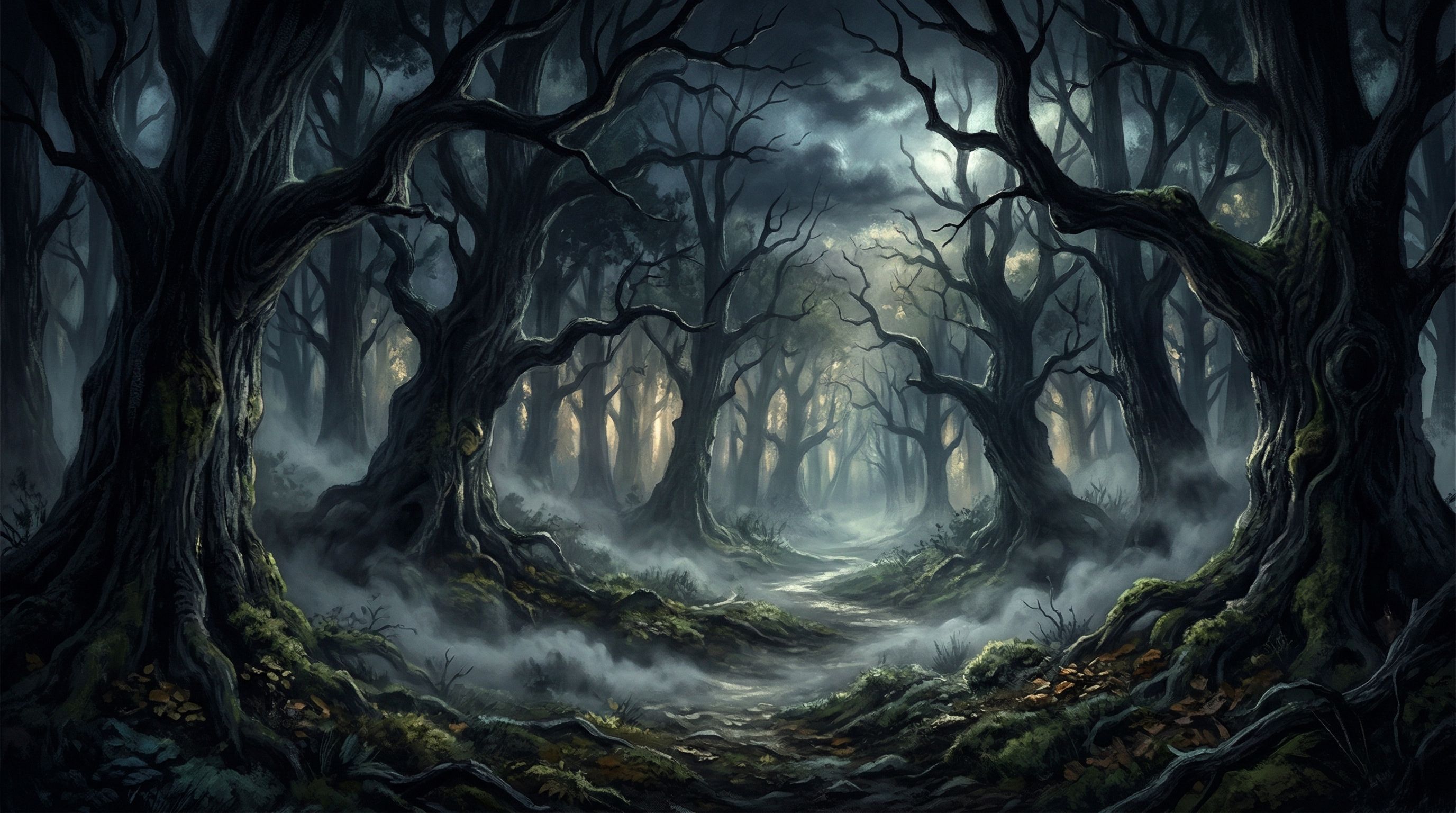
Urban Solitude: If you are alone in a city, it often speaks to your relationship with society. Do you feel invisible in the crowd in your daily life? The dream merely accentuates this feeling so that you can look it in the face.
Wild Solitude: Being alone in nature evokes a return to roots, a need for simplicity. It is an invitation to find your instinct again, far from artificiality.
Sudden Abandonment: If people disappear right before your eyes, it is often linked to a fear of loss or a recent feeling of betrayal.
Sometimes, this sensation of being apart feels like the call of the pirate: it is a form of inner dissent. You refuse to follow the fleet; you prefer to sail solo, even if it means facing empty oceans. It is brave, but it is also demanding. Your subconscious is showing you that you have the strength to hold the helm without help, but it also reminds you that human beings are social animals.
Taming the Void to Better Return to Others
You know, my role as a Baku is not just to eat your fears. It is also to help you digest what your mind is trying to tell you. Dreaming of being alone in the world is an invitation to perform an audit of your relationships. Are you surrounding yourself with people who nourish your soul, or are you just trying to fill a silence that terrifies you?
I am not a big fan of definitive interpretations, for every dream is a unique piece of embroidery. But I can tell you this: do not run from this dream. The next time it appears, try—even while sleeping—to sit on the ground in this empty world and simply breathe. Look at the colors of the sky, touch the earth. You might discover that this world isn’t empty; it is simply filled with you.
It is an experience of fertile solitude. Once you have accepted that you can survive and even thrive in this silence, you will return to others with a new strength. You will no longer be with them out of a fear of the void, but by deliberate choice.
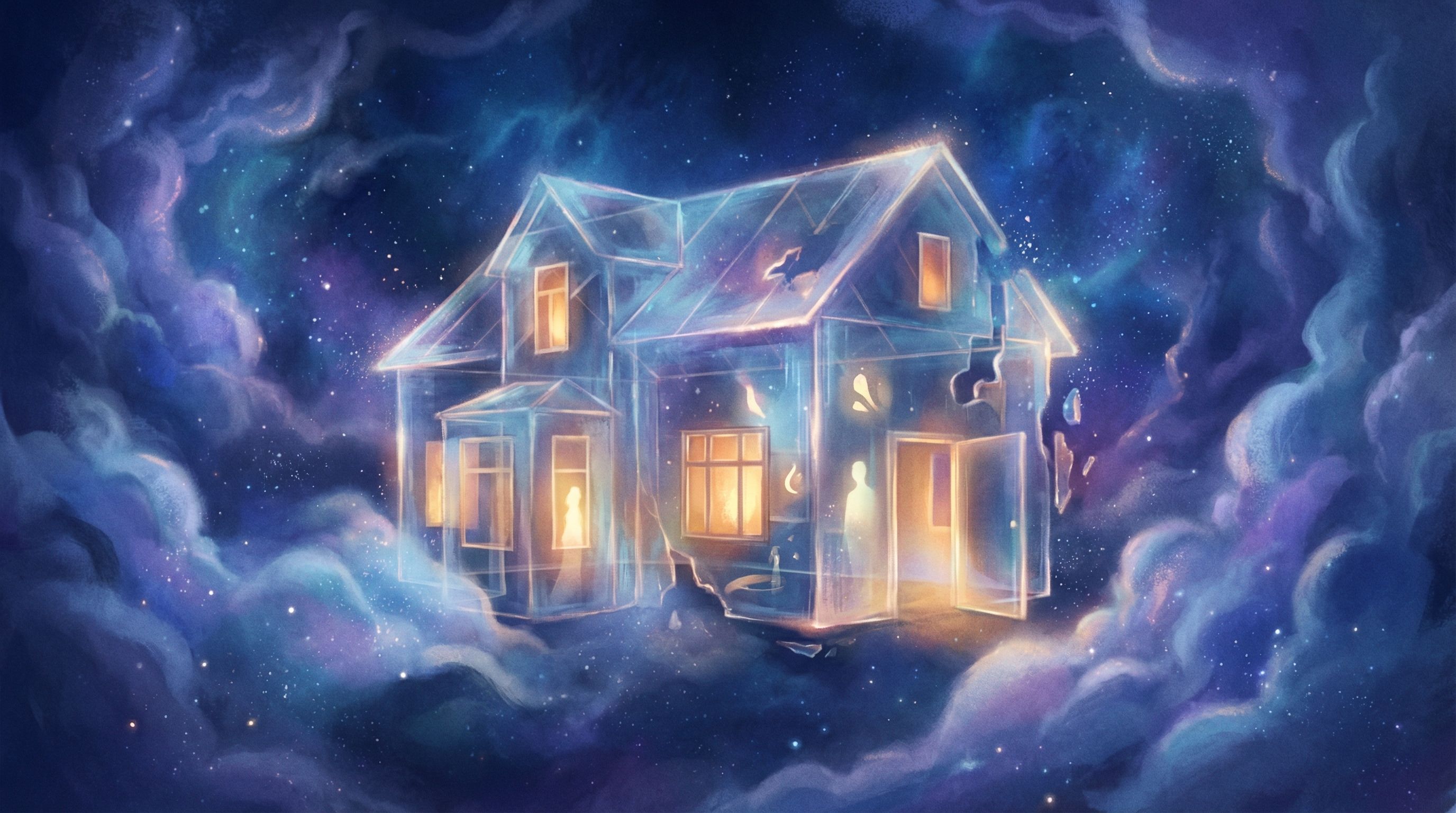
Have you ever noticed how the air itself feels different in these dreams? It is never quite warm, nor is it freezing; it is a neutral temperature, like drafty stone. When the entire human population vanishes, the dream's soundscape collapses into a terrifying, beautiful intimacy. Suddenly, you can hear the rustle of your own clothes, the deep rise and fall of your chest, and the thud of your heart beating against your ribs. It is a sensory shock. Without the white noise of humanity, your own body becomes the loudest thing in existence. Some dreamers panic here because they aren't used to the sheer weight of their own physical presence. Your unconscious is stripping away the outside chatter, forcing you to retreat into your inner architecture, much like finding oneself exploring an empty room in a house you didn't know you owned. It is raw, unvarnished existence.
Honestly, it exhausts me to see how modern psychology so often pathologizes this dream, instantly labeling it as a sign of social anxiety or isolation trauma. What a narrow way to look at the soul's deep waters! In older, quieter traditions, emptiness is not a terrifying deficit; it is the sacred void of potential. The Taoists spoke of the vessel's usefulness coming from its emptiness. When your dream purges the earth of people, it isn't necessarily punishing you with loneliness. It might be practicing a spiritual clearing. It is giving you a clean slate, a pause in the relentless cycle of action and reaction. If you can let go of the urge to find someone to talk to, to fix the silence, or to search the empty streets, you might find a strange, velvet peace in just being. Emptiness is not a lack of life; it is the quiet canvas upon which your next chapter will be painted.
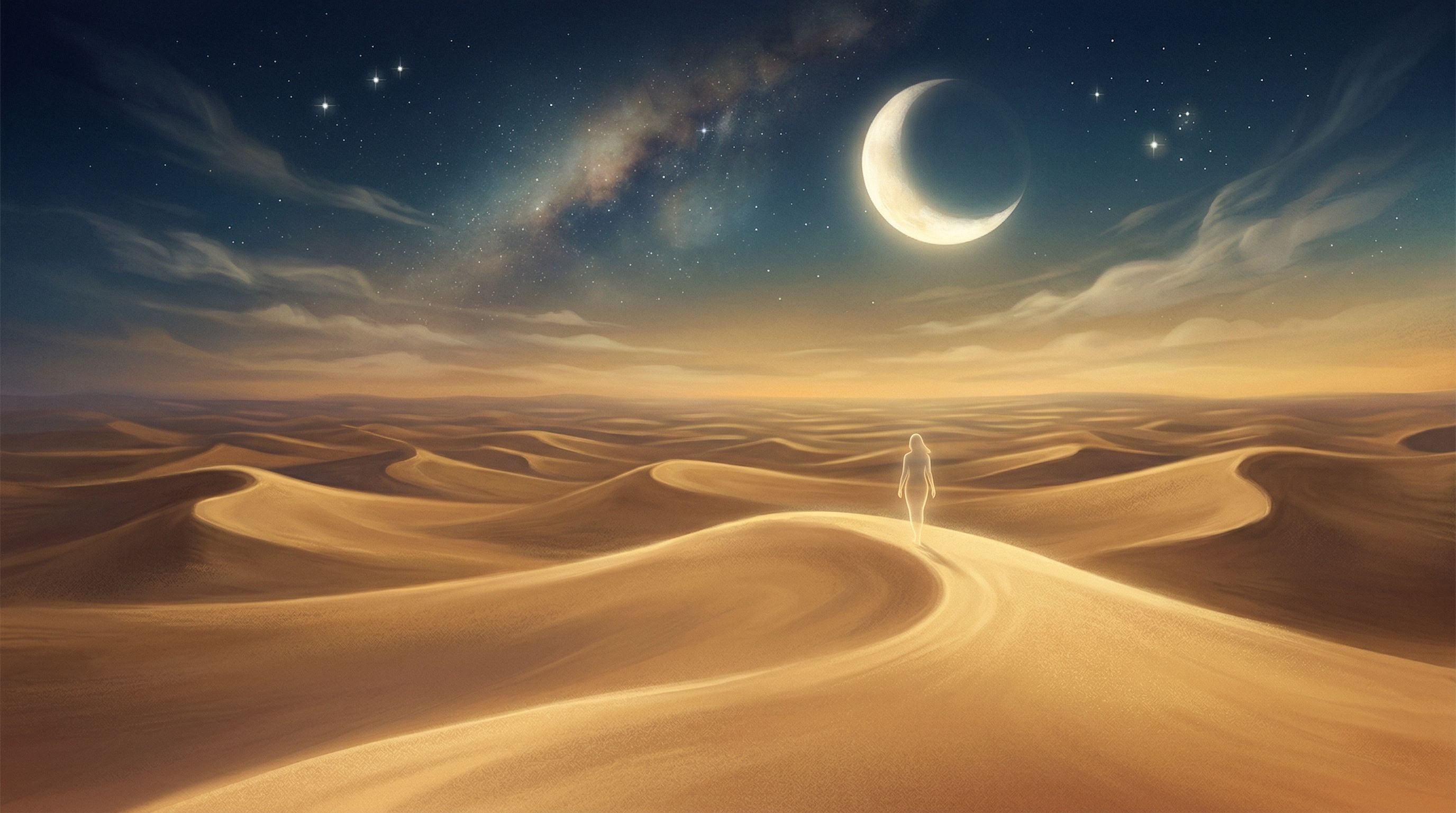
I once watched over a dreamer who spent her waking hours caring for everyone but herself—a mother, a nurse, a constant anchor for others. Night after night, she returned to the same dream: she was walking alone across a silent, endless plain, with not a single soul or building in sight. Initially, she woke up weeping, feeling utterly abandoned by the universe. But as we sat with the dream's texture, she began to see the quiet beauty of that unpeopled space. Her mind wasn't discarding her; it was protecting her. It created a vast prairie where no one could ask her for help, where no one needed healing, and where her only duty was to breathe. Sometimes, being the last person on Earth is the only way your psyche can grant you permission to stop serving others and finally tend to your own wild, untamed garden.
If this feeling of emptiness persists when you wake up and you wish to explore its nuances, perhaps you could record these deserted landscapes in a safe place. It is fascinating to see how the scenery of our solitude evolves over time. In the Midnight Mind app, you can create your own journal of places and people (or their absence), which will help you see if this empty world is beginning to be repopulated with things that truly reflect who you are.
Nurture your nights. They are the only place where you can be truly, absolutely free, even if that freedom sometimes looks like a desert. Remember: oases only exist because the desert is vast.