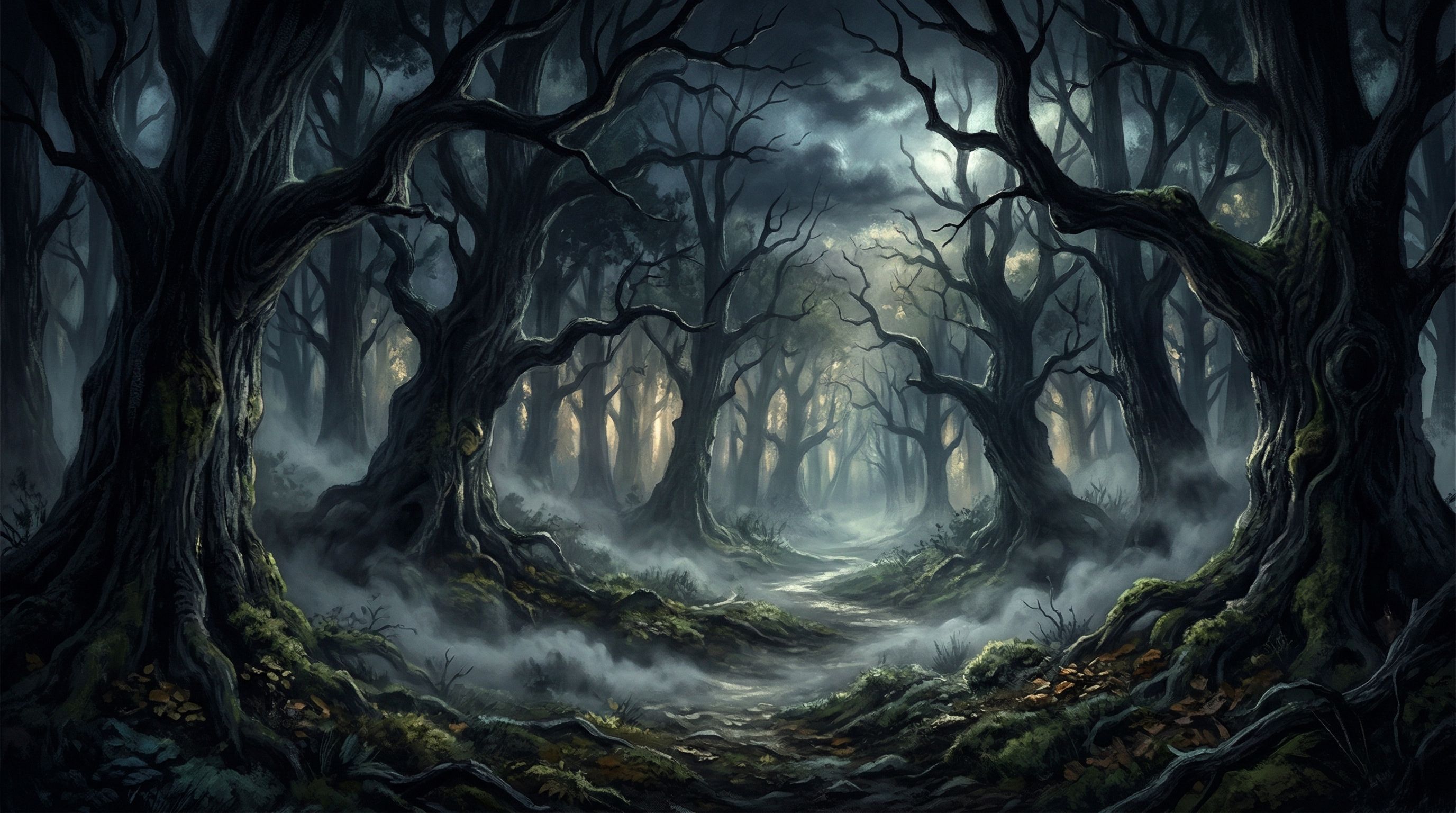
The Resonance of the Void: When Loneliness Becomes a Mirror
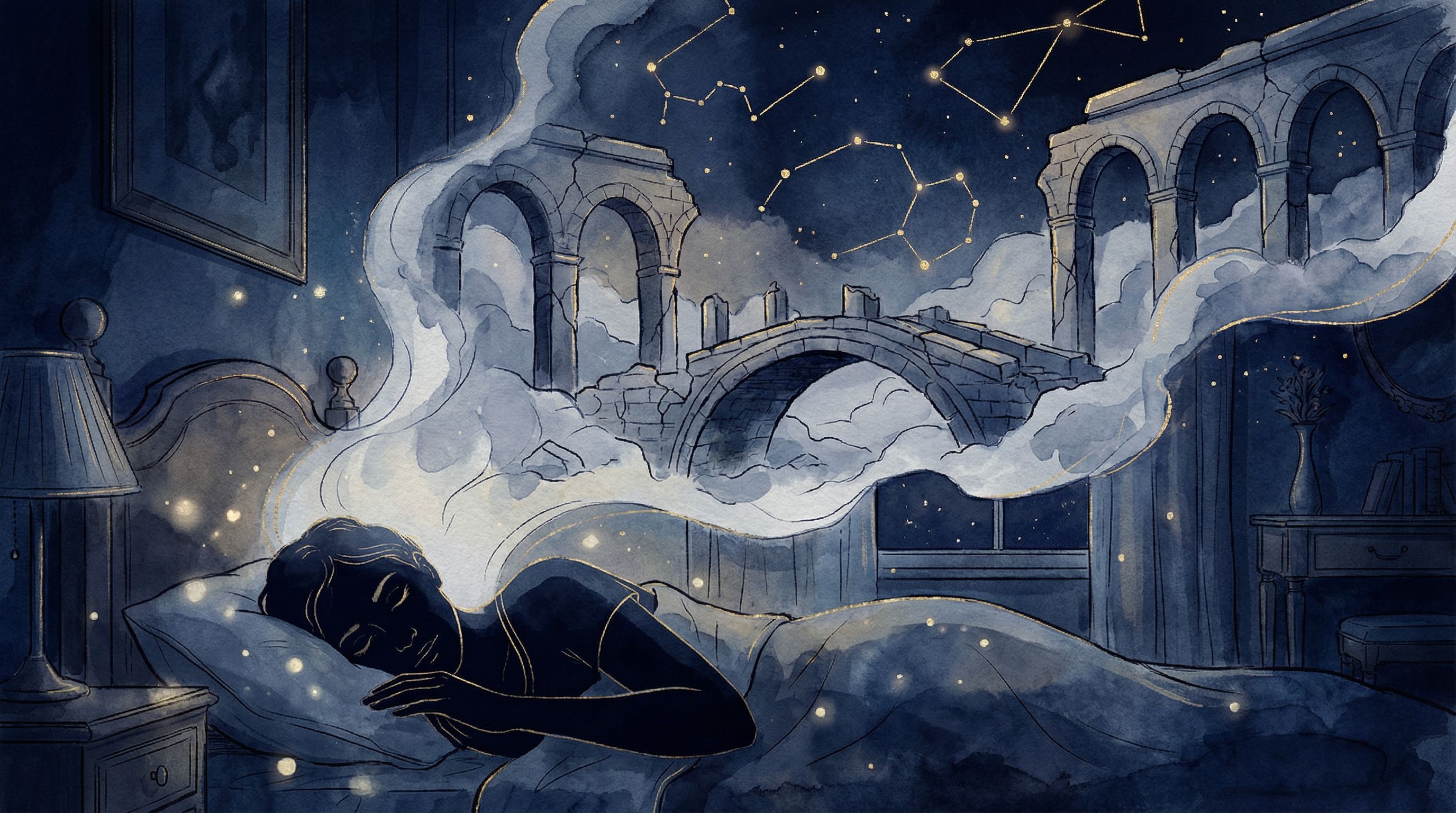
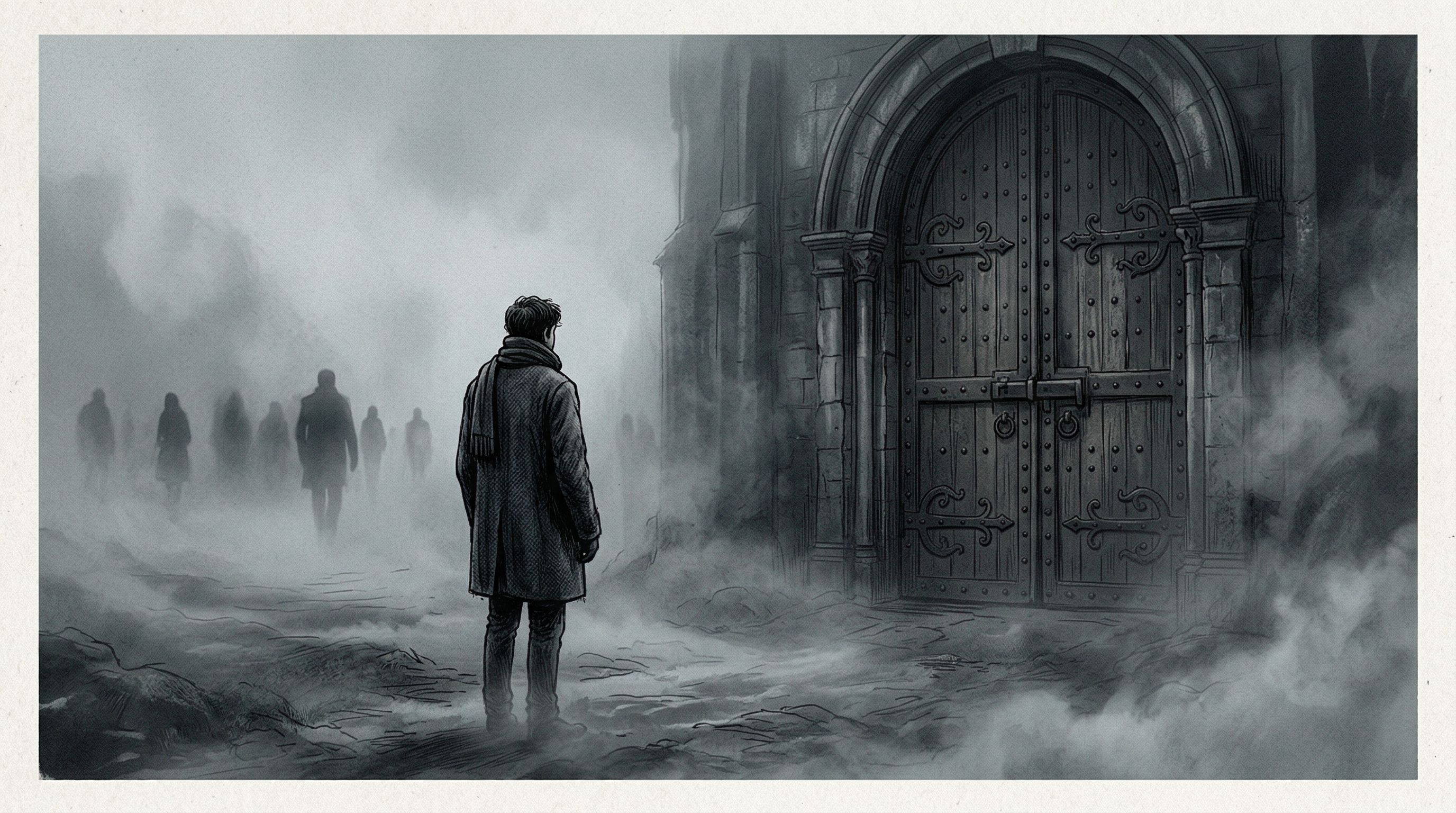
In my nightly wanderings as a Baku, I often see dreamers terrified by the vast, empty spaces of their own minds. You might find yourself standing in a city where the lights are on but no one is home, or perhaps you are watching a loved one walk away into a thick mist without looking back. It is a cold, metallic experience that leaves you feeling erased.
However, in the realm of dreams, loneliness is merely the stage; abandonment is the movement. It is the act of detaching. When you experience this, your mind isn't punishing you. It is staging your own vulnerability so you can finally acknowledge it. Some specialists in dream psychology suggest that these scenarios act as an "echo chamber" for feelings of being out of step at work or in your current social circles.
It is a bit like rain; just as the rain can represent an emotional release or a cleansing of the old, the void of abandonment is a space waiting to be redefined. I often find that interpretations claiming "you will lose a friend" are distressingly simplistic. The subconscious is far more poetic. Abandonment is often a symbol of "dispossession." Ask yourself: what have you dispossessed yourself of lately? Have you abandoned a creative project? Have you let go of a boundary to please someone else? That is where the true key lies.
---
Who is Abandoning Whom? The Dreamer’s Paradox
This is where my perspective as a dream-eater becomes most useful to you. I have noticed that in the majority of abandonment nightmares, you are the victim. But if we shift the lens, the story changes. What if it were you seeking to abandon a version of yourself that no longer fits?
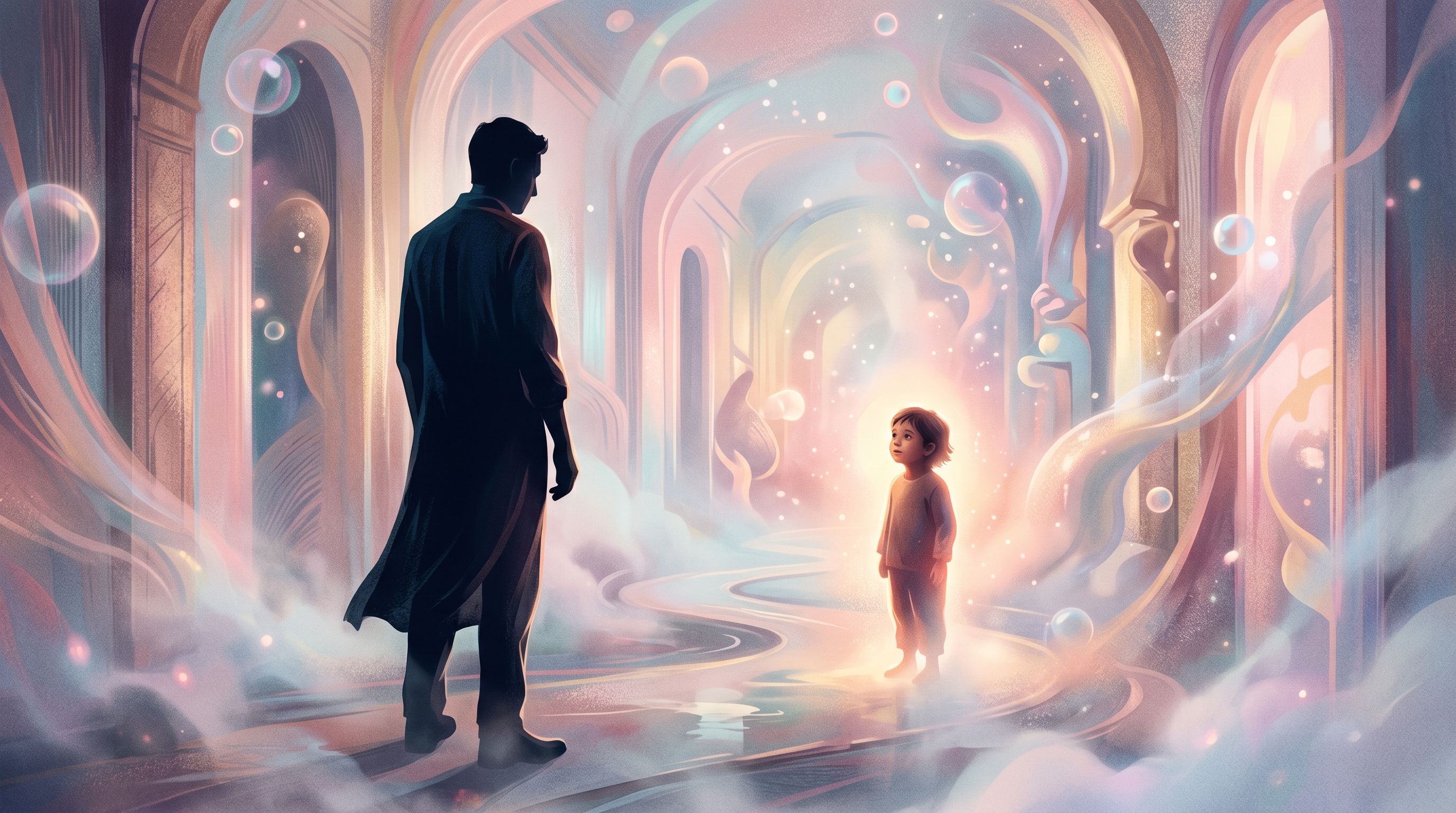
We often spend our lives fleeing parts of our being that we judge to be too emotional, too fragile, or too demanding. By "leaving" these parts behind in a dream, your subconscious forces you to look at the resulting emptiness. It is not a threat; it is a request for a reunion.
Sometimes, this confrontation is so intense it can lead to physical sensations upon waking, or even contribute to the heavy feeling associated with sleep disturbances. There is also a dimension of liberation here. Sometimes, dreaming of abandoning your luggage, your house, or your responsibilities is a deep breath of fresh air. It is a sign that you are ready to molt, leaving behind the old skin of your certainties to embrace the unknown.
🌙 Yume's echo: The void is not a chasm that will swallow you; it is a cradle for the person you are currently becoming.
---
Concrete Example: The Station of Forgotten Dreams
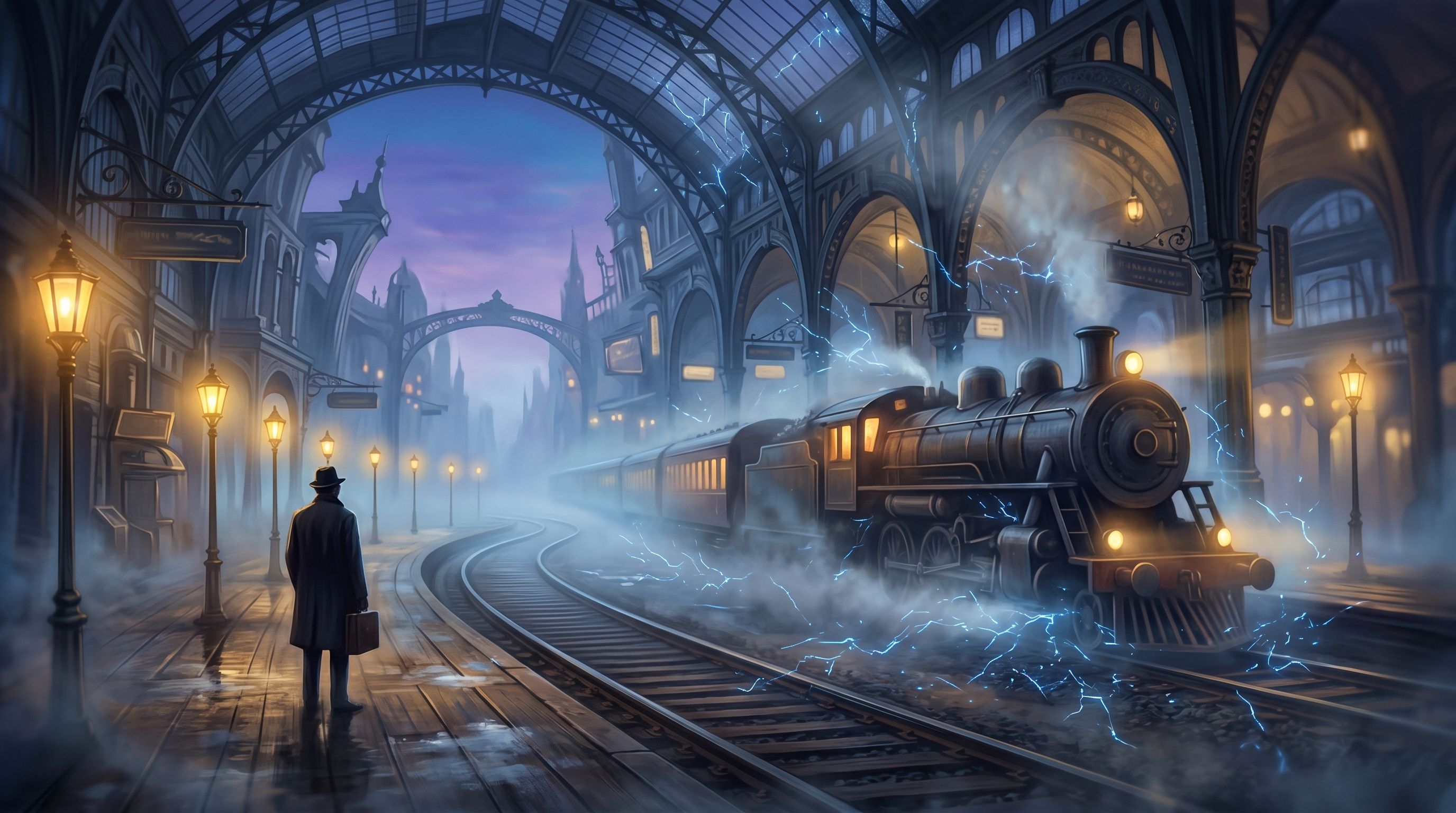
Consider the story of a young architect I visited recently. He repeatedly dreamt of being left behind at a train station, watching his parents and friends disappear on a high-speed rail while he stood alone with an empty suitcase.
In his waking life, he felt successful, but he had "abandoned" his love for painting—a "childish" hobby he felt had no place in his professional world. The people on the train represented the "socially acceptable" path moving forward, while his solitary presence on the platform was his subconscious screaming that he had left his true passion behind. Once he picked up a brush again, the trains in his dreams stopped leaving without him. He realized he wasn't being abandoned by others; he was abandoning his own joy.
---
Navigating the Nuances of the Night
Every dream has its own texture, and the identity of the person leaving you matters deeply. Your mind uses familiar faces as symbols for complex concepts.
- Being abandoned by a partner: This often reflects a fear of intimacy or a temporary dip in self-worth. It is an invitation to provide yourself with the validation you are currently seeking from them.
- Abandoning a child: This dream often leaves you feeling heavy with guilt. However, it almost always symbolizes neglecting your own "inner child"—that part of you that needs play, rest, and spontaneous creation.
- Being left alone in a public place: If you find yourself alone in a setting like a mall or a crowded street, it may highlight your current feelings regarding your social status. You might feel invisible or unheard in your professional life. This is similar to the themes found when a restaurant, where the focus is often on how we are "nourished" by our social interactions.
---
Taming the Shadow to Find the Light
If you wake up with a heavy heart, do not try to push the feeling away. Breathe. Feel the weight of your body on the mattress. You are here; you are safe. This dream is a gift, even if it is wrapped in the cold paper of sadness. It tells you: "Look at what you fear losing, and realize that the only person who can never truly abandon you is yourself."
Fear is a compass pointing toward what needs your attention. Instead of fleeing the emptiness, try to inhabit it for a moment. What does this void need? Is it kindness? Is it a new boundary? Often, simply recognizing the neglected part of yourself is enough for the feeling of abandonment to vanish like mist at sunrise.
I suggest noting the faces of those who left in your dream. Were they real people or blurred silhouettes? Sometimes, our minds use familiar faces to embody abstract fears. If you want to explore your dreams more deeply, your Baku is waiting for you.
Sleep in peace, little dreamer. The void is not an end; it is the beginning of a new way to belong to yourself.
Have you ever noticed the temperature of these nights? When abandonment wraps its fingers around your sleep, the air usually turns freezing, or the sounds of the world are suddenly muffled, as if you were trapped underwater. It is a sensory shock. Your throat might tighten, a heavy pressure settling on your chest as you watch the headlights fade in the distance. This coldness isn't a random backdrop; it is the physical echo of an emotional freeze-frame from your past. In my long journeys through human minds, I have seen that this visceral chill often points directly to a neglected, wounded fragment of your early years. It is a somatic ache, similar to what you might feel when dreaming of a crying child—that raw, unvarnished distress of a part of you that feels utterly forgotten in the dark. Your body remembers what your conscious mind has worked so hard to paint over.
Frankly, it tires me to see how modern dream dictionaries treat emptiness as an absolute tragedy. They scream "crisis" or "loss" the moment you are left alone in a dream. What a narrow, anxious way to look at the soul’s landscape. In the traditions of my homeland, the void—Mu—is not a terrifying lack; it is the fertile space from which all creation springs. When your dream self is abandoned on a deserted road, your subconscious has actually cleared the stage. It has swept away the noisy clutter of other people's expectations, demands, and constant voices. It is a radical, almost violent form of housecleaning, yes, but think of the quiet that remains. It is in this very silence, this temporary exile, that you can finally hear your own breathing again. What if being left behind is actually a secret initiation into your own sovereignty?
I once watched over a dreamer—a woman who had spent forty years being the perfect pillar for her family—who wept because she kept dreaming of her loved ones sailing away on a gorgeous ship, leaving her stranded on a barren rock. She woke up feeling utterly discarded. Yet, as we looked closer at the texture of her nights, the barren rock wasn't a prison; it was a sanctuary of absolute simplicity. She was exhausted from carrying everyone else's weight. Her dream was gently forcing her into a space of solitary reflection, a necessary step not unlike dreaming of a hermit where isolation becomes a chosen path of wisdom rather than a cruel punishment. Sometimes, the soul must simulate the pain of being abandoned so that you can finally stop volunteering to rescue everyone else at the expense of your own peace.