What We Truly Bury While We Sleep
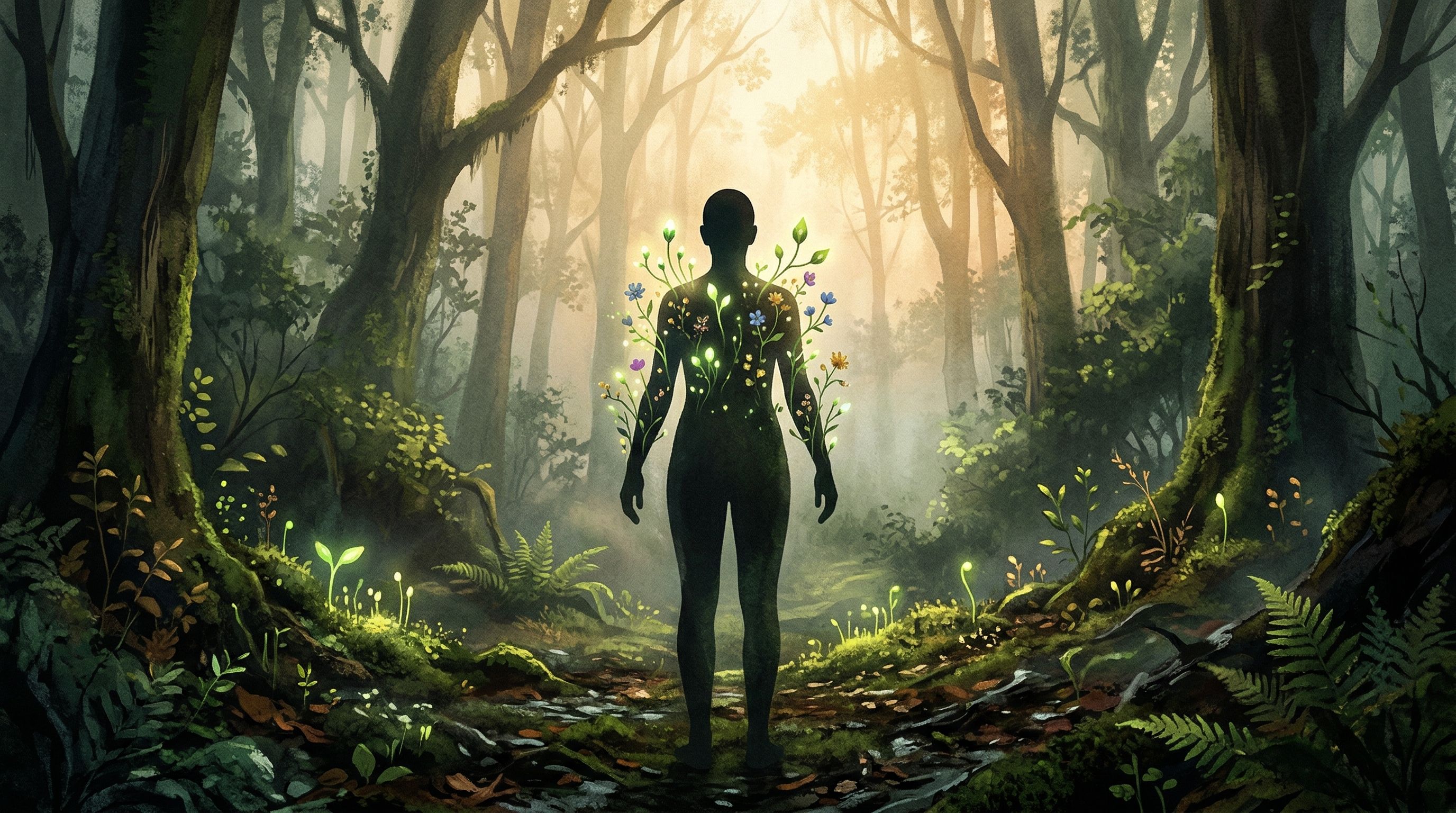
I will be honest with you: it deeply bothers me to see, in certain old grimoires or dusty websites, that a funeral is associated with a physical bad omen. It is such a narrow vision! For me, having devoured your nightmares for eons, I see a funeral as an act of spiritual gardening. We never bury a person simply to lose them; in the dream world, we bury a relationship, a character trait, or a fear to allow it to transform.
The funeral is the ultimate stage of symbolic mourning. Sometimes, we carry emotional corpses within us: an old resentment, an ambition that no longer fits us, or even a version of ourselves that we have outgrown. The dream then stages this reality to force us to acknowledge that it is over. It is an invitation to stop carrying what is dead.
If you dream that you are attending the funeral of a loved one who is still alive, do not tremble. Your mind is likely processing an evolution in your relationship. Perhaps the image you had of this person is changing radically. As I explained when talking about Dreaming of a Breakup: The Hidden Meaning Behind This Recurring Dream, the dream uses radical images to express subtle transitions. Burying someone is sometimes simply accepting that they no longer occupy the same place in our inner garden.
The Strange Beauty of One’s Own Farewell
I have occasionally met dreamers who were terrified because they saw themselves in the casket, watching their own burial from the sky or from among the crowd. Yet, this is one of the most fascinating dreams I know. It is the symbol of an "initiatory death."
Imagine that your "Self" is like an onion. To reach the heart, you must shed the dry outer skins. This dream of your own funeral is your psyche telling you: "This version of you has finished its mission. It is time to let it rest." It is a moment of great alignment. Often, these dreams occur after a major crisis, a career change, or a profound realization.
This brings us to the theme of Death in Dreams: A Rebirth in Disguise. The earth we throw onto the casket is not meant to suffocate, but to protect the seed that is about to germinate. Without this formal end, the spirit remains in suspense, unable to fully invest itself in the present. If you felt peace during this dream, it means you are ready to be reborn. If it was a struggle, perhaps you are clinging to an identity that no longer suits you, simply out of a fear of the void.
The Setting and the Sky: Details That Speak
I am wary of universal interpretations because every dream is a unique tapestry. However, look closely at the setting of your dream funeral. Was it pouring rain? Was the sky a brilliant blue?
- The Weather: Radiant sunshine during a funeral suggests that this end is a liberation, a necessary relief. Heavy rain points more toward the sadness of the process, the need to weep for what is lost before being able to move forward.
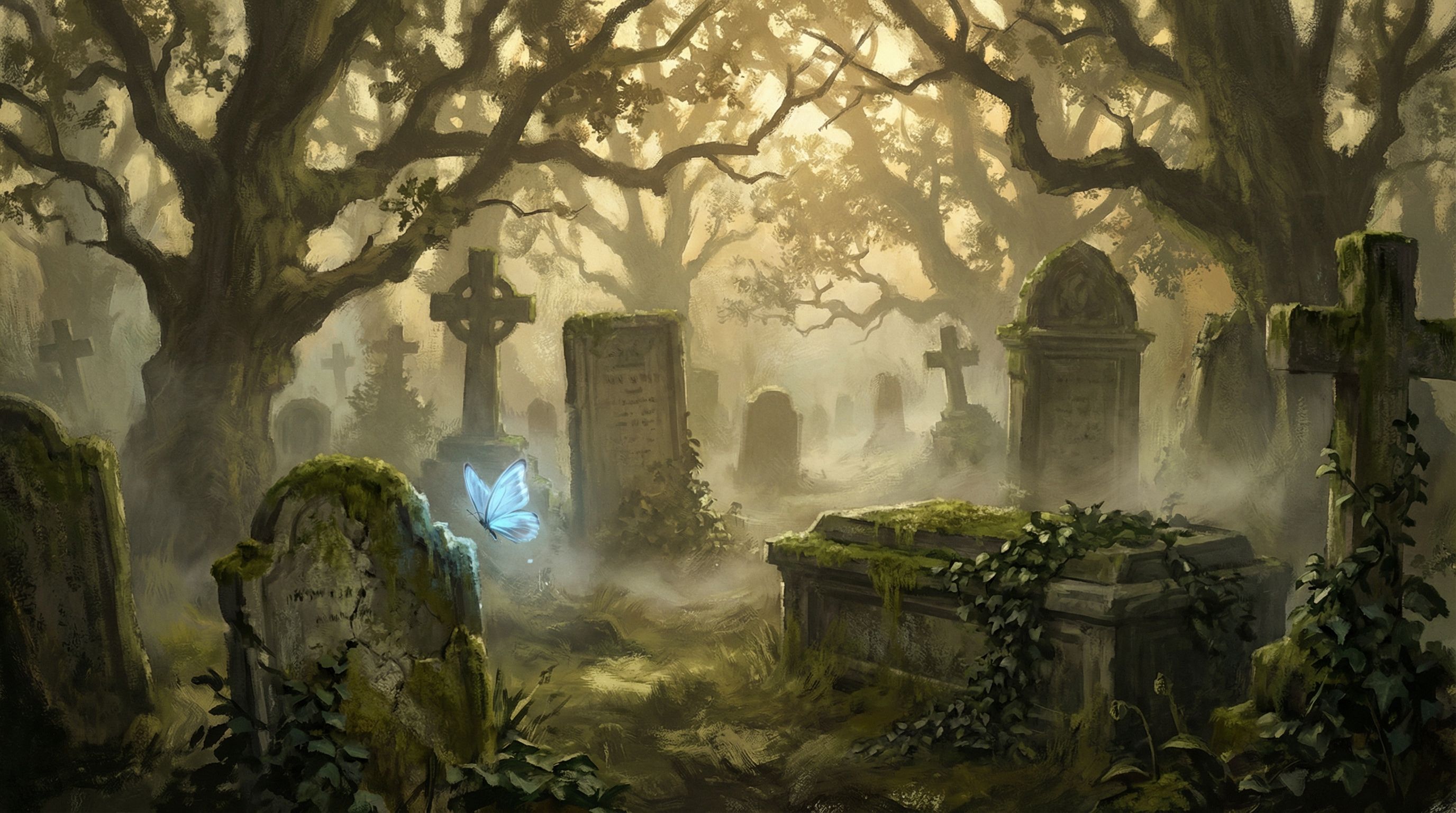
- The Location: A dark cemetery does not have the same flavor as a burial in the heart of a forest or in an unusual place. To deepen this idea of sacred space, you can take a look at my reflections on a cemetery. The more peaceful the place, the more your subconscious is in harmony with the idea of letting go.
- The Crowd: Who is present? If the faces are blurred, it is a purely internal matter. If you recognize people, ask yourself what aspect of them you are currently integrating or rejecting within yourself.
A dreamer once told me they were burying a giant watch. They weren't burying time; they were burying their anxiety related to performance. It was beautiful. The earth covered the incessant ticking, and they were finally able to sleep peacefully.
Honestly, I do not always know with certainty what every symbol means for you at first glance. Interpretation is a conversation, not a diagnosis. But I know one thing: your mind never seeks to harm you. It seeks to make space.
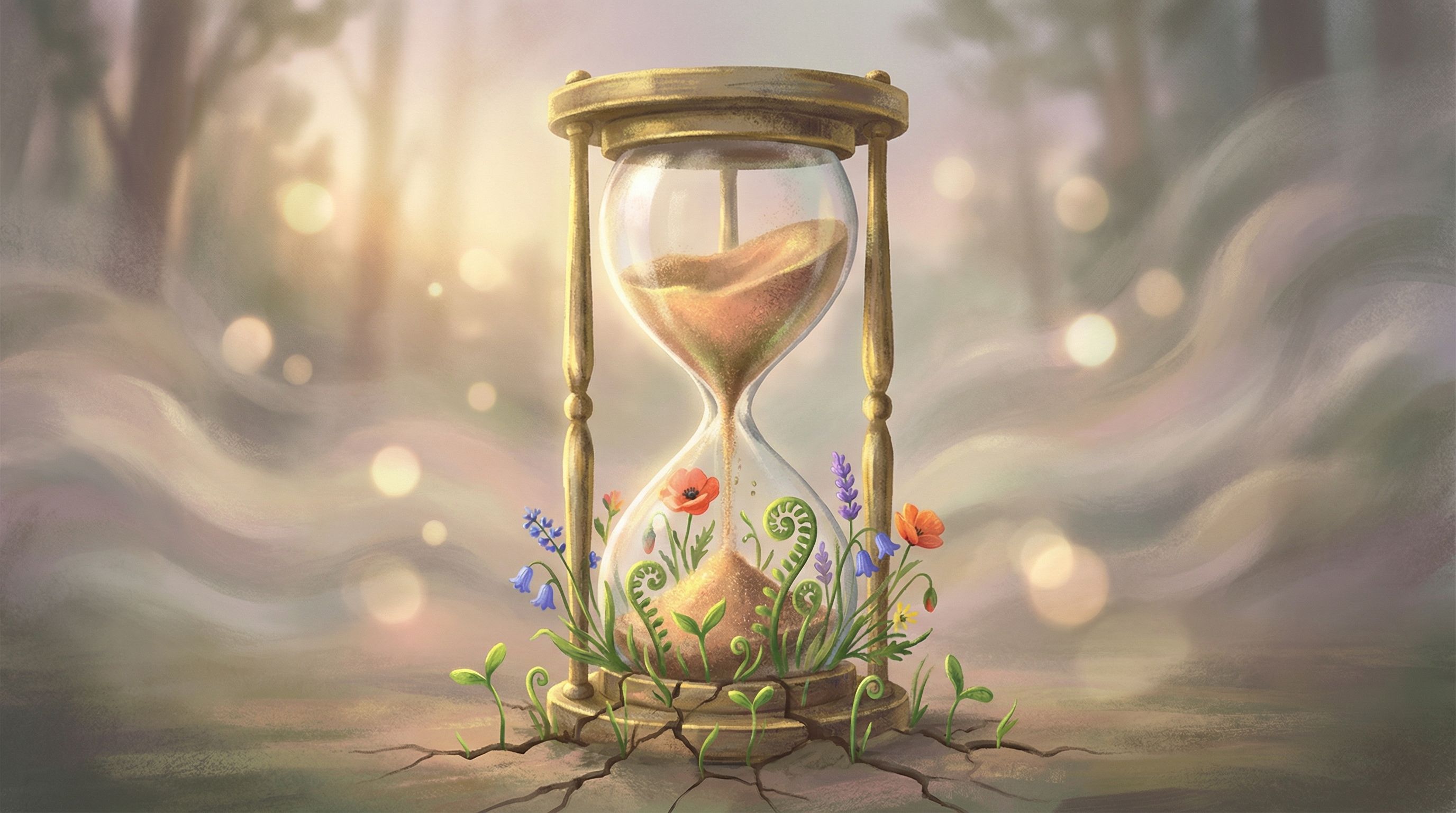
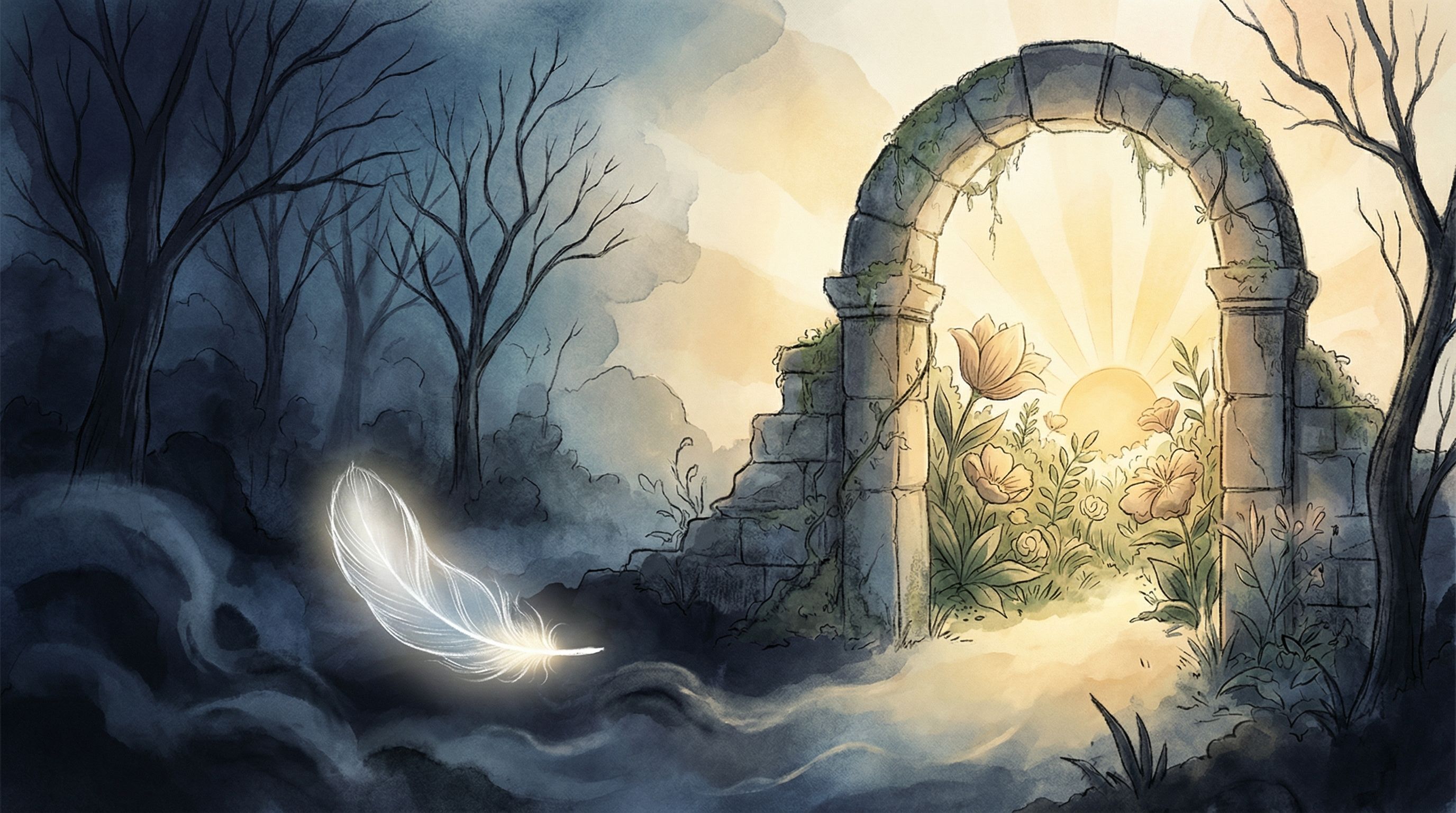
If this dream still weighs on you, try not to see it as a shadow, but as fertile soil. Simply ask yourself: "What in my life today deserves to be laid down with respect so that I can walk more lightly tomorrow?" Farewells are never periods; they are commas in the long sentence of your existence.
Have you noticed how heavy the soil feels in these dreams? Sometimes you aren't just a passive bystander in a black coat; you are active, your muscles aching as you lower the casket or scoop up wet earth with your bare hands. Honestly, I find this tactile struggle far more revealing than the ceremony itself. When you find yourself dreaming of burying something with such physical effort, your body is translating the sheer weight of your resistance. It is hard work to let go. Your muscles remember the energy it took to carry that old habit, that old relationship, or that outdated expectation. The dampness of the dirt, the smell of pine and cold stone—these sensory details are not there to terrify you. They are anchors, grounding an abstract emotional transition into a concrete reality that your conscious mind can no longer ignore.
I once met a dreamer who came to me exhausted, plagued by a recurring funeral where the mourners were drinking tea and gossiping rather than weeping. She felt insulted by her own mind! But we laughed about it, because the subconscious possesses a brilliant, sometimes irreverent sense of humor. Not all goodbyes require solemn tears; some demand a celebration, or even a quiet, matter-of-fact dismissal. If your dream-funeral feels surprisingly light, or if the attendees seem indifferent, do not mistake this for a lack of depth. It is simply your mind's way of minimizing the drama of change. It resembles the gentle scattering of dead leaves in autumn—a routine, necessary clearing rather than a tragedy. Your spirit is whispering that this ending, though significant, does not need to break you. It is merely the next natural step.
If you feel the need to put words to these images or to keep a record of these nocturnal ceremonies to see how they evolve over time, you can use the Midnight Mind app. It allows you to collect these symbols, much like one keeps pressed flowers between the pages of a book, to better understand the secret language of your heart.
This is how we tame the night. Gently.