The Breath: That Invisible Link Between Your Soul and the World
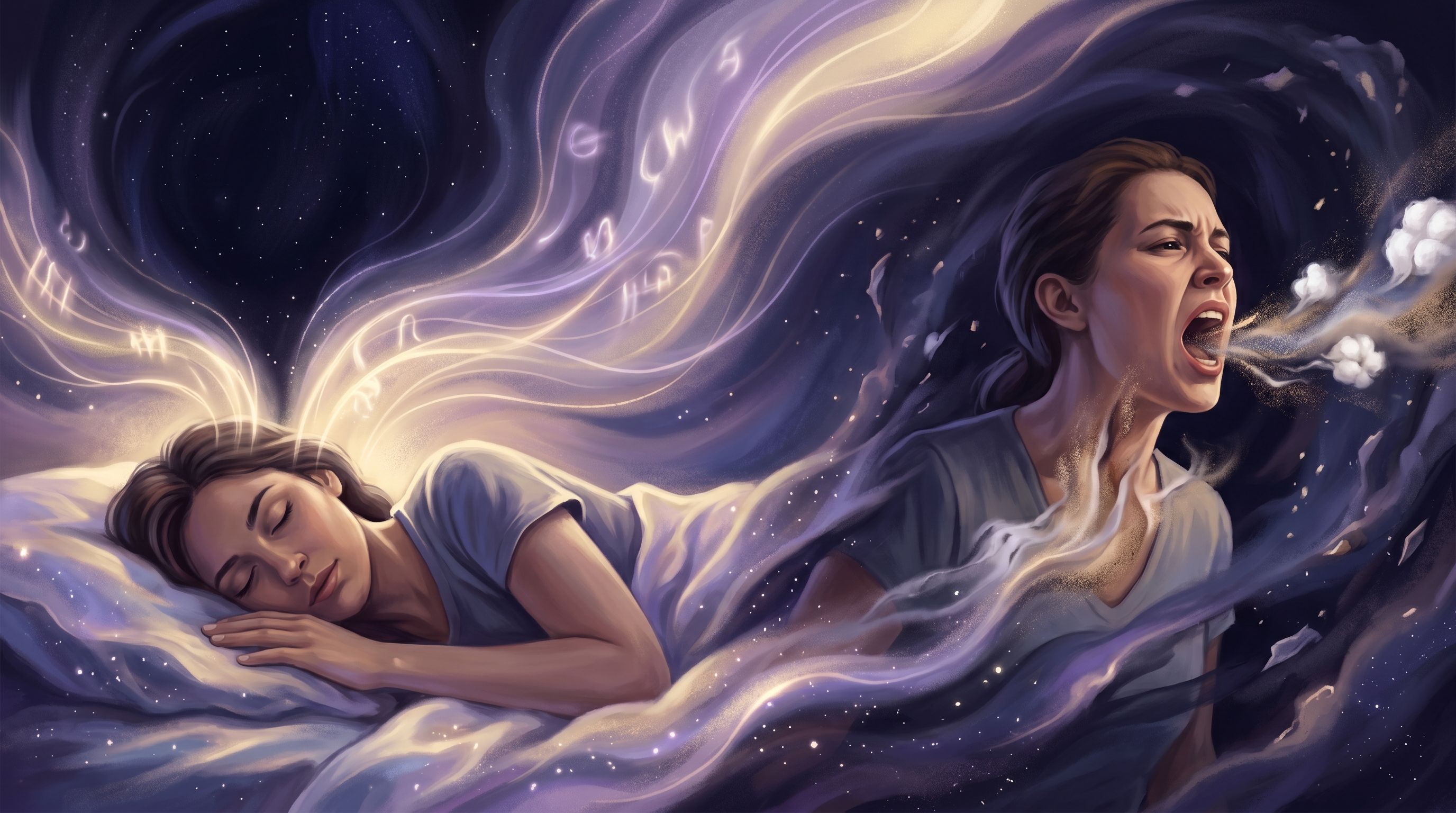
If there is one thing that fascinates me when I observe your spirit wandering through the dreamscape, it is your relationship with breath. The flute is one of those rare objects that cannot exist without your air, without your inspiration—in both the literal and figurative sense. In the world of dreams, blowing into a flute is like laying your soul bare. It is the act of transforming your internal breath into a melody that others can hear.
I am really not a fan of those rigid dream dictionaries that settle for saying a flute is merely a phallic symbol. It’s so reductive, don’t you think? To me, it is above all a question of fluidity. If, in your dream, the sound is pure and easy to produce, it means you are in a state of "flow." You aren't forcing anything. It’s that feeling of lightness one gets when handling a feather or the sensation of getting younger as you shed the weight of the world: everything seems to flow naturally.
On the other hand, if you try to play but no sound comes out, or if the melody is discordant, I often feel a sense of frustration within you. There is something you are trying to say, an emotion you are trying to share, but the "holes" of the flute—your means of expression—seem blocked or misplaced. You have the breath, but perhaps not the right instrument to channel it yet.
Some specialists in the psychology of sleep suggest that auditory dreams, particularly those involving wind instruments, might be linked to our physical breathing patterns during REM sleep. If your breathing is shallow or restricted, your brain might translate that physical sensation into a "broken" flute or a struggle to produce sound. It is a reminder that even the most beautiful intention needs a healthy, open vehicle to be understood.
---
The Melody of Seduction: Who is Leading the Dance?
The flute has a long historical and mythological reputation as the instrument of shepherds, but also of seducers. It charms animals; it enchants spirits. When the melody becomes the heart of your dream, I want you to ask yourself this: are you the one playing to charm those around you, or are you the one walking docily toward a distant music?
I once watched over a dreamer who heard a magnificent flute rising from the depths of the valley. She felt compelled to follow the sound, even though she couldn't see the player. In her case, the flute represented a temptation—a seductive but perhaps perilous idea that was leading her away from her usual path. Seduction here isn't necessarily romantic; it can be intellectual, professional, or even a lifestyle choice that looks perfect on the surface but feels hollow underneath.
🌙 The echo of Yume : A melody is a path made of air; be careful not to follow a song that doesn't resonate with the rhythm of your own heart.
This is where interpretation requires a gentle touch. Unlike a cold analysis one might make by looking at details under a microscope, music in a dream is felt with the heart. If the sound makes you feel joyful, it is an invitation to celebration and sharing. If it makes you anxious, be wary of "sweet talkers" or promises that sound a little too harmonious to be true. Your unconscious mind is often picking up on frequencies and social cues that your conscious mind hasn't noticed yet.
---
The Hollow Wood: The Wisdom of Emptiness
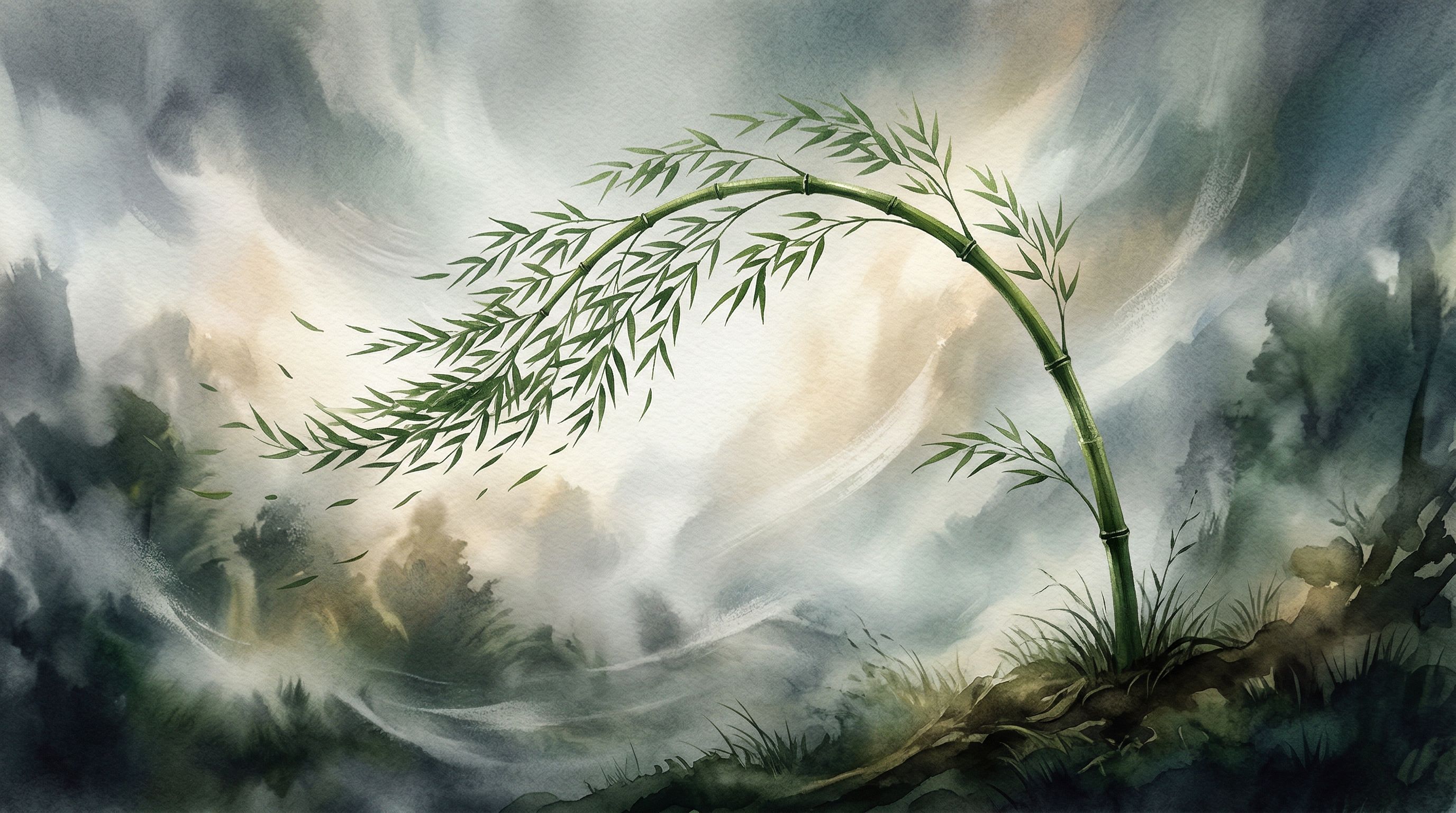
In my culture as a Baku, we are very fond of the image of bamboo. To become a flute, the wood must first be emptied of its substance. It’s a beautiful spiritual metaphor, don't you find? Sometimes, dreaming of this instrument suggests that you need to clear some space within yourself.
If you are too full of worries, too full of certainties, or too full of external noise, you can no longer produce music. The flute dream sometimes comes to tell you: "Release the pressure. Become hollow." It is in that void, that inner silence, that your own melody can finally resonate.
I have seen dreamers become upset because they saw a broken or cracked flute in their dream. They saw it as a failure of their creative self. Personally, I often see the opposite: it is a sign that an old way of communicating no longer works. It is time to change instruments, to find a new way to vibrate. We cannot play the music of tomorrow with the cracks of yesterday.
A Concrete Example: The Silent Performer
Consider the case of a young architect I once visited. He dreamt he was standing on a stage in front of a vast audience, holding a golden flute. Every time he tried to play, he realized the flute was actually a solid rod of metal—no holes, no hollow center. He felt a deep sense of shame.
In our reflection together, he realized that his life was "too solid." He had filled every hour with productivity, leaving no "hollow" space for inspiration to move through him. The dream wasn't telling him he lacked talent; it was telling him he lacked the space to let that talent breathe. Once he started scheduling "do-nothing" time, the flute in his dreams became hollow again, and the music returned.
---
Listening to the Afterglow
Honestly, interpreting sounds is undoubtedly one of the most delicate tasks for me. Images are still, but a melody takes flight the moment you try to catch it. Don't try to analyze every note of your flute dream mathematically. Instead, ask yourself: "How does my body vibrate when I think back to that sound?"
The answer is there, in the shiver or the sense of peace that remains when you wake up. Dreams never seek to frighten you without reason. Even a flute playing a sad air is simply a part of you that needs to be heard, a grief that needs to be exhaled so you can breathe freely again. Welcome this music; it is a reflection of your inner weather.
If you are afraid of forgetting the melody, or if the face of the person playing the instrument seemed familiar, you might want to note these details down. If you want to explore your dreams more in depth, your Baku is waiting to help you bridge the gap between the music of the night and the clarity of the day.
I sometimes wonder why modern dream guides completely ignore the material of the instrument itself. A silver flute does not carry the same weight as one carved from bone or clay. I once watched over a dreamer who was grieving a sudden loss; in her dream, she inherited a pale, fragile flute that felt cold to the touch. In shamanic traditions, the earliest flutes were made from bird bones—they carried the literal spirit of flight and death. If the instrument in your hands feels heavy, ancient, or strangely skeletal, your subconscious isn't just playing a tune; it is trying to digest a legacy. It is a slow, melodic release of things that have hardened inside you, almost like the slow fossilization of a memory you are finally ready to let go of. You are turning old pain into breath, and that is a quiet form of courage.
Have you ever noticed the quiet paradox of this instrument? To play the flute, you must completely surrender your mouth. You cannot speak, you cannot scream, and you cannot sing while your breath is channeled into those narrow wooden chambers. It forces a sacred silence upon your actual voice to let a deeper, non-verbal truth rise. Honestly, this fascinates me. When you find yourself playing in a dream, it often points to a phase in your waking life where intellectual arguments and endless explanations have exhausted you. You are being asked to stop explaining yourself to others. Like encountering a gentle deer in a clearing, the magic of the flute lies in its wordless presence. Your psyche is reminding you that some truths do not need to be debated or packaged into neat sentences; they just need to be felt as a vibration in the air.