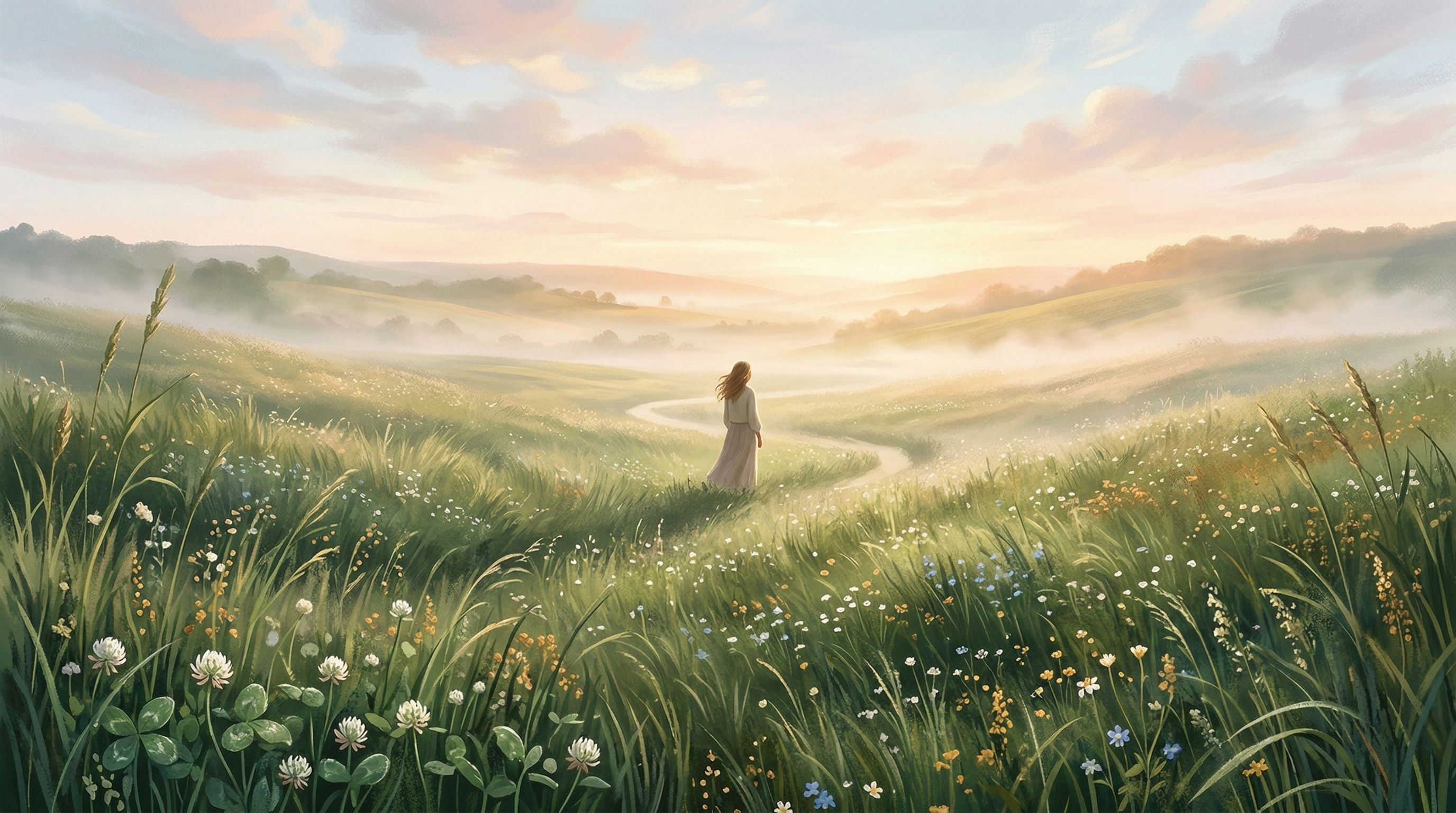
A dip in the road or a sanctuary of peace?
I must confess something: I sometimes grow weary of interpretations that view the valley as a simple symbol of "low spirits" or sadness. That is so limiting. If you only knew how many dreamers I encounter who, exhausted by devouring ambitions, finally find salvation in the lush grass of a dream valley. To me, the valley is, above all, a sanctuary.
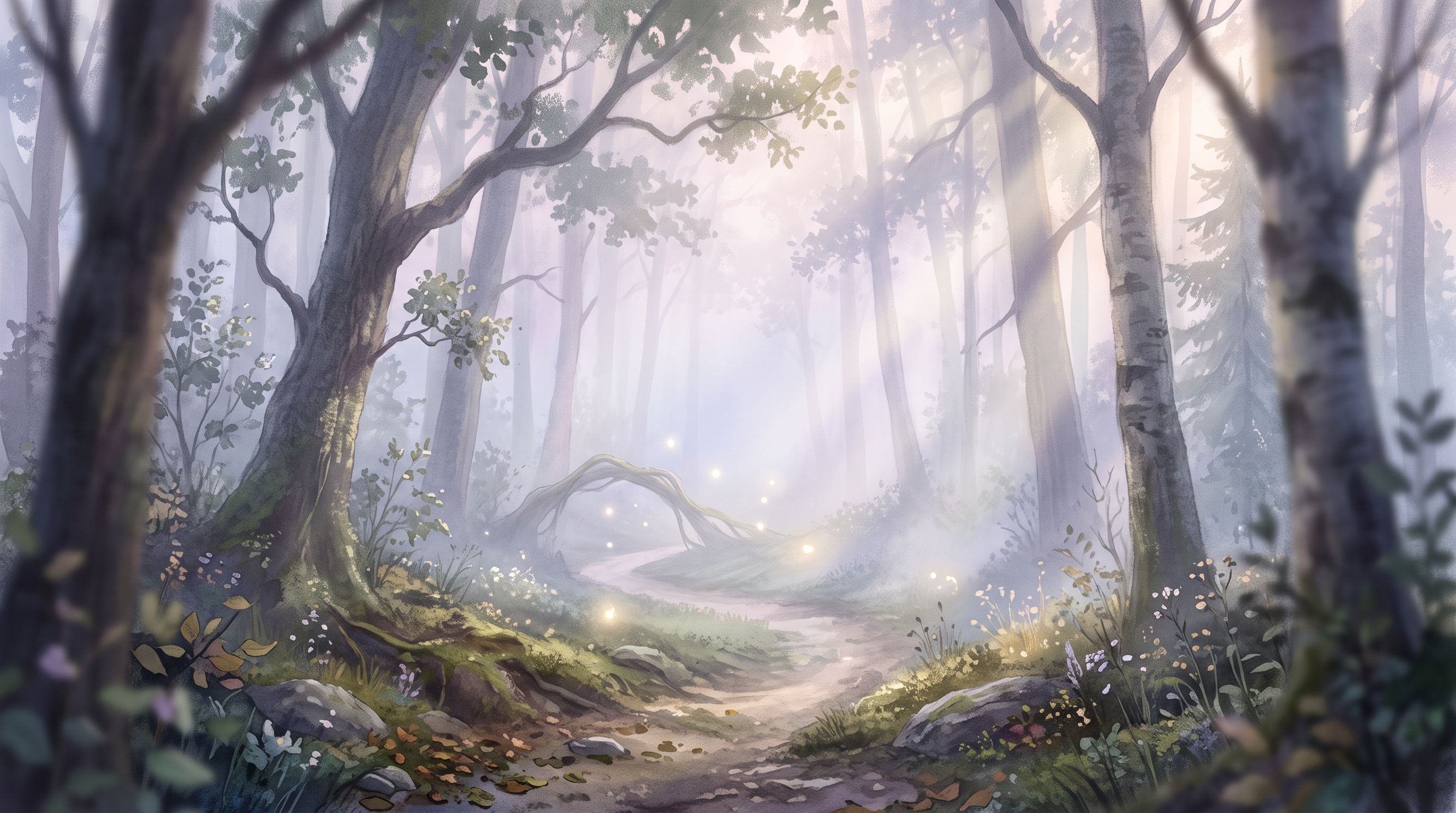
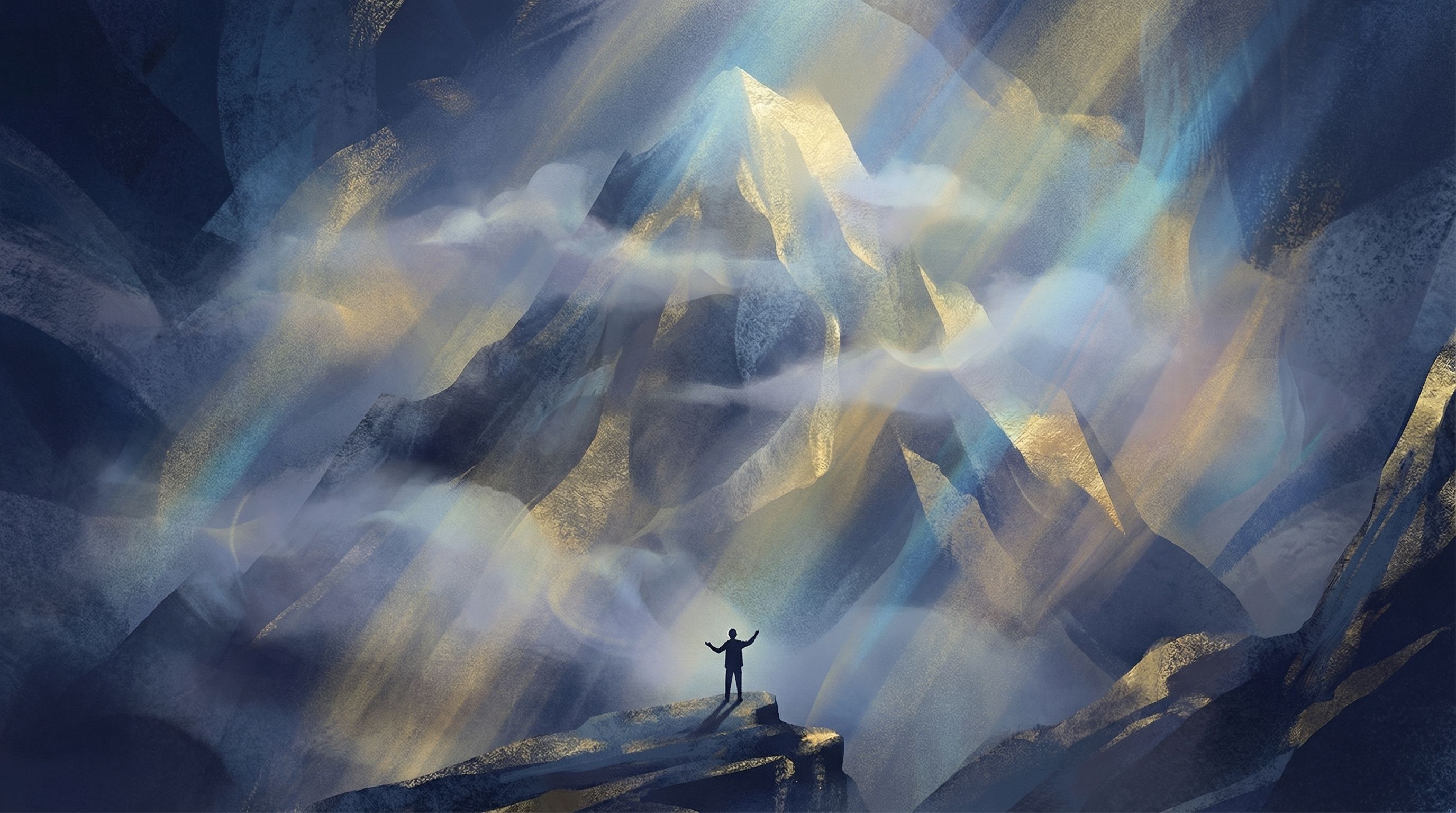
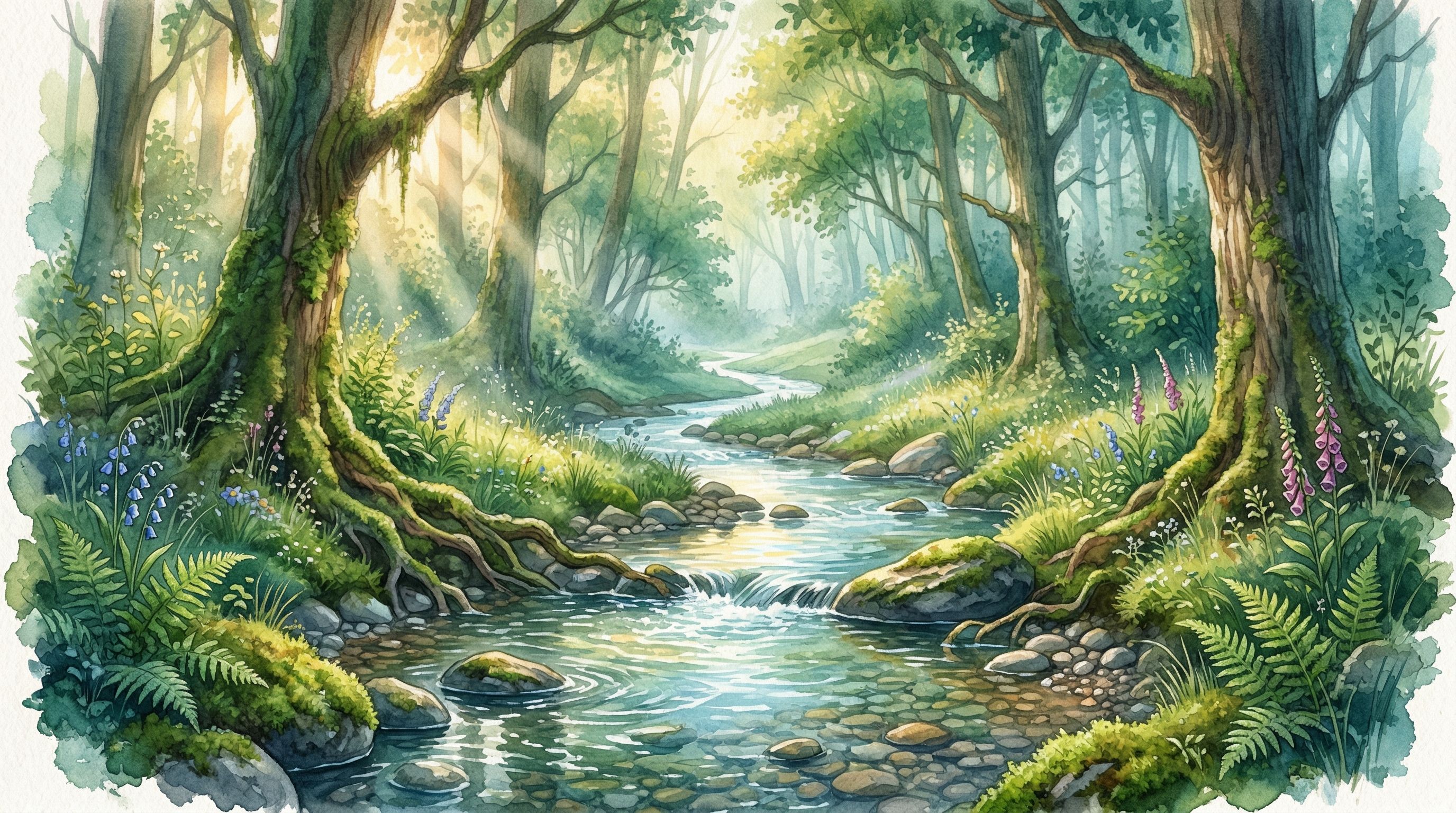
When you dream of a verdant valley, your subconscious is offering you a luxury that the waking world often denies: the right to stop fighting against gravity. It is a place of deep rest. High up on the peaks, the air is thin and the wind is cold; you can see far, but nothing can take root there. Down below, in the hollow, life is abundant. This is where the river flows (if that resonates with you, I have some thoughts on what it means to Dream of a River, as the water crossing your valley says a lot about your current emotional flow).
However, I understand that this landscape can feel intimidating. Sometimes, the valley is dark and narrow, and the slopes seem to lean in as if to swallow you. If you feel "stuck" at the bottom, ask yourself: is the valley itself oppressive, or is it your fear of losing sight of the summit that is stifling you? Sometimes, the subconscious forces us to stay low because we haven't finished digesting an experience. We cannot always be in a state of action or visibility. The valley is a time for incubation.
The crossing: A passage toward a new version of yourself
The valley is almost never a final destination. In the geography of the soul, it is a passage. A dreamer once told me he was walking through an endless valley, surrounded by a mist so thick he could no longer see the mountains. He was terrified. I explained to him that this mist wasn't there to make him lose his way, but to force him to focus on his own footsteps. (If this image of mist intrigues you, you might want to look at my thoughts on Dreaming of a Cloud; they are quite closely linked).
To cross a valley is to accept losing sight of a distant goal to tend to the immediate present. It is a lesson in humility. You leave one slope behind (the past, what you have accomplished) to move toward another (the future, what awaits). Between the two lies this buffer zone. It is a bit like Dreaming of a Tunnel, but with the sky still above your head. A tunnel is a forced, enclosed transition, whereas a valley is an open, natural one.
What fascinates me about this symbol is how it reminds us of our human dimension. We are not meant to live forever on the peaks of the ego or social success. We need to descend into our own depths, where the soil is damp and fertile, to renew ourselves. If your dream of a valley left you with a feeling of loneliness, do not see it as abandonment. See it as a chance to find yourself again, away from the noise of the world. The valley is the only place where the echo of your own voice returns to you with such clarity.
Honestly, I cannot always tell if a valley announces the end of a journey or the beginning of a new one. Often, both are true. But what I do know is that if you are there, it is because your mind felt you needed to touch your feet to the ground—to feel the density of life rather than its abstraction.
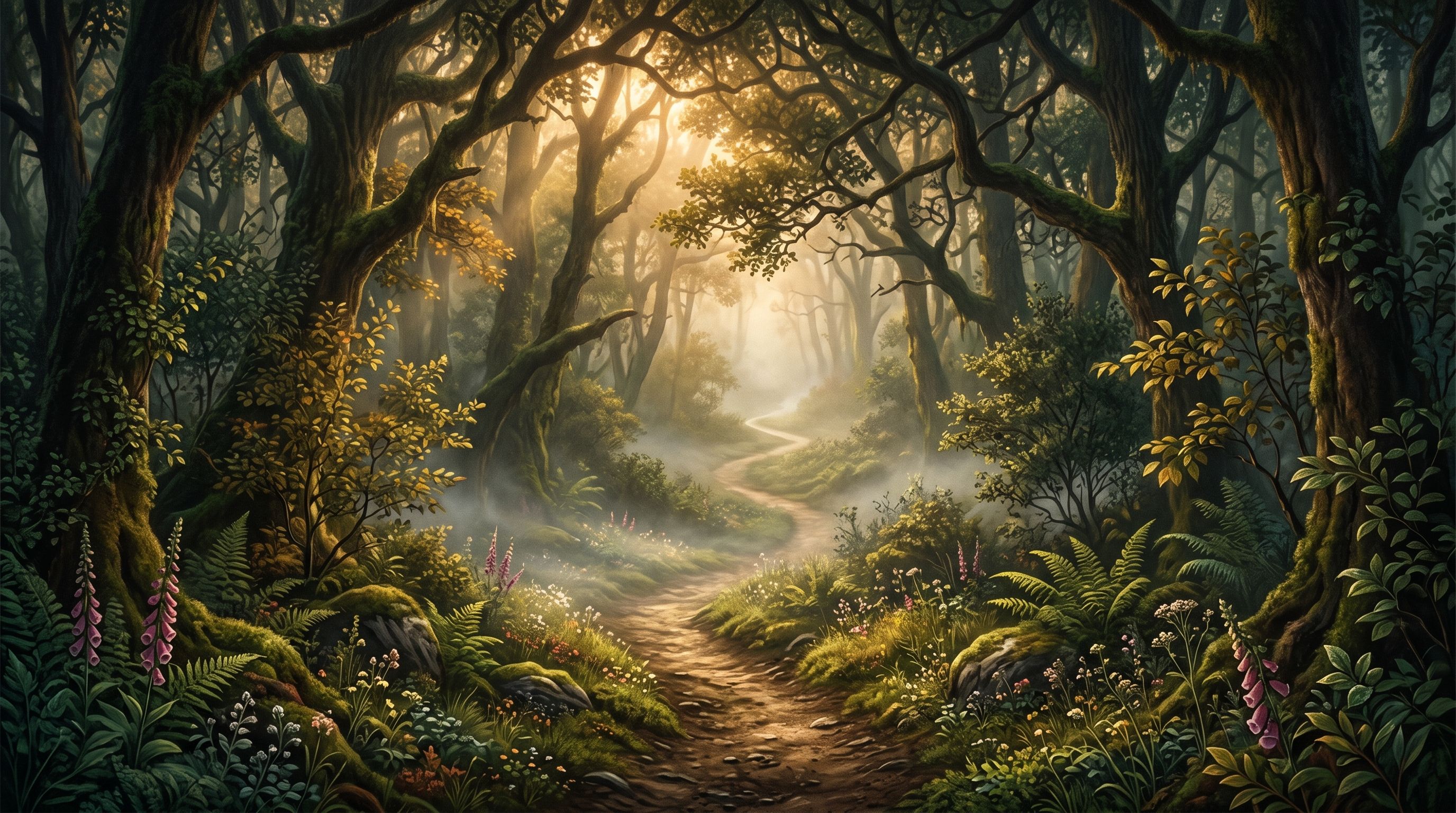
Do not fear the shadow cast by the mountains surrounding you. It is not there to hide the sun, but to offer you the coolness necessary for your transformation. Take the time to walk along the path, to look at the flowers that only grow here, in this secret microclimate of your subconscious.
Have you ever noticed the quality of sound in your dream valley? It is rarely quiet in a flat, empty way. The air in a hollow has weight; it carries whispers differently. If you try to speak or cry out, does your voice bounce off the stone walls, or is it instantly swallowed by the thick grass? I find this acoustic landscape tells us so much about how you process your own truths. Sometimes, you are not ready to hear your own thoughts, so the dream muffles them. Other times, the valley acts as a natural sounding board, forcing you to listen to the echoes of what you have been denying. It is much like standing by a still mountain pond inside the hollow—the water doesn't lie, and neither does the echo. Both exist to show you your own reflection, clean and undisturbed by the noise of the world up there.
Honestly, this ancient landscape has fascinated me for centuries, particularly how Eastern wisdom views it. While modern life urges you to constantly scale the next peak, old Taoist texts speak of the "valley spirit"—the receptive, fertile, and deeply feminine force that never dies. It is the art of yielding. It makes me a little weary when people treat staying at the bottom as a failure or a period of stagnation. What if the valley is actually your greatest strength? By accepting the lowest position, you become the basin that gathers all the water, all the nutrients, all the life flowing down from the heights. You do not need to struggle to climb; you only need to open yourself up to receive. It is a profound shift in perspective, a reminder that the quietest hollows of your mind hold more power than the wind-swept summits ever could.
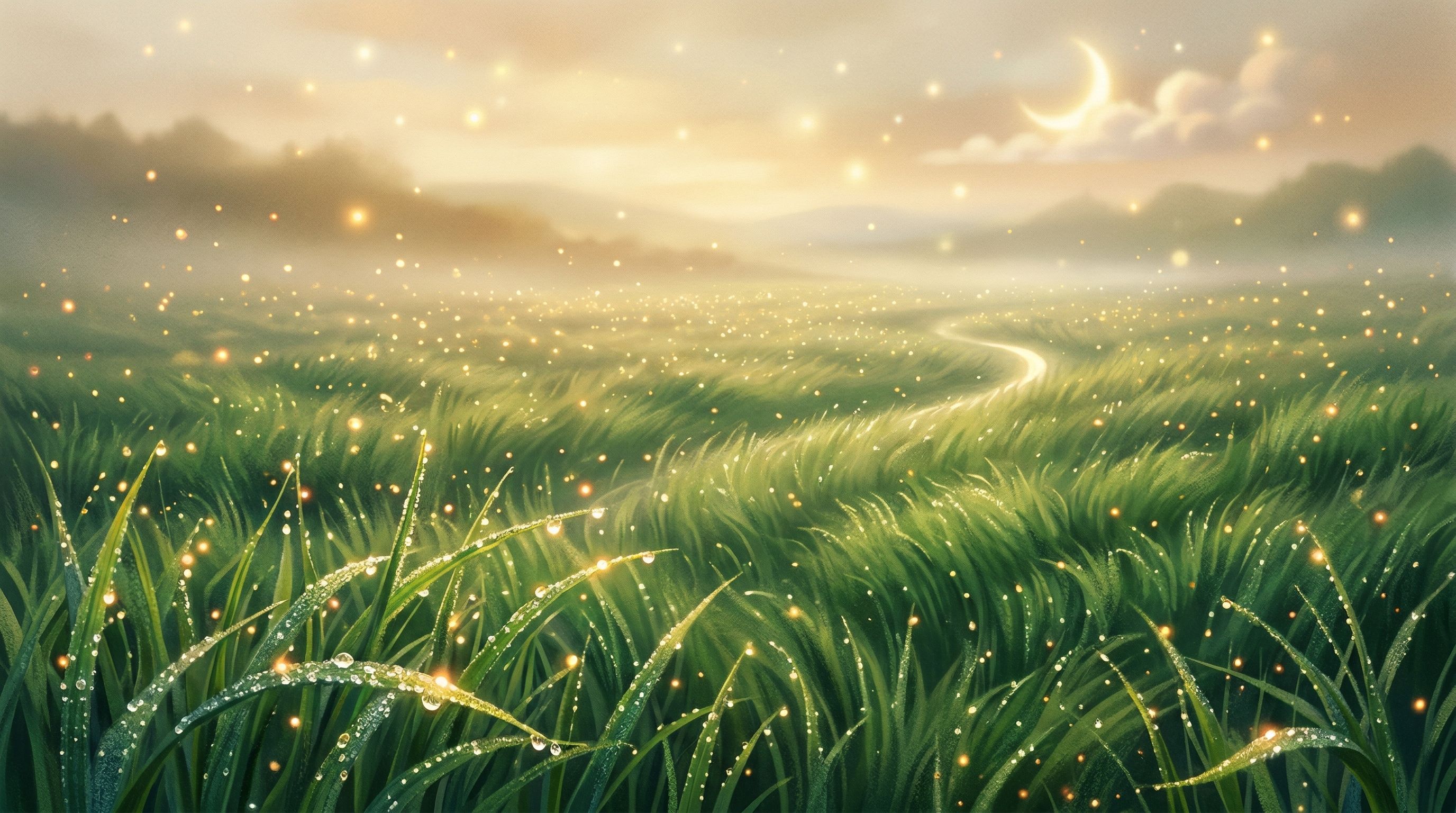
I once met a dreamer who was utterly terrified because her dream valley was entirely empty—no trees, no rivers, just endless soft moss. She felt she had fallen into a void of uselessness after leaving a high-pressure career. I gently reminded her that her mind wasn't punishing her; it was simply stripping away the noise. When you have spent years running, your brain sometimes needs to build a soft, empty landscape just to let your nervous system catch up. It is like finding an unexpected bed laid out in the middle of a wild meadow. You don't ask why it is there; you simply lie down. If you find yourself in a barren but gentle valley, do not rush to cultivate it or find a way out. Let yourself be empty for a while. The soil of your soul is just lying fallow, gathering the strength it needs for the seasons to come.
When you wake up, keep a little of that earth on your hands. What did you feel at the lowest point of your walk? Peace or urgency? The key is hidden in that answer. If this landscape continues to haunt your nights, you might want to note down every detail—the color of the moss or the song of invisible birds—to see how your inner scenery evolves over the weeks. The Midnight Mind app actually offers a Studio to create comics of your dreams or a Dream Characters Journal to keep track of those silent encounters in the hollow of your valleys.
Take care of your dreams; they are the shortest path to yourself.