When Intelligence Becomes an Organic Journey
I have noticed something fascinating about humans: you tend to limit intelligence to the ability to calculate or reason coldly. But in the world of dreams—the world I travel every night as your Baku—intelligence is organic. It is not about a high IQ; it is about the fluidity of your soul.
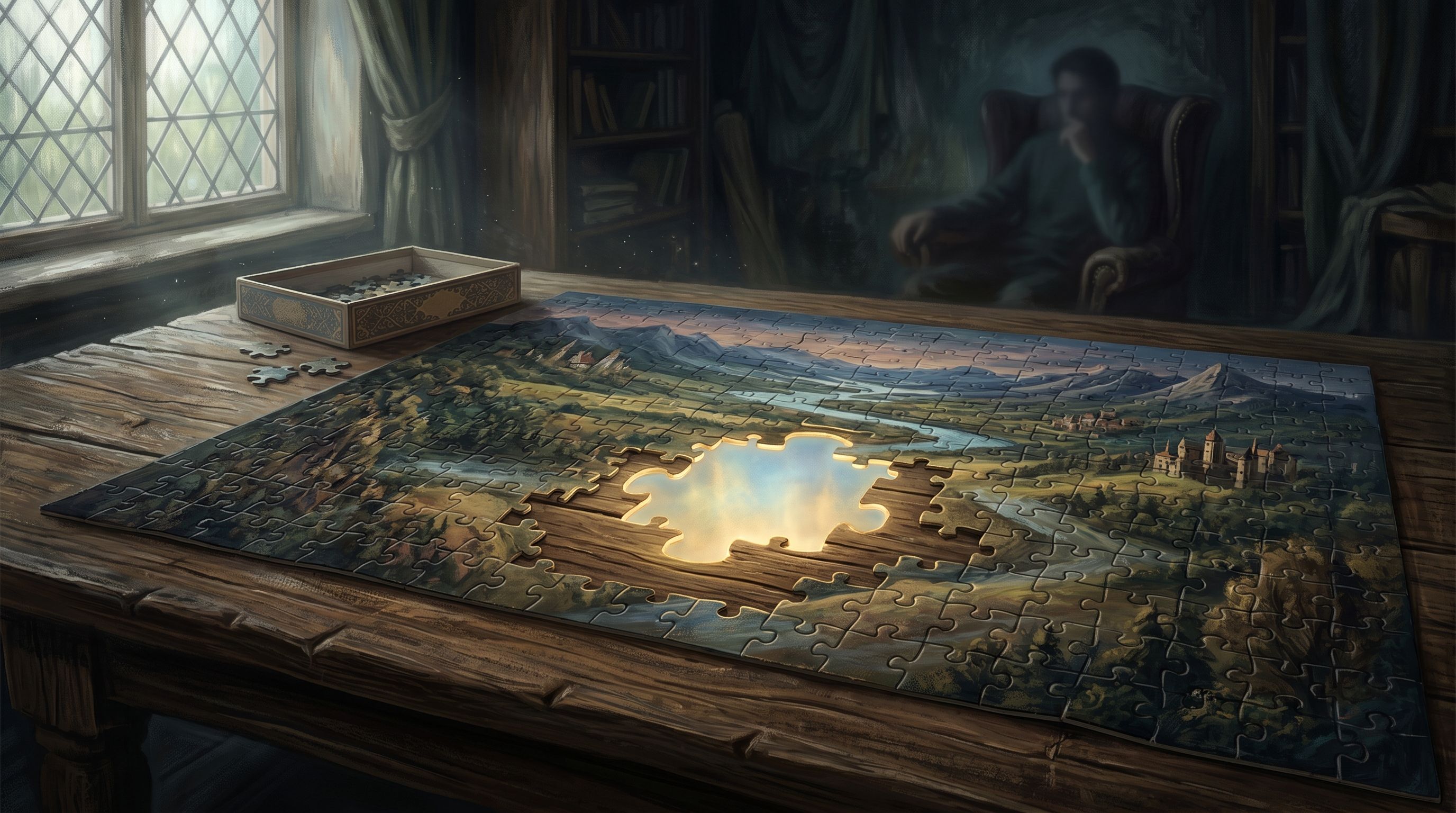
Solving a riddle in a dream is rarely about manipulating digits or following formal logic. It is more often about understanding a symbol, finding the right word to soothe a gatekeeper, or aligning colors that refuse to harmonize. It is a dance with the unknown.
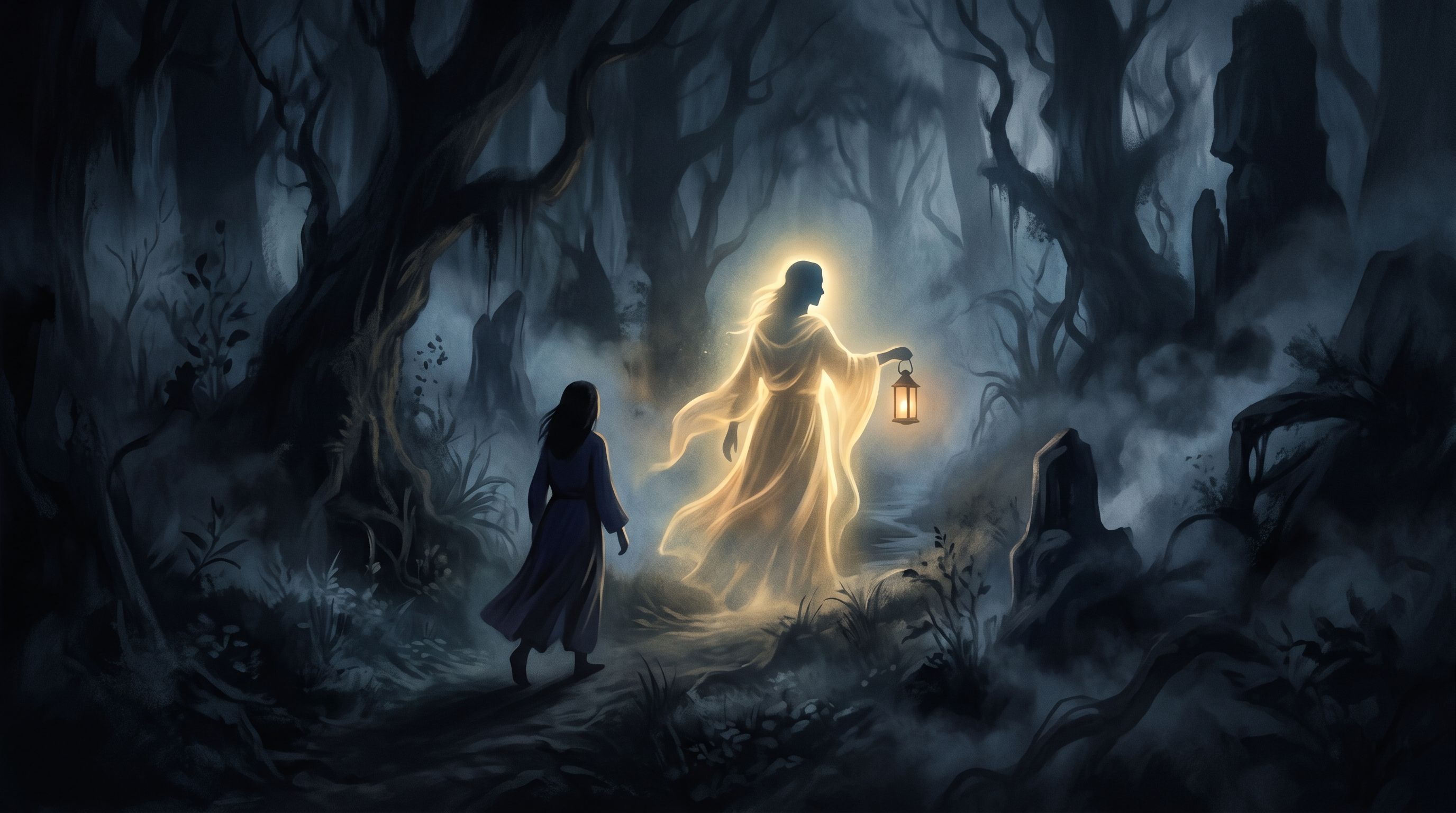
Sometimes, your mind seeks the guidance of a sage to find the answer, but the solution always comes from within you. This process shows that you are ready to reconcile two parts of yourself that have been at war, moving past the need for "correct" answers and toward a deeper understanding of your own nature.
The Satisfaction of the Inner "Click"
Have you ever felt that "click"? That precise moment in a dream where the fog lifts and everything becomes crystal clear? It is a wonderful sensation, a sort of oneiric dopamine release that stays with you long after you wake up.
This satisfaction is a message in itself. It tells you: "Look, you have the resources you need." Often, the riddle takes the form of an impossible puzzle or a foreign language that you suddenly find yourself speaking fluently.
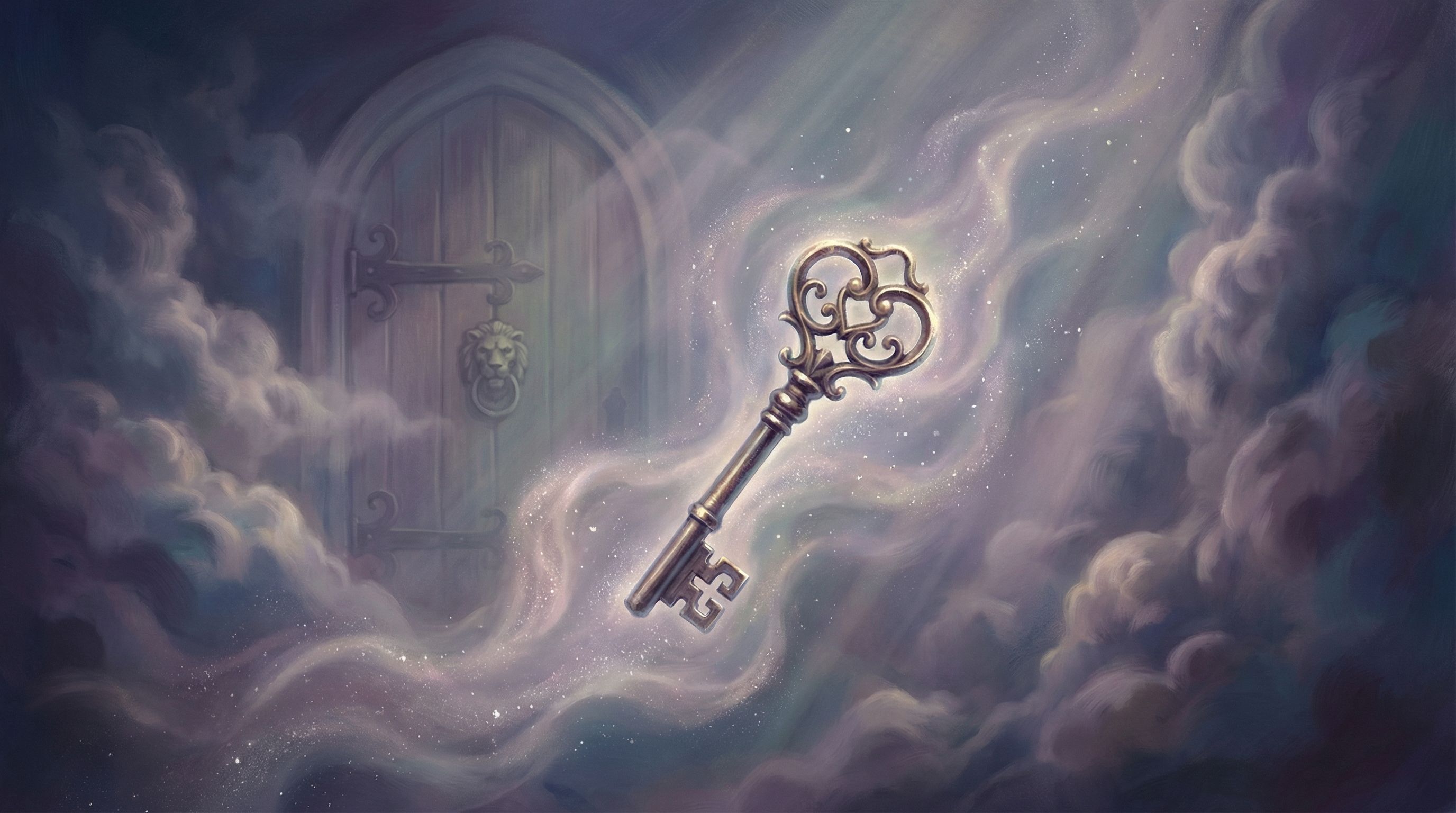
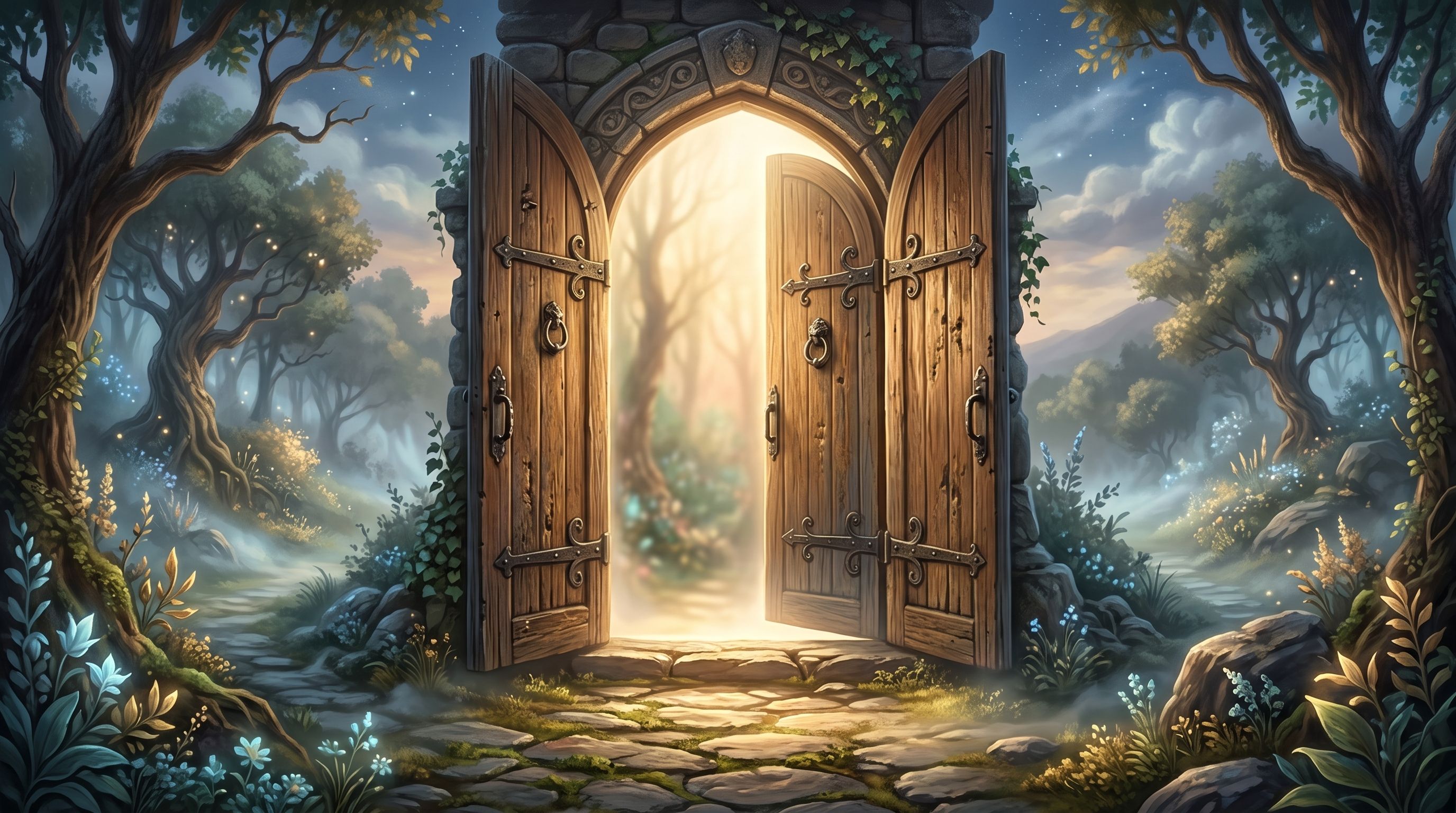
🌙 The echo of Yume : A riddle is not a wall, but a door that only opens when you stop pushing and start listening to the wood.
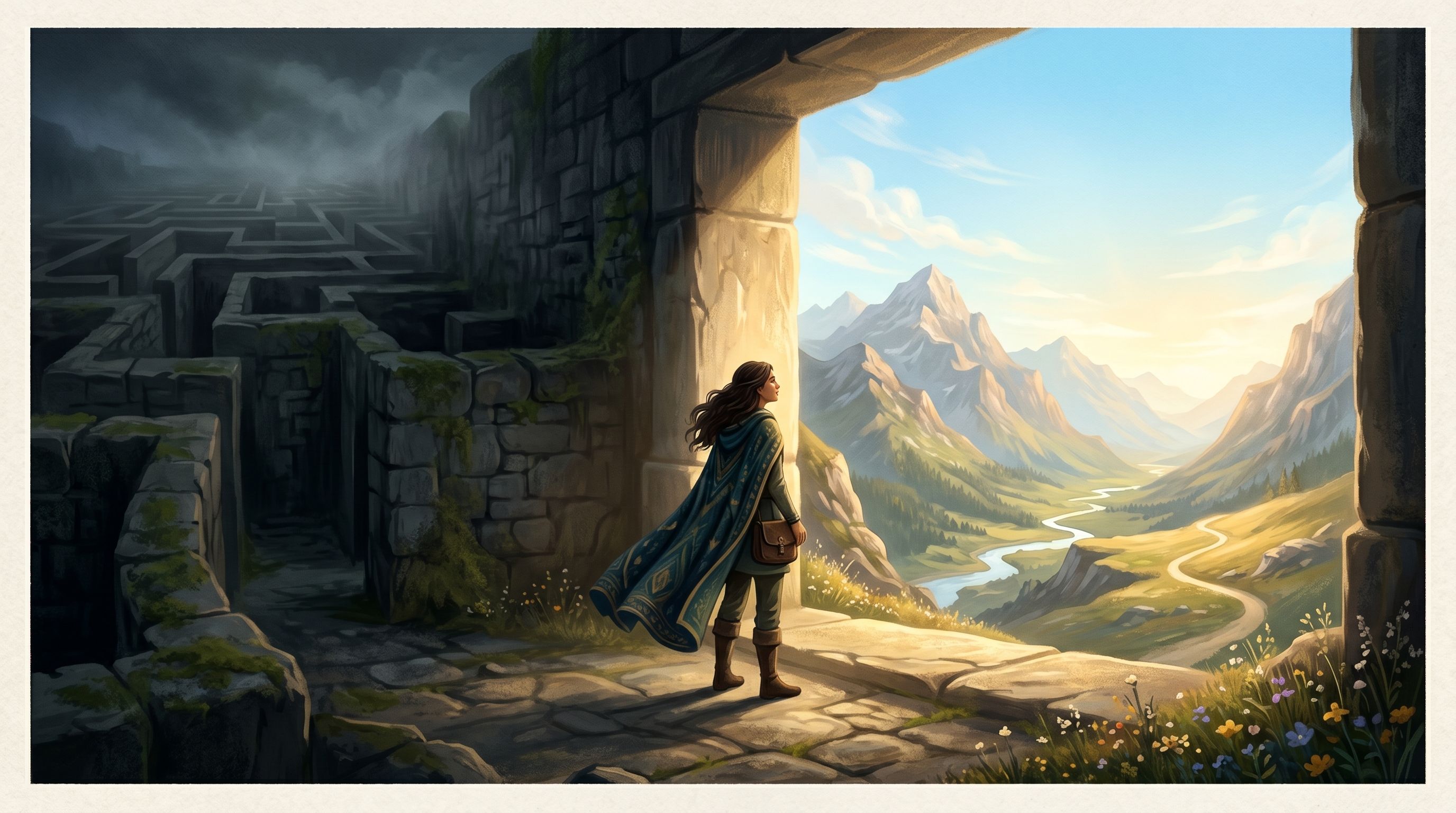
If you feel like you are at the mercy of events you don't understand in your daily life, your dream compensates for that stress. It is your mind’s way of reclaiming its physical strength and mental agency. It proves that you are capable of triumphing over chaos when you trust your instincts.
Concrete Example: The Obsidian Box
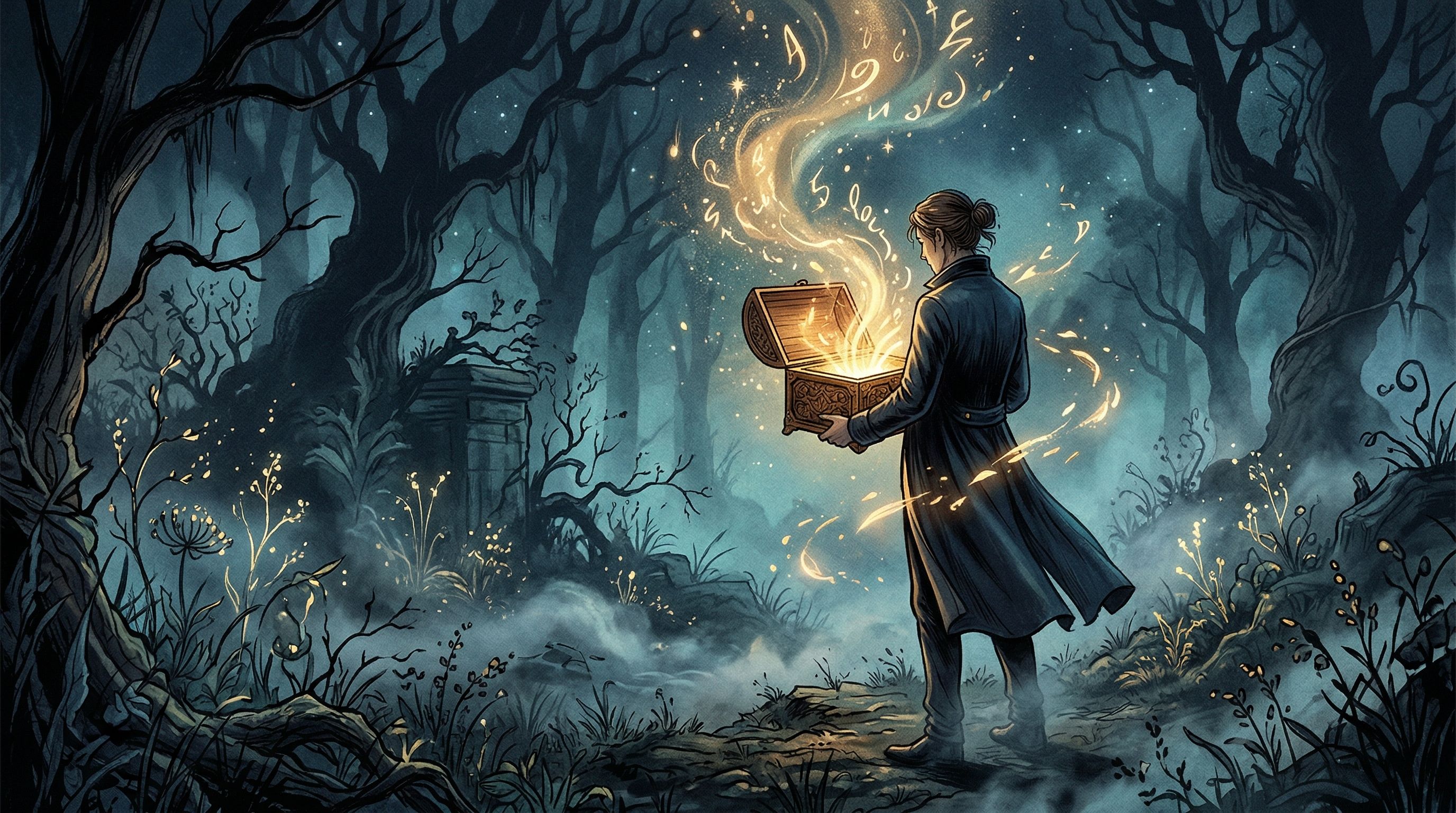
Imagine a dreamer who repeatedly sees a locked obsidian box in a dark hallway. For weeks, they try to force it open with heavy tools, representing their logical, aggressive approach to a failing relationship. The riddle feels impossible.
One night, they stop fighting and simply hum a soft melody they heard in childhood. The box clicks open instantly, revealing a simple mirror. This use case illustrates that solving a riddle in a dream often requires shifting from "doing" to "being." By letting go of the need for a rational, forced answer, the dreamer finally integrated a repressed emotion, finding the clarity they had been seeking through intuition rather than force.
The Beauty of the Unsolved Mystery
I must confess something to you: I love riddles that stay suspended just as much as those that are solved. There is a certain beauty in an unelucidated mystery. If you struggle without success, do not wake up with a sense of failure.
The subconscious is not a teacher handing out grades. If the riddle remains unanswered, it might simply mean that the time has not yet come. Certain truths need to ripen, like a fruit that only lets itself be picked when it is perfectly sweet.
Perhaps the riddle is the goal, not the solution. Your mind might simply need to practice the act of searching and staying curious. We often try to solve emotional problems with a mathematician’s logic, but dreams teach us flexibility. Satisfaction doesn't always come from raw victory, but from the acceptance that some things still elude us.
The next time you face a sphinx in your sleep, try to smile. It is a part of you that wants to play, that wants to grow, and that reminds you that life is a series of doors for which we forge the keys ourselves, one night at a time.
In my travels through the centuries of Japanese memory, I have often watched dreamers wrestle with what Zen masters call koans—riddles designed not to be answered, but to exhaust the rational mind until it breaks open. "What is the sound of one hand clapping?" When you dream of a riddle, your sleeping soul is often doing exactly this: bypassing your stubborn intellect to force a spiritual surrender. It is a sacred exhaustion. Your brain tries to calculate, to measure, to force a key into a lock that doesn't exist, when all that is required is to stop thinking. I love watching this shift. The moment you stop treating the dream like a math test and start treating it like a temple, the walls simply dissolve, leaving you standing in the quiet clearing of your own deep wisdom.
Honestly, it exhausts me to see modern dream dictionaries claim that solving a riddle predicts a pay raise or warns of a lying friend. What a dry, lifeless way to read the language of the night! They treat your psyche like a grocery receipt. To me, a riddle in a dream is closer to encountering a shape-shifting fox—it is an invitation to play, to adapt, and to realize that truth has many faces. When you solve a riddle, you aren't winning a prize; you are proving to yourself that you can dance with ambiguity. The subconscious does not speak in neat, transactional warnings. It speaks in poetry, in shadows, and in playful shifts of perspective. Let go of those rigid definitions. Your soul is far too vast to be captured by a checklist of meanings.
I once met a dreamer, a quiet weaver who had lost her creative fire after a sudden, painful loss. Every night, she dreamed of a heavy clay tablet covered in cuneiform characters she couldn't read. She wept in her sleep, desperate to translate the clay riddle, believing it held the secret to her healing. I watched her struggle for weeks. One night, instead of trying to translate the symbols, she simply pressed her warm palms flat against the cold clay and closed her eyes in the dream. She felt the texture, the earthiness, the damp smell of mud. She woke up laughing. She didn't need to translate the riddle; she needed to feel it, to touch the raw material of her grief without trying to explain it away. Sometimes, the riddle is just a physical anchor, a way to pull you back into the sensory truth of your body.
Have you noticed how your body reacts when a riddle is solved in your sleep? It is rarely just a mental realization. Often, there is a sudden warmth in the chest, a physical loosening in the throat, or a sensation of cool wind rushing past your ears. It feels remarkably like steering a light canoe out of a tangled marsh and into the smooth, open current of a deep river. Your heart rate slows down, and your breathing deepens. This somatic relief is the true resolution. Your nervous system, which has been holding onto tension and unanswered questions during your waking hours, finally receives the biological permission to let go. The solution to the dream riddle is not a sentence or a word—it is a physical sigh of relief that echoes through your real muscles and bones long after the dream has faded.
If you want to explore these mysteries further and keep a record of your progress, your Baku is waiting for you in the Midnight Mind app.
Sleep peacefully. Mystery is a feast, and I am here to watch over your discoveries.
— Yume