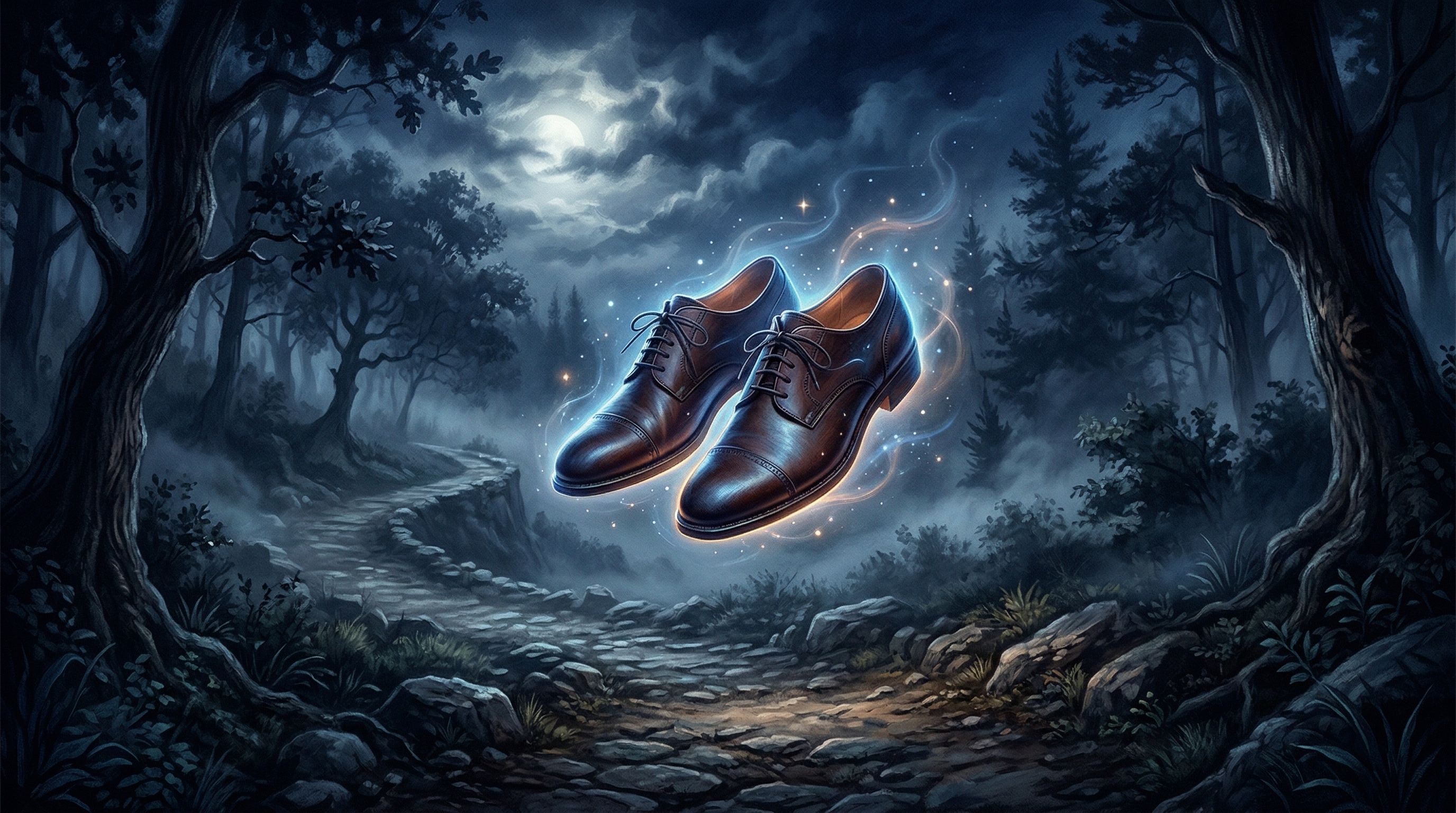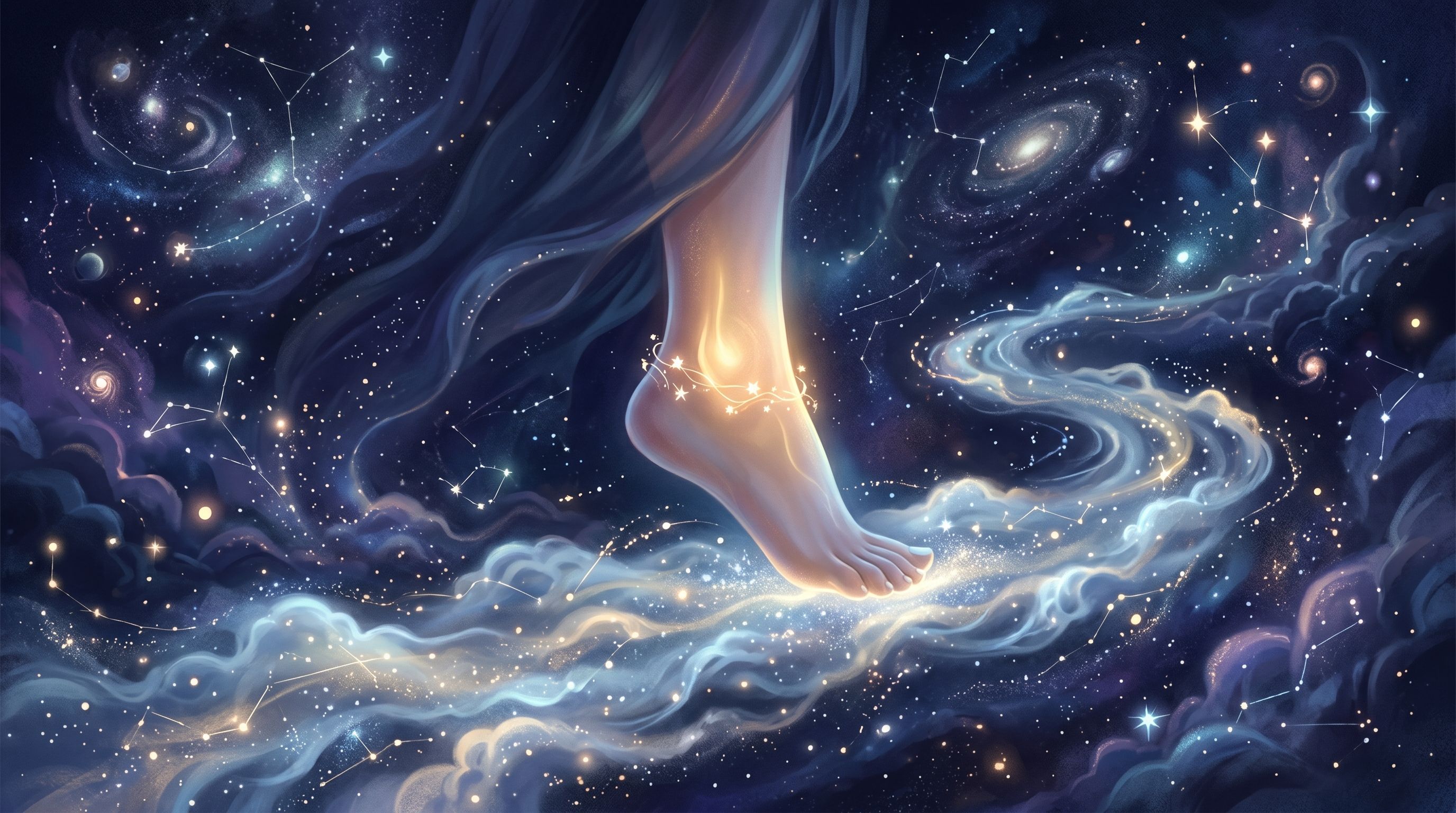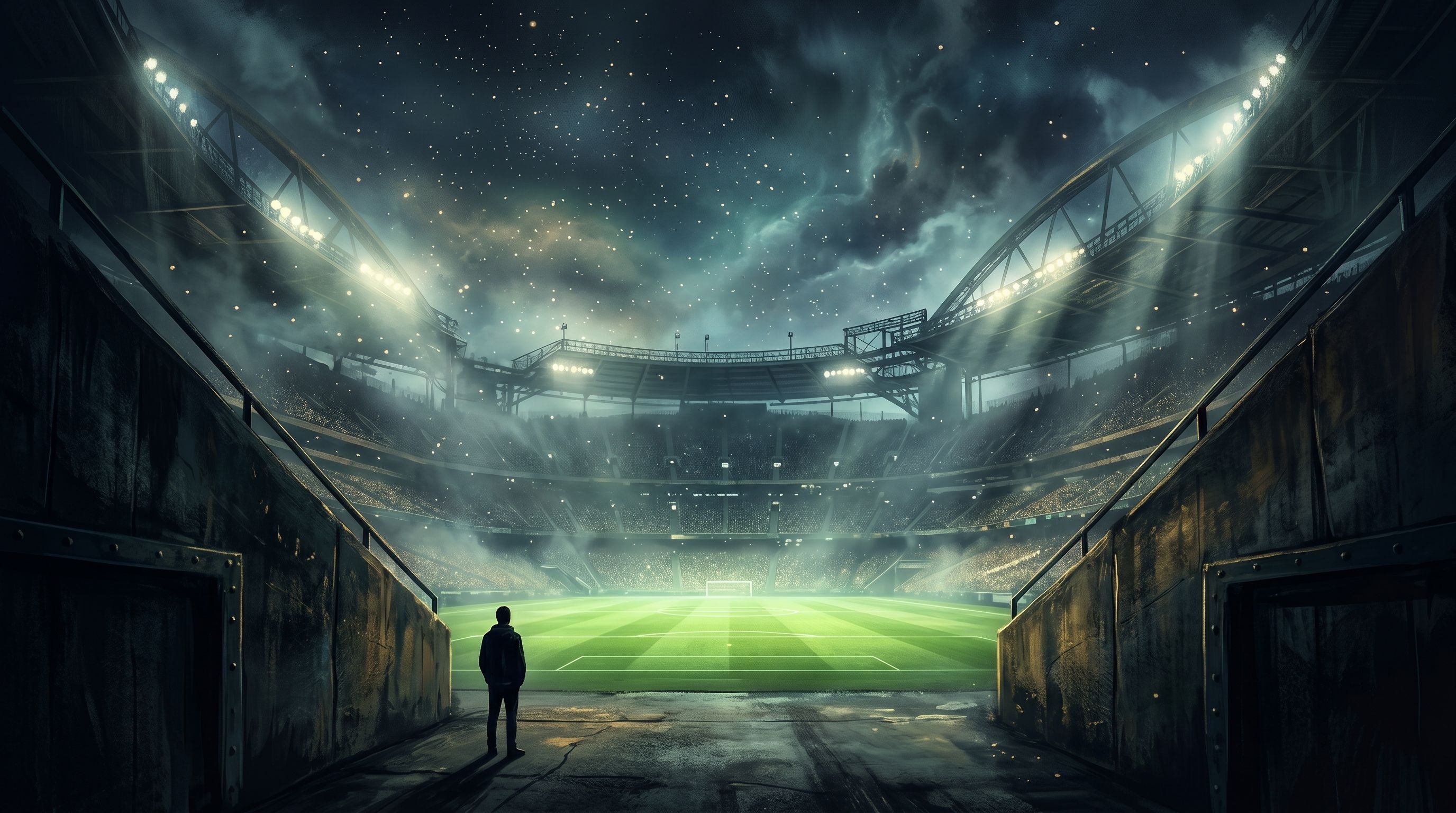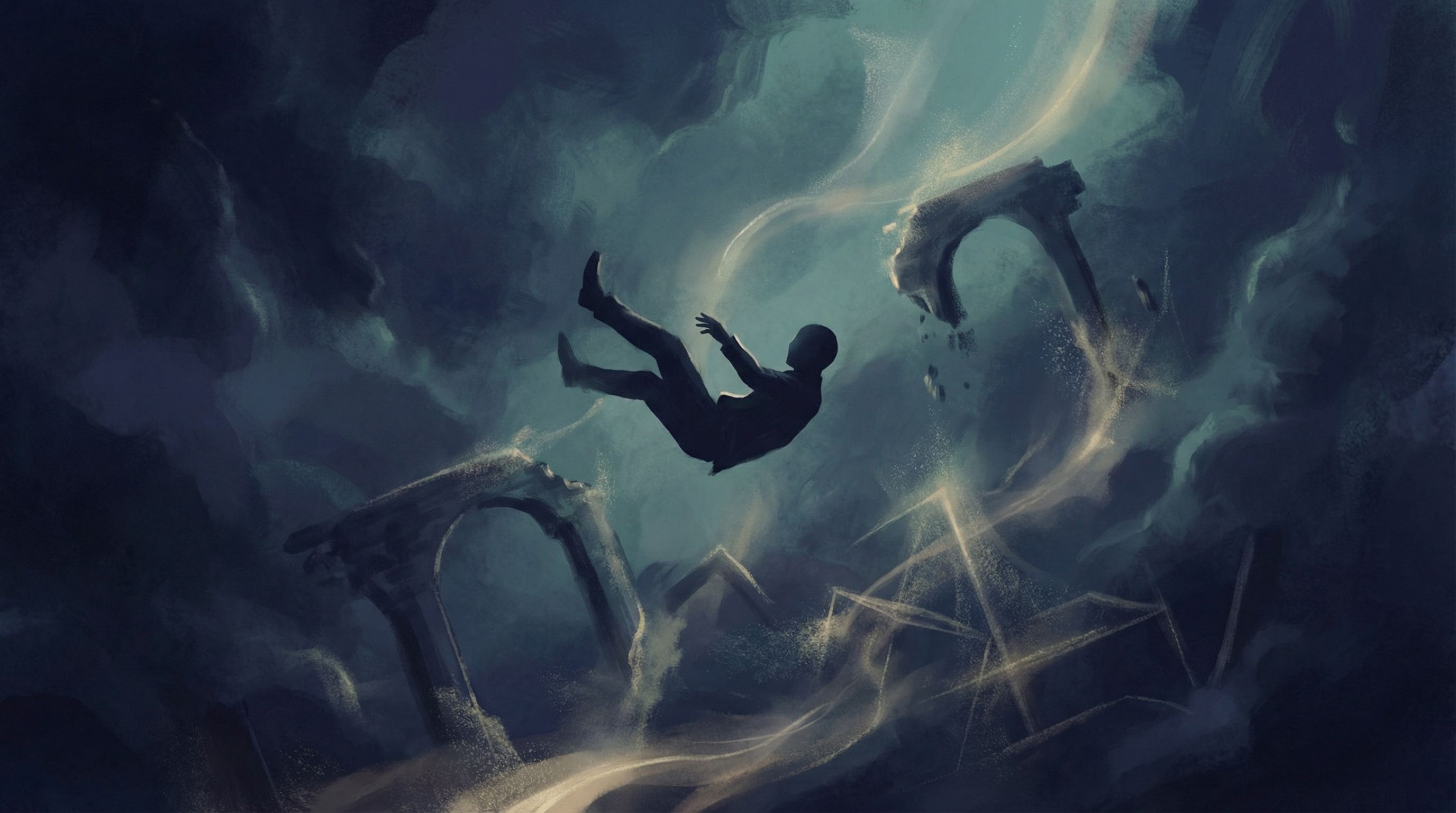
The Glide: The Art of Negotiating with Gravity
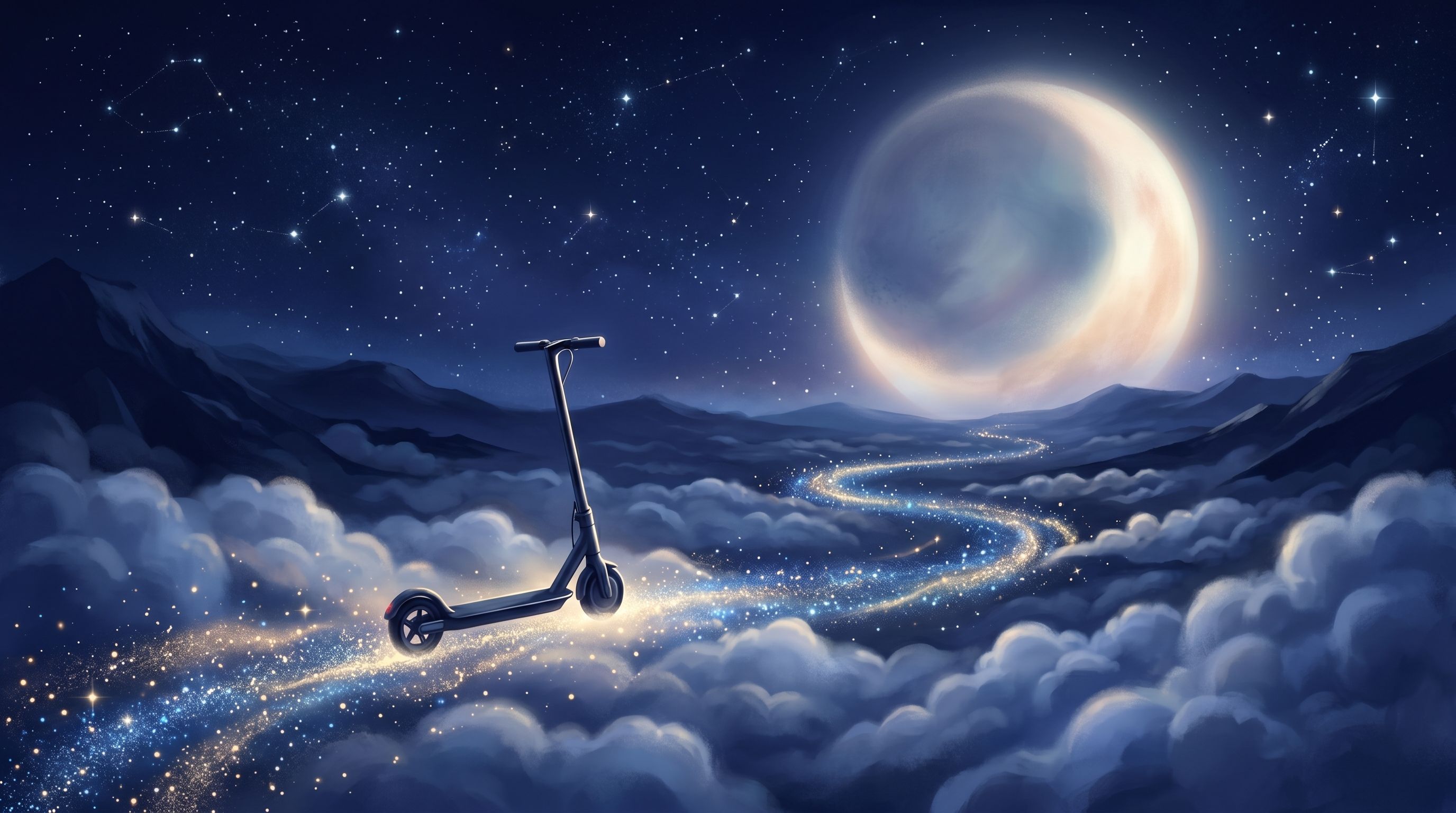
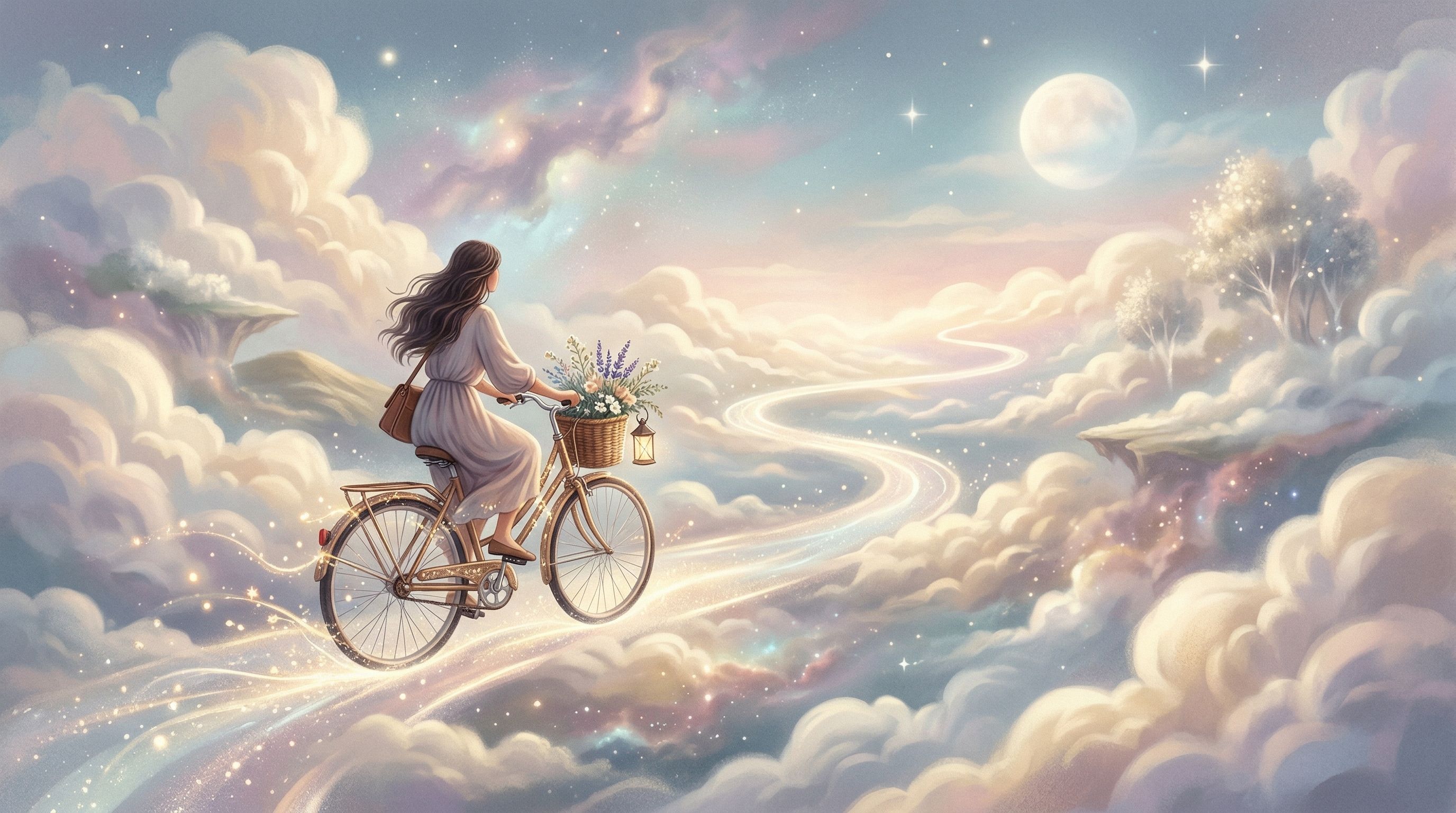
In the world of spirits and dreams, the skateboard is often misunderstood. It is too quickly tucked away in the "hobbies" or "youth" category. But for me, as a Baku who has observed your consciousness for so long, I see a much deeper metaphor: the mastery of impermanence. When you dream that you are rolling, you aren't just moving from place to place. You are searching for your center of gravity.
It is a bit like trying to find that inner balance: if you are too rigid, you fall at the first pebble; if you are too limp, you lose your direction. The skateboard in your nights asks you: "Where are you placing your weight right now?" Are you leaning too far into the future (forward), at the risk of tipping over, or are you too anchored in your regrets (backward), which stalls your momentum?
I have often seen dreamers become frustrated because they couldn't "stay" on the board in their dream. They see it as a sign of failure. What a mistake! For a Baku, it is not the fall that counts, but the movement. If the board slips away, perhaps the tool you are using to move forward in your waking life is no longer suited to the roughness of the terrain. Sometimes, your subconscious is simply suggesting that you slow down to better feel your contact with the ground. Freedom isn't just about going fast; it’s about knowing how to stop without breaking.
Pavement and Momentum: When the Subconscious Picks Up Speed
The setting of your skateboard dream is just as crucial as the board itself. Is it a smooth, reassuring skatepark, or a dizzying mountain descent?
If you see yourself flying down a slope without brakes, the dominant emotion is the key. Fear? Your subconscious is signaling that you may have launched a project or a relationship that exceeds your current capacity for control. Exultation? You are finally ready to let go, to trust your instinct rather than your mental calculations. The skateboard is an object of "flow." It demands total attention, a presence in the moment that few other symbols can convey.
I occasionally encounter dreams where the skateboard is broken or rusted. This is a symbol that touches me deeply. It speaks of a freedom we have set aside, a spontaneity we have tucked away in the garage in order to be "sensible." Finding an old board in a corner of your mind is often a sign that it is time to inject a little play and improvisation back into your daily life.
The back-and-forth movement, whether in a half-pipe or on a sidewalk, sometimes recalls the rhythm of a pendulum: a necessary oscillation between effort and rest, between the climb and the descent. We cannot always be at the peak of the curve; we must accept the descent to regain our speed.
Honestly, I find the skateboard to be one of the most honest symbols your mind can produce. There is no way to cheat. If you dream that you successfully land a complex trick, it means you have integrated a new skill—a more flexible way of approaching a problem that once seemed insurmountable. It is a celebration of your mental agility.
A Piece of Advice for Your Next Night
If the skateboard returns to visit you, do not try to analyze it like a math equation. Instead, feel the wind on your face and the vibration of the wheels in your legs. The dream is not threatening you with a fall; it is showing you that you already possess the equipment needed to traverse the landscape of your life, however rugged it may be. The next time you step onto that dream board, try not to look at your feet. Look at the horizon. That is where the direction your soul wishes to take is waiting.
Have you ever noticed the intense noise of the wheels in these dreams? That hollow, rhythmic clacking against the sidewalk cracks—clack-clack, clack-clack. Unlike the roaring speed of dreaming of a motorcycle where an engine shields you from the ground, the skateboard transmits every single vibration directly into your skeleton. Sensation is the subconscious's way of pulling you back into your body. If your dream was filled with the gritty texture of asphalt, the rough grip-tape under your soles, or the jarring shock of a stone stopping your wheel, your mind isn't trying to punish you. It is trying to wake up your dormant physical intuition. In our modern lives, we spend so much time floating in abstract thoughts, screens, and endless plans. The board appears to remind you of what it feels like to actually touch the earth, vibrations and all, and to trust the wisdom of your ankles over the hesitation of your intellect.
I once met a dreamer—a brilliant architect who felt completely stuck in his career—who kept dreaming of attempting an "ollie," that basic trick where the rider and the board jump together as one. Every time he tried to lift off, the board stayed glued to the concrete while his body sailed uselessly into the air. He was furious with himself, convinced he lacked the strength to rise. But the secret of the glide, much like the ancient Taoist principle of effortless action, lies in a beautiful paradox: you cannot force the board to follow you by gripping it; you must let it rise naturally through a brief, weightless release of pressure. It made me smile, albeit with a slight pinch of sadness, because he was doing the exact same thing in his waking life—holding on so tightly to his professional outcomes that he was crushing his own capacity to launch. Sometimes, to lift your life to a new level, you have to temporarily stop pushing down so hard on everything around you.
Honestly, it tires me to see popular dream guides claim that falling off a skateboard indicates a loss of control or an impending failure. What a sterile way to look at the soul! In the language of the night, grazing your knee or tumbling onto the grass is not a warning of doom; it is an initiation. You cannot learn to balance without first learning the texture of the ground. When your dream self slides off the wooden deck, it is often a gentle, melancholic reminder that you are allowed to be clumsy. If you are currently facing a massive transition—perhaps stepping into a creative project or navigating a quiet loneliness—stop expecting yourself to glide flawlessly. The pavement is hard, yes, but it is also honest. It teaches us where our boundaries lie. Accepting the possibility of a rough landing is often the very thing that finally frees us to ride with absolute grace.
If you feel that these images of gliding hide deeper messages, or if other mysterious objects inhabit your nights, take the time to record them. This is how we learn to no longer fear the shadows. To help you keep track of these sensations and see how your dreams evolve, Midnight Mind allows you to create your own journal of symbols and even bring these moments of freedom to life visually. It is a beautiful way to ensure your momentum doesn't evaporate with your first cup of morning coffee.