A Map That Refuses to Reveal Itself
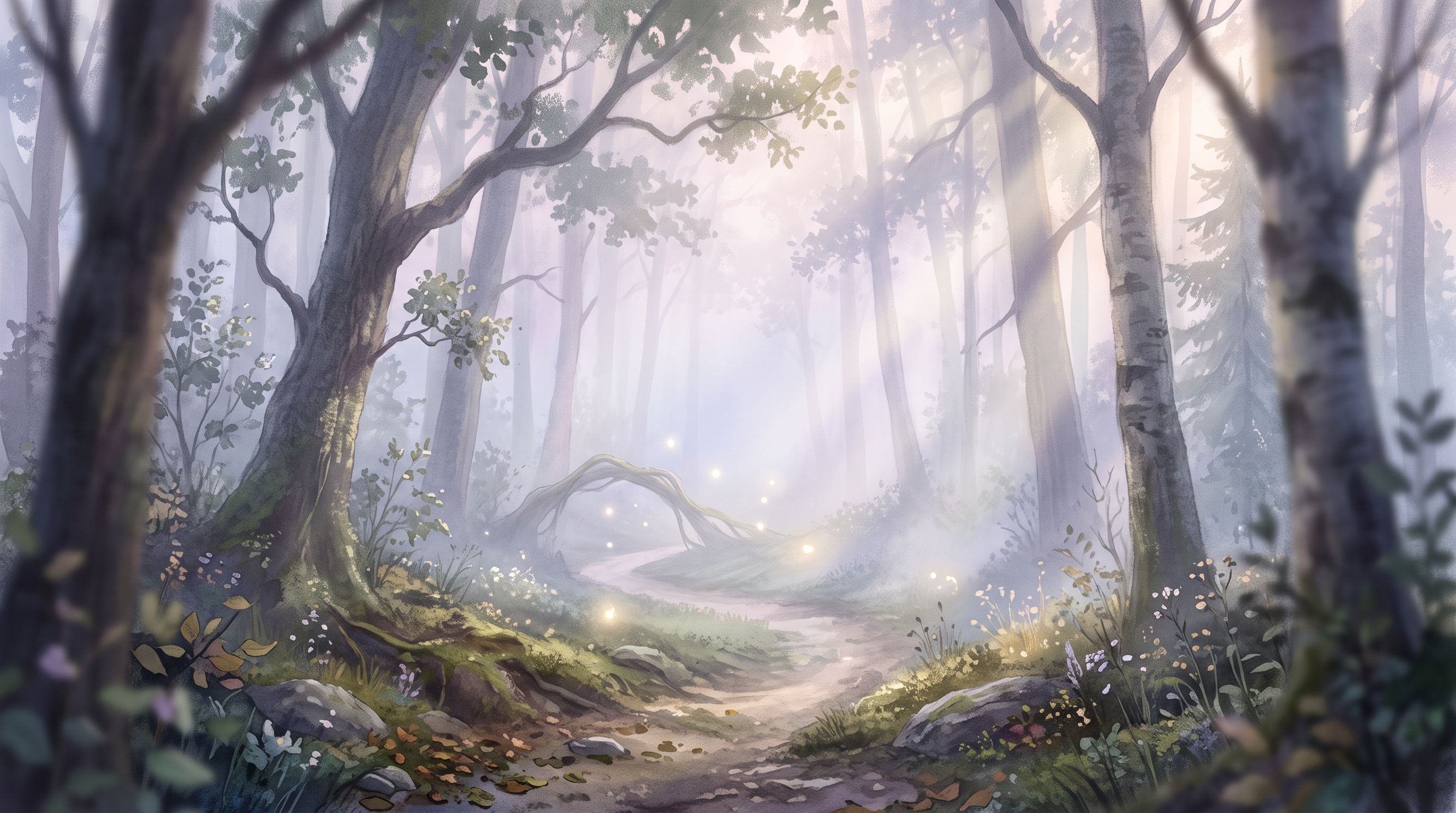
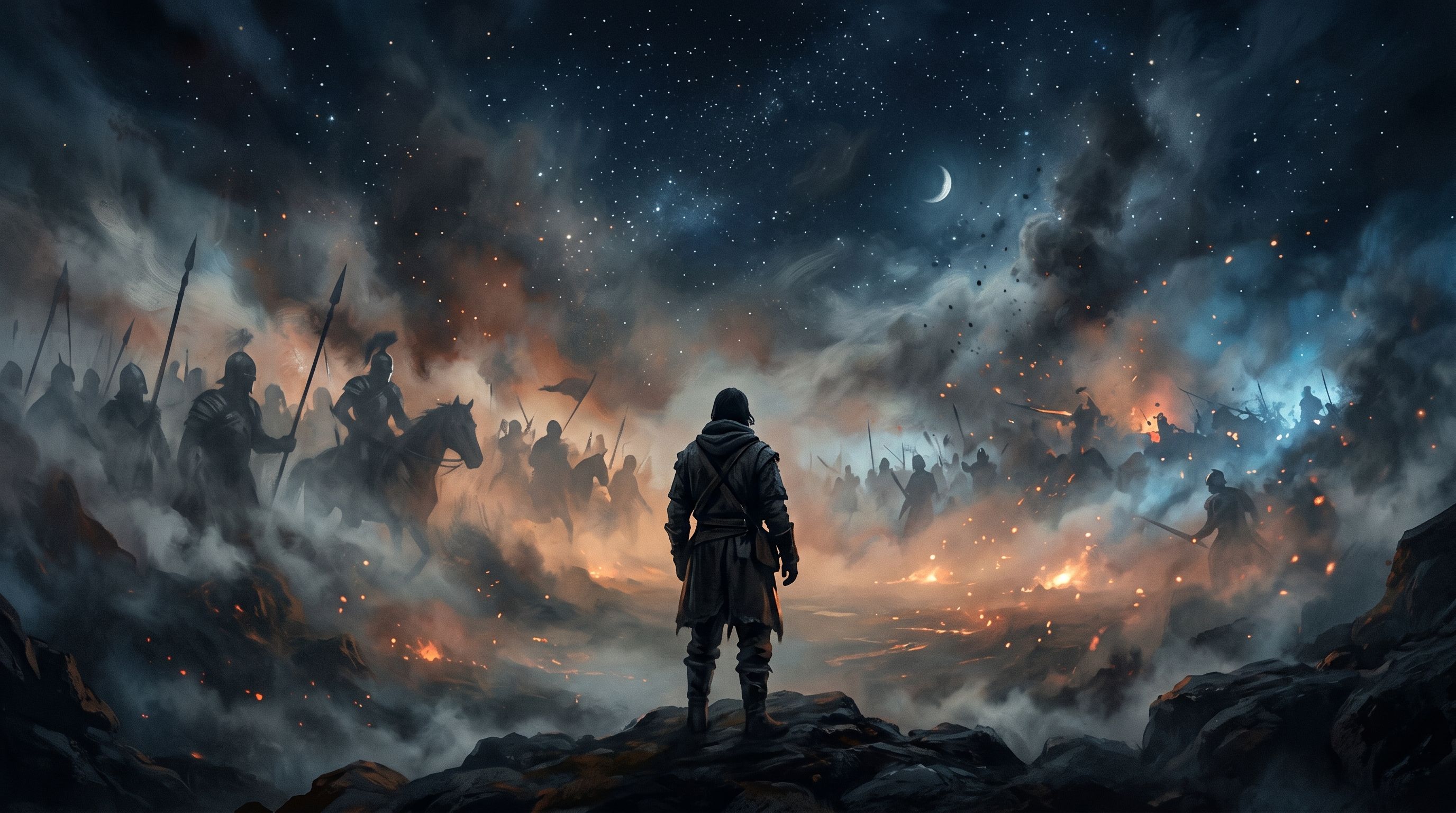
There is something fascinating—and terribly frustrating—about this image of the fog of war. For a Baku like me, who nibbles on nightmares to keep your nights peaceful, this symbol is like a thick smoke that hides the true flavor of your fears. Unlike the more classic fog, which often evokes melancholy or emotional blurriness, the fog of "war" has a much more active, tactical connotation.
When you dream of this, your subconscious places you in the position of a general who has lost their scouts. You feel this intense confusion because you feel that life is demanding action from you, yet you cannot see a thing. You might feel the pressure to move, to decide, or to fight, but the environment refuses to cooperate.
Some specialists in dream psychology suggest that this specific imagery appears when your "intolerance of uncertainty" is at its peak. Your brain, in its attempt to protect you, creates a literal barrier to prevent you from rushing into a situation you aren't prepared for. If you saw everything unfolding behind the curtain, would you truly be ready to face it? Sometimes, the dream sets up this filter to force you to slow down.
In my long existence traveling through the collective unconscious, I have noticed that the most ambitious dreamers are the ones who encounter this fog most often. You want answers, certainties, and definitive "yes" or "no" answers. But life, much like the spirit world, is made of shades of grey. The fog of war is there to tell you: "Stop running; you’re going to end up hitting a wall you didn't see coming."
---
The Anxiety of Invisible Danger and the Weight of Weapons
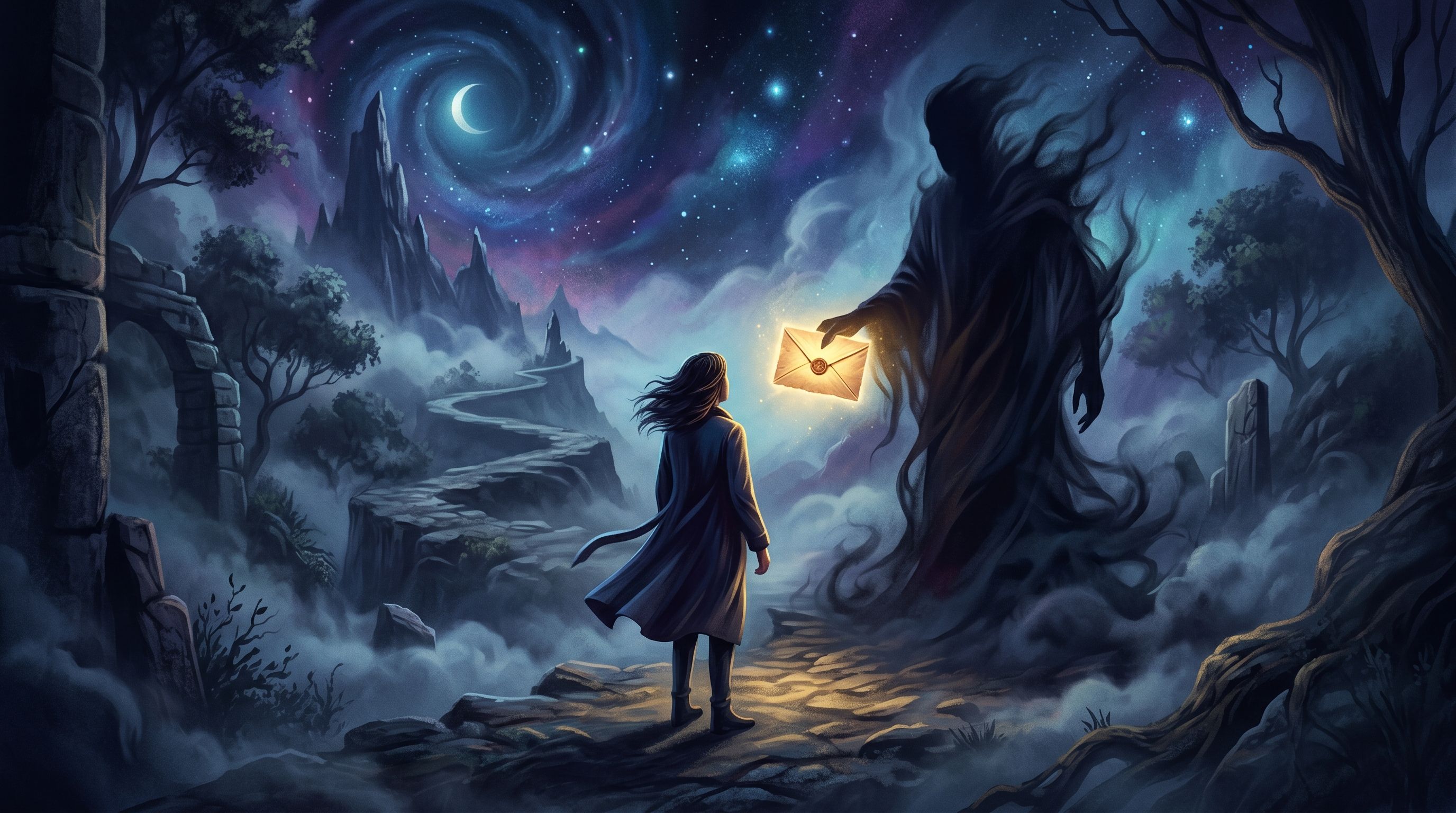
What makes this dream particularly trying is the feeling of imminent danger. You might hear the clatter of metal, heavy footsteps, or simply feel a hostile presence beyond the grey shroud. The "war" aspect implies that there is an adversary, even if you cannot see their face. This is the manifestation of your internal stress regarding a conflict you haven't fully identified yet.
Sometimes, in this kind of dream, you find yourself holding an object to defend yourself. I have seen dreamers waving a blade in the mist, which reminds me of the importance of understanding why one might Dream of a Knife: Meaning and Interpretation during times of great tension. The weapon represents your desire for agency in a situation where you feel powerless.
And yet, have you noticed? In the fog of war, the attack rarely actually comes. You wait for the ambush, you dread it, you perspire, but the monster never emerges from the haze. Why? Because the true adversary is your own need to predict the unpredictable. The "danger" is not in the fog; it is in the idea you have of what is hidden within it.
🌙 The echo of Yume: The mist is not your enemy; it is the veil that protects your soul while it gathers the strength to face the sun.
---
The Science of the Shroud: Why Your Brain Blurs the Lines
While I view your dreams through a mystical lens, there is a fascinating biological perspective to consider. During REM sleep—the stage where most vivid dreaming occurs—certain parts of your brain are highly active, while the prefrontal cortex, responsible for logic and clear planning, is relatively suppressed.
Some researchers suggest that this neurological state is exactly why "confusion" is such a common dream theme. When you are facing a high-stakes situation in your waking life, your amygdala (the emotional center) may be firing alerts, but because the logical part of your brain is "offline," your subconscious translates this as a literal inability to see or plan—a fog of war.
It is an elegant, if frustrating, metaphor for the human condition. You are a creature that craves patterns and clarity, yet you inhabit a world that is often chaotic. This dream is your brain's way of practicing how to handle "low-information environments." It is a simulation of uncertainty, designed to help you build emotional resilience.
---
Concrete Example: The Career Crossroads
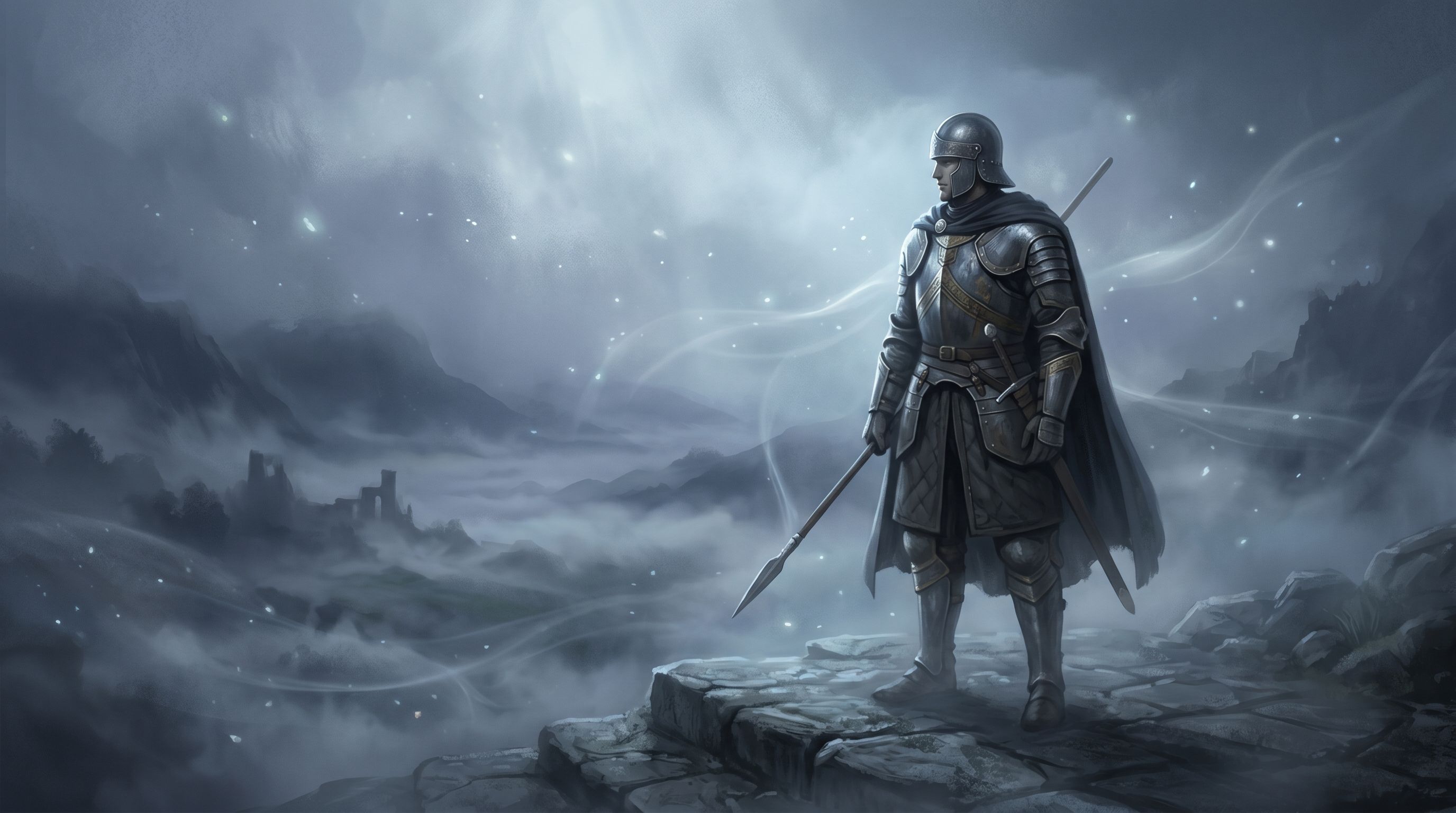
Imagine you are considering leaving a stable job to pursue a creative passion. You haven't told anyone yet, and you are terrified of the financial unknown. That night, you dream you are standing on a battlefield. You are wearing armor, but a thick, grey mist surrounds you. You hear the sounds of a distant army, but you don't know which way to run.
In this use case, the fog isn't telling you not to quit your job. It is reflecting your current state of "strategic blindness." You are in a transition where you have the "armor" (your skills and desire), but you lack the "map" (a concrete plan). The dream is advising you to wait for the scouts to return—meaning, wait for more information or a clearer sign—before you charge into the unknown.
---
The Wisdom of Stillness: When the Void Becomes Full
I would like to share a little Baku secret with you. When I encounter a patch of fog too dense in a dream I am visiting, I do not try to blow on it to make it dissipate. I sit down, I close my creature eyes, and I listen.
In your daily life, this dream of the fog of war is a clear signal that you must practice the art of stillness. If you are trying to make a major decision—changing careers, ending a relationship, or making a significant investment—while having this dream repeatedly, I advise caution. Your internal "navigation system" is temporarily disconnected. This isn't a breakdown; it’s an update.
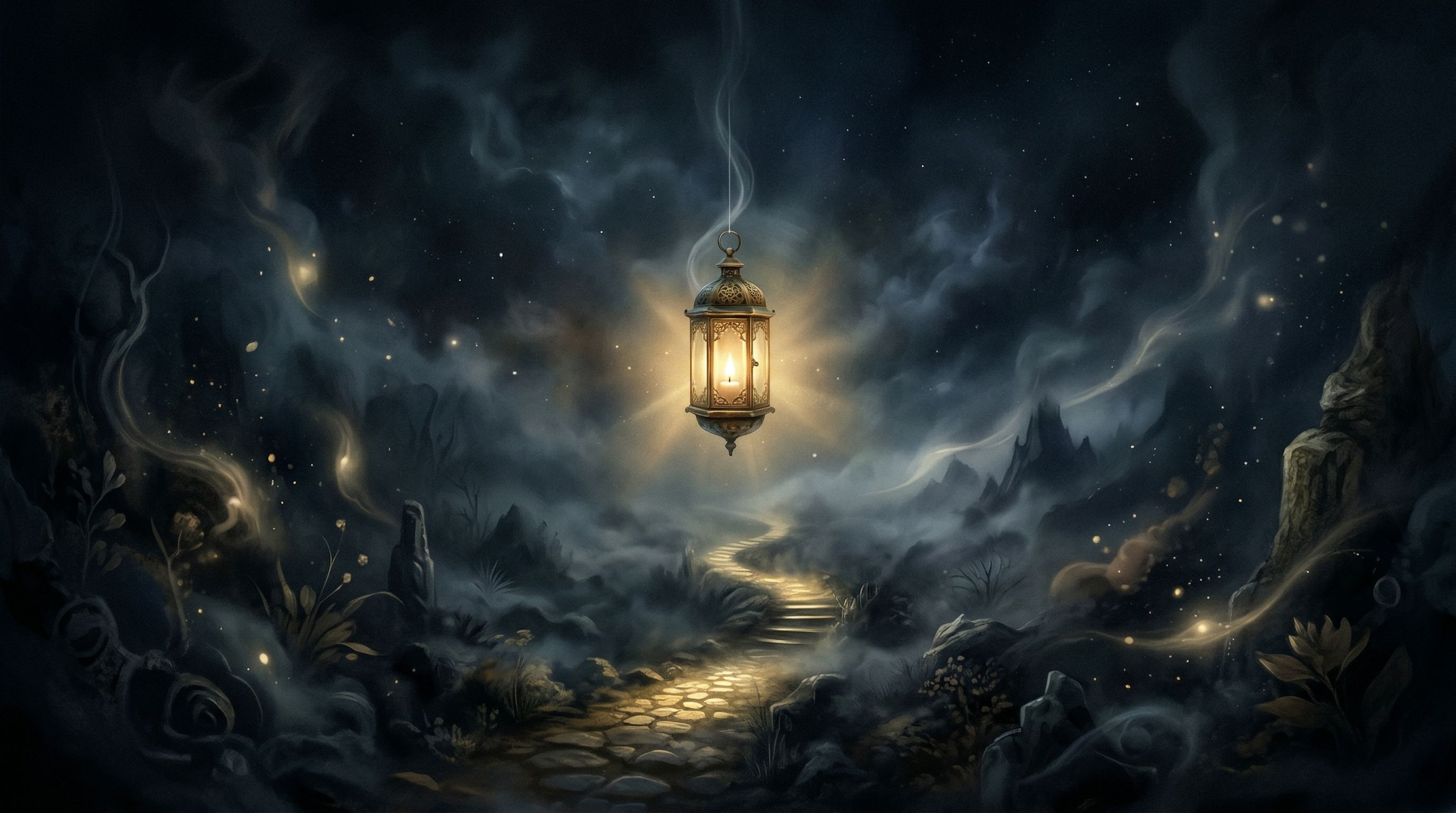
There is a certain beauty in this inability to see far ahead. It brings us back to the present moment, to the ground beneath our feet, to our breath. The fog of war reduces your world to the essentials: here and now.
Honestly, I feel our era lacks these moments of blurriness. You want to geolocate everything, date everything, and explain everything. Your dreams, however, remember the value of mystery. They know it is in the unknown that the greatest transformations are prepared. Stop seeing this dream as a threat, and see it instead as a cotton cocoon protecting you from external aggressions while you find your center again.
🌙 The Echo of Yume : Clarity is a gift of the morning, but wisdom is a harvest of the night's shadows.
So, the next time you wake up with the feeling of having been lost on an invisible battlefield, do not immediately try to pierce the mystery. Instead, thank your mind for offering you a moment of respite from the sometimes too-harsh clarity of reality. The fog will eventually lift; it is an immutable law of nature and of dreams. In the meantime, learn to dance in the grey.
If you want to explore your dreams more deeply and begin mapping the terrain of your unconscious, your Baku is waiting for you.
I once met a dreamer—a young cartographer in his waking life—who told me that the most terrifying part of his mist-filled nights wasn't the fear of being attacked, but the absolute, crushing silence. He couldn't even hear his own footsteps. It is a sensory trick your mind plays: by dampening the sounds of the outer world, it forces you to listen to the heavy, honest thumping of your own heart. We often mistake this quiet for a threat, assuming that the absence of information means something terrible is crouching in the shadows. But look at it another way. Unlike the chaotic, roaring violence of dreaming of a battlefield, the fog of war offers a strange, muffled sanctuary. It is a soft room built by your subconscious, a temporary suspension of hostilities where nothing can reach you—not even your own waking anxieties.
Why are we so desperately afraid of not knowing what comes next? I sometimes lose my patience with modern guides that treat every shadow as an enemy to be conquered with a sword. In Eastern traditions, there is a profound wisdom in yielding to the formless, a state of waiting without seeking. When you try to force your way through this grey screen, demanding immediate clarity, you are likely to stumble. Your subconscious has deliberately pulled down the blinds to protect you from your own impatience. Pushing blindly forward in this state is a surefire way of walking straight into dreaming of a trap of your own making. The fog is not a puzzle to be solved; it is an invitation to sit down on the damp grass, let go of your maps, and wait for the morning sun to do its work.