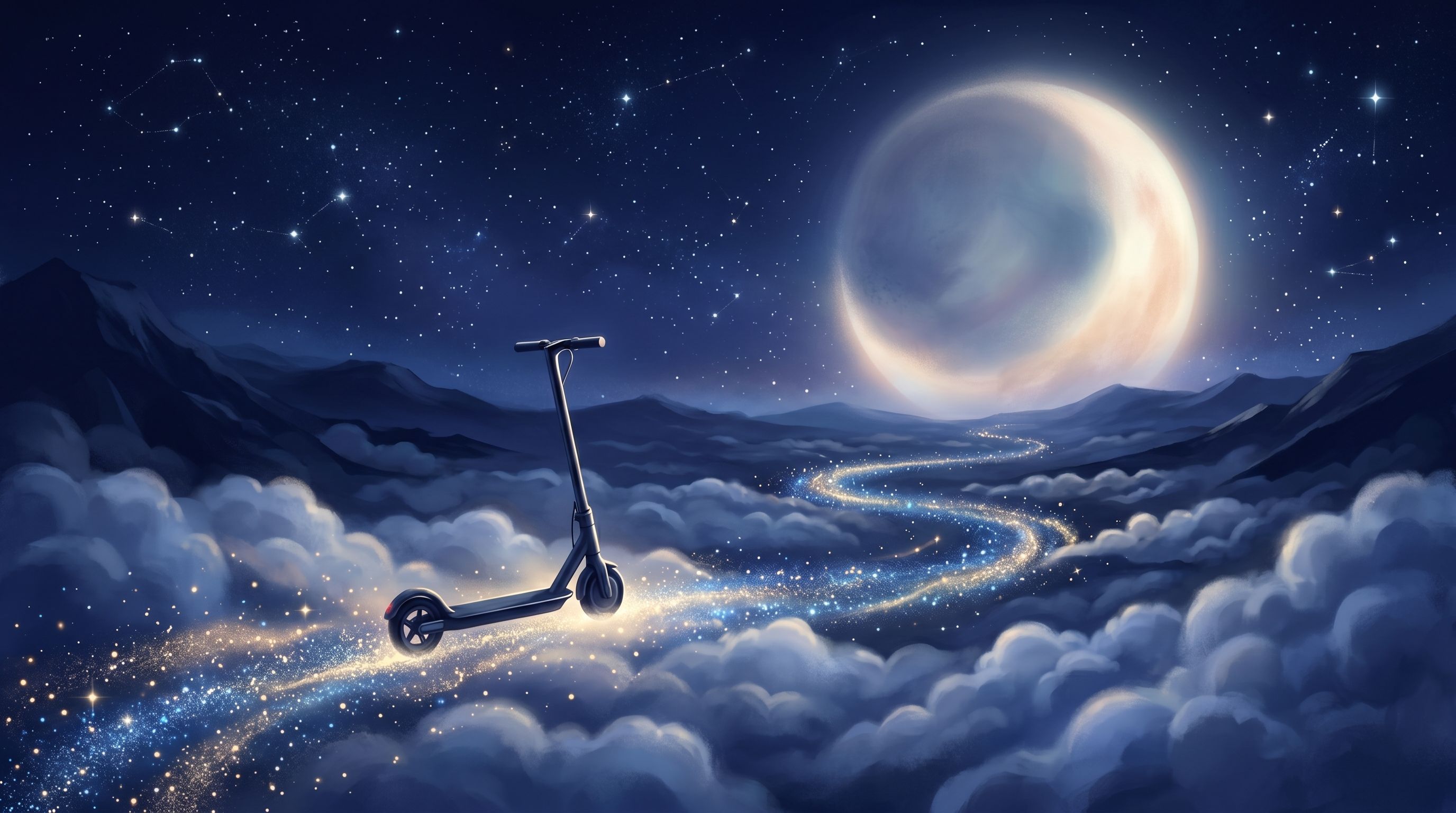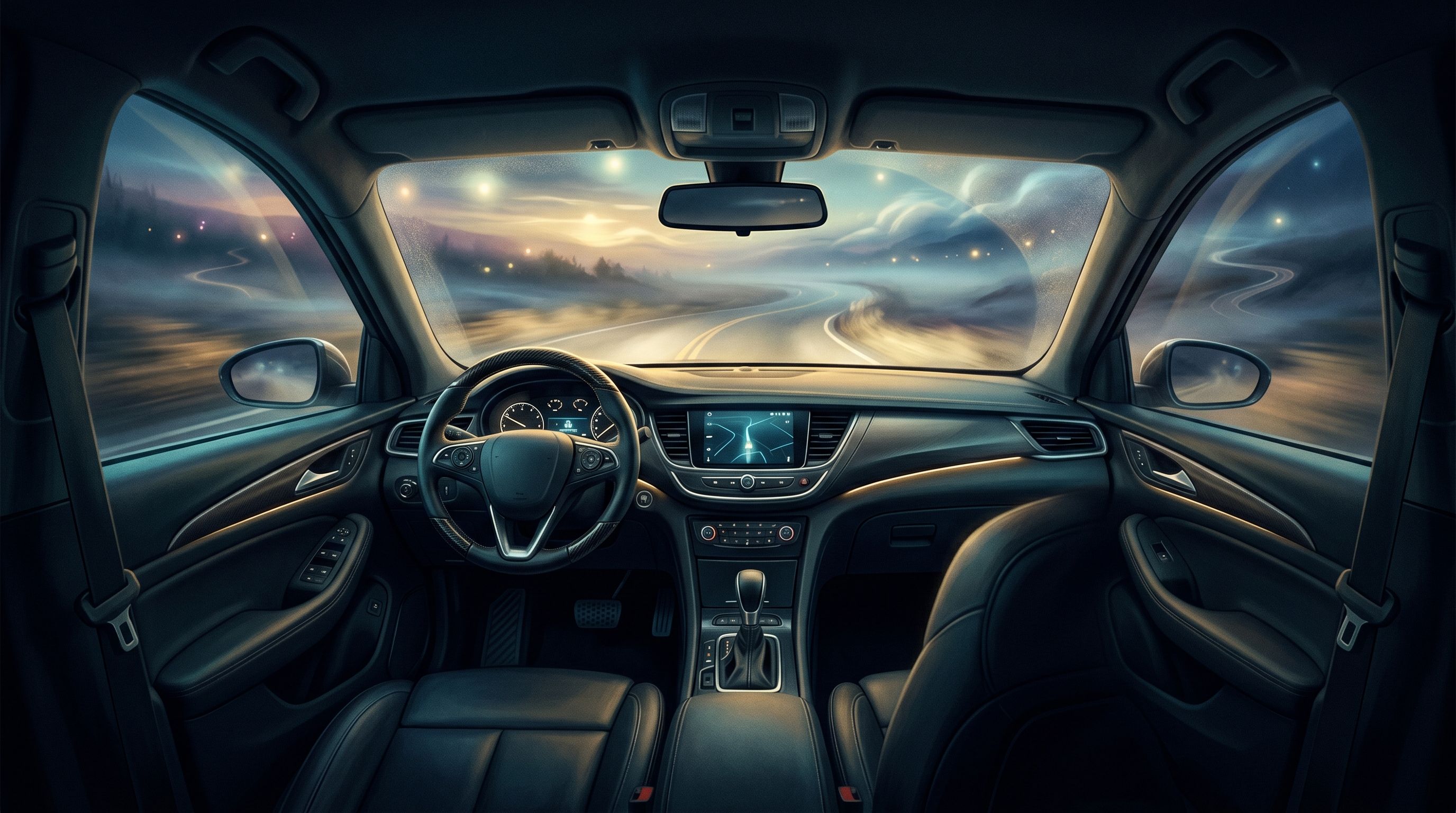
Ah, the car… This symbol is so common, and yet, every time I hear it, I feel a special little vibration. It’s not just a machine, is it? It’s an extension of ourselves, a bubble of control in a world that, sometimes, seems to speed by without us being able to brake. So, dreaming of a car, what could that possibly mean?
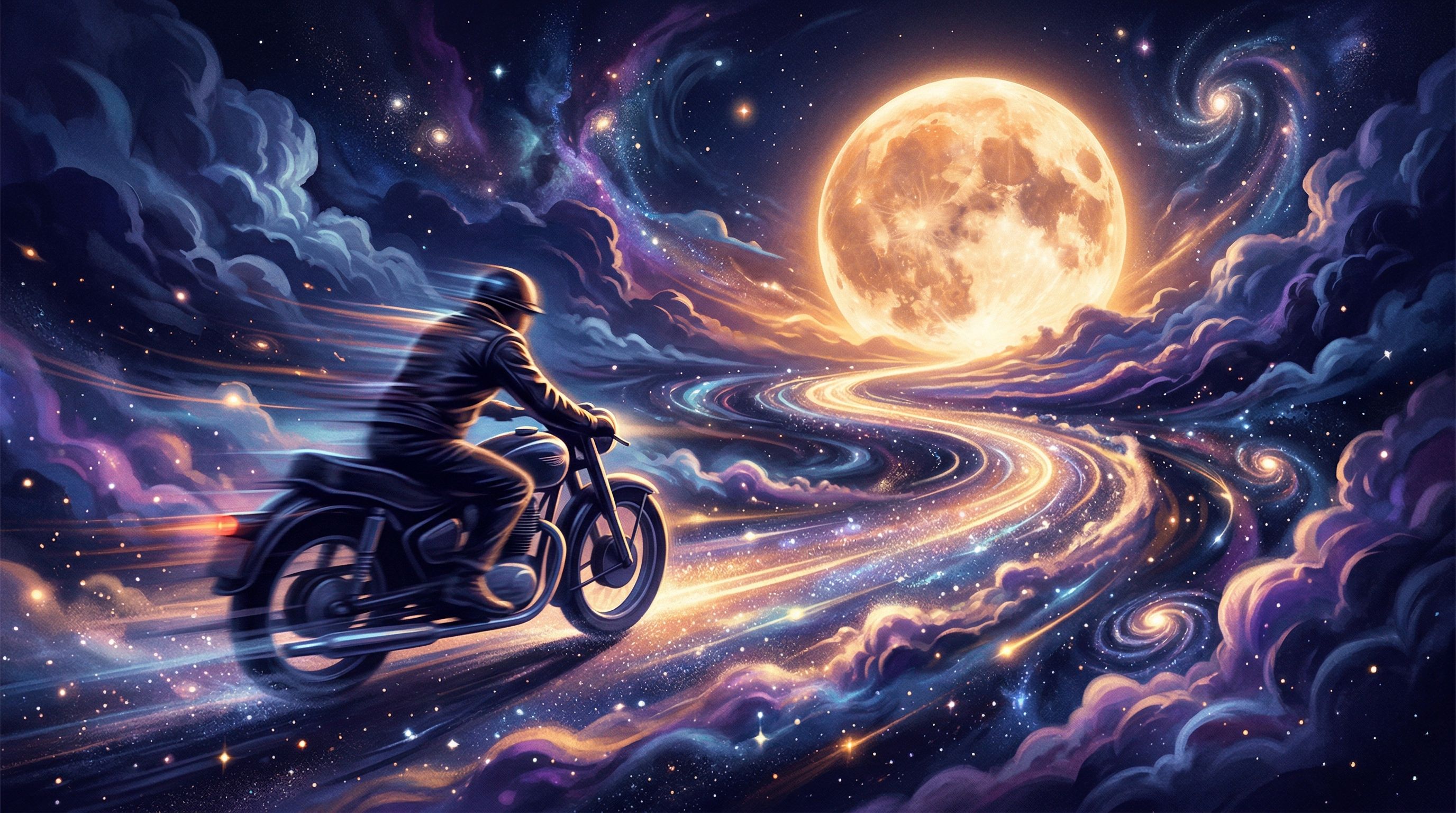
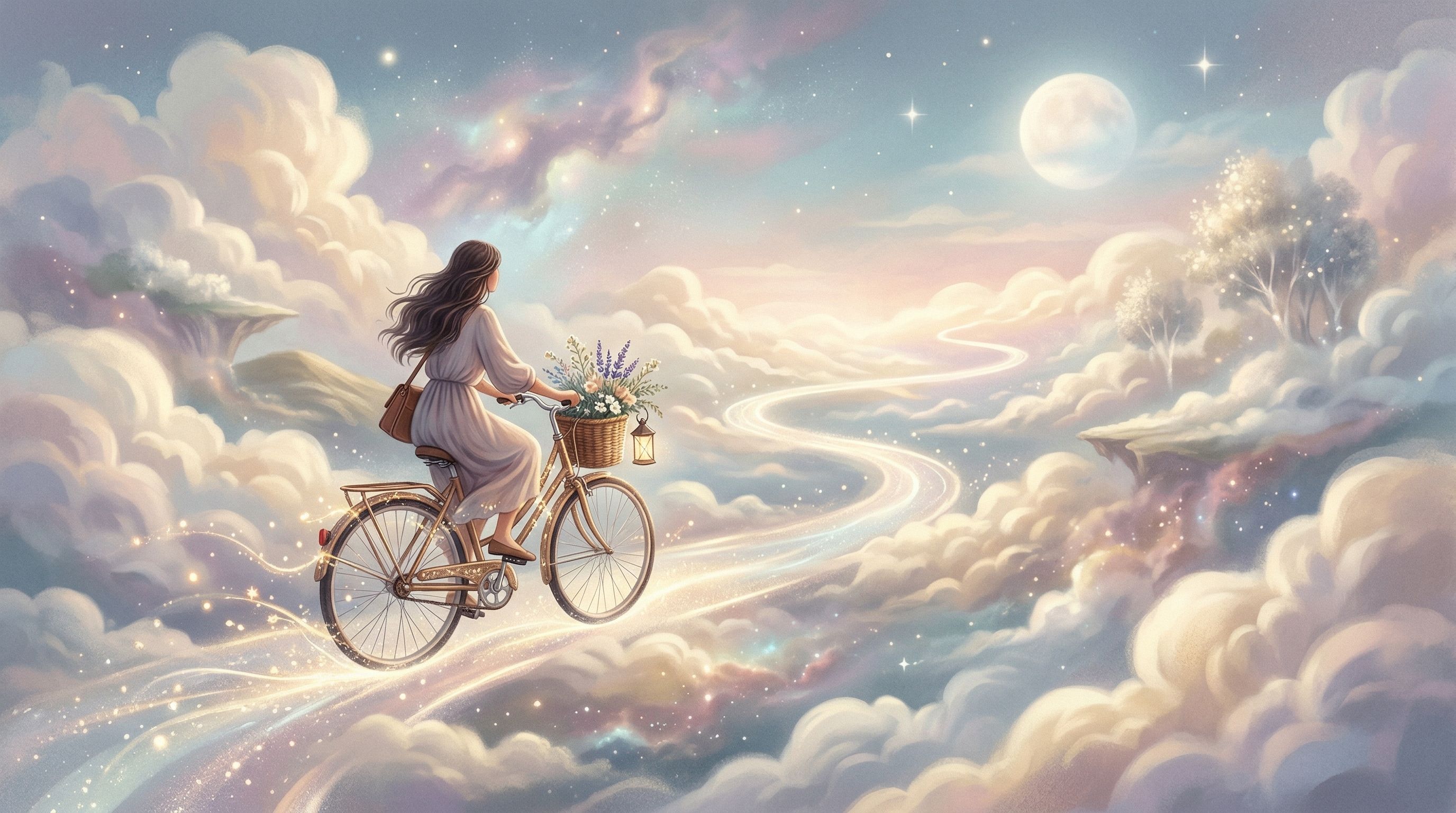
Of course, the first interpretation that comes to mind is that of the path of life. The car represents our ability to move forward, to direct our existence. If you are driving peacefully, in control, it may indicate that you feel like the master of your destiny. You have a clear direction, you know where you are going, and you have the necessary resources to get there.
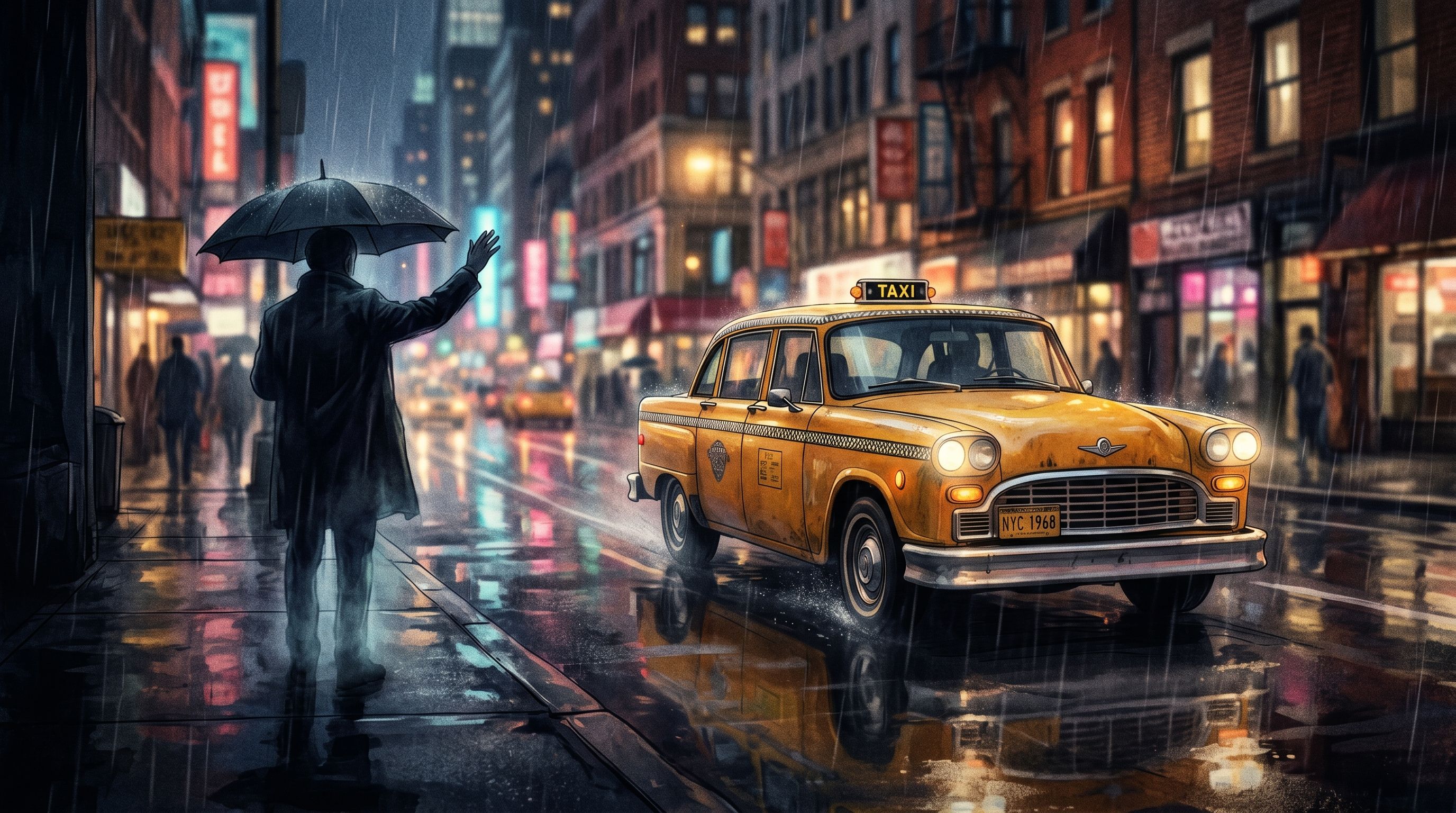
But what happens if you are a passenger? Or if you are in the back seat, helpless, while someone else holds the wheel? This can mean that you feel like a spectator in your own life, that you are letting others make decisions for you. It is perhaps a slightly painful signal, an invitation to regain control. Do you really want to let others drive?
And then, there is the condition of the car. Is it shiny and new, or rusty and bumpy? A car in good condition can symbolize good physical and mental health, a flourishing vital energy. A car in poor condition, on the other hand, could reflect a feeling of fatigue, of self-neglect. Perhaps you need to refuel, to take care of your inner "vehicle"?
But let's not stop there. The car is also a personal, intimate space. We listen to music there, we have important conversations there, we sometimes cry there in secret. Dreaming of the interior of a car can reveal aspects of our emotional life, of our relationships with others. Who was in the car with you? Was it a moment of sharing and joy, or of tension and conflict?
Let's talk about speed. Driving at full speed is exciting, but also potentially dangerous. It can reflect a thirst for adventure, a need to live fully, but also a tendency toward impulsivity, toward taking reckless risks. Are you taking enough time to enjoy the scenery, or are you always in a hurry to reach your destination?
And the accident? It’s every driver’s nightmare, and it’s even more disturbing in a dream. A car accident can symbolize a major obstacle, a setback, a sudden loss of control. But be careful, it shouldn't necessarily be seen as a fatality. It can also be a warning, an invitation to slow down, to be more cautious in your choices. It tires me to see these simplistic interpretations that directly associate "accident" with "catastrophe." Sometimes, it’s just the subconscious telling you: "Hey, slow down, it’s going too fast!"
Context is paramount. Dreaming of a convertible sports car on a sunny road does not have the same meaning as dreaming of an old van stuck in the mud. Every detail counts, every sensation, every emotion felt.
So, what advice would I give you, as Baku, eater of nightmares and humble interpreter of dreams? Take the time to analyze your car dream with attention and kindness. Don’t settle for the first interpretation that comes along. Listen to the whispers of your subconscious; it has many things to tell you.
Have you ever experienced that sudden, heart-stopping moment where you press the brake pedal, but it sinks helplessly to the floor, completely useless? It is one of the most frequent nightmares I have had the privilege of eating. Let me reassure you: this is rarely a prophecy of doom. Often, it is a fascinating translation of your physical body sleeping. As you lie still, your brain sends signals to move, but your physical limbs are temporarily locked in deep sleep. Your dreaming mind, trying to make sense of this sudden paralysis, projects it onto the car’s brakes. But psychologically, it also whispers of a deeper friction: where in your waking life are you desperately trying to slow down, yet your momentum keeps carrying you forward? Sometimes, the hardest thing to do is trust that the universe will stop you gently, even when your own brakes fail.
I often marvel at the rearview mirror in these night journeys. It is never just a piece of glass; it is a portal to the subconscious. Sincèrement, this symbol has fascinated me for centuries. What happens when you look in that tiny mirror and do not recognize the eyes staring back? Or worse, what if you are driving and suddenly realize the passenger sitting quietly beside you is yourself? There is a profound, almost melancholic beauty in confronting your own doppelganger in the passenger seat. It represents a division of the self—the public persona navigating the traffic of daily life, and the shadow self quietly observing, perhaps waiting for its turn to speak. If this happens, do not turn away in fear. Instead, ask this silent passenger what music they want to listen to, or where they would go if they held the map.
I once met a dreamer, a weary doctor from Kyoto, who told me about his recurring dream of a car made entirely of folded paper. It had no engine, no steering wheel, and yet it glided effortlessly down a mountain road, carried only by the wind. He was terrified at first, accustomed to controlling every heartbeat in his waking hours. But eventually, he learned to lean into the paper curves, feeling a strange, weightless peace. This is what the old Taoist sages called Wu Wei—the art of effortless action, of sailing with the current rather than fighting it. Sometimes, your dream car does not need fuel, horsepower, or a GPS. It simply asks you to surrender your obsession with mechanical progress and allow yourself to be carried by the natural drift of your soul's journey.
Then there are those darker, claustrophobic nights where you find yourself locked inside the trunk, or trapped in the back seat with the child locks firmly engaged. It is a heavy, suffocating sensation, but please, do not let it frighten you when you wake. This is not a threat; it is an honest mirror of your current boundaries. Perhaps you are currently undergoing a major transition—a career change or a family shift—where you feel entirely stripped of your agency, feeling like a prisoner in a vehicle steered by external expectations or old family debts. The trunk is the ultimate symbol of what we repress, the baggage we keep hidden from the sun. If you find yourself back there, breathing in the dark, it is a gentle reminder that even in the most cramped spaces, you still hold the key to your own internal awakening.
If you want to dive even deeper into your dreams and dissect the symbols that are unique to you, you can always create your own dream journal and start noting the people who appear in them in the Midnight Mind app. Who knows, you might discover surprising and revealing patterns!