The Shadow of the Hand: Who Truly Holds the Reins?
As I drift through the mists of your nightmares, I often come across this imposing silhouette waving puppets over an abyss. Sincerely, this symbol has fascinated me for years because it touches the very essence of what it means to "be free." When we see a puppeteer, our first instinct is to cry out against manipulation. We feel betrayed by fate or by a loved one. But I have learned, through traveling within your minds, that the puppeteer is not always "the other."
Sometimes, it is a part of you that has taken too much power. Your fear of judgment, for example, can become that puppeteer making you dance an exhausting jig just to please everyone. Or perhaps it is your ambition, your need to smooth everything over, to predict every outcome. It is a bit like trying to be the pilot of your existence in a way that is too rigid: you end up no longer living, but merely directing a cold machine.
I am not a fan of dream dictionaries that claim a puppeteer automatically means someone is lying to you at work. That is far too simple. Sometimes, the puppeteer is a figure of wisdom. They coordinate the different parts of your being, much like your brain orchestrates your movements without you needing to think about it. If, in your dream, the puppet's movements are fluid and graceful, perhaps your subconscious is whispering that you are finally in harmony with yourself—that you are accepting the guidance of your intuition rather than fighting against the current.
From Wooden Doll to Conscious Actor
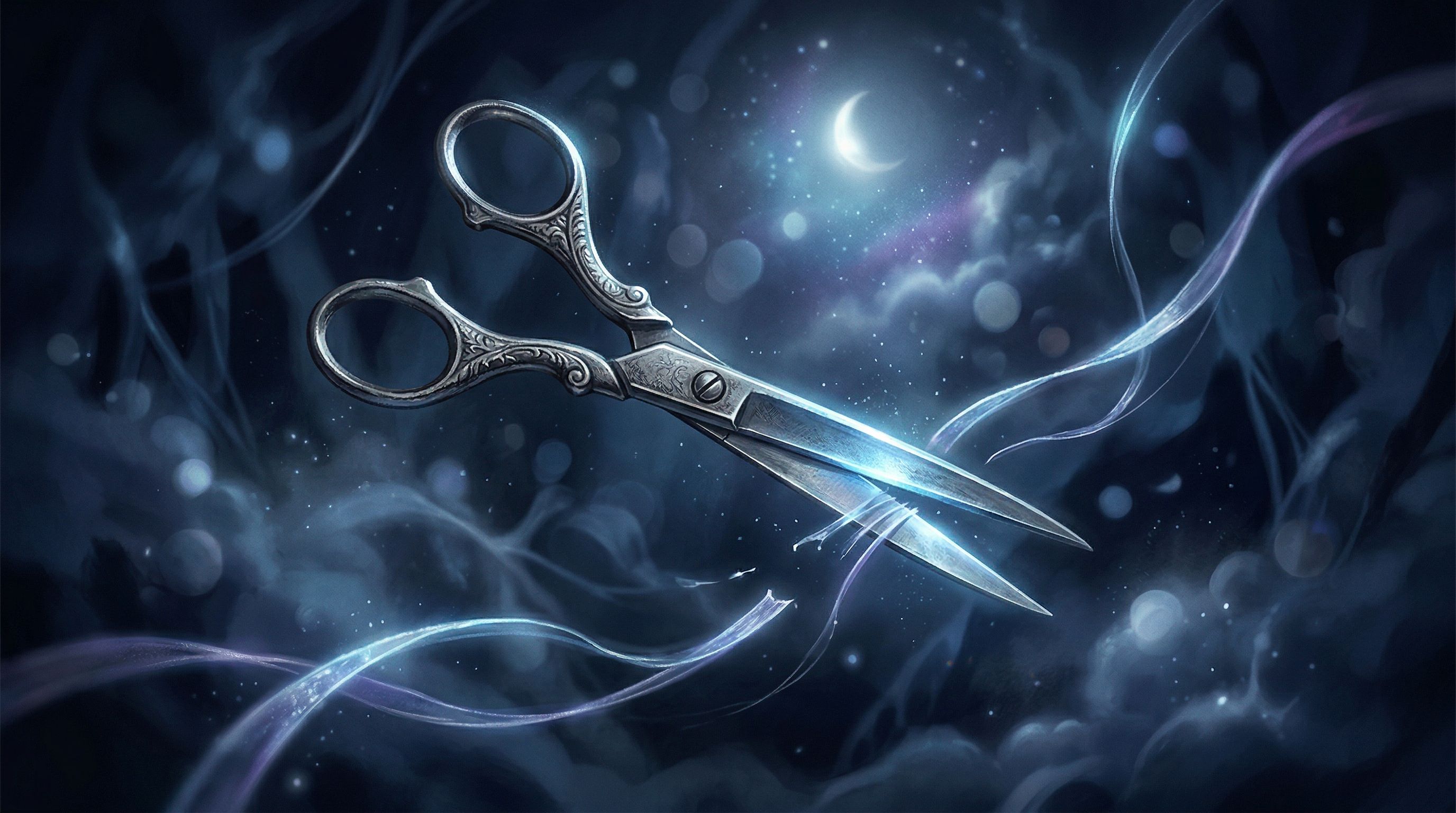
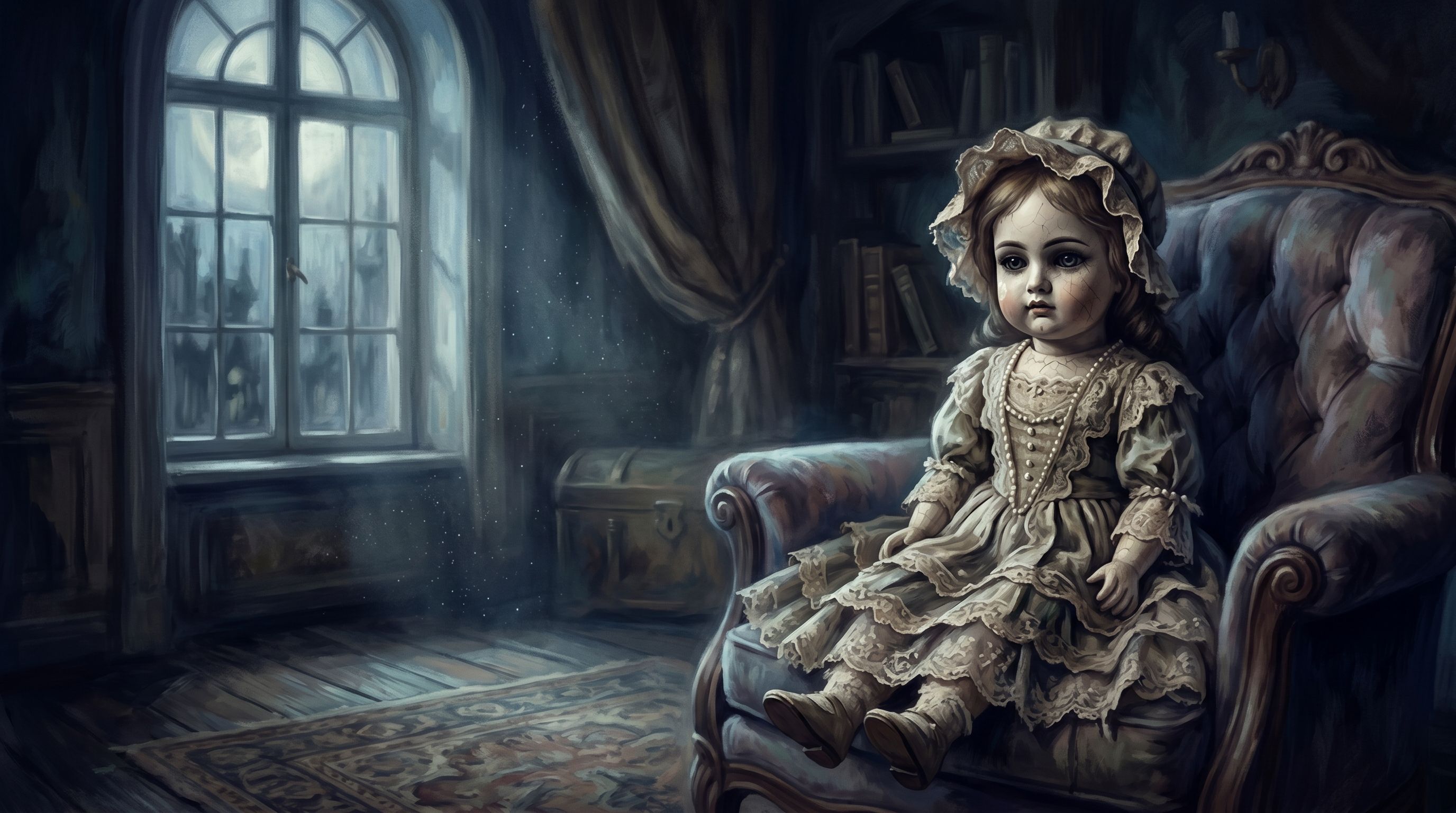
What differentiates a puppet from a living being? It is the thread. But the thread is also what transmits energy. I met a dreamer the other night who was weeping because she saw herself as an old doll tossed into a corner, her strings cut. She thought it was the end of her autonomy. In reality, it was the beginning of her freedom: she no longer needed to be "animated" by her parents' expectations. She had to learn to walk on her own, without the invisible crutches of guilt.
Honestly? This symbol of manipulation remains mysterious even to me, after centuries of observing it. There is a certain poetry in the idea that we are all, at times, the puppets of our emotions. But the dream itself never seeks to humiliate you. If it shows you these strings, it is so that you can touch them.
If you feel that control is slipping away, look closely at the face of the puppeteer in your dream. Is it blurred? Does it look like a boss, a partner, or does it have your own eyes? Often, the unease comes from the fact that we refuse to see that we are the architects of our own dead ends. We create the scenarios, we set the stage, and then we complain about having to play the part.
This is where the magic of the dream happens. By showing you the manipulation, your mind restores your strength. You cannot cut a string you cannot see. Once you have identified what is pulling at your arms or your legs in your daily life, you can decide to thank the puppeteer for the show... and step off the stage to go for a walk in the real world.
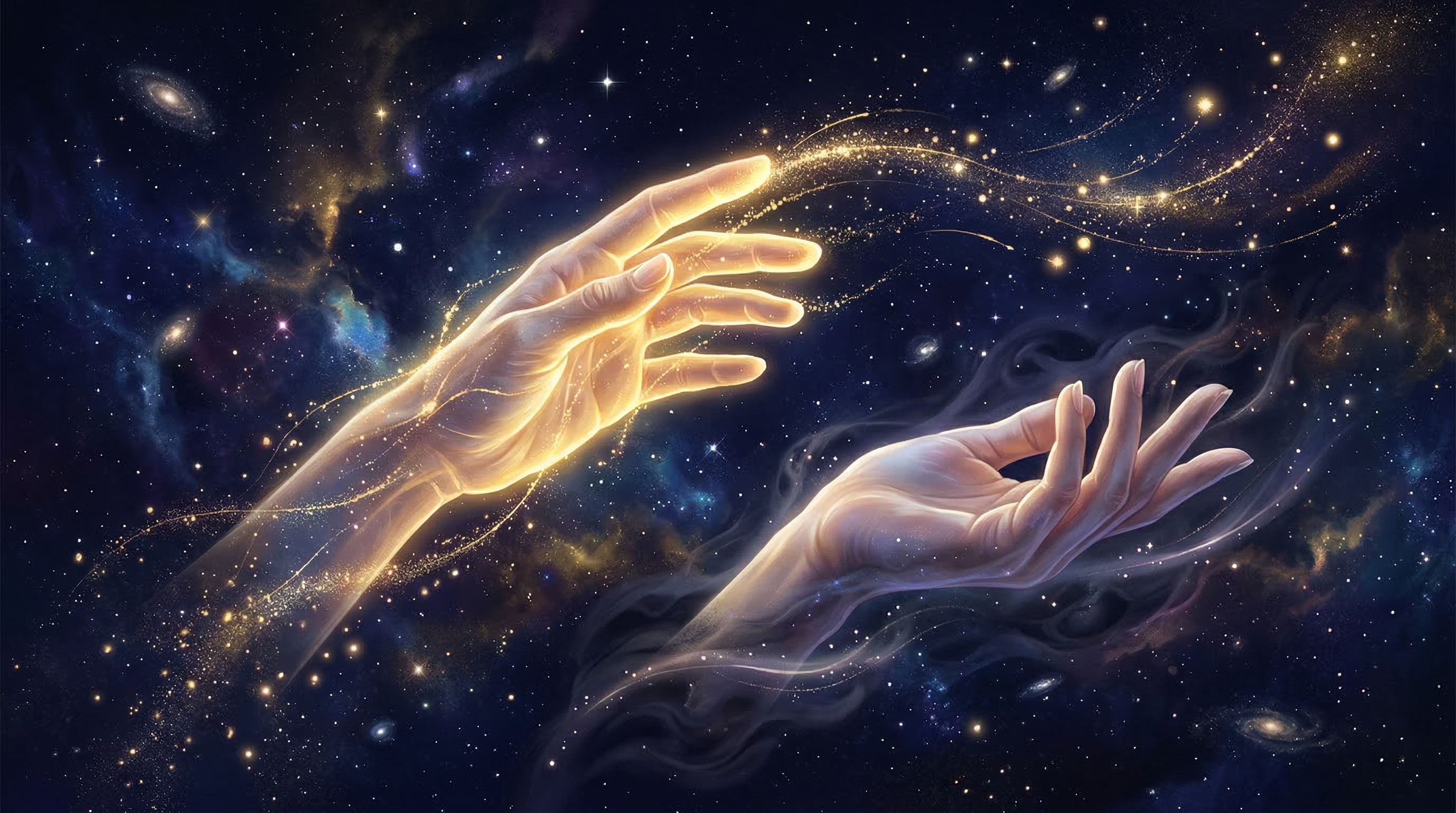
My friend, do not fear these giant hands waving in your sleep. They are only there to show you the beauty of your own structure. Dreams are guides, not prisons. If you still feel a little lost between your threads and your will, take the time to note every detail of this performance. What in your life feels like a forced act of presence?
Have you ever watched traditional puppet theater, where the handlers do not hide in the shadows but stand right there on the stage, dressed in black? I find this transparency beautiful. It reminds me that being guided is not always a violation of your free will. Sometimes, we need to let ourselves be carried by something larger than our solitary ego—be it the wisdom of those who came before us, or the quiet flow of destiny. If your dream-puppeteer was visible, calm, and respectful, stop fighting the strings. It is not a trap. It is a dance of cooperation. You are learning to trust the invisible hands of life, much like someone stepping onto a new path and realizing they don't have to carry the weight of every single decision alone.
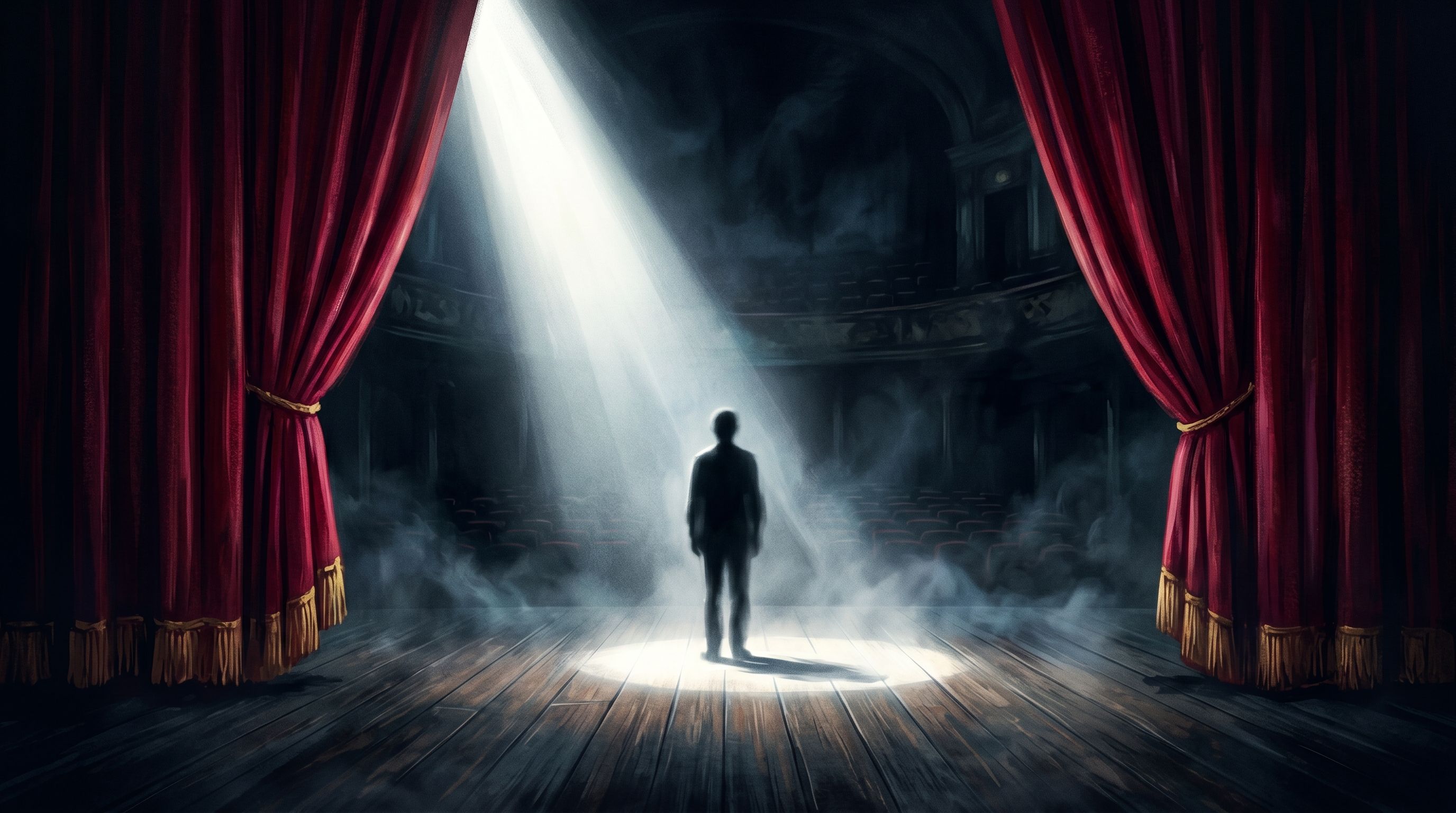
But what if the hands holding the wooden crossbar were your own, and yet, there was nothing at the end of your strings? This empty theater is a scene I see quite often in the minds of those undergoing massive life transitions—parents whose children have finally left the nest, or managers who have suddenly lost their team. It is a dizzying, almost sickening sensation to hold the controls of a stage that has gone silent, feeling as lost as a pilot without an instrument panel. You might feel a desperate urge to find a new toy, to find something—anything—to direct just to feel useful again. I always tell these weary souls to put the wooden bar down. The silence isn't a failure; it is an invitation to step off the scaffolding and finally find out who you are when you aren't busy managing the show.
I must confess, it gently annoys me when people dismiss these dreams as mere paranoia about external enemies. Pay attention to the physical textures of your dream instead. Was there a smell of damp velvet, or the dry, repetitive clicking of wooden joints echoing in a silent room? When the dream emphasizes the mechanical, artificial nature of your movements, your spirit is pointing directly to your daily routine. You might be going through the motions of your life like an automaton, completely disconnected from your heart. It’s a subtle form of dissociation where you watch yourself live from a distance, feeling almost like a prisoner in your own skin. If you felt that cold, wooden stiffness in your dream limbs, your soul isn't warning you about a scheming rival. It is begging you to breathe some warmth back into your body, to break the script, and to make one single, beautifully unpredictable move today.
If you want to keep a record of these figures who pull the strings of your nights, Midnight Mind features a Dreamed Person Registry where you can pin them down to observe them better by day. Who knows, you might eventually discover that the puppeteer was only waiting for one thing: for you to take their hand.