AT A GLANCE
TL;DR
The Self is the psychological archetype representing the totality of your conscious and unconscious mind.
Mandalas act as visual "maps" of your psyche, helping you visualize your progress toward inner balance.
True wholeness requires you to integrate your Shadow rather than repressing your flaws.
Symbols like the circle and square represent the harmony between your spiritual potential and your physical reality.
Understanding the Self: How the Mandala Symbolizes Your Journey Toward Psychological Wholeness
The Mandala: A Living Map of Your Inner Psyche
The mandala, often a circle containing intricate geometric patterns, has been a symbol of wholeness in many cultures for centuries. Carl Jung, the Swiss psychiatrist, saw it as a representation of the human psyche in its quest for unity.
Each element of the mandala reflects a part of you: your thoughts, your emotions, and your lived experiences. By contemplating a mandala, or better yet, creating one yourself, you can access hidden aspects of your Self and initiate a dialogue with your unconscious.
But be warned: do not fall into the trap of seeking a single, definitive "interpretation" of the mandala. It is a profoundly personal experience. What matters is what you feel—the emotions and associations that emerge from your own depths.
🌙 Tsuki's Echo: I often see dreamers chasing a "perfect" version of themselves. But the mandala isn't a circle of perfection; it is a circle of inclusion. Everything you are belongs within it.
---
The Circle, the Square, and the Light: Symbols of Completion
Several symbols frequently appear in connection with the Self, acting as keys to your inner landscape.
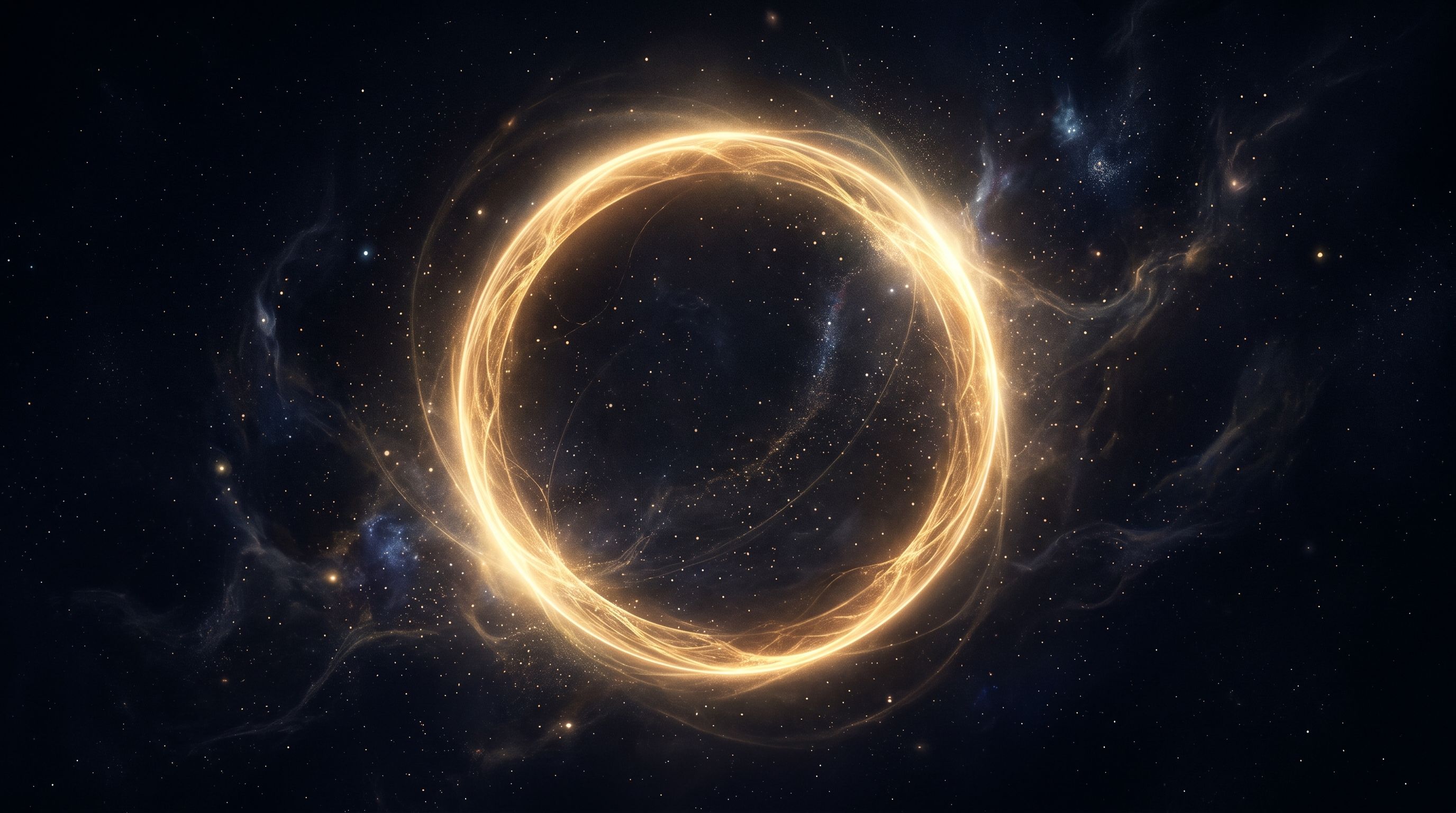
The Circle represents unity, infinity, and the cycle of life. It is the symbol of wholeness, the boundary that holds all parts of your being together.
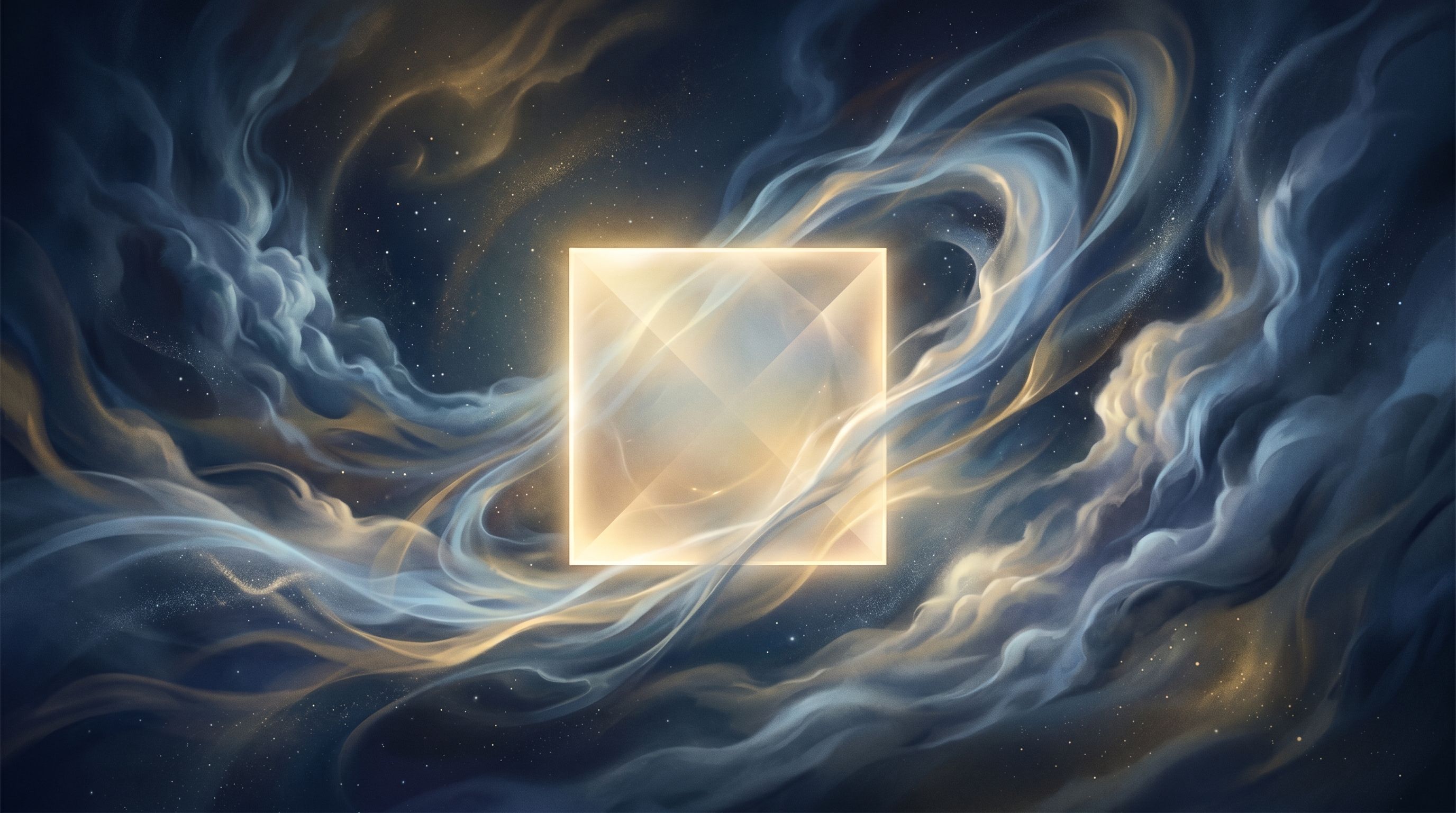
The Square symbolizes stability, structure, and concrete reality. It represents the manifested world—the materialization of your ideas. The balance between the circle and the square is essential for a harmonious Self.
The Light embodies consciousness and clarity. It is the light of knowledge that illuminates your path. However, as I often observe in the dream world, too much light can be blinding. It is equally important to accept the dark aspects of your being.
---
Integrating the Shadow: A Necessary Passage
I cannot talk to you about the Self without addressing the Shadow. It is that part of you that you repress—your fears, your weaknesses, and the aspects you deem "negative."
Yet, your Shadow is an integral part of your Self. Ignoring it is condemning yourself to an incomplete, unbalanced life. Jungian theory suggests that the integration of the Shadow is the key to individuation.
This doesn't mean letting yourself be dominated by your impulses. It means accepting your imperfections and transforming them into strengths. It is a difficult, often painful process, but essential to becoming fully yourself.
---
Concrete Example: The Evolution of a Dreamer
I remember a dreamer who felt paralyzed in their waking life, unable to make a career change. I encouraged them to begin drawing mandalas in their journal.
Initially, their drawings were chaotic and fragmented, with lines that never met and colors that clashed violently. Over the weeks, as they began to acknowledge their fear of failure, the mandalas became more harmonious and centered.
By the time they drew a perfectly balanced circle within a square, they found the internal "permission" to move forward with their life. The mandala didn't solve the problem; it reflected the internal shift that made the solution possible.
---
How to Encounter Your Own Self
So, how do you connect with your Self and discover the mandala that lies dormant within you? Here are some avenues to explore:
- Keep a dream journal: Your dreams are the primary gateway to your unconscious. Write them down every morning without judgment.
- Meditate with symbols: Use a mandala as a focal point for your meditation to calm the surface noise of your mind.
- Watch for synchronicities: These meaningful coincidences are often messages from your unconscious guiding you toward your center.
- Express your creativity: Painting or music allows you to give form to the formless aspects of your Self.
- Embrace vulnerability: Sharing your true emotions with others helps you connect with the authentic core of your being.
---
An Endless Journey
The quest for the Self is an endless journey. There is no final destination, no "perfect Self" to reach. What matters is the path itself, the discoveries you make along the way, and the transformations you experience.
Let yourself be guided by your intuition. Explore your unconscious. Embrace your Shadow. The mandala of your soul is just waiting for you to reveal its secrets.
If you want to explore your dreams more in depth, your Baku is waiting for you.
---